














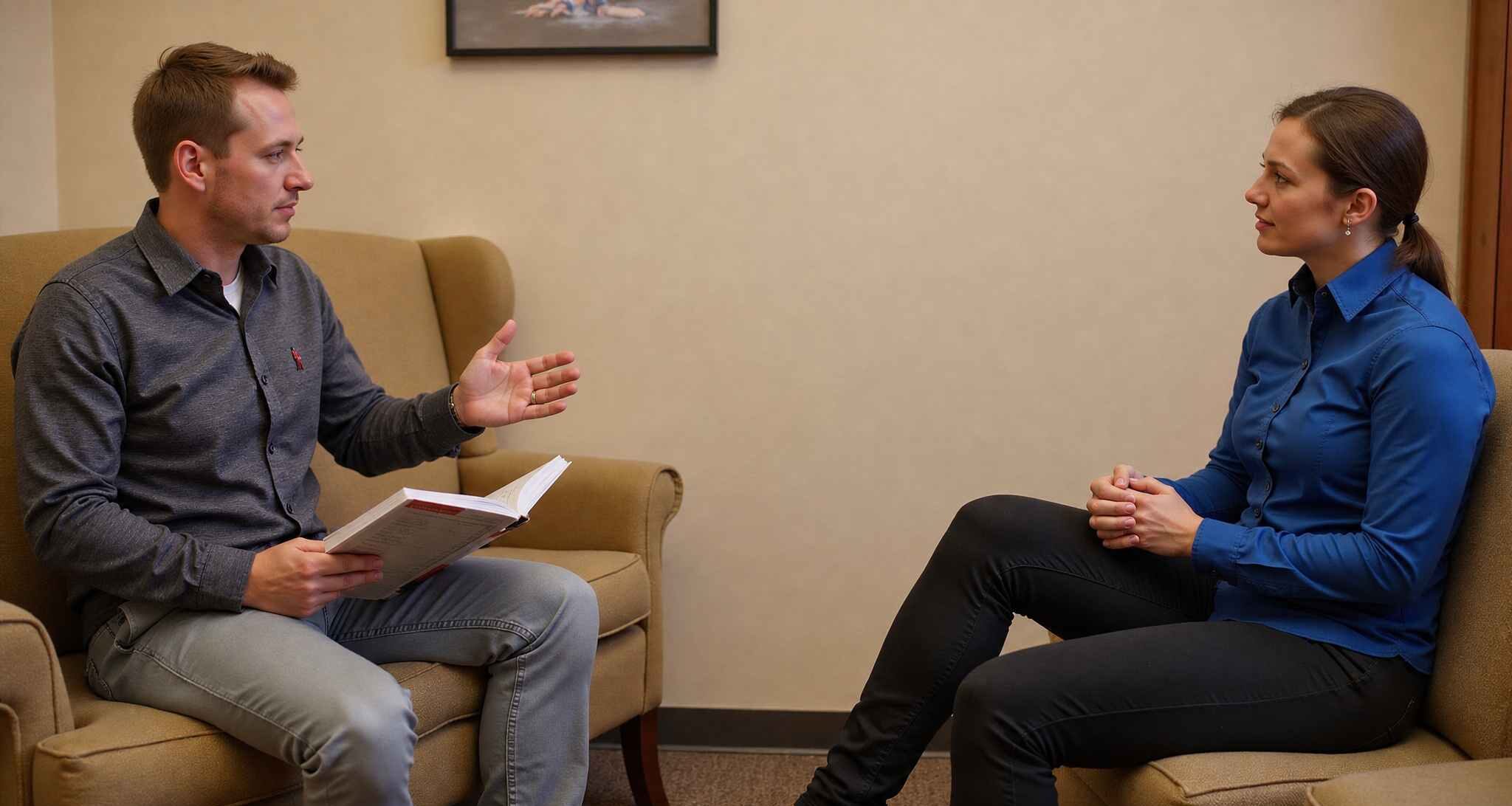

When your kids leave home, the sadness you feel is real, and you’re not failing. Start by naming the grief and sitting with it without judgment. Protect your self-care, keep up sleep, movement, and nourishing meals. Fill those quiet mornings and evenings with new routines, and lean on friends, your partner, or a counselor. Rebuilding your sense of purpose takes patience. Below, you’ll find gentle ways to find your footing again.
Key Takeaways
- Name and accept your grief without judgment, recognizing it as a natural reaction to a major life transition.
- Protect self-care by maintaining consistent sleep, regular movement, and nourishing meals to strengthen emotional resilience.
- Rebuild daily routines during the emptiest hours, like mornings and evenings, to ease the quiet ache.
- Explore identity beyond parenting through hobbies, classes, volunteering, or work that renews meaning and purpose.
- Seek professional help if sadness becomes overwhelming, lingers for weeks, or begins impairing daily functioning.
How Do You Deal With Empty Nest Syndrome Depression

Deal with empty nest syndrome depression by acknowledging what you’re feeling instead of pushing it aside. Empty nest transitions stir up grief, loneliness, and a quieter house that suddenly feels too still. The sadness can feel heavier than you expected, and that’s okay to admit. Take care of your body through sleep, movement, and nourishing meals, since coping gets harder when you’re depleted. Rebuild structure into your mornings and evenings, the times parenting used to fill. Reconnect with hobbies, friends, or new goals that give your days fresh meaning. If your low mood lingers, deepens, or starts looking like depression rather than normal adjustment, reach out to a counselor. You don’t have to carry this transition alone.
What Is Empty Nest Syndrome and Why Does It Happen
Empty nest syndrome is the sadness, loss, and distress you feel when your children leave home for college, work, or a life of their own. It isn’t a formal diagnosis, but it’s a very real reaction to a major life transition that reshapes your daily routine, your relationships, and even your sense of self.
For years, parenting likely structured your days and shaped your identity. When that role suddenly shifts, you might feel grief, loneliness, or anxiety about what comes next. That’s completely understandable.
This stage often overlaps with other big changes, like career shifts or midlife questions, which can make the adjustment feel heavier. Recognizing why it happens helps you treat yourself with patience as you find your footing again.
What Are the Signs It Has Become Depression

The signs that ordinary sadness has become depression include a persistent low mood that won’t lift, withdrawal from people and activities, and a loss of your ability to function. The transition to an empty nest naturally brings grief, but that grief should ease with time and new routines. When it doesn’t, when low mood lingers and your daily functioning slips, you may be facing depression rather than adjustment.
| Normal Adjustment | Possible Depression |
|---|---|
| Sadness that eases over weeks | Persistent low mood that won’t lift |
| Staying connected to others | Withdrawing from people and activities |
| Managing daily tasks | Losing the ability to function |
If you notice these deeper signs, please take them seriously. It’s not weakness to reach out. Turning toward alcohol or drugs, or a significant decline in functioning, means it’s time to seek professional support right away.
Who Is Most at Risk of Empty Nest Depression
Some parents are more at risk of empty nest depression than others. If parenting has been your primary role for years, you may feel the loss more sharply, especially when much of your identity centered on caregiving. You’re more vulnerable if this transition overlaps with other major changes, like divorce, retirement, or relocation, since stacked stressors make adjustment harder. Facing the shift alone, without a strong support system, can deepen the difficulty too. If you’ve experienced depression or anxiety before, you may be more sensitive to this loss. And when your daily routines revolved almost entirely around your children, the sudden quiet can feel overwhelming. Recognizing these risk factors doesn’t mean you’re weak. It means you can watch for signs and reach for support sooner.
How Do You Rebuild Purpose and Identity

Rebuilding purpose and identity starts by acknowledging the grief you feel, since recognizing that loss makes room for something new. You might wonder who you are beyond the parenting role, and that question, though painful, is where rebuilding begins. Notice which parts of the day feel emptiest, especially mornings and evenings, and build fresh routines to steady them. Pursue hobbies, classes, volunteering, or work that gives your time meaning again. These aren’t distractions. They’re ways to rediscover interests parenting may have overshadowed. Lean on friends, your spouse, or a counselor as you explore what matters to you now. Give yourself patience, too. Identity doesn’t rebuild overnight. Little by little, you’ll find that this quieter season can hold purpose you’re still capable of shaping.
What Coping Strategies Ease the Transition
Coping strategies that ease the transition begin with acknowledging your grief instead of brushing it aside. Recognizing the loss is the first honest step. Then, gently rebuild the parts of your day that suddenly feel empty. You don’t have to fix everything at once. Small, steady changes ease the ache.
- Name the grief you’re feeling, and let yourself sit with it without judgment.
- Protect your self-care, keeping sleep, movement, and nourishing meals steady.
- Fill the quiet hours, especially mornings and evenings, with new routines.
- Reach for support, leaning on friends, your partner, or a counselor.
You’re adjusting to something real, and giving yourself patience matters more than getting it perfect.
When Should You Seek Help for Empty Nest Depression
Seek help for empty nest depression when your sadness becomes overwhelming or refuses to ease with time. Pay attention when low mood lingers, when you’re withdrawing from people you love, or when daily functioning starts slipping. These aren’t signs of weakness, they may point to depression rather than ordinary adjustment.
Counseling offers a safe space to process grief, identity shifts, and changing family roles. It’s especially valuable if this transition overlaps with divorce, retirement, or relocation, since those combined stressors can feel heavier than one alone.
And if you’re leaning on alcohol or drugs to cope, or your functioning drops sharply, please seek evaluation right away.
Conclusion
Empty nest syndrome, the grief and disorientation when children leave home, is a real and common experience. The quiet house and shifting role can bring sadness, loss of purpose, and even anxiety. Rediscovering personal interests, strengthening relationships, and creating new routines help fill the space in meaningful ways, and support is available when the sadness lingers. This transition can open the door to a rewarding new stage of life.
Find Support Through Life’s Hardest Moments
Grief, illness, and major life transitions can bring depression and anxiety that feel too heavy to carry alone. Through National Mental Health Support serving Fishkill, NY, we connect you with licensed mental health counselors who provide the right Trauma Therapy and compassionate support for your healing. Call +1 (844) 435-7104 today and take the first step toward healing.
Frequently Asked Questions
How Long Does Empty Nest Syndrome Usually Last?
There isn’t a fixed timeline, it varies for everyone. For many, the hardest feelings ease within a few months as you build new routines and adjust to the change. Give yourself grace; this is a real transition, and healing takes time. If your sadness lingers, deepens, or starts looking like depression, don’t wait it out alone. Reaching out for support can help you move through it more gently.
Can Empty Nest Syndrome Affect Fathers as Much as Mothers?
Yes, it can affect fathers just as deeply. If you’re a dad feeling this loss, know that your grief is valid. Parenting shapes daily life and identity for fathers too, so when your children leave, you might feel the same sadness, loneliness, or sense of reduced purpose. Don’t dismiss what you’re experiencing because of old assumptions. Acknowledge your feelings, lean on support, and give yourself time to adjust.
Does Empty Nest Syndrome Strain Marriages or Relationships?
Yes, it can. When your kids leave, the routines that once filled your days shift, and you and your partner may suddenly face each other with more quiet time and fewer shared tasks. That change can feel disorienting, and it might surface tensions you’d overlooked. But it’s also a chance to reconnect. Talk openly about how you’re each feeling, and lean on one another as you navigate this transition together.
How Should I Communicate With My Child Without Over-Contacting Them?
Start by asking your child how they’d prefer to stay in touch, rather than assuming the old household rhythm still fits. Set up planned check-ins or scheduled calls so you both feel connected without pressure. It’s okay to miss them deeply, but try not to lean on them to ease your sadness. Talk openly and respectfully about expectations, and you’ll protect their independence while keeping your bond warm and strong.
Can Pets or New Hobbies Genuinely Help With the Adjustment?
Yes, they genuinely can. When you pour your care into a pet or immerse yourself into a new hobby, you’re rebuilding structure for those quiet mornings and evenings that once centered on parenting. You’re also giving yourself fresh purpose and meaningful activity to fill the empty hours. It’s not about replacing your child, it’s about honoring your own needs. Be patient with yourself; adjustment takes time, and these steps really do help.