









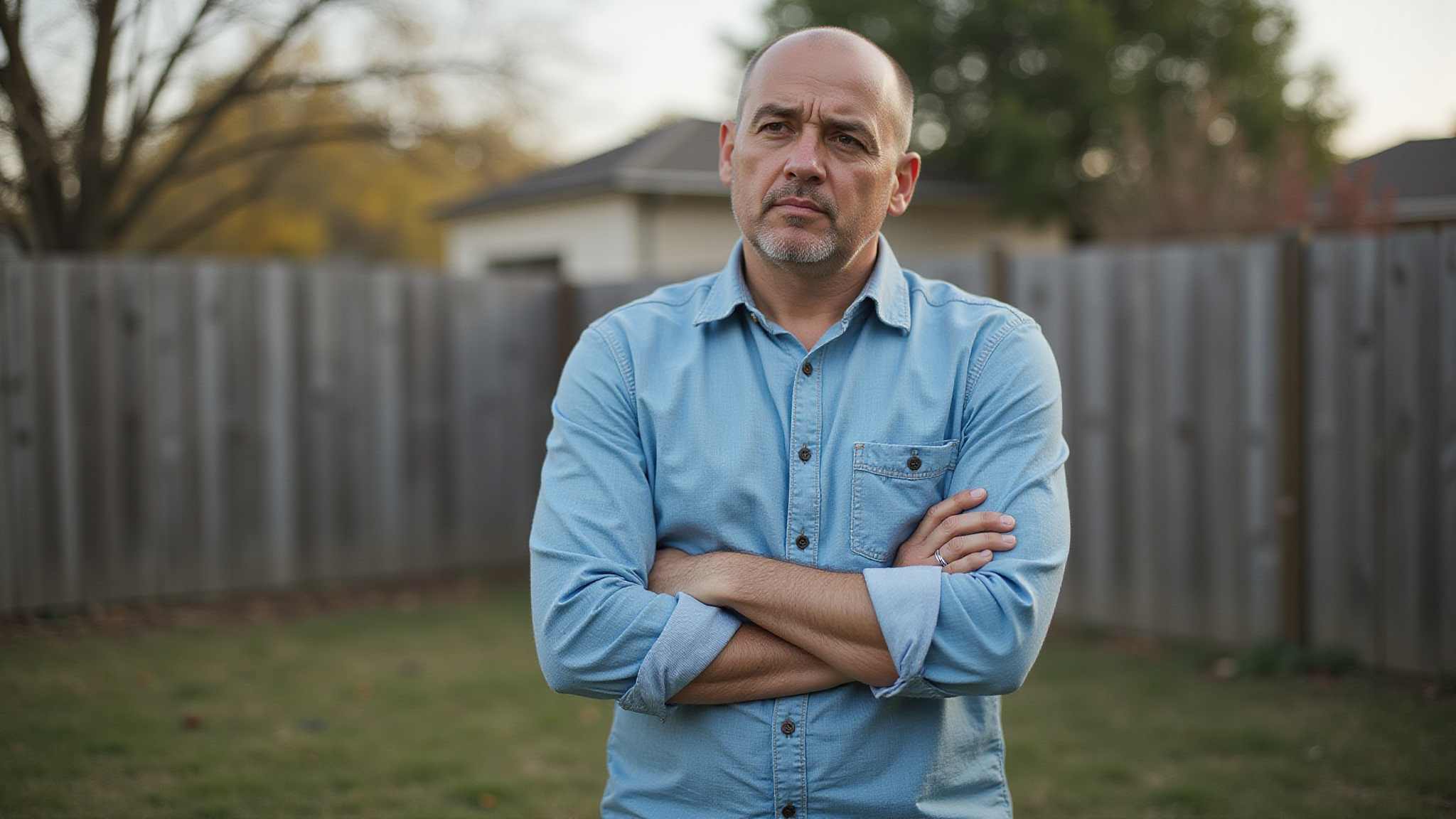





If you’re struggling right after retiring, you’re not alone. Retirement often removes the structure, purpose, and connections that once anchored your days, which can leave you feeling sad, empty, or lost. The good news? Depression after retirement is preventable and treatable. You can rebuild routine, reconnect with others, and rediscover meaning with small, steady steps. If symptoms persist for two weeks or more, professional support helps. Here’s what makes the biggest difference.
Key Takeaways
- Retirement often removes daily structure, purpose, and identity, triggering sadness, emptiness, or loneliness as workplace routines and relationships disappear.
- Rebuild rhythm by setting fixed times for waking, meals, and chores, easing mood and motivation fluctuations.
- Aim for 150 minutes of weekly physical activity and add purposeful pursuits like volunteering, hobbies, or learning.
- Stay connected through regular contact with family, friends, or community groups to buffer identity loss and isolation.
- Seek professional help if symptoms like hopelessness, withdrawal, or sleep changes persist two weeks or disrupt daily life.
What Helps With Mental Health Struggles After Retirement
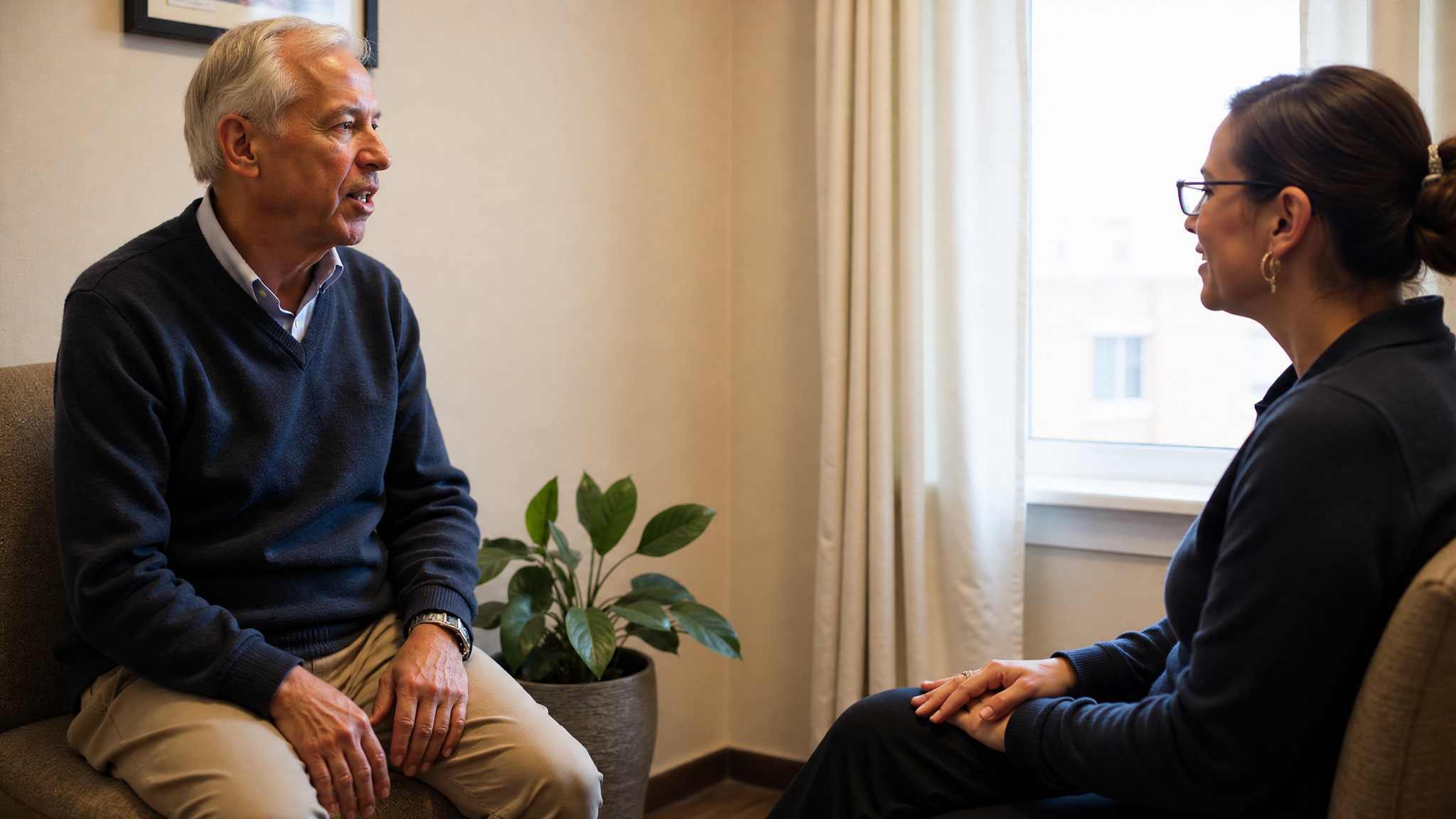
Rebuilding a sense of balance after retirement starts by keeping a consistent routine. Fixed wake times, meals, and daily structure give you the anchors work used to provide. Staying socially connected matters too, since social isolation can deepen distress after the retirement transition. Reach out to family, friends, or community groups to replace lost workplace relationships. Regular physical activity helps as well; aim for about 150 minutes a week to support both body and mind. Adding purposeful activities like hobbies, volunteering, or learning something new can restore the meaning work once gave you. These coping strategies won’t erase every hard day, but if symptoms persist for two weeks or longer, professional support can make a real difference. Therapy techniques for divorce recovery can provide valuable tools to navigate emotional challenges. Engaging in these approaches helps individuals find closure and rebuild their self-esteem.
Why Does Retirement Trigger Mental Health Struggles
Retirement triggers mental health struggles because it removes more than just your job, stripping away the very things that gave your days meaning. If you’re struggling, know that you’re not alone, and these feelings make sense.
Retirement takes more than your job, it takes the meaning that shaped your days. If you’re struggling, you’re not alone.
Several factors can worsen your mental health right after retiring:
- Loss of daily structure removes the routine, goals, and time anchors that once organized your day.
- Loss of identity occurs when work has defined your purpose, status, and sense of self.
- Social isolation can follow when workplace relationships and peer support suddenly disappear.
- Financial insecurity can intensify stress during this vulnerable period.
Unplanned or mandatory retirement raises your risk too. Understanding these triggers helps you address them directly and compassionately.
What Are the Common Emotional Challenges of Retiring

The common emotional challenges of retiring show up in your daily life as persistent sadness, an unexpected emptiness, or a nagging sense that you’ve lost your footing. Retirement identity loss often hits hardest when work defined your purpose, while social isolation creeps in after workplace friendships fade. These shifts can bring depressive symptoms you didn’t anticipate.
| Emotional Challenge | How It Feels | Common Trigger |
|---|---|---|
| Identity loss | Purposelessness | Leaving your career |
| Social isolation | Loneliness | End of peer contact |
| Depressive symptoms | Sadness, withdrawal | Lost routine |
Recognizing these feelings isn’t weakness, it’s awareness. Naming what you’re experiencing is the first step toward addressing it and reclaiming your sense of stability. Overcoming anxiety after car accidents can be a challenging journey. Seeking professional help can provide you with the tools necessary to navigate your emotions.
How Do You Build Routine and Purpose After Work
You build routine and purpose after work by rebuilding a consistent daily structure and finding new sources of meaning. Rebuilding a consistent routine gives your days shape again, restoring the anchors that work once provided. Just as importantly, finding new purpose replaces the meaning your job supplied, and staying connected guards against the isolation that often deepens distress. Consider these evidence-based steps:
- Set fixed times for waking, meals, and chores to steady your rhythm.
- Aim for 150 minutes of physical activity each week.
- Add purposeful pursuits like volunteering, hobbies, or learning something new.
- Schedule regular contact with family, friends, or community groups.
These small commitments won’t feel automatic at first, but they gradually rebuild the structure and belonging you deserve.
How Do Connection and Community Protect Your Mental Health

Connection and community protect your mental health by filling the social gap that retirement often leaves behind. When work ends, you lose the informal peer support and daily contact that once anchored your days. That’s why withdrawal is such a common warning sign, and why staying connected matters so much.
Reaching out to family, friends, or community activities helps buffer the identity loss that retirement can trigger. When work no longer defines you, relationships offer new sources of purpose, belonging, and recognition. You’re not replacing your career; you’re rediscovering who you are beyond it.
If you live alone or feel isolated, your risk of distress rises. So schedule regular contact, join a group, or volunteer. These connections aren’t just pleasant, they’re genuinely protective.
What Lifestyle Habits Support Wellbeing in Retirement
Lifestyle habits that support wellbeing in retirement include structuring your days with intention, since how you spend your time shapes your wellbeing. When work no longer anchors your time, building intentional habits helps replace lost routine and purpose. You don’t need a rigid schedule, just steady rhythms that give each day shape and meaning.
Consider weaving these evidence-backed habits into your week:
- Keep a consistent routine with fixed wake times, meals, and daily tasks.
- Move regularly, aiming for at least 150 minutes of physical activity each week.
- Pursue purposeful activities like hobbies, volunteering, or learning something new.
- Protect your sleep by noticing changes such as insomnia or oversleeping.
These small, repeatable choices restore structure and goals that work once provided. If low moods persist beyond two weeks, reach out for support. Strategies for coping with empty nest can help individuals navigate this transitional phase more effectively. Engaging in new hobbies or reconnecting with old friends can create a fulfilling routine.
When Should You Seek Professional Help
You should seek professional help if your symptoms persist for two weeks or more, or start interfering with your daily life. Watch for warning signs like persistent sadness, hopelessness, irritability, sleep changes, loss of interest in things you once enjoyed, or withdrawal from the people around you. Trouble concentrating or making decisions can also signal something deeper. The good news is that depression after retirement is both preventable and treatable, even when psychological, biological, and social factors overlap. Talking to your doctor or a mental health professional isn’t a sign of weakness, it’s a practical, effective step toward feeling like yourself again.
Conclusion
Retirement is often pictured as pure freedom, but for many it brings unexpected struggles with identity, purpose, and mood. Losing routine, work relationships, and a sense of contribution can lead to sadness, anxiety, or depression. Building new structure, connections, and meaningful activities eases the transition, and support or therapy can help when the adjustment feels overwhelming. Retirement can become a fulfilling new chapter with the right support.
Find Support Through Life’s Hardest Moments
Grief, illness, and major life transitions can bring depression and anxiety that feel too heavy to carry alone. Through National Mental Health Support serving Fishkill, NY, we connect you with licensed mental health counselors who provide the right Trauma Therapy and compassionate support for your healing. Call +1 (844) 435-7104 today and take the first step toward healing.
Frequently Asked Questions
Does Retirement Always Worsen Mental Health, or Can It Help?
No, retirement doesn’t always worsen your mental health, it can actually help. A large review of over 557,000 people found retirement may reduce depression risk by nearly 20% for many folks, relieving work-related stress. But outcomes vary. For some, you might face declines tied to lost routine, identity, or social contact. It really depends on your timing, circumstances, and support. Both experiences are valid, and you’re not alone in navigating this.
Are Retirees More Likely to Be Depressed Than Workers?
It’s mixed, so you don’t need to assume the worst. Some studies show retirees experiencing more depression than workers, especially with risk factors like living alone, financial strain, or a prior history of depression. But a large meta-analysis of over 557,000 people actually found retirement lowered depression risk by nearly 20%. So your outcome really depends on your circumstances, and with the right support, you can protect your mental health.
How Long Does Post-Retirement Mental Health Decline Typically Last?
You’re looking at roughly six years on average, since research tracks a 6%, 9% decline in mental health over that post-retirement period. But here’s what’s reassuring: this isn’t a fixed sentence. Your experience depends on your routine, social connections, and support. Many people actually feel relief after leaving work stress. If your symptoms persist for two weeks or more, reach out for help, depression’s both preventable and treatable.
Does Mandatory or Unplanned Retirement Raise Depression Risk More?
Yes, mandatory or unplanned retirement is identified as a risk factor for depression. When you don’t choose the timing yourself, you lose control over a major life transition, which can intensify distress. You might feel blindsided, without time to prepare emotionally or financially. If this sounds like you, please know it’s treatable and preventable. Staying connected, keeping a routine, and reaching out for support can really help you through this.
Can Financial Insecurity in Retirement Trigger Depression or Anxiety?
Yes, financial insecurity can absolutely trigger depression or anxiety in retirement. When money feels tight, that stress can intensify during your transition, and financial strain shows up repeatedly in the research as a real contributor to distress. But you’re not powerless here. Keeping a consistent routine, staying socially connected, and reaching out for professional support if symptoms linger two weeks or more can genuinely help you feel steadier again.