


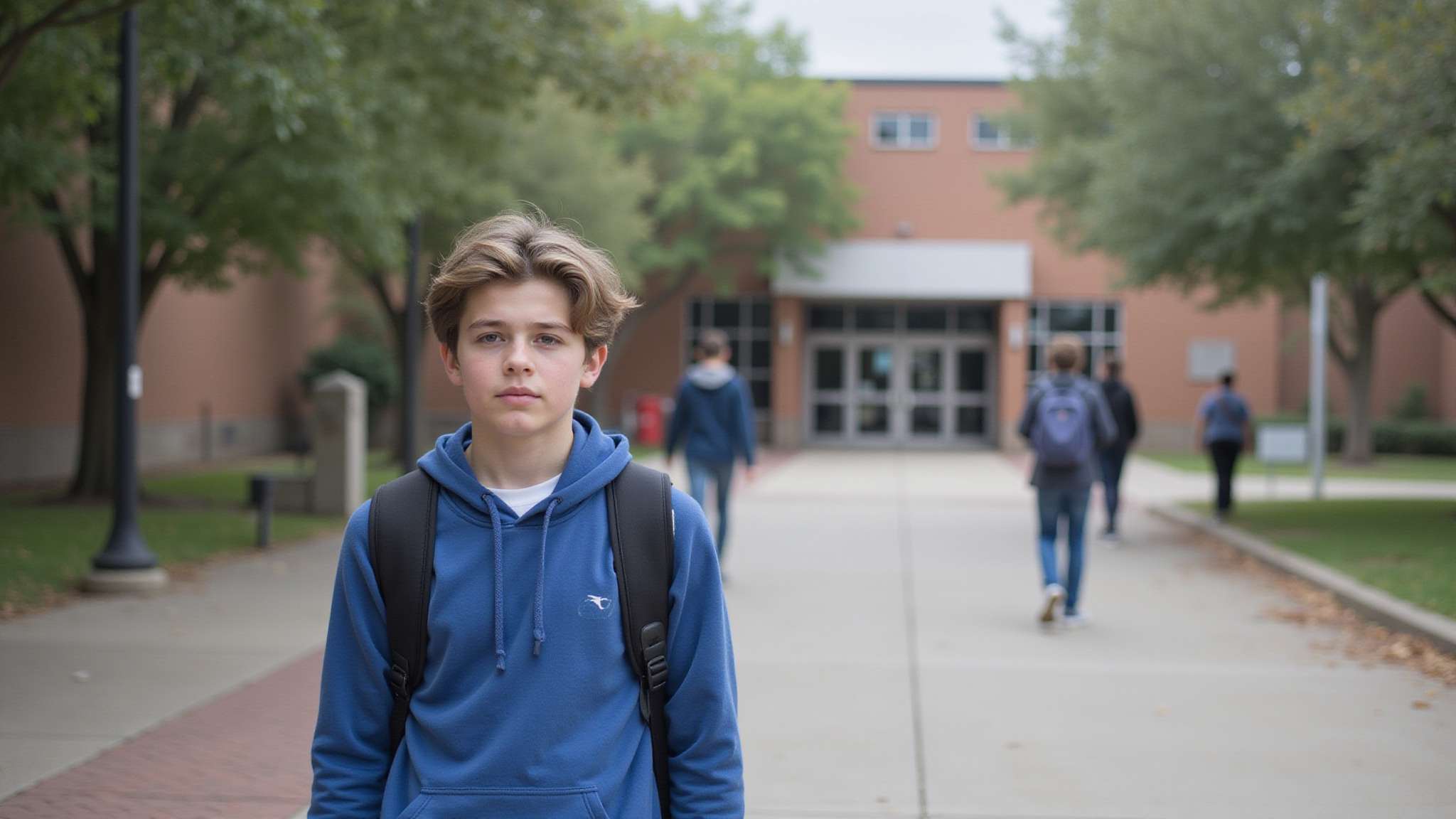

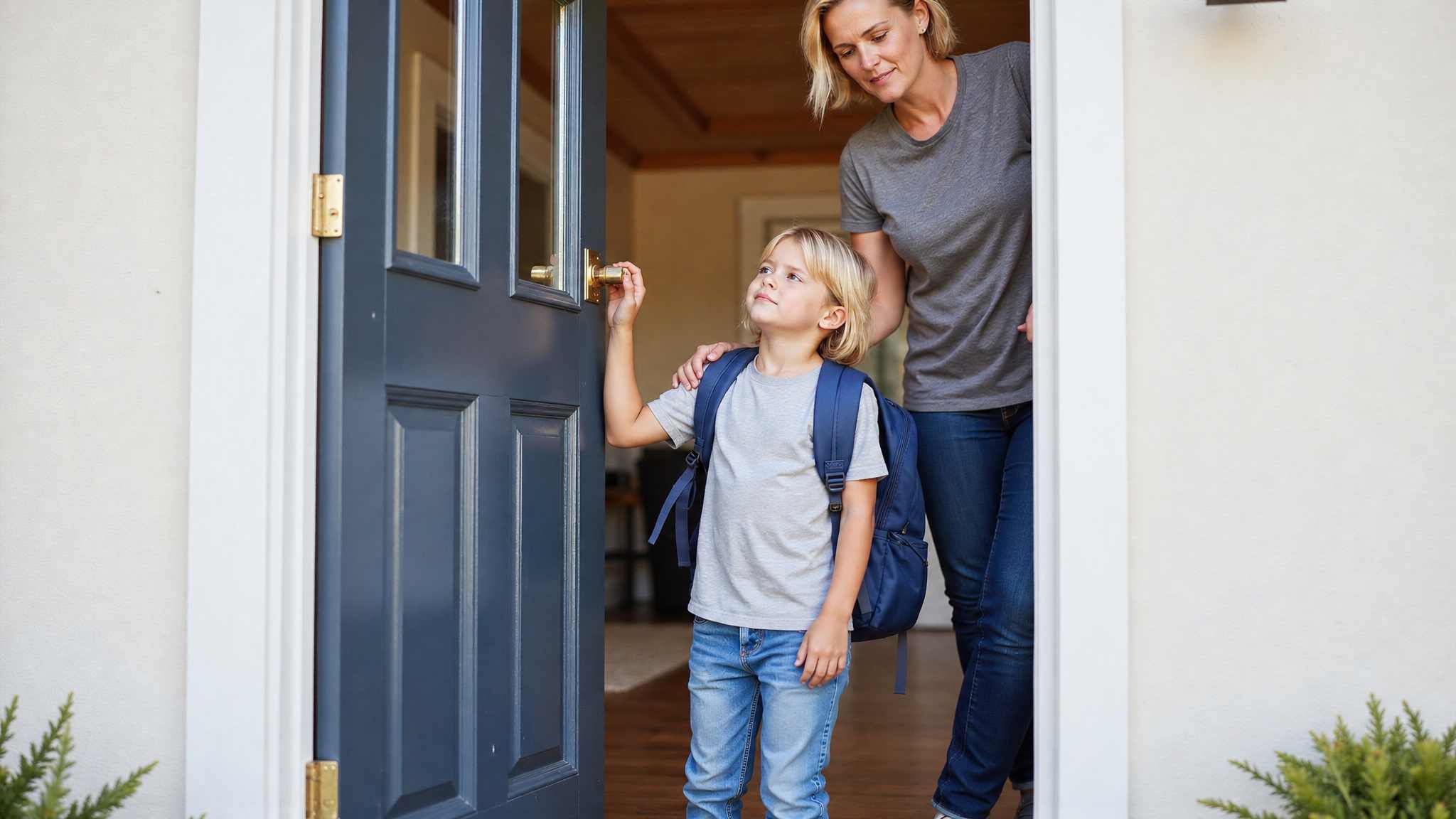









When your child refuses school, recognize it’s fear, not defiance. Stay calm on hard mornings, your worry amplifies theirs. Validate their feelings without abandoning the plan to attend, using short, steady statements. Watch for warning signs like stomachaches, Sunday-night dread, or clinginess. Reach out early to school staff and agree on a gradual, step-wise return with supports in place. Seek professional help if things worsen. Understanding what’s really happening changes everything you’ll do next.
Key Takeaways
- Recognize school refusal as fear-based anxiety, responding with empathy and support rather than punishment or shame.
- Identify triggers like bullying, academic pressure, or separation anxiety, noting the hardest points of the day.
- Stay calm each morning, validate feelings, and use short statements while maintaining consistent routines and clear expectations.
- Collaborate early with school staff to agree on a graded, step-wise return with supports like a safe space or peer buddy.
- Seek professional help if symptoms persist or worsen, keeping records of attendance, triggers, symptoms, and contacts.
How Can Parents Help With School Refusal Anxiety
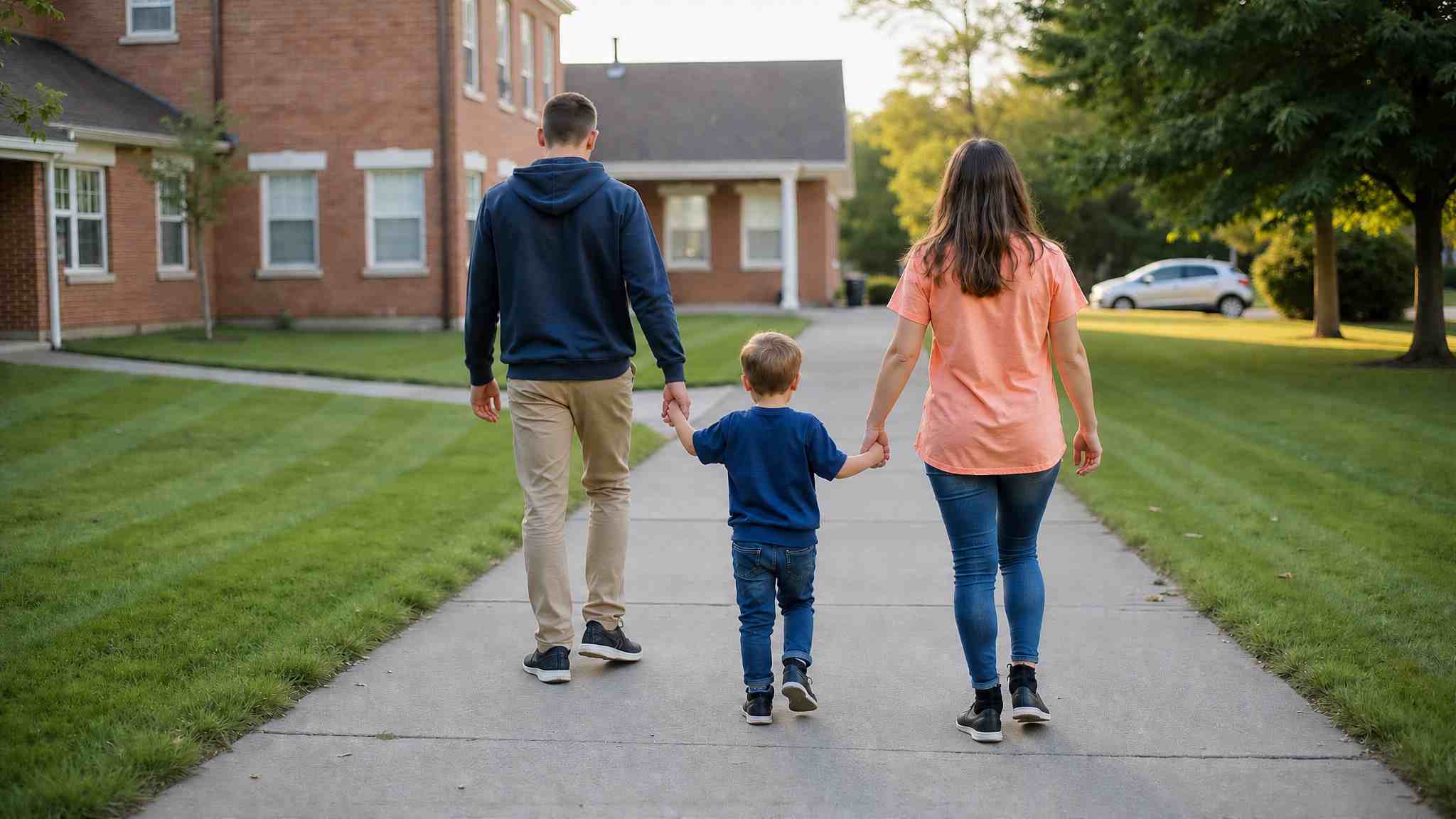
Parents can help with school refusal anxiety by recognizing the anxiety and responding with calm, empathy, and clear expectations. Listen to their reasons for avoiding school and look for triggers like bullying, academic pressure, peer problems, or fear of failure. Stay patient and supportive, because visible worry or frustration can heighten distress. Validate their feelings without dismissing them, while still maintaining the expectation that they’ll attend. Helping a resistant teen with therapy can also provide them with tools to express their emotions and manage anxiety. Engaging in activities they enjoy can foster a stronger therapeutic alliance and encourage openness.
Avoid arguments, shame, or minimizing language, since a shame cycle makes school refusal harder to resolve. Instead, use clear, calm statements that communicate attendance is expected and that adults will work together on a plan. These parental strategies help your child feel understood while reducing the anxiety that fuels avoidance.
What Is School Refusal and How Is It Different From Truancy
School refusal is anxiety-driven avoidance, and that’s what makes it fundamentally different from truancy. Your child isn’t skipping school for fun or defiance. They’re distressed by something they genuinely fear, whether it’s academic pressure, bullying, or separation worries. Understanding this distinction shapes your parenting response and the type of intervention that actually helps.
| School Refusal | Truancy |
|---|---|
| Rooted in anxiety or fear | Often about avoiding rules |
| Child usually stays home, parents aware | Child hides absence from parents |
| Emotional distress present | Distress typically absent |
| Responds to support and gradual return | Responds to structure and accountability |
When you recognize the avoidance as fear-based, you can respond with empathy rather than punishment, and you’ll choose strategies that address the underlying anxiety driving your child’s behavior. What happens in play therapy often reveals the emotions and thoughts a child may not be able to express verbally. This approach allows for creative expression, enabling the child to process their feelings in a safe environment.
What Causes Anxiety-Driven School Refusal

Anxiety-driven school refusal is caused by a mix of factors that overwhelm your child’s ability to cope, rather than one single trigger.
Common triggers include bullying, peer problems, and social exclusion. Academic pressure and fear of failure can make the classroom feel threatening, especially for children who worry about getting things wrong. Some children struggle with specific parts of the day, such as the bus ride, arrival, or unstructured breaks.
Separation anxiety, transitions between schools, and family stress can also play a role. Undiagnosed learning needs or sensory difficulties may add to the strain.
When you identify these triggers, you can respond with targeted, compassionate support.
What Are the Warning Signs Your Child Is Struggling
Warning signs your child is struggling include physical complaints, mood changes, and behaviors that intensify around school-related moments. Children rarely say “I’m anxious.” Instead, they show you through behavior, mood, and physical complaints. Pay attention to what happens on Sunday nights, weekday mornings, and after school, since patterns often reveal the underlying distress more clearly than words do. Quiet signs of teen depression can be subtle yet telling. These signs might manifest as withdrawal from friends or activities that once brought joy. Being aware of such changes can lead to earlier interventions and support for your teen’s mental health.
Children rarely say “I’m anxious.” Instead, they show you through behavior, mood, and physical complaints.
- Frequent physical complaints like stomachaches or headaches that ease when staying home
- Tearfulness, clinginess, or irritability that spikes before school
- Trouble sleeping, especially Sunday nights or before school days
- Repeated pleas to stay home, negotiate late arrivals, or leave early
- Withdrawal from friends, activities, or conversations they once enjoyed
Notice these shifts, and you can respond sooner.
How Do You Respond in the Moment on Difficult Mornings

Your first job on difficult mornings is to stay calm when your child’s crying, clutching the doorframe, or complaining of a stomachache. Your visible worry or frustration only amplifies their distress, so keep your voice steady and your expectations clear. Validate what they’re feeling, “I can see you’re scared,” without dismissing it or abandoning the plan to attend. Avoid arguments, shame, or long negotiations, which reinforce avoidance and deepen the shame cycle. Instead, use short, calm statements: “School’s expected today, and we’ll get through this together.” Keep mornings structured with consistent routines, and don’t make staying home more appealing than going. If anxiety-driven symptoms appear without a genuine medical issue, gently encourage attendance. Lean on agreed supports, like a pastoral contact or safe space, to ease the transition.
How Do You Work With the School on a Return Plan
Working with the school on a return plan starts by reaching out as early as possible, connecting with the class teacher, tutor, pastoral lead, principal, school nurse, or SENCO. You can’t solve school refusal alone, and you shouldn’t try to. Together, you can identify patterns, triggers, and the specific points in the day that feel hardest for your child. Approach this as teamwork, sharing concerns promptly and building a plan you all commit to.
You can’t solve school refusal alone, and you shouldn’t try to, reach out early and build a plan together.
- Ask staff to pinpoint which moments, arrival, lessons, or breaks, cause the most distress.
- Agree on a graded, step-wise return rather than expecting a full day immediately.
- Set up supports like a peer buddy, safe space, or time-out card.
- Confirm strategies in writing and follow up by email.
- Arrange a check-in date to review progress.
When Should You Seek Professional Help
Seek professional help when empathy, structure, and a solid school plan aren’t enough. If avoidance persists or worsens despite your efforts, arrange a GP or pediatrician visit, especially when anxiety brings persistent physical complaints like headaches or stomachaches. These often signal distress that needs closer attention.
Ask for a referral to a child psychologist, psychiatrist, or other mental health professional when worries feel unmanageable. If you suspect additional needs, request an assessment for SEND/SEN concerns. And when wider family stress or conflict adds to the problem, consider family counseling.
Keep a written record of attendance patterns, triggers, symptoms, and school contacts. This diary helps professionals see the full picture and tailor support to your child’s needs.
Conclusion
School refusal anxiety is distressing for children and parents alike, but it is a recognised, treatable form of anxiety rather than simple defiance. Understanding the underlying fears, working closely with the school, keeping calm and consistent routines, and encouraging a gradual return all help. Professional support can address the anxiety directly and stop avoidance from taking hold. With patience and teamwork, most children return to school and their confidence grows.
Get the Right Support for Your Teen or Child
Supporting a teen or child through mental health struggles takes patience, care, and expert guidance for the whole family. Through National Mental Health Support serving Wappingers Falls, NY, we connect you with licensed mental health counselors who provide the right Individual Therapy and compassionate support for young clients. Call +1 (844) 435-7104 today and take the first step toward healing.
Frequently Asked Questions
How Long Does School Refusal Usually Take to Resolve?
There’s no fixed timeline, it really depends on your child’s triggers, how early you act, and the support you put in place. Some children improve within weeks, while others need months of gradual steps. You’ll likely see faster progress when you catch it early, work closely with school, and reduce avoidance at home. Stay patient and consistent. If things aren’t improving, don’t wait, reach out to your GP or a mental health professional.
Should Siblings Be Told About My Child’s School Refusal?
Yes, but keep it simple and shame-free. You can tell siblings that their brother or sister is finding school hard right now and that everyone’s working together on a plan. Avoid blaming or making it a big drama, since that can deepen the shame cycle. Ask siblings not to tease or interrogate, and reassure them you’re handling it. Keeping things calm and matter-of-fact helps protect your child’s confidence and family harmony.
Can Changing Schools Help Solve School Refusal Anxiety?
Changing schools rarely solves school refusal on its own, because the underlying anxiety usually travels with your child. First, work to identify the triggers, bullying, academic pressure, or fear of failure, and address them with the current school’s support. If you’ve genuinely exhausted those options, or there’s serious unresolved bullying, a move might help. But pair any change with a gradual return plan and professional guidance to tackle the root anxiety.
Will My Child Fall Behind Academically Because of Absences?
Yes, missed lessons can create gaps, but you can prevent your child from falling seriously behind. Contact the school early and ask staff to identify key work and provide catch-up support. Consider a step-wise return that gradually increases classroom time, so learning rebuilds alongside confidence. Keep calm routines at home and encourage manageable tasks. With teamwork between you, the school, and your child, academic recovery is genuinely achievable.
How Do I Cope With My Own Stress During This?
You cope by staying calm and looking after yourself, because your child picks up on visible worry or frustration. Model the coping skills you’re teaching them, use mindfulness or calming routines around difficult moments. Share the load with school staff and your partner rather than solving everything alone. When it feels unmanageable, reach out for professional support or family counseling. You’re not failing; you’re building a team around this.