









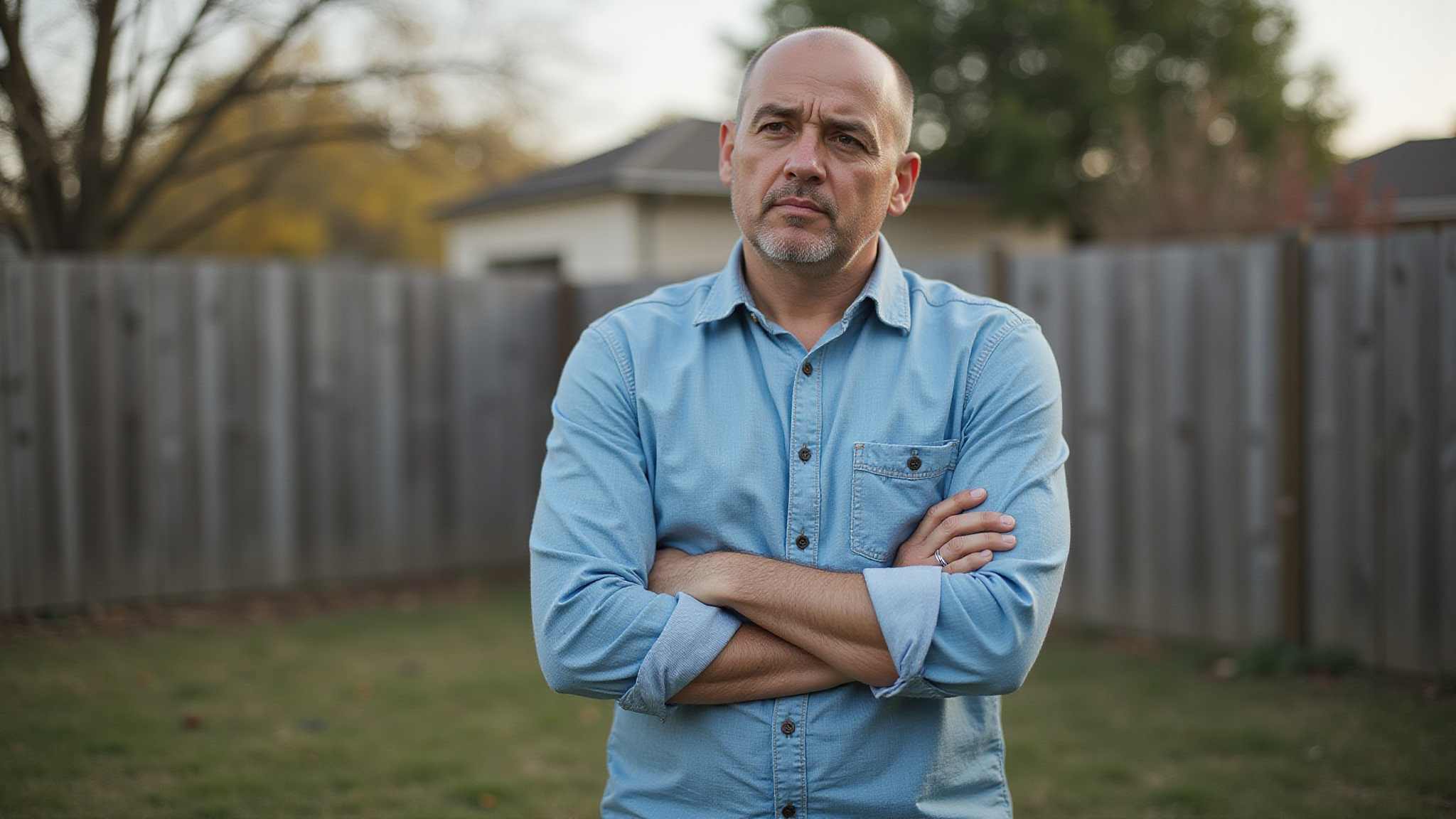






Counseling gives you a structured space to process a hard divorce when your coping skills feel stretched thin. You’ll work through grief, anger, guilt, and self-blame in a confidential setting, naming difficult feelings early before they drive reactive arguments. A therapist helps you make sense of conflicting emotions, reduce rumination, and map the layered losses you’re facing. From here, you’ll see how therapy rebuilds your confidence and steadies your next chapter.
Key Takeaways
- Therapy offers a confidential, structured space to process grief, anger, guilt, and self-blame when coping skills feel stretched thin.
- Counseling helps you move through emotional stages, shock, anger, grief, guilt, and acceptance, toward stability and renewed identity.
- CBT reframes dysfunctional thoughts with 70 to 75% reported success, while EMDR and trauma-informed care address destabilizing distress.
- Family systems therapy supports co-parenting and wider dynamics, and talk therapy builds a forward plan and understanding.
- Practical strategies include naming anger early, journaling triggers, maintaining routine, and reaching out to interrupt isolation.
How Does Therapy Help You Cope With Divorce as an Adult

Therapy helps you cope with divorce as an adult by giving you a structured space to process the emotional impact of separation when your usual coping skills feel stretched thin. You’ll work through grief, anger, guilt, and self-blame in a confidential setting, making sense of conflicting emotions and reducing rumination. Divorce coping improves as you name difficult feelings early and identify the patterns driving reactive anger or repeated arguments.
Different therapy approaches target different needs. CBT helps you spot dysfunctional thoughts and replace them with realistic ones, supporting emotional recovery with reported 70 to 75% success rates. Trauma-informed care and EMDR address distress when separation feels destabilizing, and family systems therapy addresses co-parenting and wider dynamics.
Together, you’ll rebuild confidence, clarify your identity, and plan your next chapter with steadier footing.
What Emotional Stages and Impact Do Adults Face in Divorce
Adults face a cluster of emotions during divorce that rarely arrive in a neat order. You might feel grief one hour, anger the next, then guilt or confusion by evening. Understanding common emotional stages helps you make sense of what’s happening inside your nervous system, rather than treating each wave as a personal failure.
| Emotional Stage | Common Impact |
|---|---|
| Shock | Numbness, disbelief, difficulty focusing |
| Anger | Reactive conflict, blame, tension |
| Grief | Sadness, rumination, sense of loss |
| Guilt/Shame | Self-blame, withdrawal, low confidence |
| Acceptance | Stability, forward planning, renewed identity |
Divorce grief doesn’t move in a straight line, and you may revisit stages repeatedly. Counseling gives you coping strategies to process each stage and stabilize your daily functioning.
How Does Therapy Help You Process the Loss

Therapy helps you process the loss by giving your grief a structured container, helping you name what’s actually gone and separate present pain from old wounds. Divorce rarely takes just one thing from you. Together, you and your therapist map the layered losses feeding your distress:
- The shared future you’d pictured, now quietly dismantled
- The daily rhythms and routines that anchored your identity
- The extended relationships and friendships shifting or falling away
- The version of yourself who felt certain and secure
Seeing these clearly makes coping deliberate rather than reactive. Your therapist helps you process each loss without rushing, reducing rumination and self-blame. You’re not erasing the grief, you’re integrating it into a workable next chapter.
What Types of Therapy Work Best for Divorce
The therapies that work best for divorce depend on what’s actually driving your distress, since no single approach fits every situation. If dysfunctional thoughts and self-blame keep looping, CBT can help you identify those patterns and replace them with healthier, more realistic ones. When the separation feels traumatic or destabilizing, trauma-informed care and EMDR offer targeted support for processing that distress. If children and co-parenting sit at the center, family systems therapy addresses the wider dynamics shaping your interactions. For many people, talk therapy provides space to make sense of what happened and build a forward plan.
Think of this life transition as a system with moving parts, emotional, relational, and practical. Matching the therapy to your specific pressure points gives your recovery the structure it needs.
What Coping Strategies Support You Through It

Coping strategies that support you include naming anger early, postponing difficult conversations, tracking your triggers, and reaching out to others. Between appointments, you’re the one regulating your own load, and small, repeatable actions carry that weight.
- Naming anger early, feeling it rise, then pausing before words escalate into another heated exchange
- Postponing a difficult conversation when you’re flooded, returning once your nervous system settles
- Writing down triggers, emotions, and physical sensations, watching patterns surface across pages
- Reaching out to friends, family, or a group, letting connection interrupt isolation
These aren’t extras layered onto treatment; they’re the mechanisms that hold you steady. Maintain routine, protect rest, and reduce your stress load, and your mood stabilizes through the adjustment period.
How Do You Rebuild Your Life and Identity Afterward
You rebuild your life and identity after divorce by separating your sense of self from the relationship structure that once defined it. When a marriage ends, you lose more than a partner. You lose the version of yourself that marriage organized your life around. In counseling, you’ll work to rebuild confidence and a sense of self outside the marriage, examining which roles, values, and routines still fit and which you’re free to redefine.
Together with your therapist, you’ll create a plan for the next chapter, addressing both practical and emotional adjustment. Maintaining routine, rest, and a reduced stress load stabilizes your mood while you rebuild. CBT can help you replace self-blaming thoughts with realistic ones, loosening old patterns. This forward-focused work reframes divorce not as an ending, but as a restructuring point.
How Do You Find a Therapist for Divorce Recovery
Find a therapist for divorce recovery by matching your needs to the support available. Consider what you’re working through, grief, co-parenting conflict, or trauma, then look for approaches that fit. CBT targets self-blame and dysfunctional thinking, while family systems therapy addresses co-parenting and wider dynamics. Trauma-informed care or EMDR may help if separation feels destabilizing.
Weigh your access options carefully:
- In-network therapists through your health insurance, usually a $20 to $50 copay per session
- Private therapists paying out of pocket, typically $100 to $200 per session, often with the shortest waits
- Community mental health centers and university clinics, offering free or low-cost care
- Employee Assistance Programs, providing a few free, confidential sessions
After shortlisting candidates, check their divorce-recovery experience and confirm the fit feels right before committing.
Conclusion
Divorce is one of life’s most stressful experiences, and the emotional fallout, grief, anger, fear, and loss of identity, can be as hard as the practical challenges. Counseling offers a supportive space to process these feelings, rebuild confidence, and adjust to life after divorce. Leaning on trusted people, caring for your basic wellbeing, and seeking professional support all ease the journey. With time and help, life after divorce can become stable and hopeful again.
Find Support Through Life’s Hardest Moments
Grief, illness, and major life transitions can bring depression and anxiety that feel too heavy to carry alone. Through National Mental Health Support serving Fishkill, NY, we connect you with licensed mental health counselors who provide the right Trauma Therapy and compassionate support for your healing. Call +1 (844) 435-7104 today and take the first step toward healing.
Frequently Asked Questions
How Much Does Divorce Counseling Typically Cost in the US?
You’ll typically pay $100 to $200 per session for private divorce counseling in the US, though rates range from about $75 to $250 depending on your location and the therapist’s credentials. With health insurance, you’ll often pay just a $20 to $50 copay, since mental health parity laws require most plans to cover therapy. If cost is a barrier, lower-cost options include community mental health centers, university training clinics, nonprofit low-cost therapy networks that often charge $40 to $70 per session, and online counseling. Many therapists also offer sliding-scale fees based on your income.
Is Free or Low-Cost Divorce Support Available?
Yes, free and low-cost divorce support is widely available in the US. Community mental health centers funded by county or state governments offer free or reduced-fee counseling based on income, and university training clinics provide low-cost therapy with supervised trainees. Free divorce recovery support groups are often hosted by community centers, hospitals, and houses of worship, giving you peer support at no charge. If you are employed, your Employee Assistance Program may also cover a few free counseling sessions.
How Long Does It Take to Start Therapy After Reaching Out?
Timelines vary by provider and demand. With a private therapist or an online counseling service, you can often get a first appointment within a few days to two weeks, especially when paying out of pocket or using teletherapy. Lower-cost options such as community mental health centers and university clinics can have longer waitlists, sometimes several weeks, because demand is high. If your distress feels urgent, do not wait it out; reach out to a crisis line or your doctor, and consider bridging the gap with an Employee Assistance Program or a support group while you wait for ongoing care.
When Should I Seek Urgent or Crisis Support?
Seek urgent help right away if you are having thoughts of self-harm or suicide, since these signal an immediate need for professional support. In the US, you can call or text 988 to reach the Suicide and Crisis Lifeline, which is free, confidential, and available 24 hours a day, or go to your nearest emergency room. It is also worth acting quickly if you notice increased alcohol or drug use, severe sleep disruption, or an inability to function at work or care for your children. You are not alone, and help is always available.
Can My Employer Provide Free Confidential Counseling Sessions?
Yes, many US employers offer Employee Assistance Programs, or EAPs, that provide free, confidential counseling, typically three to eight sessions per issue each year at no cost to you. You can usually access them directly by calling the EAP line, often without involving your manager, and your privacy is protected. Check your benefits portal, HR intranet, or employee handbook to see what is available. These sessions can help you process the emotional impact of your separation and build coping strategies, and your EAP counselor can refer you to ongoing in-network care once the free sessions are used.