







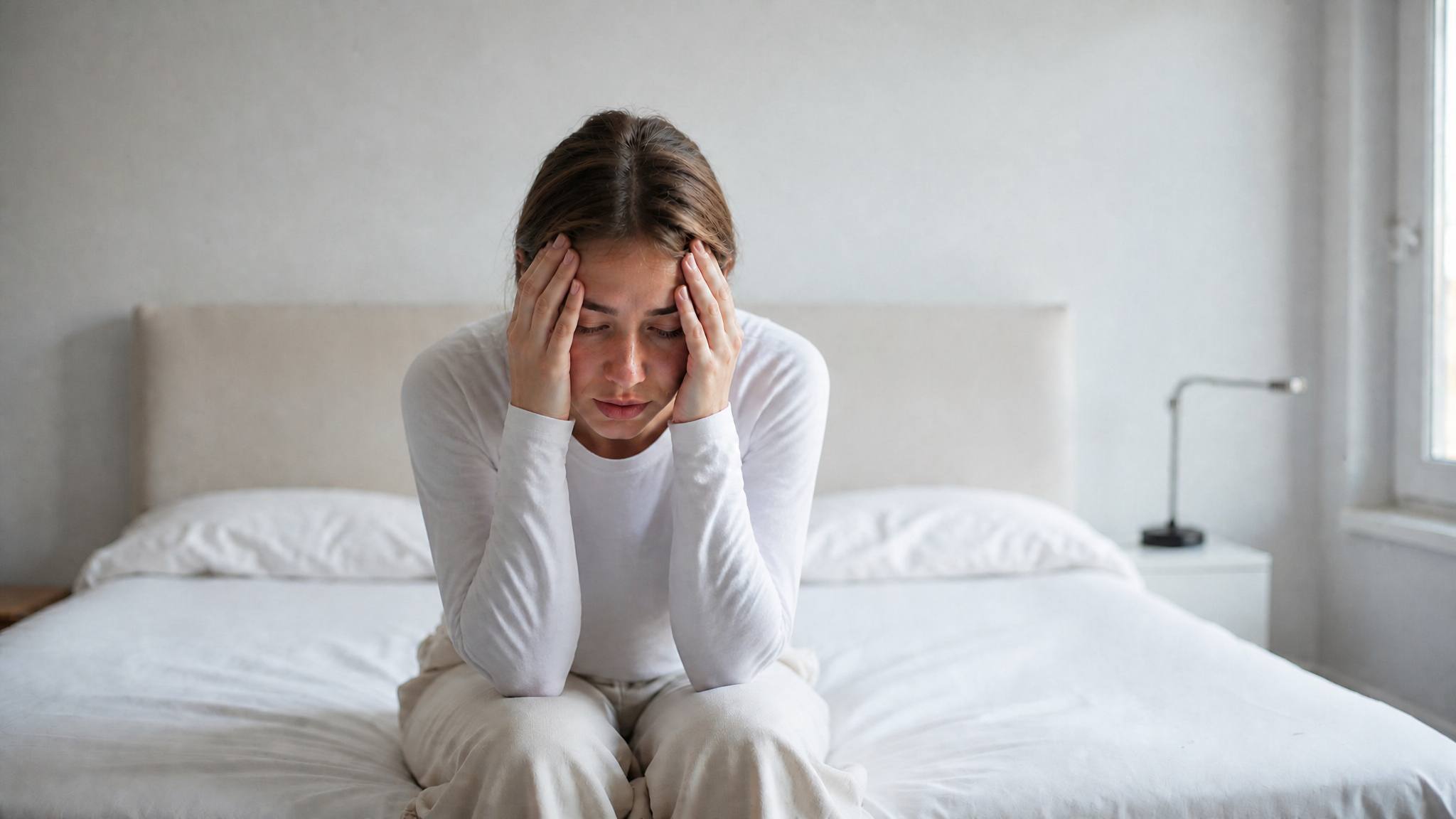


You can’t fall asleep because exhaustion and sleepiness run on separate systems. You might feel physically drained while your brain stays locked in hyperarousal, keeping your sympathetic nervous system dominant. This elevates your heart rate, cortisol, and mental activity, so sleepiness can’t override the alert state. Worry about not sleeping compounds the problem, feeding a feedback loop. Understanding what’s driving your restlessness is the first step toward reclaiming your nights.
Key Takeaways
- Sleep pressure and arousal are separate systems, so exhaustion can coexist with a heightened alert state called hyperarousal.
- Worrying about not sleeping creates a feedback loop, raising performance anxiety that makes falling asleep even harder.
- Being tired reflects physical or mental fatigue, while being sleepy reflects the homeostatic drive that actually initiates sleep.
- A disrupted body clock can leave you exhausted at the wrong hour, especially with irregular schedules or late blue-light exposure.
- Caffeine, evening screen use, late naps, and conditions like sleep apnea all undermine sleep pressure or fragment rest.
Why Can’t You Sleep Even When Exhausted

Sleep pressure and arousal operate as separate systems, which is why you can lie awake despite feeling completely drained. Even when exhaustion builds, your brain can stay locked in a heightened alert state. This condition, called hyperarousal, keeps your sympathetic nervous system dominant, elevating heart rate, cortisol, and mental activity despite physical fatigue.
Sleep anxiety compounds the problem. When you worry about not sleeping, you trigger a feedback loop that increases arousal the longer wakefulness continues. Trying harder to sleep only raises performance anxiety, making sleep onset more difficult.
Circadian disruption adds another layer. When irregular schedules, late light exposure, or shift work misalign your internal clock, you feel tired at the wrong hour, exhausted, yet biologically unready for sleep.
What Is the Difference Between Tired and Sleepy
The difference between tired and sleepy is that tired reflects physical or mental fatigue while sleepy reflects your homeostatic drive to sleep. Being tired means your muscles ache, your concentration fades, and your energy drops. Being sleepy reflects your homeostatic drive to sleep, marked by heavy eyelids and difficulty staying awake. These are separate systems. You can feel profound fatigue while your arousal system stays elevated, keeping you alert and unable to initiate sleep. This mismatch explains a core feature of insomnia: high sleepiness doesn’t guarantee sleep onset if arousal remains high. When you recognize this difference, you can target the right problem. Improving sleep hygiene addresses habits that weaken your sleep drive, while reducing hyperarousal addresses the alertness blocking sleep despite overwhelming exhaustion.
How Do Stress and Anxiety Keep You Awake
Stress and anxiety keep you awake by activating your sympathetic nervous system and flooding your body with cortisol and adrenaline. These stress hormones lock your body into fight-or-flight mode, keeping your heart rate and mental activity elevated despite physical exhaustion. Racing thoughts about work, family, or tomorrow maintain this wakefulness. Worse, worrying about not sleeping creates a feedback loop that intensifies arousal the longer you lie awake.
| Trigger | Physiological Effect | Result |
|---|---|---|
| Chronic stress | Elevated cortisol | Persistent alert mode |
| Acute anxiety | Adrenaline surge | Increased heart rate |
| Racing thoughts | Sympathetic dominance | Delayed sleep onset |
| Sleep worry | Performance anxiety | Reinforced wakefulness |
Because arousal and sleep pressure operate separately, high sleepiness won’t override this heightened alert state until you reduce it.
How Does a Disrupted Body Clock Prevent Sleep
A disrupted body clock prevents sleep by misaligning your internal timing from your natural sleep drive, leaving you exhausted at the wrong hour. Your body clock, or circadian rhythm, governs when you feel alert and when you feel sleepy. Irregular sleep schedules, late nights, shift work, and jet lag can desynchronize your internal timing from your natural sleep drive. When this happens, you might feel physically drained yet unable to fall asleep, because your brain isn’t signaling that it’s time for rest.
Light exposure plays a central role. Too little daytime light weakens your nighttime sleep timing, while too much evening screen time delays your sleep signal by disrupting normal nighttime biology. If your sleep timing stays misaligned, you’ll keep experiencing tiredness at the wrong hour, leaving your body exhausted but not ready to sleep.
What Habits and Conditions Are Sabotaging Your Rest

Several daily habits and underlying conditions can actively sabotage your rest. Caffeine blocks adenosine, the chemical that builds sleepiness, so afternoon or evening consumption reduces your sleep pressure by bedtime. Blue light from phones, laptops, and televisions suppresses melatonin, delaying your sleep signal. Long or late naps weaken your homeostatic sleep drive, while heavy or late meals trigger discomfort and reflux that postpone sleep onset. Medical conditions matter too. Obstructive sleep apnea and restless legs syndrome fragment your sleep, leaving you fatigued day and night. Underlying health issues and certain medications can also interfere with falling asleep. When these problems persist or become severe, they warrant medical evaluation, since sleep disorders often require targeted diagnosis and treatment.
How Do You Break the Cycle and Fall Asleep
Break the cycle by addressing the hyperarousal that keeps you awake despite exhaustion. Because sleep pressure and arousal operate as separate systems, you can’t rely on fatigue alone, you have to lower the arousal. If you’ve spent nights failing to sleep in bed, you’ve likely conditioned your brain to associate the bed with wakefulness. Get up when you can’t sleep, and return only when drowsy, so you rebuild that association. Stop trying harder, since effort raises performance anxiety and sympathetic activation. Stabilize your circadian rhythm with consistent wake times, morning daylight, and reduced evening screen exposure. Cut afternoon caffeine and long naps to protect sleep drive. When these problems persist, pursue CBT-I, which directly targets hyperarousal and the maladaptive habits sustaining insomnia.
When Should You Seek Help for Sleeplessness
You should seek help for sleeplessness when your sleep problems become chronic or severe, because self-directed strategies often aren’t enough. Persistent insomnia can signal an underlying condition that requires medical assessment, particularly when symptoms disrupt daytime functioning or resist basic sleep-hygiene changes.
Consider seeking help when you notice:
- Chronic patterns: Difficulty falling or staying asleep persists for weeks despite consistent sleep hygiene and reduced arousal-promoting habits.
- Disorder indicators: Symptoms suggest obstructive sleep apnea, restless legs syndrome, or another condition that fragments sleep and sustains fatigue.
- Contributing factors: Medications or medical issues may interfere with sleep onset and need clinical review.
CBT-I is a commonly recommended, evidence-based treatment targeting hyperarousal and maladaptive sleep patterns.
Conclusion
Lying awake exhausted is a frustrating and common experience, often caused by stress, anxiety, an overactive mind, or habits that disrupt the body’s sleep signals. The harder you try to force sleep, the more elusive it becomes. Calming routines, consistent sleep and wake times, limiting screens and stimulants, and addressing underlying anxiety all help sleep return naturally. When insomnia persists, therapy can restore healthy, restorative rest.
Call Today and Restore Restful Sleep for Good
If sleepless nights are wearing you down, CBT for insomnia and expert therapy can help you rest again. Through National Mental Health Support serving Poughkeepsie, NY, we connect you with licensed mental health counselors who provide the right Individual Therapy built around lasting sleep improvement. Call +1 (844) 435-7104 today and begin a healthier chapter in your life.
Frequently Asked Questions
Can Certain Foods or Drinks Help You Fall Asleep Faster?
Yes, certain choices can support faster sleep onset. You’ll benefit most from avoiding sleep-disrupting inputs rather than relying on specific foods. Skip caffeine in the afternoon and evening, since it blocks adenosine and lowers your sleep pressure. Avoid heavy or late meals that trigger discomfort or reflux. Limit alcohol, which fragments sleep. There’s no proven “sleep food,” so focus on reducing stimulants and timing meals earlier to help.
Is It Safe to Use Melatonin Supplements for Occasional Sleeplessness?
Melatonin is generally safe for occasional short-term use in healthy adults. You’ll typically want a low dose taken a few hours before your target bedtime, since it signals sleep timing rather than sedating you. It won’t override high arousal, so it works best for circadian misalignment like jet lag or shifted schedules. If your sleeplessness persists or you take medications, you should consult a clinician before relying on it.
How Many Hours of Sleep Do Adults Actually Need?
You generally need 7 to 9 hours of sleep per night as an adult, according to established sleep research. Your individual requirement can vary within this range based on age, genetics, and health. If you’re consistently sleeping less than 7 hours, you’re likely accumulating sleep debt, which worsens fatigue. Note that quality matters as much as quantity, so fragmented or non-restorative sleep won’t meet your needs even if duration seems adequate.
Does Exercise Timing Affect How Quickly You Fall Asleep?
Yes, exercise timing can affect how quickly you fall asleep. Vigorous workouts close to bedtime can elevate your heart rate, core temperature, and sympathetic activity, keeping arousal high when you’re trying to wind down. Since arousal and sleep pressure operate as separate systems, that heightened alertness can delay sleep onset despite physical fatigue. You’ll typically fall asleep faster if you finish intense exercise several hours before bed.
Can Weighted Blankets or White Noise Improve Sleep Onset?
Yes, both can help by lowering hyperarousal, which is a core barrier to sleep onset. Weighted blankets may reduce sympathetic nervous system dominance, calming the elevated alertness that keeps you awake despite exhaustion. White noise can mask disruptive sounds that trigger your brain’s threat and stress systems. Neither replaces treating underlying causes like anxiety or poor sleep hygiene, but you can use them as supportive tools alongside proven approaches.