









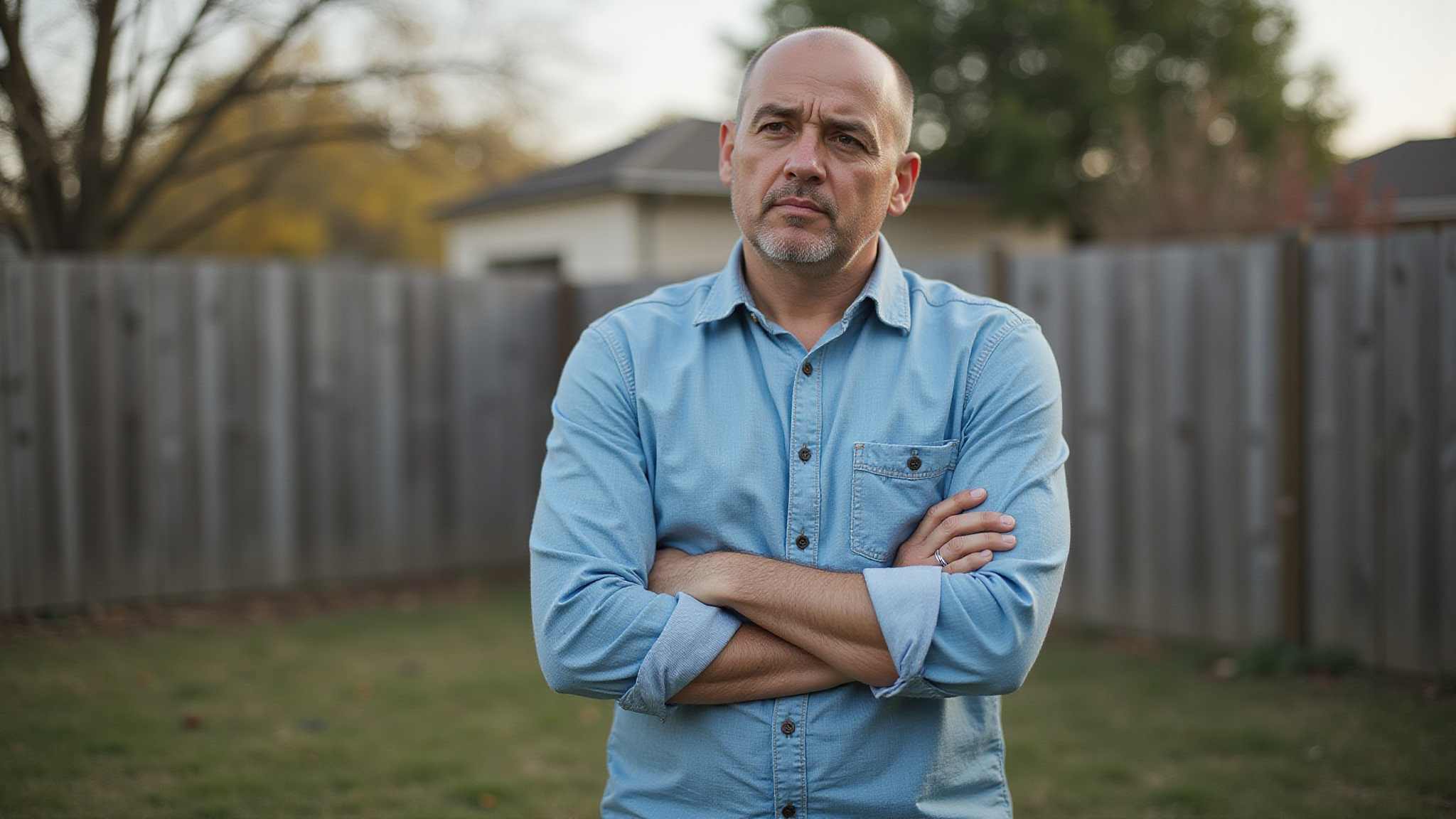






The quiet signs of teen depression rarely look like sadness. Watch for irritability, emotional numbness, or relentless perfectionism masking distress. Your teen might keep good grades and social appearances while feeling empty inside. Physical complaints, headaches, stomachaches, or chronic exhaustion despite sleep, often get dismissed as normal. Concentration problems, withdrawal, and disproportionate reactions to minor setbacks matter too. If your instincts sense something’s off despite the “I’m fine,” you’re right to look closer at what follows.
Key Takeaways
- Irritability, anger, or snapping rather than obvious sadness often signals depression that parents mistake for typical teenage attitude.
- High-achieving teens who maintain grades and social appearances may hide inner emptiness behind perfectionism and harsh self-talk.
- Recurring headaches, stomachaches, or chronic exhaustion despite adequate sleep can reflect emotional distress, not just physical tiredness.
- Quiet social withdrawal, declining invitations or retreating to their room, may mask depression even when casual contact continues.
- Concentration difficulties, procrastination, forgetfulness, and slipping grades after a stable period can indicate reduced effort driven by depression.
What Signs of Depression in Teenagers Do Parents Miss
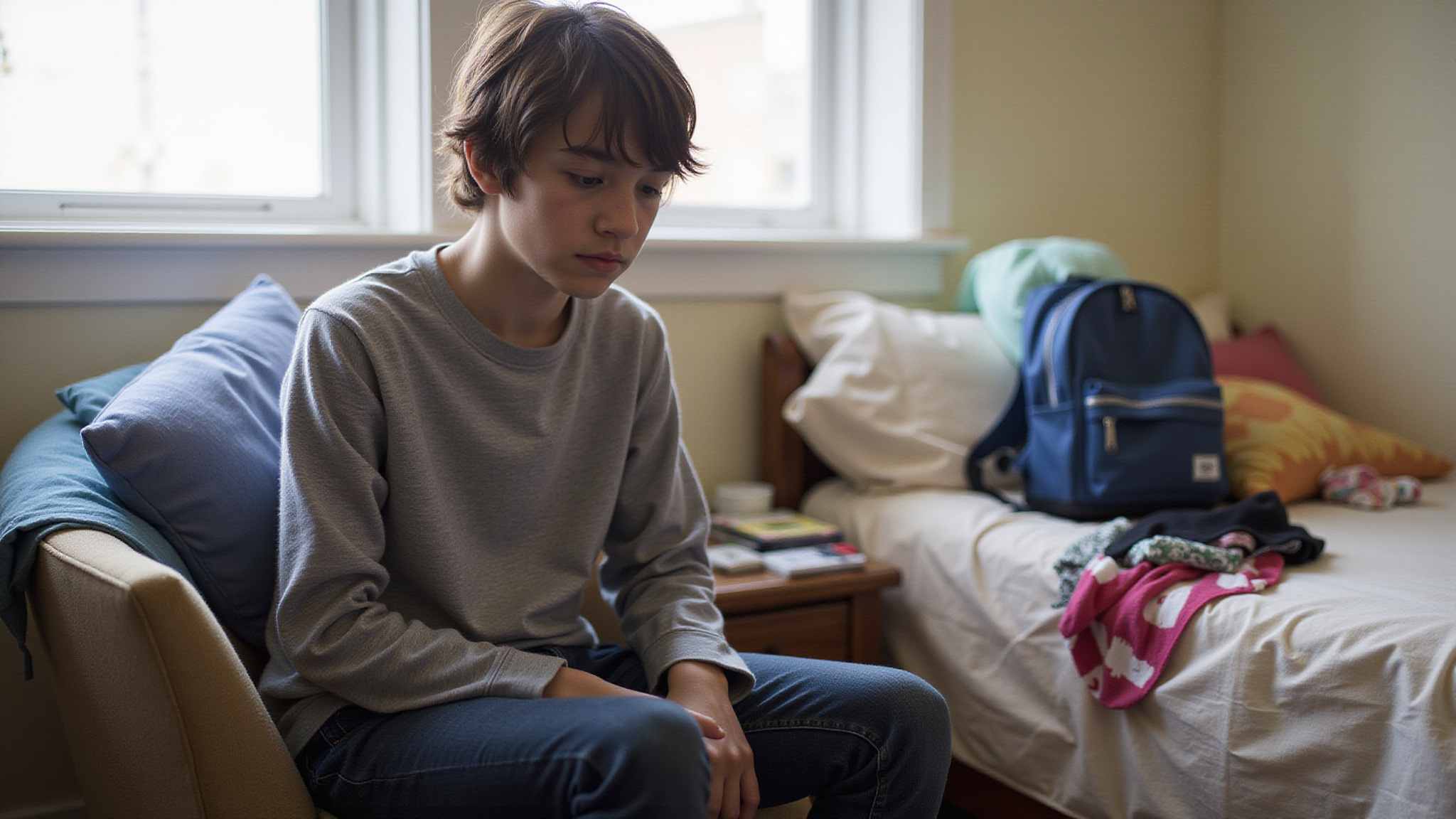
Parents miss the early signs of teenage depression because the warning signs don’t match what you expect. You might look for tearfulness or obvious sadness, but teen depression frequently hides behind persistent irritability, emotional numbness, or relentless productivity. Your teen may still earn good grades, smile in public, and keep casual contact with friends, all while feeling empty inside.
Parenting caution matters here: perfectionism driven by fear, harsh self-talk, and withdrawal from one-on-one conversations can signal distress even when everything looks “fine.” Physical complaints like headaches or chronic exhaustion are easy to dismiss as ordinary teenage behavior. Calming your child’s school anxiety is crucial for their emotional well-being. It can be helpful to create a supportive environment at home where children feel safe expressing their feelings. Engaging in open discussions about their fears and worries can ease their stress and help them build resilience.
When you know what to watch for, you’re far more likely to notice what’s quietly going wrong beneath the surface.
How Is Teen Depression Different From Adult Depression
Teen depression differs from adult depression because the same condition surfaces through age-specific behaviors. Adults often report persistent sadness, but teens tend to show irritability, anger, or snap reactions instead. Their symptoms hide behind normal-seeming activity, like maintaining grades, socializing, or staying busy, which makes the hidden signs harder to catch. Adults might name their low mood, but teens frequently express distress through physical complaints, overreactions to small setbacks, or withdrawal into their rooms. Your parenting instincts may register something’s off even when your teen insists they’re fine. Recognizing that teen depression communicates through behavior rather than clear emotional disclosure helps you respond earlier. You’re not overreacting by taking these shifts seriously; you’re reading the language depression actually speaks.
What Behavioral Changes Get Mistaken for Normal Teen Moods
Behavioral changes mistaken for normal teen moods differ from typical moodiness in their intensity, duration, and pattern. Everyday irritability passes quickly, but persistent changes lasting more than two weeks warrant attention. You might dismiss certain behaviors as “just a phase” when they actually signal distress.
| Normal Teen Mood | Possible Warning Sign | What to Watch |
|---|---|---|
| Occasional irritability | Persistent anger, snapping | Duration over two weeks |
| Wanting privacy | Withdrawing from everyone | Skipping once-loved activities |
| Tired after school | Chronic exhaustion | Fatigue despite adequate sleep |
Notice when reactions seem disproportionate, with tears or rage over minor setbacks. Watch for harsh self-criticism disguised as high standards. When these patterns persist and disrupt daily functioning, you’re likely seeing depression, not ordinary adolescent moods.
What Physical and Academic Signs Often Go Unnoticed
Physical and academic signs often go unnoticed because they’re easy to explain away. When your teen reports headaches or stomachaches repeatedly on school days, you might assume it’s stress or avoidance rather than a body-based clue of depression. Appetite changes, unexplained fatigue despite adequate sleep, or restlessness can look like typical teenage fluctuations. Watch for chronic exhaustion, too. Collapsing after school or needing long recovery time isn’t always laziness.
Academically, you’ll notice difficulty concentrating, procrastination, indecision, or forgetfulness. Missing assignments and dropping grades after earlier stability signal reduced effort tied to low energy, not defiance. Neglected hygiene or grooming apathy adds another quiet clue. Together, these shifts deserve your attention rather than quick dismissal.
How Do Social Withdrawal and Risky Behavior Signal Trouble

Social withdrawal and risky behavior signal trouble because they often mask pain your teen can’t name. Social withdrawal hides in plain sight because your teen still shows up, texting friends, sitting at dinner, appearing in group chats. Look closer, though. You might notice they avoid one-on-one conversations, retreat to their bedroom, or drop clubs and sports they once loved. They decline invitations or seem emotionally absent during outings, even while maintaining casual contact. These quiet retreats matter as much as obvious isolation.
Risky behavior signals trouble differently. When your usually steady teen starts experimenting with alcohol or drugs, picking fights, or acting recklessly, they may be managing pain they can’t name. Sudden, out-of-character conduct lasting more than two weeks deserves your attention. Don’t dismiss it as rebellion. These shifts often reflect distress your teen hasn’t found words to express.
How Do You Approach a Teen You’re Worried About
Approach a teen you’re worried about at a calm, private moment, not during conflict or right after a bad day, using timing and tone that matter more than finding perfect words. Lead with specific observations rather than accusations: “I’ve noticed you’re staying in your room more and seeming tired lately.” This shows you’re paying attention without cornering them.
Listen more than you talk. Resist the urge to fix, minimize, or lecture, since dismissing their feelings can shut down communication. Ask open-ended questions and tolerate silence.
If your teen mentions self-harm or suicidal thoughts, stay calm and take it seriously. Don’t promise secrecy. Reach out to a mental health professional or your pediatrician promptly, and communicate that you’ll support them through getting help.
How Do You Find Help for a Depressed Teenager
Finding help for a depressed teenager starts with your pediatrician, who can rule out physical causes, screen for depression, and refer you to a mental health professional. From there, you’ll want to connect with providers trained specifically in adolescent mental health.
Start with your pediatrician, then connect with mental health professionals trained specifically in adolescent care.
Consider these evidence-based steps:
- Schedule a clinical evaluation with a licensed therapist or child psychologist who can assess symptoms and recommend appropriate treatment.
- Explore therapy options such as cognitive behavioral therapy or interpersonal therapy, both shown to help teens manage depression.
- Discuss medication with a psychiatrist if symptoms are moderate to severe or don’t respond to therapy alone.
If you notice safety signals like self-harm or suicidal thoughts, don’t wait, contact a crisis line or emergency services immediately.
Conclusion
Teenage depression often hides behind quiet signs that are easy to overlook, such as withdrawal, irritability, changes in sleep or appetite, falling grades, or loss of interest in things they once enjoyed. Knowing what to watch for helps parents respond early, before struggles deepen. Open, non-judgmental conversation and professional support make a real difference. Catching the signs early can change the course of a young person’s wellbeing.
Call Today and Help Your Child Feel Seen
From play therapy to teen counseling, expert care helps young people navigate their emotions and thrive. Through National Mental Health Support serving Hyde Park, NY, we connect you with licensed mental health counselors who provide the right Individual Therapy built around your child’s needs. Call +1 (844) 435-7104 today and begin a healthier chapter for your family.
Frequently Asked Questions
How Long Should Symptoms Last Before I Seek Professional Help?
If symptoms persist for more than two weeks, you should seek professional help. That’s the general clinical threshold marking a shift from a passing mood to something requiring attention. Don’t wait, though, if you notice safety signals like self-harm, suicidal thoughts, or risky behavior, those need immediate care. Trust your instincts, too. If you’re worried about a marked personality change or ongoing distress, reaching out early can’t hurt and often helps notably.
Can Teen Depression Go Away on Its Own Without Treatment?
Sometimes mild symptoms lift on their own, but you shouldn’t count on it. Untreated depression often lingers, deepens, or returns, and waiting can allow warning signs like hopelessness, withdrawal, or self-harm to worsen. If your teen’s persistent irritability, exhaustion, or emotional flatness lasts beyond two weeks, you’ll want professional support rather than hoping it fades. Early treatment improves recovery and reduces relapse, so don’t delay reaching out for help.
Does Social Media Use Cause or Worsen Teenage Depression?
Social media doesn’t directly cause depression, but it can worsen it for vulnerable teens. You’ll often see how comparison, cyberbullying, and disrupted sleep intensify existing struggles. If your teen’s already pulling away, spending excessive time alone on screens can deepen isolation and low mood. It’s not the whole picture, though, social media’s one factor among many. Watch for patterns, and don’t hesitate to seek professional support when concerns persist.
Are Boys and Girls Affected by Depression Differently?
Yes, depression often shows up differently across genders. In boys, you’ll frequently notice irritability, anger, risky behavior, or substance use rather than obvious sadness. Girls more often show tearfulness, harsh self-talk, and visible withdrawal. But these aren’t rigid rules, your teen may not fit the pattern. What matters is watching for changes from their baseline. Don’t dismiss a boy’s aggression or a girl’s perfectionism as simply personality; both can mask real distress.
What Medications Are Commonly Prescribed for Depressed Teenagers?
Medication decisions belong with a qualified prescriber, but you should know that certain antidepressants are commonly considered for teens. A psychiatrist or physician will evaluate your child before recommending anything. If treatment moves forward, they’ll monitor closely, especially early on, since some teens experience mood or behavior changes. You don’t have to navigate this alone, ask questions, request follow-ups, and pair any medication with therapy for the strongest, most supportive results.