














To ease driving anxiety after a crash, start with gradual exposure. Build a fear ladder from low-stress tasks, like sitting in a parked car, to short drives on quiet roads. Repeat each step until your discomfort drops. Use calming techniques, slow breathing, grounding, positive self-talk, while driving. Bring a trusted passenger for support. If avoidance persists for weeks or you notice flashbacks, seek professional help. There’s more to understand about why this happens and what helps.
Key Takeaways
- Build a fear ladder, starting with low-anxiety tasks like sitting in a parked car, then progressing to short drives on quiet roads.
- Repeat each step with a trusted passenger until discomfort drops, gathering evidence that driving can feel safe.
- Use calming techniques while driving, such as deep breathing, box breathing, and grounding methods like 5-4-3-2-1 during panic.
- Recognize that post-accident anxiety is a normal protective response, and identifying symptoms helps you respond with strategy over self-criticism.
- Seek professional help through trauma-focused therapy or CBT if avoidance, flashbacks, or intense fear disrupt daily life for weeks.
How Do You Get Rid of Driving Anxiety After an Accident
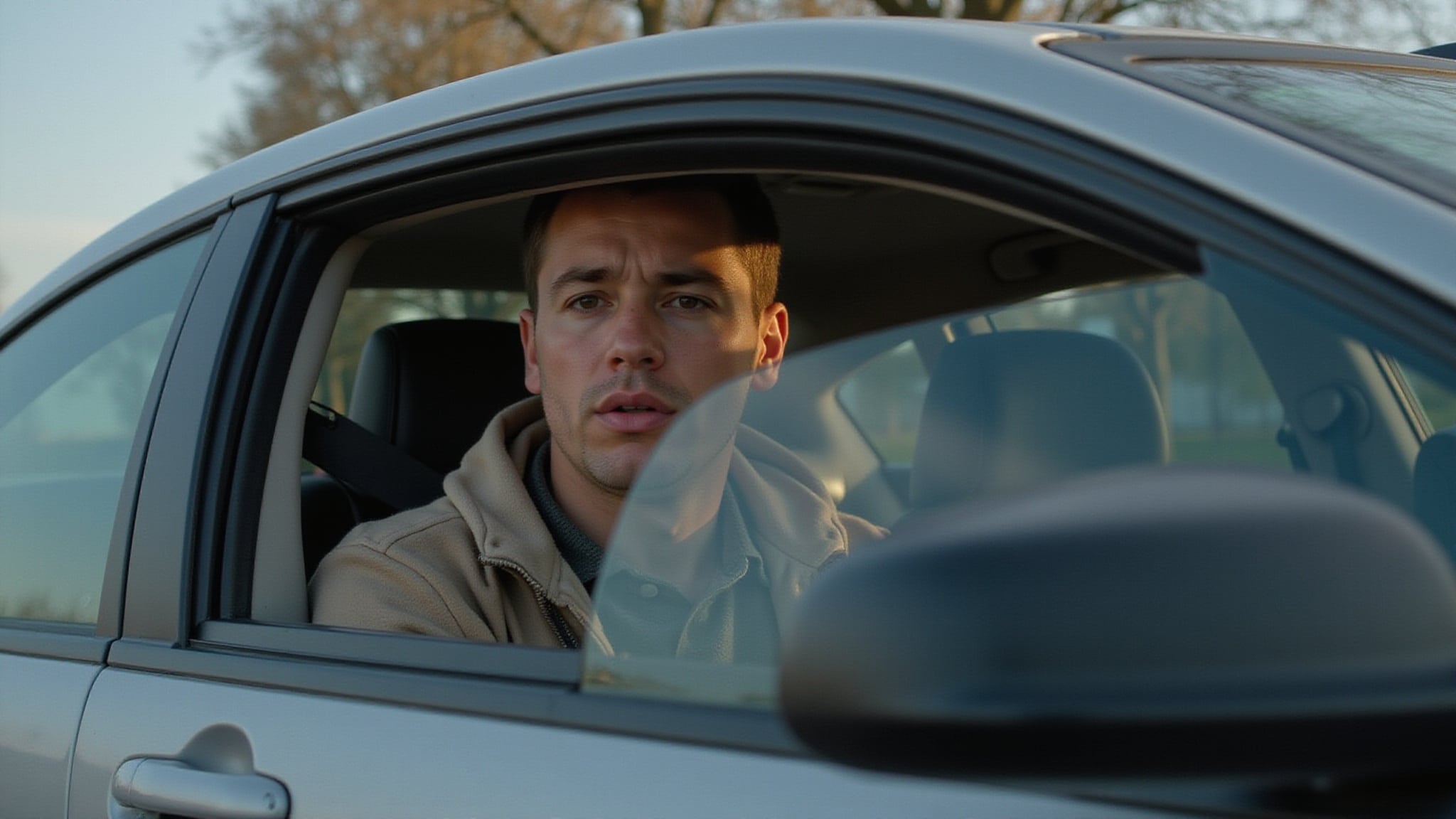
You get rid of driving anxiety after an accident by facing it gradually, not by waiting for the fear to vanish on its own. Gradual exposure works best when you build a fear ladder, beginning with low-anxiety tasks like sitting in a parked car or starting the engine. Progress to short, familiar routes on quiet roads, repeating each step until discomfort drops. Bring a trusted passenger for support during difficult drives, and use slow breathing or grounding techniques to calm physical symptoms. If your trauma remains intense or tied to accident memories, seek trauma-focused therapy or CBT. Each successful drive becomes evidence that driving can feel safe and manageable again.
Why Do You Feel Anxious About Driving After a Crash
You feel anxious behind the wheel after a crash because your brain has linked driving with danger, so it triggers a protective fear response whenever you approach a vehicle. This reaction is normal, not a sign of weakness. A crash can leave lasting emotional marks, and for some people these develop into post-traumatic stress disorder (PTSD), with flashbacks, hypervigilance, or intrusive memories. For others, the fear narrows into a specific driving phobia, where avoidance feels safer than facing the road. Physical symptoms like a racing heart, tight grip, or shallow breathing often accompany these thoughts. Your nervous system remembers the threat and stays on high alert. Understanding why you feel this way helps you respond with strategy rather than self-criticism, making recovery more manageable.
What Are the Signs of Post-Accident Driving Anxiety
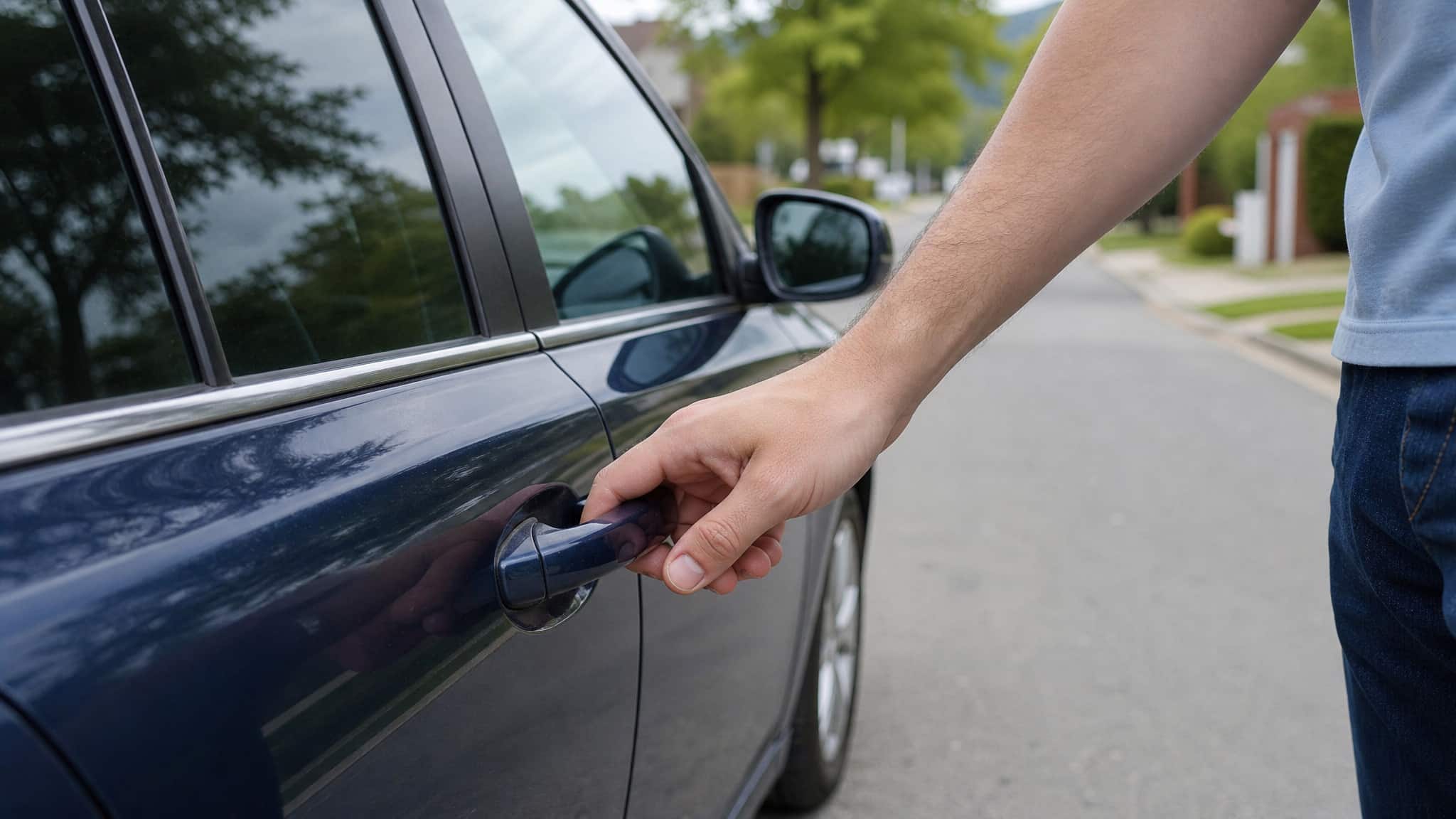
The signs of post-accident driving anxiety include physical reactions like a racing heart, tight grip on the wheel, and tightening breath before you’ve even started the engine, along with anxious thoughts, avoidance behaviors, and heightened alertness while driving.
| Physical Signs | Cognitive/Behavioral Signs |
|---|---|
| Racing heart, sweating | Catastrophic thoughts about crashing |
| Tight grip, muscle tension | Avoiding roads or the crash location |
| Shallow, rapid breathing | Excessive scanning for danger |
| Dizziness or nausea | Reluctance to drive alone |
If you notice these patterns persisting or interfering with your daily routine, they’re worth taking seriously. Identifying them early helps you address the anxiety before avoidance becomes entrenched. Strategies for dealing with empty nest syndrome can vary greatly, depending on individual circumstances. Many parents find solace in establishing new routines that help fill the void left by children leaving home.
Is It Linked to PTSD
Yes, driving anxiety can be linked to PTSD. When your fear stays intense, connects directly to accident memories, or disrupts your daily functioning, it may signal post-traumatic stress. You might experience intrusive flashbacks, nightmares, hypervigilance, or a strong urge to avoid anything that reminds you of the crash. These reactions aren’t a sign of weakness; they’re your nervous system responding to a genuinely frightening event.
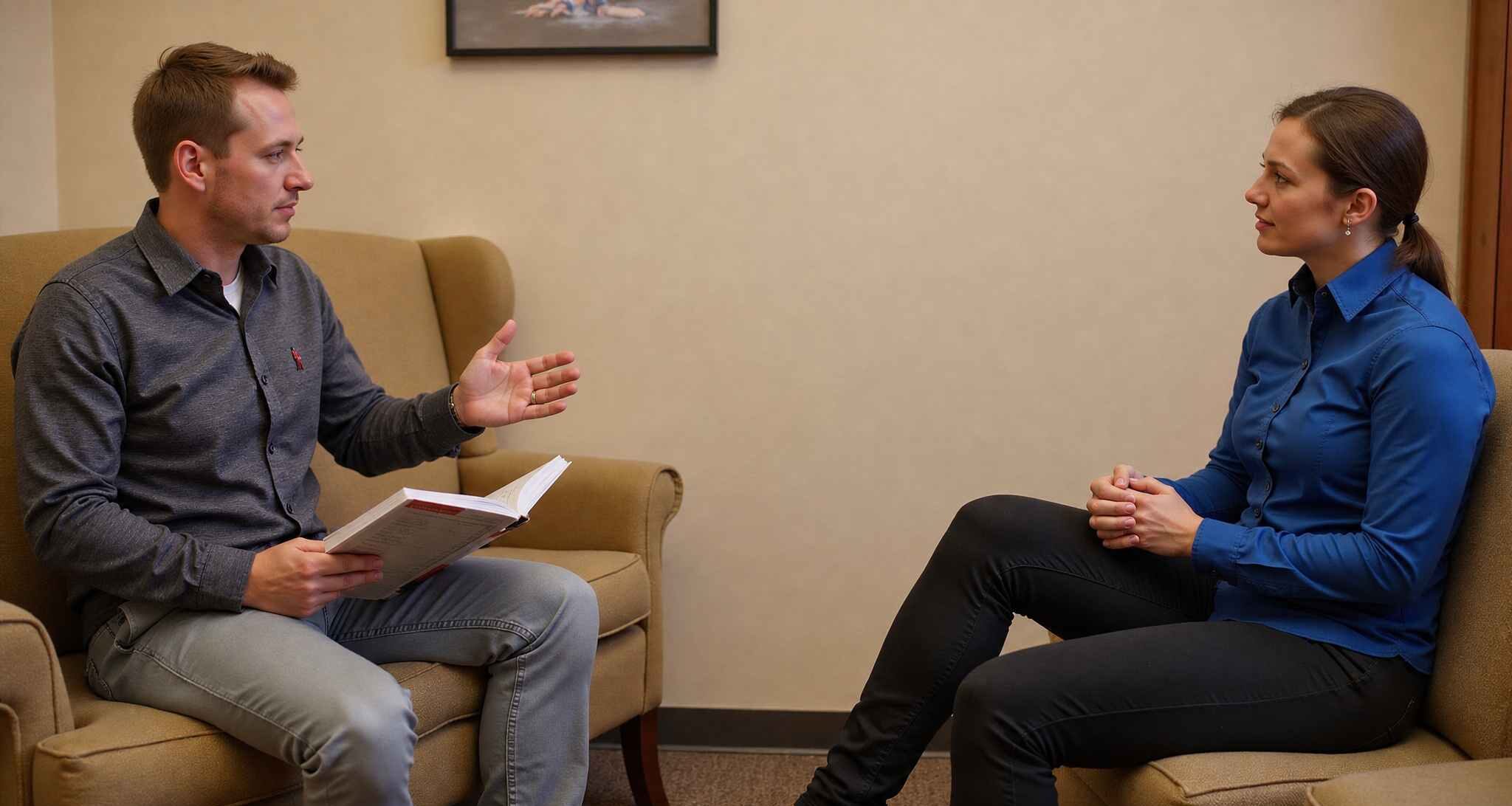
If avoidance persists or your symptoms interfere with work, relationships, or sleep, it’s worth seeking professional support. Trauma-focused therapy, cognitive-behavioral therapy (CBT), and exposure-based treatment are commonly cited approaches for driving phobia linked to trauma. Recognizing the connection to PTSD helps you get the right care and start recovering with confidence. How therapy helps with divorce can provide essential tools for navigating emotional turmoil. It offers a safe space to process feelings of loss and anger while developing coping strategies.
How Do You Gradually Get Back Behind the Wheel
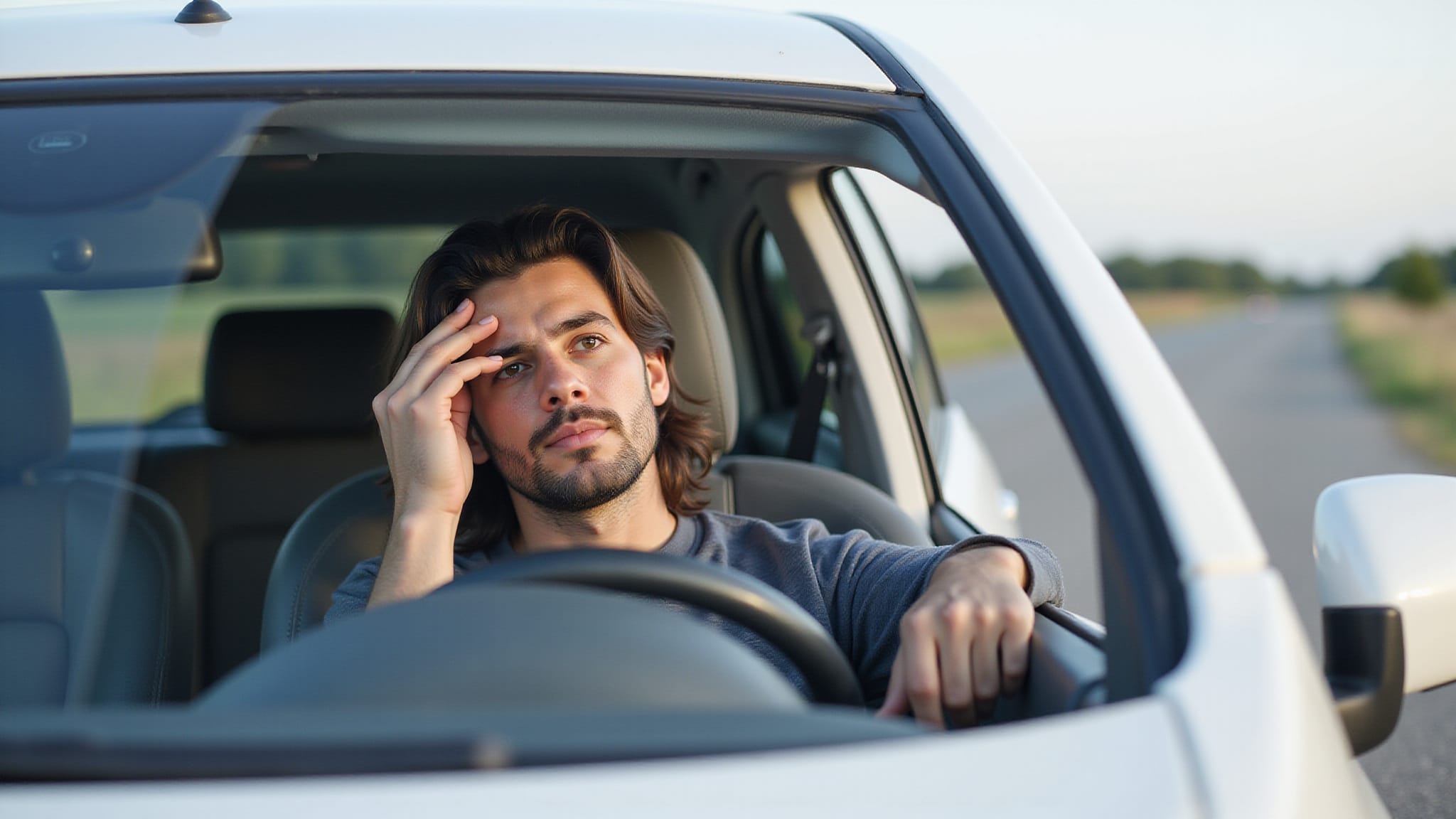
You gradually get back behind the wheel by facing avoided situations in a stepwise way, rather than waiting for your fear to disappear first. Start with low-anxiety tasks like sitting in the parked car, fastening your seatbelt, or starting the engine. Build a fear ladder that ranks driving scenarios from least to most anxiety-provoking, and use it to guide your practice.
Progress to short, familiar trips on quiet residential roads during low-traffic times before attempting busier streets or highways. Return to the same route multiple times to strengthen your sense of predictability and control.
Repeat each step until your discomfort drops and the situation feels manageable. Increase route length only after repeated success. This gradual repetition gives you real evidence that driving can be safe again.
What Techniques Calm Anxiety While Driving
Techniques that calm anxiety while driving include slow breathing, grounding, and positive self-talk, and most work by targeting the physical symptoms fear produces. Slow, deep breathing lowers a racing heart and loosens a tight grip on the wheel. Try structured methods like box breathing or longer exhales to settle your nervous system. Relax your shoulders and hands, then repeat this at stops and traffic lights.
When panic rises, ground yourself with the 5-4-3-2-1 technique to interrupt the spiral. Pair relaxation with positive self-talk, and focus on what you control, your speed and following distance, rather than what you can’t.
These tools won’t erase fear instantly, but with repetition, they’ll help you stay present and manageable behind the wheel, reinforcing that driving can feel safe again.
When Should You Seek Professional Help
You should seek professional help when self-help isn’t enough. Pay attention to persistent avoidance. If you’re still steering clear of driving weeks after trying gradual exposure, or if avoidance disrupts your work, relationships, or daily routine, it’s time to reach out. Intense fear tied to accident memories, flashbacks, nightmares, or panic that won’t ease, signals you may need more than self-guided strategies.
Seek counseling or trauma-focused therapy in these situations. Cognitive-behavioral therapy (CBT) and exposure-based treatment are commonly cited approaches for driving phobia, and both offer structured, evidence-based support. A professional can help you challenge catastrophic thoughts and rebuild confidence safely. Navigating retirement mental health changes can be particularly challenging for many individuals. It is essential to recognize that these life transitions may bring about feelings of anxiety or uncertainty.
You don’t have to wait until things feel unbearable. Escalating to professional help early can shorten recovery and restore your independence sooner.
Conclusion
Driving anxiety after a car accident is a common and understandable response, not a personal failing. Gradual exposure, relaxation and breathing techniques, challenging catastrophic thoughts, and slowly rebuilding confidence behind the wheel all help the fear ease over time. When anxiety is severe or persistent, trauma-focused therapy can speed recovery and stop avoidance from taking hold. With patience and steady practice, most people are able to return to driving and feel safe again.
Call Now and Take Back Your Wellbeing
Life stages bring unique mental health challenges, but expert support makes navigating them far easier. Through National Mental Health Support serving Poughkeepsie, NY, we connect you with licensed mental health counselors who provide the right Individual Therapy program built around your story. Call +1 (844) 435-7104 today and begin a healthier chapter in your life.
Frequently Asked Questions
How Long Does Driving Anxiety Usually Last After a Car Accident?
There’s no fixed timeline, and your recovery depends on the severity of the crash, your support system, and how you cope. For many people, anxiety eases within a few weeks as you gradually return to driving. If your fear stays intense, disrupts daily functioning, or you keep avoiding driving after several weeks, it’s worth seeking professional support. Trauma-focused therapy or CBT can help you recover more effectively and regain confidence.
Can Medication Help With Driving Anxiety Following a Crash?
Medication can help, but it’s best viewed as one part of a broader plan. If your fear stays intense or linked to accident memories, consider seeking counseling or trauma-focused therapy. Cognitive-behavioral therapy (CBT) and exposure-based treatment are commonly cited approaches for driving phobia. Pair professional support with gradual exposure, relaxation, and healthy routines like sleep and exercise. If avoidance persists or affects daily functioning, don’t hesitate to escalate to professional support.
Should I Drive Again Immediately or Wait After an Accident?
You don’t need to force yourself back behind the wheel immediately, but you shouldn’t wait for fear to disappear completely either. Instead, ease in gradually with low-anxiety steps, like sitting in a parked car or starting the engine. Then progress to short, familiar routes on quiet roads. Repeat each step until it feels manageable. This stepwise approach rebuilds confidence safely, and it’s okay to bring a trusted passenger along.
Does My Car Insurance Cover Therapy for Driving Anxiety?
Coverage depends on your specific policy, so it is worth checking the details of yours. Some auto policies cover therapy through medical or personal injury protection, especially when the anxiety is linked to the accident, and health insurance may cover trauma-focused therapy or CBT. Call both insurers directly and ask about mental health benefits. Keeping documentation that connects your symptoms to the crash will strengthen any claim you submit.
Can Driving Anxiety After an Accident Come Back Later?
Yes, driving anxiety can return later, even after you’ve made real progress. Stressful events, a near-miss, or long breaks from driving may reawaken old fears, this doesn’t mean you’ve failed. When it happens, you can return to what’s worked before: gradual exposure, short familiar routes, breathing and grounding techniques, and a trusted passenger. If avoidance persists or daily life suffers, reach out to a therapist for trauma-focused or CBT support.