












Adjustment disorder with anxiety (F43.22) is a stress-related condition where you feel nervous, worried, and jittery after an identifiable stressor, like job loss, illness, or a relationship breakdown. Unlike a primary anxiety disorder, your symptoms tie directly to that trigger and exceed what’s typically expected, disrupting your daily life. The good news? It’s treatable, usually through therapy and sometimes medication. Keep going to understand the causes, symptoms, and steps to getting help.
Key Takeaways
- Adjustment disorder with anxiety (F43.22) involves nervousness, worry, and jitteriness triggered by an identifiable life stressor.
- Common triggers include job loss, relationship breakdown, illness, or relocation, with symptoms starting soon after the stressor appears.
- Symptoms span emotional (worry, irritability), physical (insomnia, palpitations, tension), and behavioral (withdrawal, missing work) categories.
- Diagnosis links symptoms to a specific stressor, requiring they not persist beyond six months after the stressor ends.
- Psychotherapy is the primary treatment, sometimes with SSRIs, and urgent care is needed for suicidal thoughts or self-harm urges.
What Is Adjustment Disorder With Anxiety

Adjustment disorder with anxiety is a stress-related condition where nervousness, worry, and jitteriness emerge in response to an identifiable life stressor. Unlike a primary anxiety disorder, your symptoms are tied directly to a specific trigger rather than appearing without a clear cause.
Think of it as a stress response that exceeds what’s typically expected for the situation, interfering with your daily functioning. Coded as F43.22 in the DSM-5, it’s one subtype within the broader category of adjustment disorders.
When your coping resources feel stretched thin, this reaction can make everyday demands feel overwhelming, disrupting how you work, connect, and function.
What Causes Adjustment Disorder With Anxiety
Adjustment disorder with anxiety is caused by an identifiable stressor, a specific life event or change that triggers your symptoms. Unlike primary anxiety disorders, this condition ties directly to something happening in your life, whether it’s a job loss, relationship breakdown, illness, relocation, or another significant transition.
Your symptoms typically begin soon after the stressor appears, and the trigger’s presence is central to your diagnosis. What matters isn’t just the event itself, but how it exceeds what you’d normally expect to handle.
When your coping resources feel stretched thin, anxiety takes hold. If the stressor continues or your support remains limited, symptoms can intensify. Recognizing your specific trigger helps distinguish adjustment disorder from other conditions and guides you toward effective treatment.
What Are the Symptoms and Warning Signs

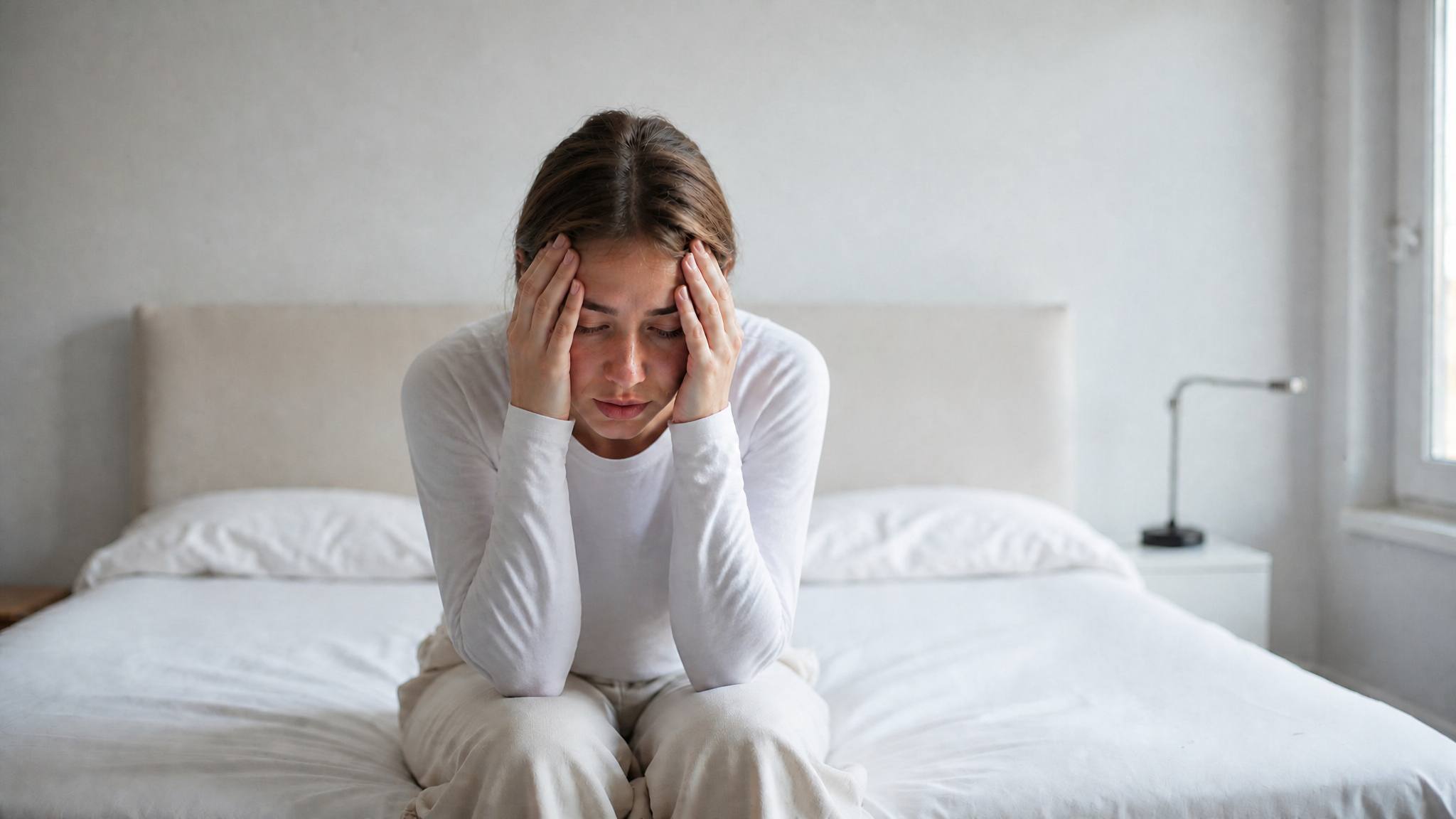
Adjustment disorder with anxiety shows up in your daily life through worry, nervousness, and jitteriness tied directly to a stressor. You might feel overwhelmed, struggle to concentrate, or find yourself restless and on edge. These symptoms often interfere with your work, relationships, and routine tasks.
| Emotional Signs | Physical Signs | Behavioral Signs |
|---|---|---|
| Worry, nervousness | Insomnia, fatigue | Social withdrawal |
| Feeling overwhelmed | Headaches, muscle tension | Missing work or school |
| Irritability, on edge | Heart palpitations, trembling | Frequent crying, conflict |
| Difficulty concentrating | Loss of appetite | Neglecting responsibilities |
Some people experience a single dominant symptom, while others face a broader mix. If you’re having suicidal thoughts or self-harm urges, seek urgent care immediately. These warning signs demand attention.
How Is It Different From Anxiety Disorders and Depression
Adjustment disorder with anxiety differs from a primary anxiety disorder or depression because of its direct tie to an identifiable stressor. With a primary anxiety disorder, your symptoms often appear without a clear trigger and persist over time. Here, though, the timing matters: your anxiety emerges soon after a stressful event and, by definition, doesn’t last beyond six months after that stressor ends.
This distinction shapes your diagnosis and treatment. If your worry, nervousness, and jitteriness track closely with a specific change in your life, you’re likely dealing with an adjustment disorder rather than an ongoing condition. Your provider will focus on the trigger and timing to tell them apart, since that difference guides whether therapy, medication, or both will help you most.
How Is Adjustment Disorder With Anxiety Diagnosed

Adjustment disorder with anxiety is diagnosed by connecting your symptoms to an identifiable stressor. Your clinician will look at when your worry, nervousness, or jitteriness began and whether they emerged soon after a specific life change. Because the trigger and timing are central to this diagnosis, expect questions about your recent stressors, how symptoms affect your daily functioning, and how long they’ve lasted.
- Timing matters: Symptoms typically start soon after the stressor and don’t persist beyond six months after it ends.
- Predominant pattern: Anxiety symptoms drive the subtype coding (F43.22 / 309.24).
- Ruling out alternatives: Your provider distinguishes this from primary anxiety disorders and depression.
This careful approach helps ensure you get the right diagnosis and, ultimately, the right support.
How Is It Treated
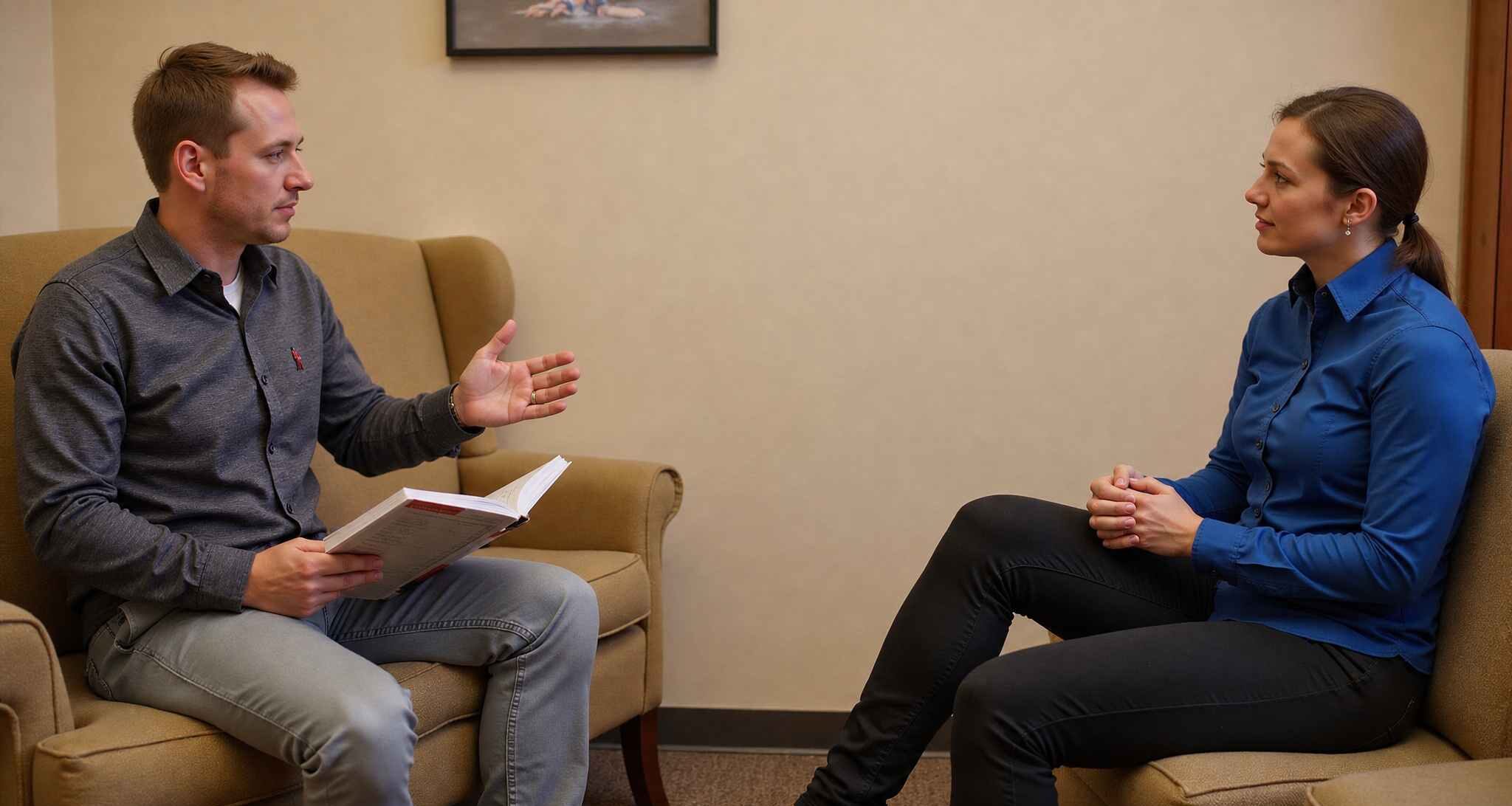
Treatment typically starts with psychotherapy, which helps you process the stressor, build coping skills, and restore daily functioning. Therapy gives you space to understand what triggered your anxiety and to develop practical strategies for managing worry, restlessness, and overwhelm.
Sometimes your provider may add medication to target specific symptoms. If insomnia, persistent anxiety, or low mood interferes with your day, an SSRI might help, especially when your presentation leans closer to a depressive or anxiety disorder.
Because your symptoms are tied to an identifiable stressor, treatment often focuses on that trigger and your coping resources. As you adjust and your stress resolves, symptoms usually ease.
If you experience suicidal thoughts or self-harm urges, seek urgent care immediately.
How Do You Find Help for Adjustment Disorder
Finding help for adjustment disorder starts with recognizing when to reach out. If your symptoms tie back to a specific stressor and they’re interfering with work, school, or relationships, that’s a clear sign to reach out. You don’t have to navigate this alone, and getting support early can keep symptoms from becoming more disruptive.
- Start with your primary care provider, who can screen your symptoms and refer you to a mental health specialist.
- Ask for a therapist experienced in psychotherapy for stress-related conditions.
- Seek urgent help immediately if you’re having suicidal thoughts or self-harm urges.
Conclusion
Adjustment disorder with anxiety is a natural response to a significant life change or stressor, marked by worry and difficulty coping that goes beyond the everyday. It is common, understandable, and very treatable, often improving as you adapt and build coping skills. Therapy, stress management, and support help ease symptoms and shorten the adjustment. Recognising it for what it is takes away much of its power.
Find Support Through Life’s Hardest Moments
Grief, illness, and major life transitions can bring depression and anxiety that feel too heavy to carry alone. Through National Mental Health Support serving Fishkill, NY, we connect you with licensed mental health counselors who provide the right Trauma Therapy and compassionate support for your healing. Call +1 (844) 435-7104 today and take the first step toward healing.
Frequently Asked Questions
Can Adjustment Disorder With Anxiety Go Away on Its Own?
Yes, adjustment disorder with anxiety can resolve on its own, especially once the stressor ends or you adapt to it. By definition, your symptoms shouldn’t persist beyond six months after the stressor’s gone. Still, if your worry, restlessness, or trouble coping interferes with daily life, don’t wait it out alone. Psychotherapy can speed your recovery. And if you’re having thoughts of self-harm, please seek urgent help right away.
How Long Does Adjustment Disorder With Anxiety Typically Last?
Your symptoms typically don’t persist beyond six months after the stressor ends. They usually begin soon after the stressful event, and how long they last often depends on whether that stressor continues and what coping resources you have. If the trigger resolves and you’ve got support, you’ll likely recover fairly quickly. If it drags on, symptoms can linger and feel more disruptive. Therapy can help you cope through this.
Can Adjustment Disorder With Anxiety Develop Into a Chronic Condition?
By definition, adjustment disorder with anxiety doesn’t persist beyond six months after the stressor ends, so it isn’t considered chronic. But if your stressor continues or your coping resources stay limited, symptoms can linger and become more disruptive. In some cases, what starts as an adjustment response may evolve into a primary anxiety or depressive disorder. If you’re struggling, reaching out for professional support can really help.
Are Children and Adults Affected by This Disorder Differently?
Yes, you’ll notice the disorder affects children and adults differently. In children, separation anxiety often dominates, your child might cling, resist school, or complain of headaches and stomachaches. As an adult, you’re more likely to experience worry, restlessness, trouble concentrating, and declining work performance. While both groups share core anxiety symptoms tied to a stressor, how you express them shifts with age, developmental stage, and life responsibilities.
Can Lifestyle Changes Help Manage Adjustment Disorder With Anxiety?
Yes, lifestyle changes can help you manage adjustment disorder with anxiety. You’ll often feel steadier when you prioritize consistent sleep, since insomnia commonly worsens symptoms. Regular physical activity can ease restlessness and muscle tension, while balanced eating supports your energy during this adjustment period. It also helps to stay socially connected rather than withdrawing. Still, if symptoms interfere with daily life, you shouldn’t rely on lifestyle changes alone, professional support matters.