









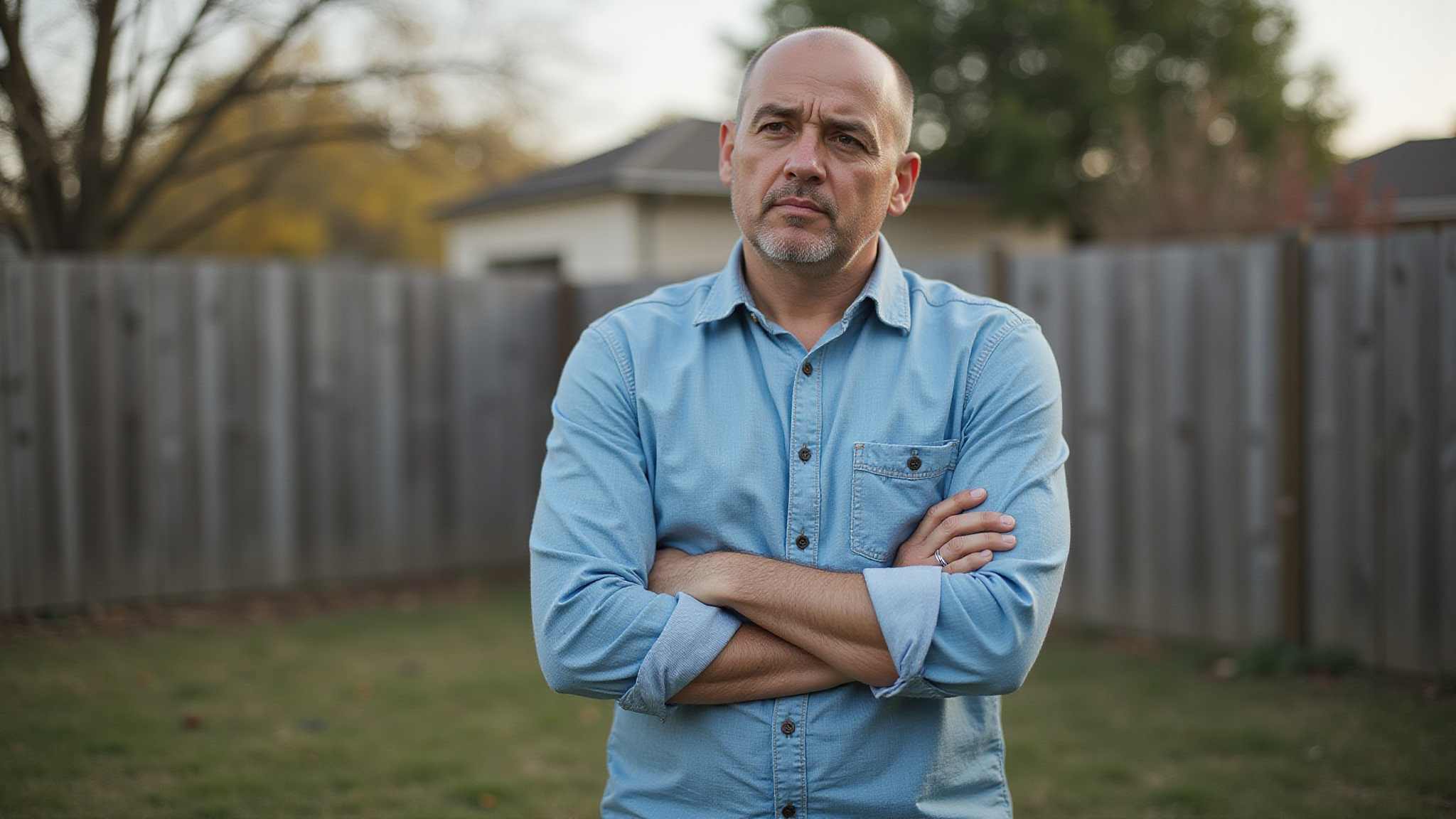






A cancer diagnosis affects your mind as deeply as your body. You might feel fear, sadness, anger, or uncertainty, and those emotions can shift quickly. Counseling connects you with psychologists and trained counselors who help manage anxiety, depression, and stress. Support groups reduce isolation, while journaling, mindfulness, and gentle exercise ease hard days. Your loved ones can find help, too. Keep going to discover the resources and coping strategies that can support you both.
Key Takeaways
- Counseling connects patients and families to psychologists, social workers, and trained counselors to manage anxiety, depression, and stress.
- Support groups provide in-person or online connection with others facing similar cancer experiences, reducing isolation.
- Free, confidential one-on-one peer support may be available for patients, caregivers, and friends.
- Hospital social workers, cancer organizations, helplines, and live chat provide navigation, referrals, and access to resources.
- Everyday coping strategies like journaling, mindfulness, and gentle exercise support both mind and body during hard days.
What Mental Health Support Is There for Cancer Patients and Families

Mental health support for cancer patients and families includes counseling, support groups, peer support, and everyday coping strategies. Counseling connects you with psychologists, clinical social workers, and trained counselors who can help you and your family cope with anxiety, depression, and stress throughout diagnosis, treatment, and survivorship. Support groups, available in person and online, bring you together with others who understand what you’re facing, easing the isolation that often accompanies cancer. Many organizations even offer free, confidential one-on-one peer support for patients, caregivers, and friends. You can also lean on coping strategies like journaling, mindfulness, and gentle exercise to steady your emotions day to day. Whatever you’re feeling, there’s support tailored to you.
How Does a Cancer Diagnosis Affect Mental Health
A cancer diagnosis can shake you deeply, affecting your mind, body, and relationships. When you first hear the word “cancer,” you might feel fear, sadness, anger, and uncertainty all at once. That emotional weight doesn’t stay in one place, it touches your mind, your body, and your relationships. Anxiety often shows up as racing thoughts or trouble sleeping, and grief can linger long after treatment ends.
Your loved ones feel it too, carrying their own stress and exhaustion as they support you. This distress can follow you through diagnosis, treatment, and survivorship, which is why coping strategies and support groups matter so much. Recognizing how a diagnosis affects your whole self is the first step toward healing. Navigating depression after diagnosis can feel overwhelming, but it’s essential to remember that you are not alone in this journey. Engaging with mental health professionals can provide invaluable tools and techniques to help manage your emotional well-being.
What Emotional Challenges Do Patients and Families Face

Patients and families face fear, sadness, anger, uncertainty, and grief, and these emotions rarely stay still. You might feel hopeful one hour and overwhelmed the next. Emotional distress can touch every part of your life, and caregiver stress leaves loved ones exhausted as they support you. Recognizing what you feel is the first step toward healthy coping strategies. Managing daily stress during treatment can be a challenging task. Engaging in mindfulness practices, seeking social support, and maintaining a routine may help alleviate some of the strain.
| Who | Common Feeling | Possible Sign |
|---|---|---|
| Patient | Fear | Trouble sleeping |
| Partner | Sadness | Withdrawing |
| Child | Confusion | Acting out |
These challenges shift across diagnosis, treatment, and survivorship, so your support needs will change too. Naming your feelings, leaning on others, and seeking tailored help can ease the burden you’re carrying together.
What Support Helps Patients Cope During Treatment
Several kinds of support help patients cope during treatment: counseling, support groups, and everyday coping strategies. Counseling gives you a trained ally, a psychologist, social worker, or counselor, who can help you manage the anxiety, depression, and stress that often surface during treatment. You don’t have to navigate this alone.
Support groups connect you with others who truly understand what you’re facing. Whether you meet in person or online, sharing experiences can ease the isolation that cancer so often creates.
Everyday coping strategies matter too. Keep a journal to track your moods, try mindfulness or gentle exercise like walking or yoga, and hold onto daily routines where you can. These small practices support both your body and your mind through hard days.
How Do Family Members and Caregivers Find Support

Family members and caregivers find support through hospital social workers, cancer organizations, support groups, and professional counseling. Many organizations offer helplines, live chat, and free counseling or referral pathways designed specifically for caregivers and family members. Signs of caregiver burnout can manifest in various ways, including emotional exhaustion and feelings of detachment. Understanding these signs is crucial for caregivers to seek help and prioritize their well-being.
Caring for someone with cancer takes a toll, and your needs matter too. The stress, exhaustion, and mood changes that come with caregiving are real, and you deserve support just as much as the person you’re helping.
Consider joining support groups, either in person or online, where you can connect with others who understand what you’re facing. This peer support can ease isolation and remind you that you’re not alone.
If sadness or anxiety persists, counseling with a trained professional can help you process your feelings and rebuild your emotional footing.
What Professional and Peer Resources Are Available
Professional and peer resources for cancer include psychologists, clinical social workers, and counselors who are trained to diagnose and treat mental health problems, offering individual and family counseling to address anxiety, depression, and stress. A range of these resources exists to help you and your loved ones cope, so you don’t have to piece together support on your own.
Beyond professional care, cancer support groups connect you with others who understand your experience, reducing isolation. Family support groups bring relatives into sessions to strengthen communication and problem-solving. Many advocacy organizations offer these groups in person and online, plus free one-on-one confidential peer support.
Hospitals, cancer centers, and social workers can connect you to these services, while helplines and live chat provide navigation whenever you need it.
How Do You Access Mental Health Support
You access mental health support by starting where you’re already receiving care. Ask your oncologist, nurse, or hospital social worker to connect you with counseling and support services; they often know local and virtual options and can refer you directly. Cancer organizations offer helplines, live chat, and resource navigation for patients, caregivers, and family members, and some provide free counseling or peer support. Look to community centers, places of worship, and advocacy groups for additional programs and support groups, both in person and online. You don’t have to find everything alone, one phone call can open the door. If distress becomes severe or a crisis develops, seek urgent mental health help right away.
Conclusion
A cancer diagnosis affects the mind as deeply as the body, for patients and their loved ones alike. Fear, grief, anxiety, and depression are common and valid responses, and mental health support is an important part of care rather than a sign of weakness. Counselling, support groups, and, when helpful, medication can ease the emotional weight and improve quality of life through every stage. No one should face the emotional toll of cancer alone.
Find Support Through Life’s Hardest Moments
Grief, illness, and major life transitions can bring depression and anxiety that feel too heavy to carry alone. Through National Mental Health Support serving Fishkill, NY, we connect you with licensed mental health counselors who provide the right Trauma Therapy and compassionate support for your healing. Call +1 (844) 435-7104 today and take the first step toward healing.
Frequently Asked Questions
Does Insurance Typically Cover Mental Health Counseling for Cancer Patients?
In most cases, yes. Under US mental health parity laws, most insurance plans, including Medicare and Medicaid, are required to cover mental health counseling comparably to medical care, and that typically includes therapy for cancer patients. Many cancer centers also provide psycho-oncology services and oncology social workers, sometimes at low or no cost. Exact coverage, copays, and in-network providers vary by plan, so it is worth checking your benefits and asking your care team, who can help connect you with counseling and referral options.
Can Children of Cancer Patients Get Age-Appropriate Mental Health Support?
Yes, your children can get age-appropriate support. Counseling helps kids cope with the fear, sadness, and uncertainty a parent’s cancer can bring, and family counseling can improve communication so everyone feels heard. You’ll also find family support groups and peer connections, both in person and online. If your child’s distress continues, don’t hesitate to reach out to a psychologist, social worker, or counselor trained to help young ones through this.
How Do I Choose the Right Therapist for Cancer-Related Concerns?
Look for psychologists, clinical social workers, or counselors trained to diagnose and treat cancer-related mental health concerns like anxiety, depression, and stress. You’ll want someone experienced with the emotional challenges of diagnosis, treatment, and survivorship. Ask your hospital, cancer center, or social worker for referrals, some offer free services. Trust matters, so notice whether you feel heard and respected. It’s okay to try someone else if the fit isn’t right.
Are There Medications Available to Treat Cancer-Related Anxiety or Depression?
Yes, medications can help treat cancer-related anxiety or depression. Psychologists, clinical social workers, and counselors are trained to diagnose and treat these mental health concerns, and they can connect you with professionals who prescribe. Alongside medication, you’ll often benefit from combining it with counseling, support groups, and coping strategies like mindfulness or gentle exercise. If your distress feels overwhelming, please reach out, urgent mental health help and crisis services are available.
How Long Does Psychosocial Distress Usually Last After Cancer Treatment Ends?
There’s no fixed timeline, distress can continue well into survivorship, long after your treatment ends. Everyone’s different, so your experience won’t match someone else’s exactly. You might still feel fear, sadness, or uncertainty as you adjust to life afterward. That’s completely normal. If your distress lingers or feels overwhelming, don’t hesitate to reach out for counseling or peer support. Professional help’s available whenever you need it, and you don’t have to cope alone.