









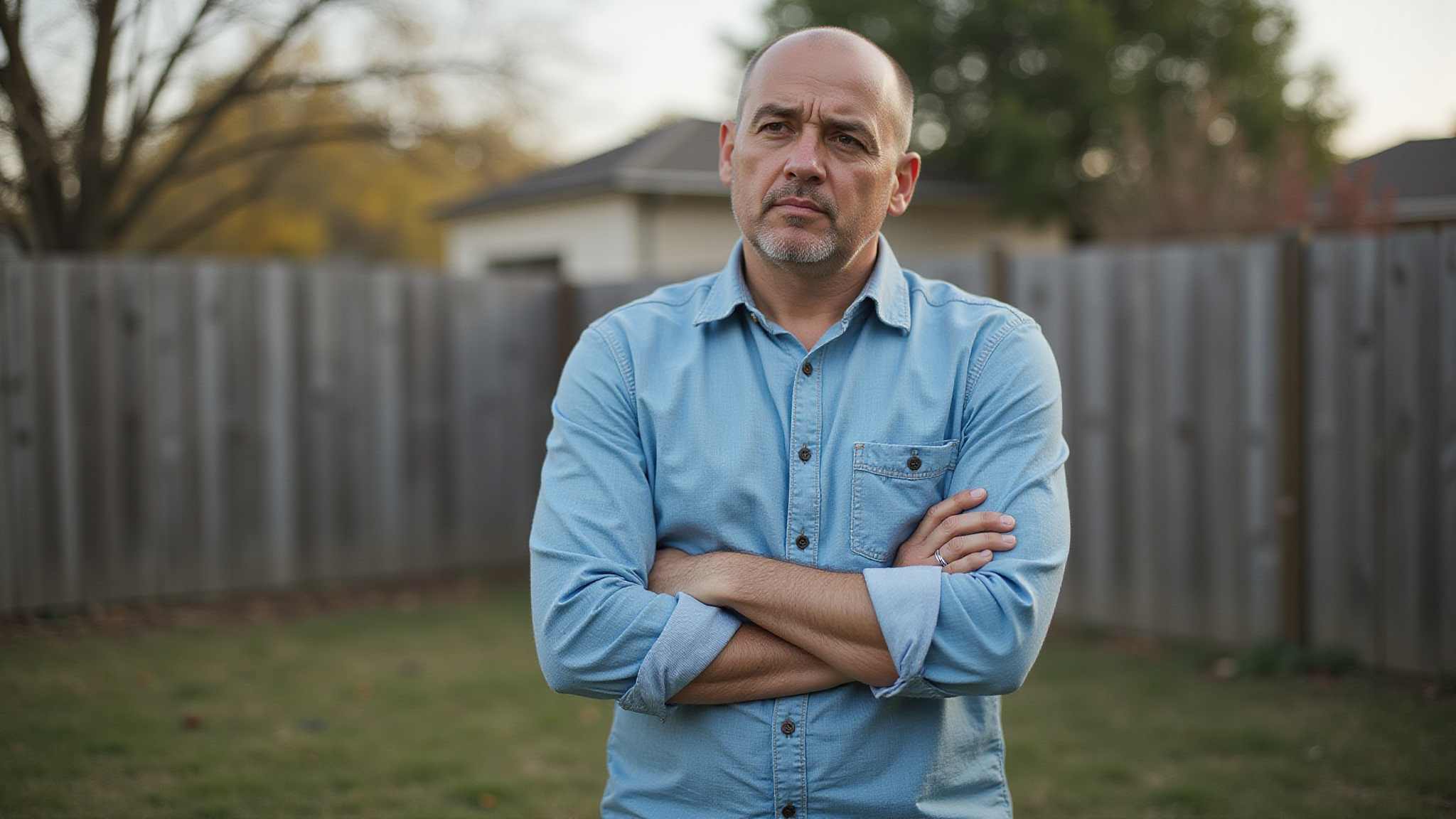






Caregiver burnout is physical, emotional, and mental exhaustion that builds gradually as your own needs slip. Watch for warning signs like persistent fatigue that rest won’t fix, disrupted sleep, appetite changes, frequent illness, and feelings of hopelessness or numbness. Unlike ordinary stress, burnout lingers despite breaks. To bounce back, you’ll want to reduce your load, rebuild routines, reconnect socially, and seek professional help if symptoms persist. Here’s how to recognize it and recover.
Key Takeaways
- Watch for physical signs like persistent fatigue, disrupted sleep, appetite changes, frequent illness, and emotional signs like hopelessness or anxiety.
- Unlike ordinary stress that eases with rest, burnout lingers despite breaks and brings numbness, forgetfulness, and a trapped feeling.
- Start recovery by reducing your load through respite care, family help, or task sharing to relieve ongoing pressure.
- Rebuild foundational routines like sleep, meals, and health, then reconnect with supportive social networks and restorative activities.
- Seek counseling, support groups, or medical care if symptoms persist, as they may signal larger health concerns needing assessment.
What Are Caregiver Burnout Symptoms and How Do You Recover

Caregiver burnout shows up in your body, emotions, thoughts, and behavior. You might feel persistent fatigue that rest won’t fix, struggle to sleep, or notice changes in your appetite. Emotionally, you may feel hopeless, anxious, or irritable, snapping at people you love. You might forget appointments, withdraw from friends, or lose interest in things you once enjoyed. These aren’t personal failures, they’re real warning signs your mind and body need attention.
Recovery starts when you reduce your load through respite care, family help, or task sharing. Rebuild your sleep, meals, and health routines, and restore social contact. Prioritizing self-care isn’t selfish. When symptoms persist, reach out for counseling, support groups, or medical care.
What Is Caregiver Burnout and What Causes It
Caregiver burnout is the state of physical, emotional, and mental exhaustion that builds when the demands of caring for someone else outpace the support and rest you’re getting. It doesn’t happen overnight. Instead, it accumulates gradually as ongoing stress wears down your resources faster than you can replenish them.
Several factors can drive this. When you’re providing care around the clock, sleep and personal needs often slip. Without respite or help from family, the load stays constant, and exhaustion deepens. Emotional strain adds up too, especially when you feel unappreciated, isolated, or unable to see improvement in your loved one’s condition.
If this sounds familiar, know that you’re not failing. Burnout is a recognized response to prolonged, unsupported caregiving, not a personal weakness.
What Are the Physical and Emotional Symptoms

Burnout produces both physical and emotional symptoms that can be easy to miss until they’ve taken hold. Physically, you might notice persistent fatigue that rest won’t fix, disrupted sleep, changes in appetite or weight, frequent illness, and recurring aches. These symptoms often signal that your body’s carrying more than it can sustain.
Emotionally, burnout can feel just as heavy. You may struggle with hopelessness, sadness, or anxiety that lingers beneath the surface.
| Physical Signs | Emotional Signs |
|---|---|
| Persistent fatigue | Hopelessness |
| Sleep disruption | Sadness or depression |
| Frequent illness | Irritability and mood swings |
If you’re feeling irritable, disconnected, or unable to find joy in things you once loved, you’re not failing, you’re overwhelmed, and that deserves attention. Grieving the loss of fertility can feel isolating and deeply painful, impacting every aspect of your life. It’s important to acknowledge these feelings and seek support from friends, family, or professionals who understand.
How Is Burnout Different From Ordinary Caregiver Stress
Burnout differs from ordinary caregiver stress because it settles in and won’t lift, even when you finally get a break. With everyday stress, you bounce back after rest, a good night’s sleep, or a few hours to yourself. Burnout is different. That persistent fatigue doesn’t improve, and the exhaustion runs deeper than tiredness. Here’s how to tell them apart:
- Recovery: Stress eases with rest; burnout lingers even after you sleep or take time off.
- Emotions: Stress feels manageable; burnout brings hopelessness, numbness, or resentment.
- Function: Stress passes; burnout leaves you forgetful, overwhelmed, and unable to concentrate.
- Outlook: Stress feels temporary; burnout makes you feel trapped and stuck.
If these signs sound familiar, you’re not weak, you’re depleted, and that matters.
How Do You Recover From Caregiver Burnout

You recover from caregiver burnout by reducing your load, rebuilding your foundation, reconnecting with others, and seeking professional care when symptoms persist. The first step is reducing your load. Arrange respite care, ask family to share tasks, or accept help you’ve been refusing. This restores time for sleep and recovery.
Next, rebuild your foundation. Prioritize consistent rest, regular meals, and the health routines you’ve neglected. These aren’t luxuries; they’re how you refill.
Then, reconnect. Reach out to friends, return to activities you’ve abandoned, and lean on counseling or support groups to work through guilt and hopelessness.
Finally, if fatigue, depression, or substance use won’t lift, seek medical or mental health care. Persistent symptoms signal something larger, and you deserve real support.
How Do You Prevent Burnout From Returning
Prevent burnout from returning by protecting the routines and support that helped you heal. Prevention isn’t about doing everything perfectly. Small, consistent habits matter far more than occasional big efforts, so build them into your daily life before strain returns.
- Keep sharing the load. Maintain respite care, family help, or task sharing so responsibilities never pile up again.
- Guard your sleep, meals, and health routines. These basics are your first line of defense against exhaustion.
- Stay connected. Protect time for friends, hobbies, and activities that restore you.
- Watch for early warning signs. When fatigue, irritability, or hopelessness resurface, act quickly with counseling, support groups, or medical care.
You deserve ongoing support, too.
How Do You Find Support as a Caregiver
You find support as a caregiver by starting with the people already around you. Ask family members to share tasks, or arrange respite care so you can rest and recover. You don’t have to carry everything yourself.
Counseling and caregiver support groups can help you work through stress, guilt, and hopelessness alongside others who understand what you’re facing. Many communities and caregiving organizations offer resources, from practical help to emotional support. Mental health resources for cancer patients are essential for navigating the emotional challenges that arise during treatment. These resources can include therapy options, support hotlines, and informational workshops specifically tailored for individuals facing cancer.
You don’t have to face the stress, guilt, and hopelessness alone, counseling and support groups connect you with people who understand.
If your symptoms persist, such as chronic fatigue, depression, increased substance use, or severe hopelessness, reach out for medical or mental health care. These can signal a larger health problem that deserves professional attention. Methods for coping with chronic illness can include developing a strong support network, engaging in regular physical activity, and practicing mindfulness techniques.
Seeking support isn’t a weakness. It’s how you keep going, for both of you.
Conclusion
Caregiver burnout builds quietly, showing up as exhaustion, irritability, withdrawal, and a sense of being depleted. Recognising these signs early is essential, because caregivers cannot pour from an empty cup. Setting boundaries, asking for and accepting help, taking real breaks, and tending to your own health all help you recover and keep going. Caring for yourself is not selfish; it is what makes caring for others sustainable.
Call Today and Get Support Through Change
Whether it’s caregiver burnout, divorce, retirement, or an empty nest, expert care helps you find calm through change. Through National Mental Health Support serving LaGrangeville, NY, we connect you with licensed mental health counselors who provide the right Trauma Therapy built around your unique story. Call +1 (844) 435-7104 today and begin a healthier chapter in your life.
Frequently Asked Questions
How Long Does It Typically Take to Recover From Caregiver Burnout?
There’s no fixed timeline, and that’s okay. Your recovery depends on how long you’ve been strained, how severe your symptoms are, and what support you can access. Once you reduce your load, rebuild sleep and meals, and restore social contact, you’ll often notice gradual improvement. If your fatigue, depression, or hopelessness persist despite these changes, don’t wait, seek medical or mental health care. Be patient with yourself; healing isn’t linear.
Can Caregiver Burnout Lead to Long-Term or Permanent Health Problems?
Yes, it can. When you’re under chronic stress, you might notice recurring headaches, insomnia, high blood pressure, and other stress-related problems that don’t ease on their own. Your resistance to infection can drop, leaving you sick more often. Left unaddressed, persistent fatigue, depression, and health decline may become lasting concerns. That’s why it’s so important to seek medical or mental health care when symptoms stick around, you deserve support and recovery.
Is Caregiver Burnout More Common Among Family or Professional Caregivers?
You’re more likely to experience burnout as a family caregiver, largely because you’re often unpaid, on call around the clock, and emotionally tied to the person you’re caring for. Professional caregivers face real strain too, but they usually have training, scheduled shifts, and time off. If you’re juggling caregiving alone without breaks, that added pressure makes burnout especially common, and it’s understandable you’d feel worn down.
Are There Financial Assistance Programs Available for Overwhelmed Caregivers?
Yes, financial assistance programs can help ease your load. You’ll find options like Medicaid self-directed care programs, which may pay family caregivers, plus veteran benefits, state respite funding, and tax credits. Reaching out to your local Area Agency on Aging is a great starting point, they’ll connect you with resources you qualify for. You’re carrying so much, and seeking financial support isn’t a weakness. It’s a smart, necessary step forward.
How Do I Talk to My Family About Sharing Caregiving Duties?
Start by calling a family meeting and being honest about how you’re feeling. Share specific signs of strain you’re noticing, like persistent fatigue or trouble concentrating. Then bring a clear list of tasks so relatives can pick what they’ll handle. Task sharing genuinely restores time for rest and recovery, so you’re not carrying everything alone. It’s okay to ask directly, you deserve support, and sharing the load protects everyone involved.