









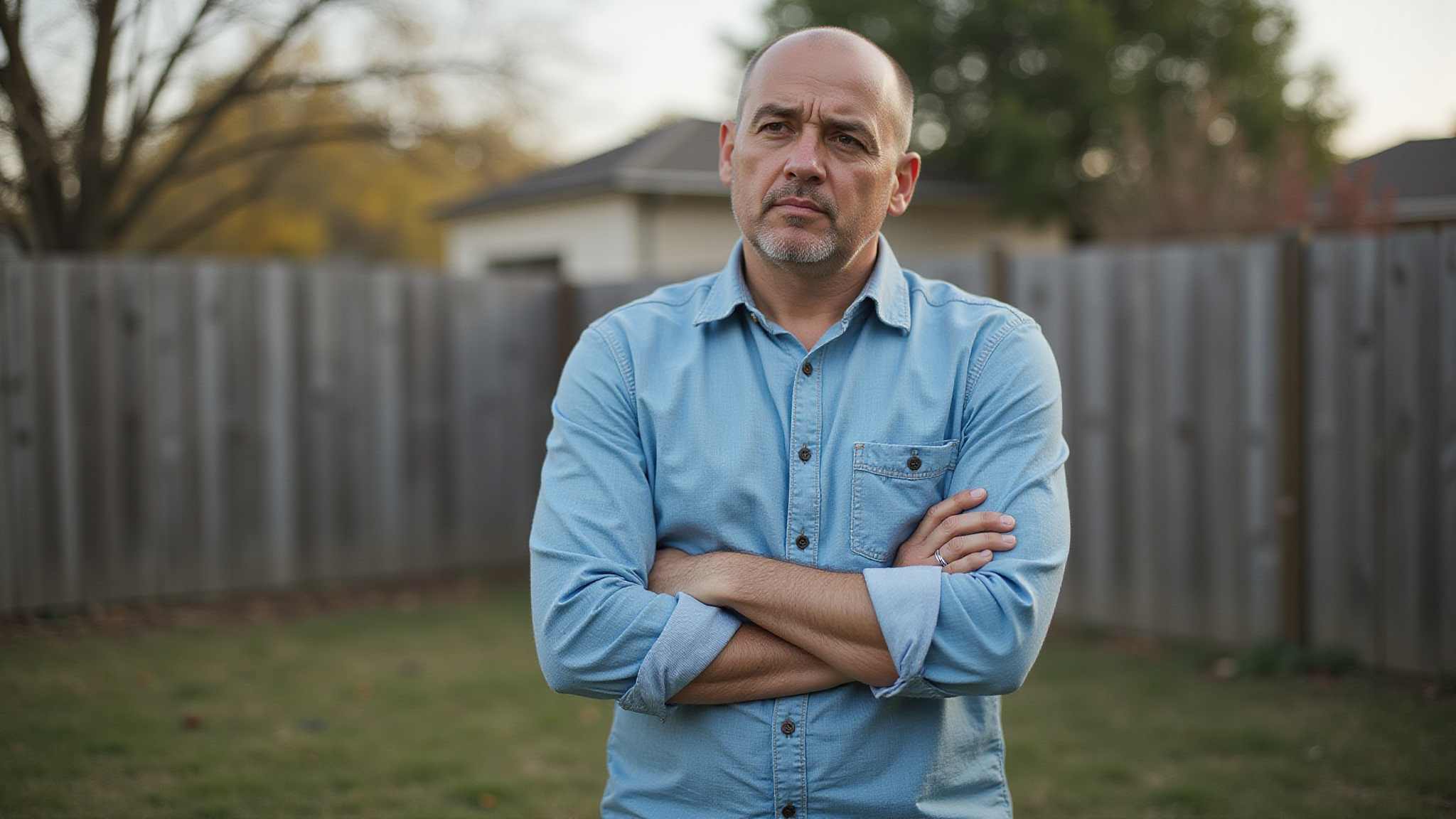




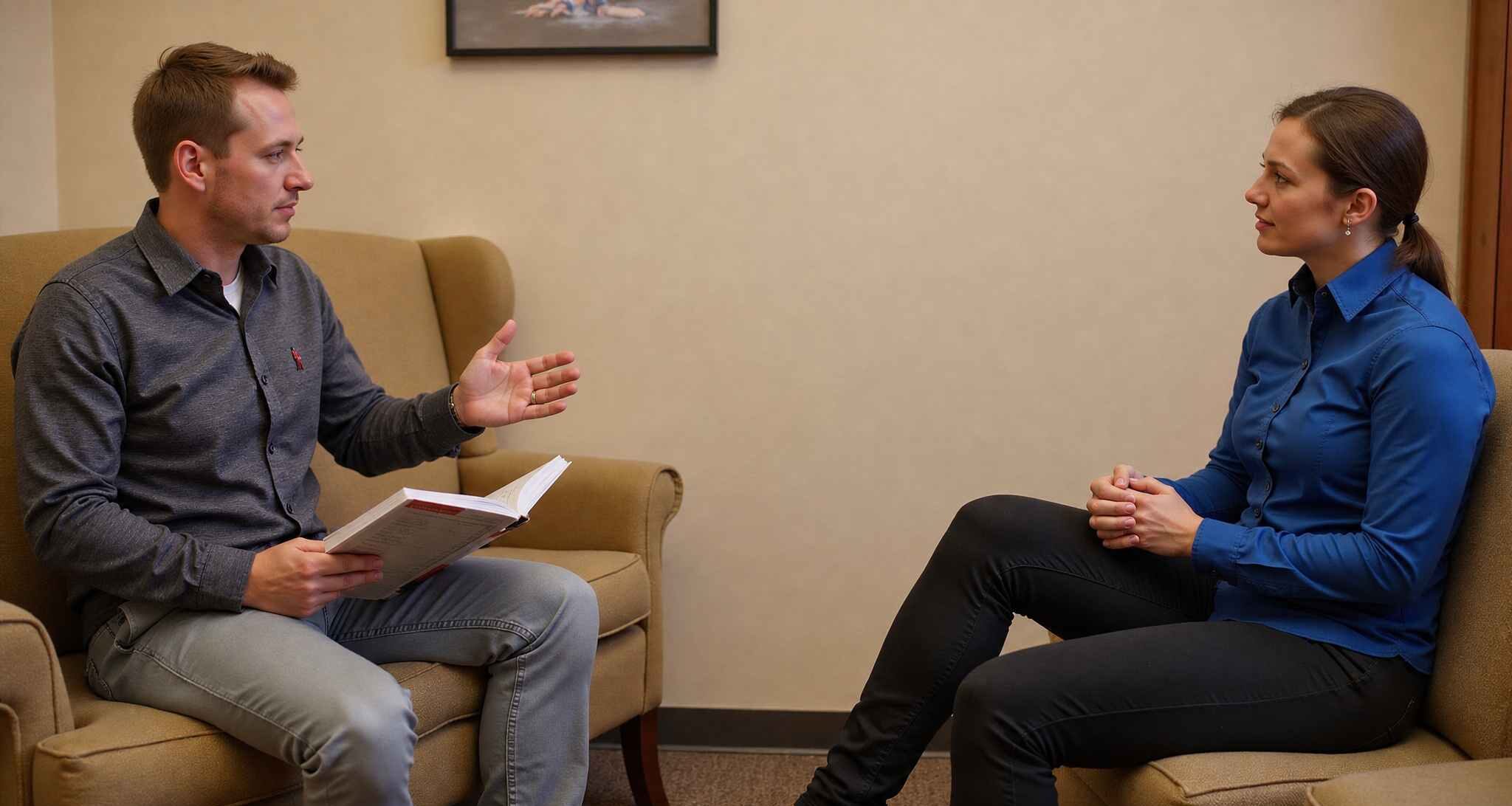

Your first group therapy session follows a structure designed to make the room feel safe before anyone is asked to say anything difficult. You arrive, the therapist introduces themselves and explains the group’s purpose, and everyone agrees on ground rules and confidentiality. Then comes a check-in where members share how they are doing. Sharing is invited, never required. Knowing the shape of the hour ahead is usually enough to take the edge off the nerves.
Key Takeaways
- The session begins with arrival, introductions, ground rules, and a confidentiality agreement to establish safety and structure.
- The therapist greets everyone, explains their role, and defines the group’s purpose to reduce anticipatory anxiety.
- A check-in follows where members share their current emotional state, and some briefly introduce themselves or share feelings.
- Sharing is always invited and never forced, so you can participate at your own comfort and readiness level.
- The session ends with a cool-down including integration, a therapist summary, and confirmation of the next meeting.
What happens in your first group therapy session

Your first group therapy session follows a predictable structure designed to put you at ease. Your therapist greets the group and speaks briefly with each member, then introduces themselves, explains their role, and defines the group’s purpose.The session follows a clear sequence: arrival, introductions, ground rules, and a confidentiality agreement, which reduces anticipatory anxiety.
During a typical group therapy session, you’ll take part in a check-in, sharing your current emotional state or a weekly reflection. Members introduce themselves, and some offer quick updates on their progress or feelings. You’re never forced to share more than you’re ready to. This first group therapy session establishes safety, structure, and the foundation for meaningful therapeutic work ahead.
What is group therapy
Group therapy brings several people together with a trained facilitator to work through shared challenges in a structured, confidential setting. Unlike individual therapy, you’re not working one-on-one; instead, you’re learning alongside peers who understand what you’re facing. A therapist guides the discussion directly, introduces coping strategies, and ensures everyone has a fair chance to contribute. Differences between therapy and support groups can significantly impact an individual’s choice for mental health care.
You’ll find that group therapy creates a safe space for self-expression and peer learning. You’re never forced to share before you’re ready, and participation is invited but never mandatory. The setting follows a predictable structure, which reinforces psychological safety. Research shows that connecting with others who share similar struggles reduces isolation and builds practical skills in fact, the shared presence of peers is part of what makes group therapy effective. That shared experience is what makes group therapy uniquely effective.
How should you prepare for your first session

To prepare for your first session, arrive a few minutes early, bring an open mind, and remember the facilitator guides everything. Your first meeting follows a predictable sequence: arrival, introductions, ground rules, and a confidentiality agreement. You’ll review five non-negotiable expectations, arrive on time, stay the full session, respect confidentiality, share time fairly, and use words not actions. This structure reduces anticipatory anxiety.
You don’t need to prepare disclosures or rehearse what you’ll share. Participation is invited, never mandatory, so you won’t be forced to be vulnerable before you’re ready. Expect a brief warm-up, a check-in on your current emotional state, and possibly an icebreaker to build rapport.
That’s genuinely all you need to feel prepared.
What actually happens during a group therapy session
A group therapy session moves through a predictable structure from start to finish. The therapist greets the group and briefly connects with each member individually. You’ll begin with introductions and a check-in, where you can share your current emotional state or a weekly reflection. A warm-up activity, lasting 10 to 15 minutes, sets the tone. From there, the main therapeutic work continues for 60 to 90 minutes, guided directly by the facilitator. You might join round-robin discussions, learn coping strategies, or practice a mindfulness minute. Remember, participation is invited but never mandatory. Finally, a cool-down phase helps you integrate the experience, the therapist summarizes key themes, and the session closes on a hopeful note with your next meeting confirmed.
How might you feel during your first session

You’ll likely feel a mix of nervousness and anticipation during your first session, and that’s completely normal. You might worry about being judged, forget what you meant to say, or feel unsure whether you belong. These reactions are common and expected.
Remember, you’re never forced to share before you’re ready. Participation is invited, not mandatory, so you can simply observe and listen until you feel comfortable. This reduces the pressure many people anticipate.
As the session progresses, warm-up activities and ground rules help create psychological safety, and you’ll often notice your anxiety easing. Hearing others express similar concerns can bring relief and connection.
What are the benefits of group therapy
Group therapy offers the chance to heal alongside others who understand what you’re facing. You’ll discover you’re not alone. Hearing others voice similar struggles reduces isolation and normalizes your experience. As you listen and share, you’ll gain new perspectives and practical coping strategies drawn from peers’ lived experiences, not just clinical theory.
The group becomes a safe space to practice communication and build trust, skills that transfer directly to relationships outside the room. You’ll receive honest feedback and genuine support, which strengthens self-awareness and accountability. Research consistently shows group therapy is as effective as individual therapy for a wide range of conditions, including anxiety, depression, and trauma. Perhaps most importantly, you’ll experience connection, the reassuring reminder that healing happens more effectively when you’re not doing it alone.
How do you get the most out of group therapy
Get the most out of group therapy by showing up consistently and arriving on time. Commit to staying for the full session, since core therapeutic work often unfolds gradually. You’re never forced to share before you’re ready, but participation, when you feel able, deepens the benefit. Respect confidentiality, and you’ll help build the psychological safety everyone needs to open up.
Engage honestly during check-ins and round-robin discussions, offering your reflections while giving others fair time to speak. Use words, not actions, to express difficult emotions. Completing optional homework, like journaling or practicing breathing techniques, reinforces progress between sessions.
Approach the experience with curiosity rather than judgment. The more you invest, through presence, openness, and consistency, the more you’ll gain from the shared process.
Conclusion
Almost everyone walks into that first room convinced they are the only one who feels out of place, and almost everyone is wrong about that. What usually surprises people is how quickly the nerves fade once someone else says the thing they thought only they were carrying. You do not have to be ready to talk. You only have to show up and let the room do what it does. If you are thinking about starting and want help finding a group that fits, National Mental Health Support can walk you through the options.
Call Now and Connect With Group Therapy Support
Whether you’re new to group therapy or looking for a better fit, having the right guidance makes all the difference. Through National Mental Health Support serving Nassau County, we refer you to licensed therapists who offer the right Group Therapy program built around your story. Call +1 (844) 435-7104 today and begin a healthier chapter in your life.
Frequently Asked Questions
How Much Does Group Therapy Typically Cost per Session?
Group therapy fees typically vary based on your location, provider credentials, session length, and insurance coverage. Sessions usually cost less than individual therapy, often a third to a half as much. You’ll want to contact your facilitator or clinic directly for accurate rates. Many practices offer sliding-scale options, so don’t hesitate to ask about affordable arrangements that fit your budget and needs.
Is Group Therapy Covered by Health Insurance?
Yes, many health insurance plans cover group therapy, though your coverage depends on your specific policy. You’ll want to contact your insurance provider directly to confirm your benefits, ask about copays, and check whether you need a referral or pre-authorization. Many plans treat group therapy as a covered mental health service, often at a lower out-of-pocket cost than individual sessions. Verifying ahead of time helps you avoid unexpected expenses.
How Many People Are Usually in a Therapy Group?
You’ll typically find between six and twelve people in a therapy group, though the exact number varies by setting and focus. This range isn’t arbitrary, since it’s small enough that you’ll get fair time to share, yet large enough for diverse perspectives and peer learning. You’re never forced to speak before you’re ready, so even in a fuller group, you can participate at your own comfortable pace. That balance supports genuine connection.
Can I Attend Both Group and Individual Therapy Simultaneously?
Yes, you can attend both group and individual therapy at the same time, and many people find this combination especially effective. Individual sessions let you explore personal issues in depth, while group therapy offers peer support and shared learning. Together, they reinforce your progress from different angles. Talk with your therapist about coordinating both, so your treatment stays aligned and you get the most benefit from each approach.
How Long Does a Full Course of Group Therapy Last?
Most closed, structured groups run 8 to 12 weeks, while open-ended process groups can continue for months or longer. The right length depends on your goals and the format your facilitator recommends. Your facilitator can give you a clear timeline once they’ve assessed your situation. Don’t hesitate to ask them directly, since they’ll help you understand what to expect so you can plan with confidence.