









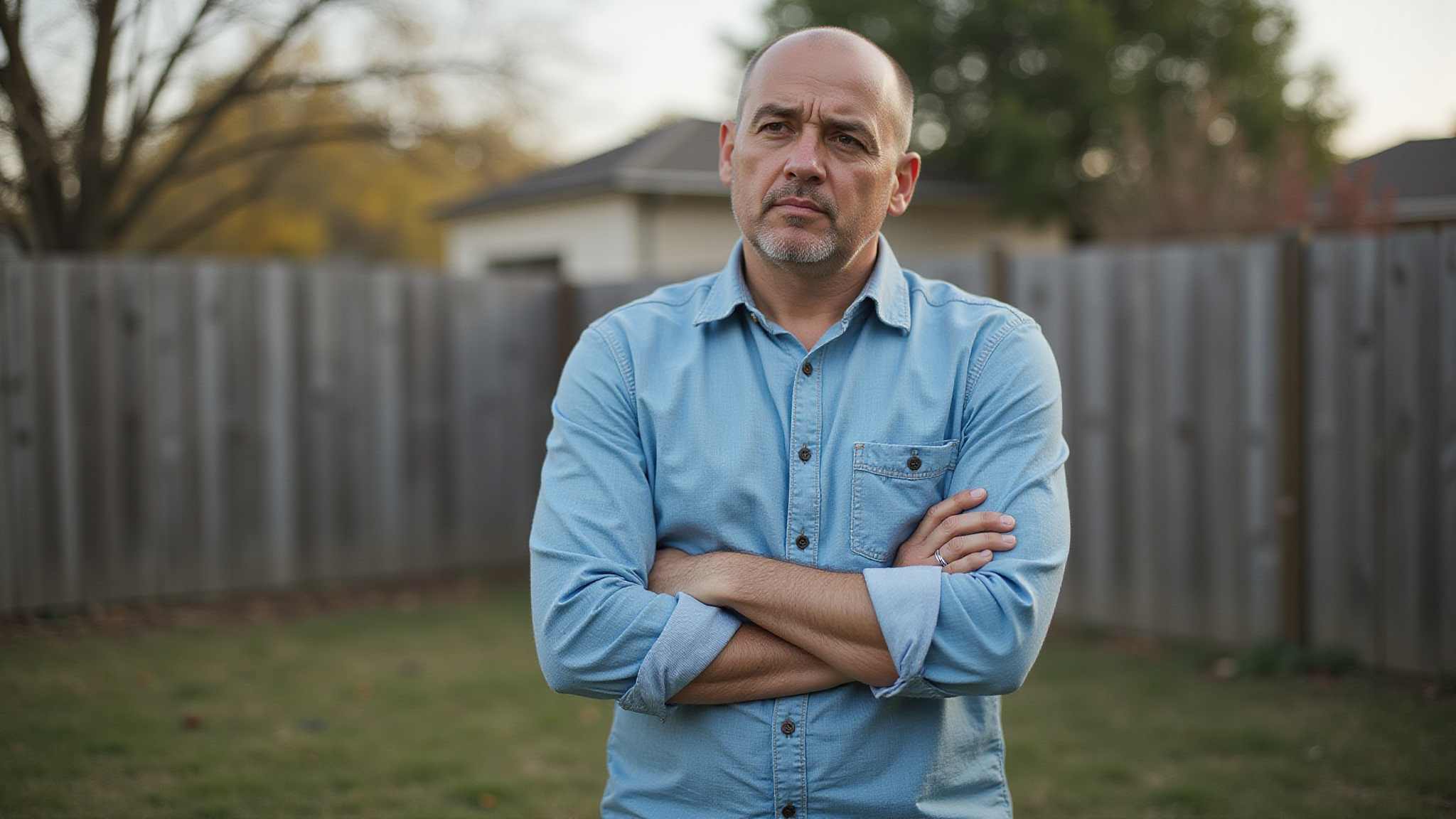




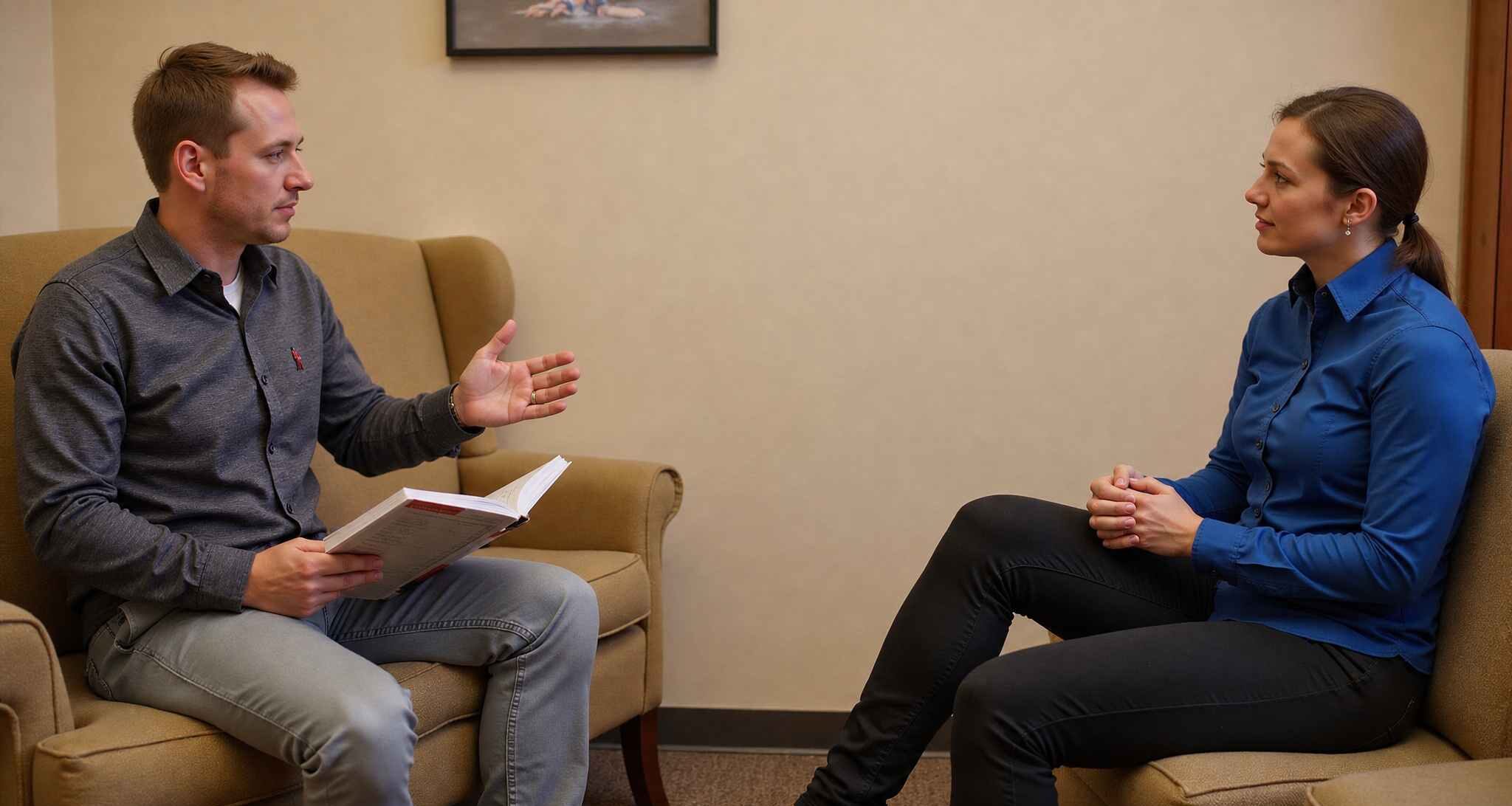

PTSD can show up much later in adult life, sometimes thirty or forty years after the event that caused it. What usually happens is not that something new appears out of nowhere, but that something old stops being held down. Retirement ends the routine. A spouse dies. Health declines and the days get quiet. The distractions that kept it manageable fall away, and the processing that never finished starts up again.
Key Takeaways
- PTSD can emerge decades after trauma, with full diagnostic criteria sometimes not met until at least six months after exposure.
- Symptoms rarely appear out of nowhere, as sub-threshold signs often quietly persist before intensifying later in life.
- Retirement, loss of routine, declining health, losing a spouse, or new stressors can reopen unresolved emotional processing.
- Adult signs may include chronic pain, fatigue, irritability, poor sleep, memory problems, emotional numbness, nightmares, and hypervigilance.
- Trauma-focused therapies like CBT, EMDR, and prolonged exposure show strong outcomes even decades after the original event.
When PTSD Shows Up in Adult Life
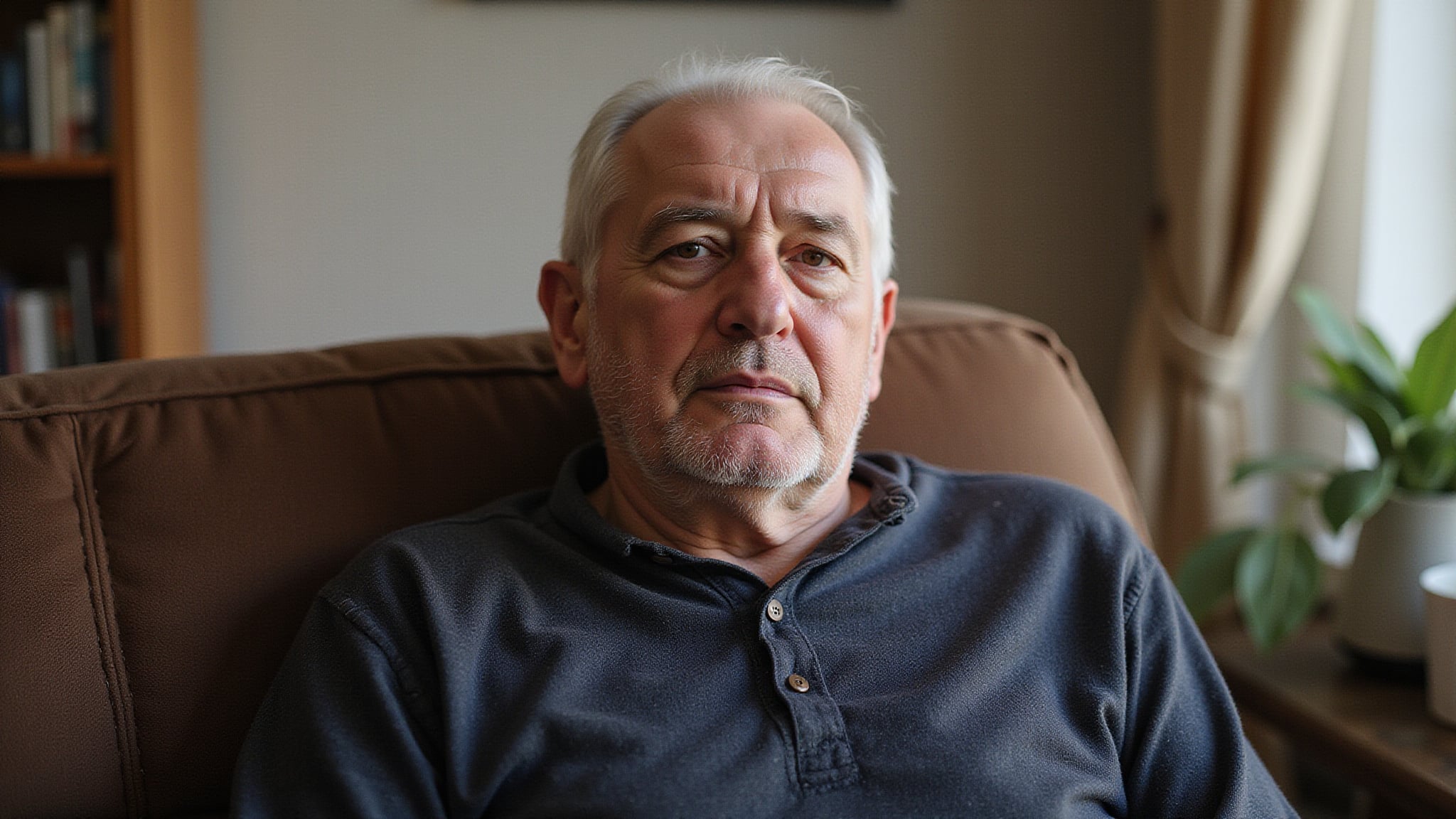
PTSD can show up in adult life much later than the traumatic event that caused it, sometimes decades down the line. Although many people assume PTSD surfaces immediately after a traumatic event, DSM-5 recognizes this delayed pattern as “delayed expression,” meaning you don’t meet full diagnostic criteria until at least six months after exposure. With delayed onset PTSD, you rarely develop symptoms completely out of the blue. Most people experience sub-threshold symptoms during the first year, which quietly persist before intensifying.
PTSD in adulthood often resurfaces triggered by major life changes such as retirement, losing a spouse, declining health, or becoming a caregiver. As busy routines fade, your brain gains time to process unresolved emotions. If you’re noticing late PTSD symptoms now, understand you’re not imagining it, and effective help remains available. Understanding PTSD triggers and responses can significantly aid in managing symptoms. Recognizing these triggers allows individuals to prepare and develop coping strategies.
What causes it to surface in adulthood
PTSD surfaces in adulthood when current stress reopens unfinished emotional processing and your brain, no longer occupied by routines and distractions, finally gains time to process buried emotions. When those routines and distractions disappear, this delayed processing often triggers delayed PTSD. Major life changes frequently drive PTSD onset later in life:
- Retirement or loss of routine, which removes the busyness that once kept trauma at bay
- Loss of a spouse or declining health, which reduces your coping resources and social support
- New traumatic events or added stressors, which overwhelm your ability to manage earlier experiences
These changes don’t necessarily worsen the trauma itself. Instead, they strip away the structures that once helped you keep symptoms contained.
What are the signs to look for in adults
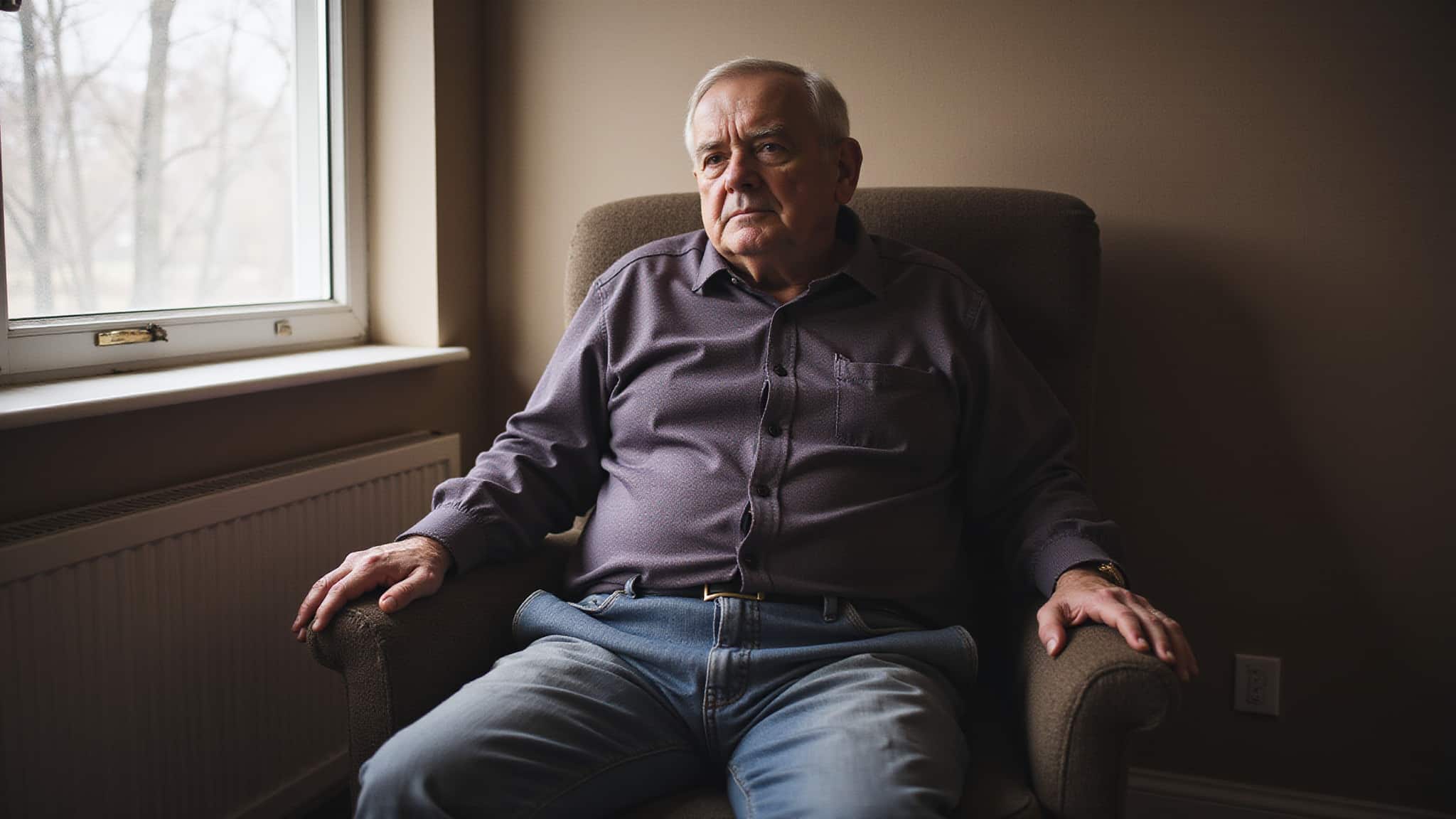
The signs of PTSD in adults often don’t look like what you’d expect. Instead of obvious flashbacks, you might notice chronic pain, fatigue, irritability, memory problems, or social withdrawal. Poor sleep, trouble falling or staying asleep, frequently signals that unresolved trauma is resurfacing.
Watch for panic attacks, dizziness, chest pain, and emotional detachment or numbness. You may also experience nightmares, hypervigilance, and rising anxiety or depression. These physical and emotional symptoms can feel confusing, especially when they emerge decades after the original event.
Keep in mind that an uptick in symptoms usually reflects new stressors or reduced coping resources rather than worsening trauma. If you’re recognizing these patterns in yourself or someone you love, they deserve attention.
How does it affect daily life and relationships
Trauma that resurfaces late in life affects your daily routines and closest relationships, seeping into ordinary moments rather than staying contained to quiet times alone. You might notice chronic pain, fatigue, or irritability that strains interactions with family and friends. Memory problems and emotional detachment can leave you feeling numb, disconnected from the people you love most.
The symptoms often show up in ways that surprise you:
- Social withdrawal that pulls you away from support networks right when you need them
- Poor sleep and hypervigilance that erode your patience and energy for others
- Panic attacks or physical sensations that disrupt ordinary tasks
These changes can create confusion and isolation, but recognizing them as trauma responses, not personal failings, helps you seek support and rebuild connection.
Why can PTSD appear years after trauma
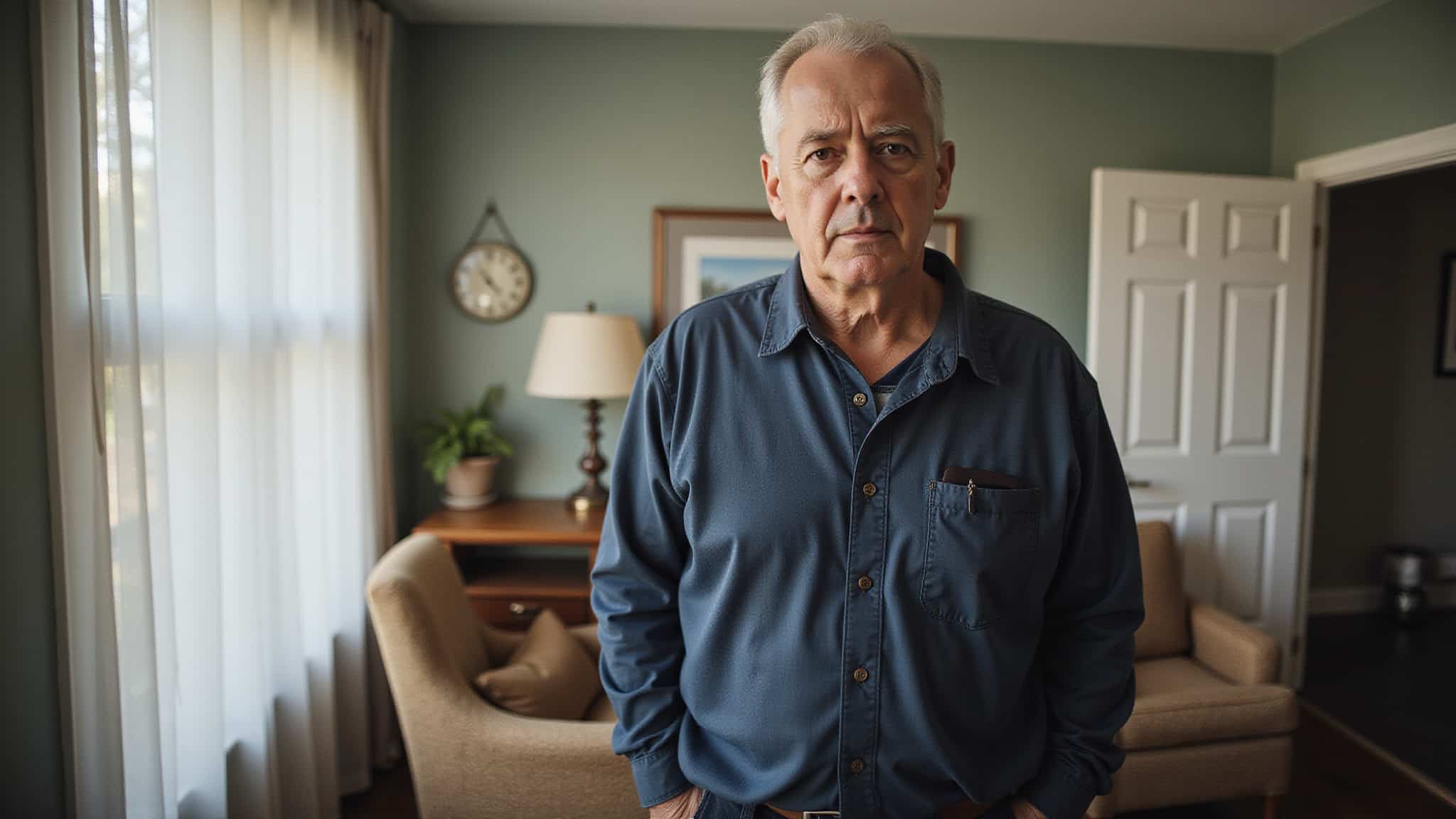
PTSD can surface years later because the brain never fully processed the original trauma. When routines, work, and distractions fall away, your mind finally gains the space to confront unfinished emotional processing. Major life transitions often act as the catalyst that reopens these old wounds. Understanding ptsd triggers in detail can help individuals recognize the signs and take proactive steps to mitigate their effects. By identifying specific stimuli that evoke distress, one can develop coping strategies tailored to their unique experiences.
| Trigger | How It Reopens Trauma |
|---|---|
| Retirement | Removes the busy routine that kept memories suppressed |
| Loss of a spouse | Grief resurfaces long-buried traumatic memories |
| Declining health | Reduces coping resources and increases vulnerability |
| Becoming a caregiver | Adds stress that overwhelms your ability to cope |
| New trauma | Compounds prior experiences, triggering delayed onset |
Importantly, most delayed cases follow earlier sub-threshold symptoms rather than emerging completely without warning.
How is it treated in adults
PTSD in adults is treated primarily with trauma-focused psychotherapies, which deliver strong outcomes for delayed-onset cases, even decades after the original event. Your treatment team may recommend approaches proven effective later in life:
Trauma-focused therapies offer strong outcomes for PTSD, even for delayed-onset cases emerging decades after the original event.
- Cognitive Behavioral Therapy (CBT), including cognitive processing therapy, which helps you reframe distressing thoughts tied to the trauma.
- Eye Movement Desensitization and Reprocessing (EMDR), which supports your brain in reprocessing unresolved emotional material.
- Prolonged exposure therapy, which gradually reduces the power of avoided memories and triggers.
PTSD doesn’t have a quick cure, but you can manage it. Progress is often non-linear, with harder days during stress or reminders, yet improvement remains genuinely achievable.
How do you find help for adult PTSD
To find help for adult PTSD, start by reaching out to a mental health professional trained in trauma-focused care. Look for therapists who offer evidence-based treatments like Cognitive Behavioral Therapy (CBT), Eye Movement Desensitization and Reprocessing (EMDR), cognitive processing therapy, or prolonged exposure. These approaches show strong outcomes for delayed-onset PTSD, even decades after the event.
Ask your primary care doctor for a referral, or contact a specialized trauma clinic. If you’re a veteran, veterans’ health services often provide targeted support. Remember, it’s never too late to seek help. Recovery isn’t a quick cure, and progress often comes with ups and downs, but with professional support, you can manage your symptoms and reclaim your life.
Conclusion
There is a particular kind of shame in this, the sense that you handled it at the time and should not be falling apart about it now, decades on, when everyone else has moved past it. That reasoning does not hold. Coping is not the same as processing, and a mind that finally has room to finish something it started long ago is not going backwards. Trauma-focused therapy works at seventy as well as it works at thirty, and the research on delayed-onset cases bears that out. If something long buried has started surfacing, National Mental Health Support can connect you with a trauma-informed therapist.
Find Trauma-Informed Support for PTSD
Living with PTSD, flashbacks, and hypervigilance is exhausting, and the right professional support can help you find lasting relief. Through National Mental Health Support serving Bronx County, we refer you to licensed therapists who offer the right Trauma Therapy program built around your healing. Call +1 (844) 435-7104 today and take the first step toward healing.
Frequently Asked Questions
Can Late-Onset PTSD Be Prevented After Experiencing Early Trauma?
You can reduce your risk, though prevention isn’t guaranteed. If you’ve experienced early trauma, addressing sub-threshold symptoms matters most, since most delayed cases follow early warning signs rather than appearing completely out of the blue. Seeking trauma-focused therapy like CBT or EMDR early helps process unresolved emotions. Building strong coping structures and social support can buffer you against later triggers like retirement, grief, or declining health. It’s never too late.
Is Delayed-Onset PTSD More Common in Men or Women?
The knowledge provided doesn’t specify whether delayed-onset PTSD affects men or women more frequently, so you shouldn’t assume a definitive answer here. What you can focus on instead are the established risk factors: sub-threshold symptoms after your initial trauma, additional life stressors, and reduced coping resources later in life. If you’re worried about your own risk, know that effective, evidence-based treatments exist for you regardless of gender or elapsed time.
How Is Late-Onset PTSD Different From Dementia or Aging?
You’ll notice late-onset PTSD often shows up as memory problems, irritability, or social withdrawal, which can mimic dementia or normal aging. But here’s the key difference: your symptoms trace back to unresolved trauma, frequently resurfacing after triggers like retirement or losing a spouse. Unlike progressive dementia, PTSD doesn’t necessarily worsen over time, since it reflects new stressors or reduced coping resources. That’s important, because trauma-focused therapy can effectively help you manage it.
Can Medications Help Manage Delayed-Onset PTSD in Older Adults?
Yes, medications can help you manage delayed-onset PTSD symptoms, though they work best alongside trauma-focused therapies like CBT or EMDR. While the knowledge here emphasizes talk therapies as highly effective later in life, you shouldn’t overlook medical support. Talk with your doctor about options tailored to your needs, especially if you’re experiencing sleep problems, anxiety, or depression. Remember, it’s never too late to seek help, and recovery’s possible.
How Long Does Treatment for Late-Onset PTSD Usually Take?
There’s no set timeline for your recovery, since PTSD doesn’t have a quick cure. Instead, it’s managed over time, and your progress will likely be non-linear, marked by ups and downs. Some days may feel harder, especially during stress or reminders of the event. Trauma-focused therapies like CBT, EMDR, cognitive processing therapy, and prolonged exposure show strong outcomes. Remember, it’s never too late to seek help, and effective treatment’s available regardless of elapsed time.