











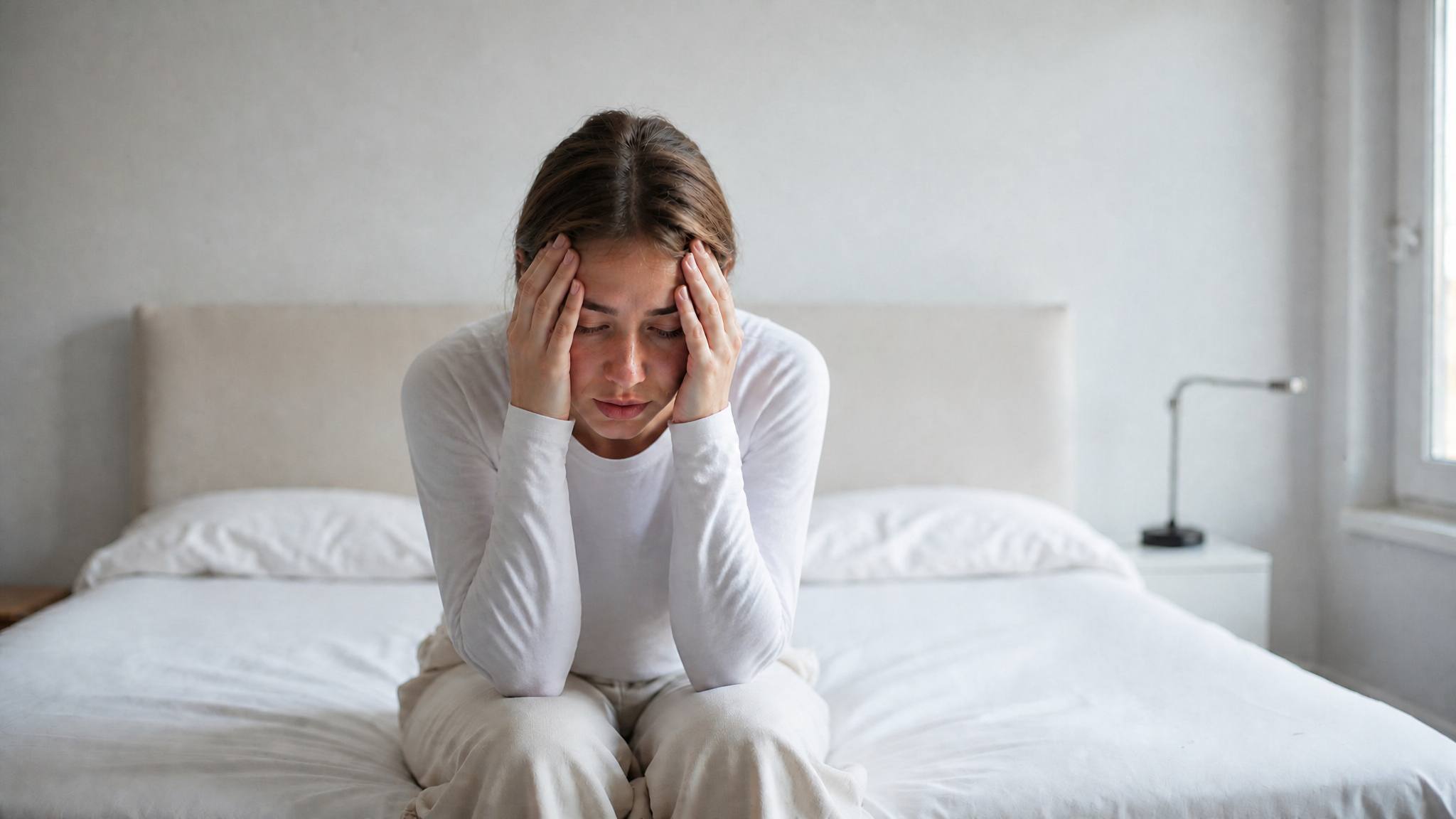




PMS and PMDD share the same timing and physical symptoms, but PMDD is far more severe. You’ll notice both start in the luteal phase, about 1 to 2 weeks before your period, then ease once bleeding begins. The key difference is mood. With PMDD, you’ll experience intense irritability, hopelessness, or feeling out of control, severe enough to disrupt your work, relationships, and daily life. Understanding these distinctions can help you recognize what you’re actually facing.
Key Takeaways
- PMDD is a severe, disabling form of PMS that disrupts work, relationships, and daily functioning, while PMS remains manageable.
- Both share physical symptoms like bloating and fatigue, but PMDD is distinguished by intense mood symptoms.
- Watch for PMDD-specific signs: marked irritability, hopelessness, feeling out of control, or heightened sensitivity to rejection.
- Both follow a cyclical pattern, starting 1 to 2 weeks before menstruation and improving once bleeding begins.
- PMS affects about 20 to 30% of people, while PMDD is rarer, affecting roughly 2 to 8%.
How Do You Tell PMDD Symptoms From Regular PMS

You can tell whether you’re dealing with PMDD or regular PMS by looking at severity and life impact. PMS is common and usually manageable, but PMDD is a severe, sometimes disabling extension that disrupts your work, relationships, and daily functioning. When comparing PMDD vs PMS, pay close attention to your mood symptoms. Both conditions share physical complaints like bloating and fatigue, but PMDD centers on intense emotional shifts, marked irritability, hopelessness, or feeling out of control. The timing of symptoms matters too. Both typically begin in the luteal phase, about one to two weeks before menstruation, then improve once bleeding starts. If your symptoms don’t follow this cyclical pattern, another condition may be responsible, and you deserve proper evaluation.
What Is PMDD and How Is It Different From PMS
PMDD is a severe, sometimes disabling extension of PMS rather than a separate, unrelated condition. Both share overlapping symptoms, but the key distinction comes down to symptoms severity and how much they disrupt your life. PMS is common and usually manageable, but PMDD can damage your relationships and derail your daily functioning.
Here’s how PMDD differs from PMS:
- Intensity: PMDD symptoms are far more severe, especially extreme mood shifts.
- Impact: PMDD can be disabling, interfering with work and relationships.
- Prevalence: PMS affects about 20 to 30% of menstruating people, while PMDD affects roughly 2 to 8%.
If you’re feeling overwhelmed or out of control before your period, you’re not imagining it. These differences matter for getting appropriate care.
How Do the Symptoms of PMDD and PMS Compare

PMDD and PMS share the same symptoms but differ in intensity. The same underlying triggers, cyclical shifts in hormones during the luteal phase, produce overlapping physical and emotional experiences. What changes is severity. PMS stays manageable; PMDD becomes disabling, disrupting your work and relationships.
| Symptom | How It Compares |
|---|---|
| Bloating & breast tenderness | Common in both |
| Fatigue & sleep changes | Present in both |
| Irritability & anxiety | Shared, intensified in PMDD |
| Depressed mood | More severe in PMDD |
| Hopelessness or despair | Points strongly toward PMDD |
If your mood symptoms feel extreme or out of control, that’s your clue to pursue a formal diagnosis rather than assuming it’s ordinary PMS.
What Emotional Symptoms Set PMDD Apart
Certain emotional symptoms flag PMDD rather than ordinary PMS when they amplify shared traits like irritability, anxiety, and mood swings to a disabling degree. You’ll notice not just occasional edginess, but marked anger, severe sadness, and a sense of being out of control that damages your relationships and daily functioning. New mom scary intrusive thoughts can add to the emotional turmoil experienced during this time. These thoughts may manifest as fears about the baby’s wellbeing, leading to overwhelming anxiety and second-guessing oneself.
When irritability, anxiety, and mood swings turn disabling, cyclical, and relationship-damaging, they signal PMDD rather than ordinary PMS.
Watch for these PMDD-specific red flags:
- Marked irritability or anger that feels disproportionate and hard to contain.
- Severe sadness, hopelessness, or worthlessness, sometimes with suicidal thoughts that demand urgent attention.
- Heightened sensitivity to conflict or rejection, leaving you feeling overwhelmed or on edge.
If your mood symptoms turn intense, cyclical, and life-disrupting rather than merely uncomfortable, they point toward PMDD, and warrant a clinical conversation soon.
How Is PMDD Diagnosed

PMDD is diagnosed through timing and tracking, not a single visit. You’ll typically chart your symptoms daily across at least two menstrual cycles, showing they cluster in the luteal phase, about one to two weeks before your period, and ease within a few days of bleeding starting.
Your clinician looks for at least five symptoms, with the emphasis on mood: marked irritability, depressed mood, anxiety, or feeling overwhelmed and out of control. Crucially, these symptoms must interfere with your work, relationships, or daily functioning. Does menopause cause anxiety is a question many women ponder as they navigate this life stage. The increase in hormonal changes can significantly affect emotional well-being.
They’ll also rule out other conditions. If your symptoms don’t follow the cyclical pattern, that points elsewhere. This rigorous, evidence-based process protects you from a rushed or inaccurate diagnosis.
How Are PMDD and PMS Treated Differently
PMS and PMDD are treated differently because they differ so sharply in severity. If you have PMS, you’ll often find relief through manageable, lifestyle-focused steps. PMDD, being a disabling mood disorder, usually demands more targeted medical intervention.
Here’s how the approaches typically differ:
- PMS relief: You’ll focus on exercise, dietary tweaks, better sleep, and over-the-counter remedies for cramps, bloating, or breast tenderness.
- PMDD mood management: You’ll likely need SSRIs, which effectively target the severe irritability, sadness, and hopelessness that mark PMDD.
- Hormonal or specialized care: Your clinician might recommend cycle-regulating hormonal options or closer monitoring, especially if you’ve had suicidal thoughts.
Because PMDD centers on intense mood symptoms, you deserve support that matches that severity, not dismissal.
When Should You See a Doctor
See a doctor when your symptoms start interfering with work, relationships, or daily functioning. If your mood shifts feel severe, marked irritability, anger, hopelessness, or feeling out of control, it’s time to talk to a doctor. Track your symptoms across at least two cycles, noting when they appear and resolve. This record helps confirm the luteal-phase pattern that distinguishes PMDD from other conditions. Bring it to your appointment, since diagnosis typically requires at least five symptoms tied to your cycle.
Don’t wait if symptoms damage your relationships or make everyday tasks feel unmanageable. Most importantly, if you experience suicidal thoughts, seek urgent care immediately, this isn’t something to manage alone. Effective treatments exist, and getting an accurate diagnosis is the first step.
Conclusion
PMDD and ordinary PMS share some symptoms, but PMDD is far more severe, marked by intense mood changes, irritability, and distress that disrupt daily life in the days before a period. Tracking symptoms across several cycles is the clearest way to tell them apart and to guide treatment. Options ranging from lifestyle changes to therapy and medical care can significantly ease PMDD. Recognising the difference is the first step toward getting the right support.
Reach Out Today and Find Real Support
Whether you’re navigating ADHD, hormonal changes, or driving anxiety, professional support brings real relief. Through National Mental Health Support serving Newburgh, NY, we connect you with licensed mental health counselors who provide the right Individual Therapy and compassionate support built around your needs. Call +1 (844) 435-7104 today and take the first step toward healing.
Frequently Asked Questions
Can PMDD Go Away on Its Own Over Time?
PMDD symptoms typically won’t disappear permanently on their own while you’re still cycling, since they’re tied to your menstrual cycle’s luteal phase. You’ll notice they ease after bleeding starts, then return each month. They can shift with hormonal changes like pregnancy or menopause, but they usually persist across your reproductive years. If they’re disrupting your life, don’t wait it out, reach out for evaluation and treatment that genuinely help.
Does PMDD Affect Fertility or the Ability to Conceive?
PMDD doesn’t affect your fertility or ability to conceive. Your symptoms are tied to hormonal shifts in the luteal phase, but they don’t impair ovulation or your reproductive capacity. You can still get pregnant normally. That said, if you’re planning to conceive, it’s worth discussing your treatment options with your provider, since some medications used for PMDD may need adjusting. Your fertility itself, though, stays intact.
Is PMDD Hereditary or Passed Down Through Families?
Research suggests PMDD does have a hereditary component. Some women appear to be genetically more sensitive to the normal hormonal shifts of the menstrual cycle, and a family history of PMDD, severe PMS, or mood disorders such as depression can raise the likelihood of developing it. Genes are not the whole story, since stress, trauma, and other health factors also play a role, but they help explain why PMDD can run in families. If close relatives have struggled with similar symptoms, it is worth raising with your clinician, who can review your history and guide appropriate support.
Can Birth Control Pills Trigger or Worsen PMDD?
Yes, birth control pills can trigger or worsen your PMDD symptoms, though responses vary widely. Some people find hormonal contraceptives ease their mood swings and irritability, while others notice worsening depression, anxiety, or emotional sensitivity. Your body’s reaction depends on the specific formulation and your individual hormone sensitivity. If you’re struggling after starting a pill, talk with your provider, switching formulations or adjusting your approach often helps you feel better.
Do Diet and Exercise Influence PMDD Symptoms?
Yes, diet and exercise can influence how you experience PMDD symptoms. Regular physical activity may ease irritability, low mood, and fatigue, while balanced eating can help stabilize energy and reduce bloating. Limiting caffeine, alcohol, salt, and refined sugar sometimes lessens tension and physical discomfort. These changes won’t cure PMDD, but they can support your overall wellbeing. If your symptoms stay severe or disabling, please talk with your healthcare provider.