













Hypervigilance in PTSD rarely looks like fear. It looks like taking the seat facing the door, clocking exits without deciding to, reading a shift in someone’s tone and bracing before you know why. Most people carrying it do not call it a symptom, because it has been running so long it feels like personality. The tiredness is the giveaway. Staying ready costs energy, all day, whether or not anything happens.
Key Takeaways
- You continuously scan rooms and check exits automatically, even in familiar, safe environments where no real threat exists.
- You monitor faces for subtle expression shifts and interpret neutral sounds or tones as potential signs of danger.
- Your body stays tense with muscle tightness, exaggerated startle reactions, and fatigue from constant survival-mode activation.
- You struggle to relax, rest, or feel safe, resulting in sleep problems, irritability, and digestive discomfort.
- Everyday sensory reminders, crowded spaces, or a racing heartbeat quietly reactivate your threat system without conscious awareness.
How Hypervigilance Shows Up in PTSD
Hypervigilance shows up in PTSD as a constant, automatic state of alertness that keeps your nervous system locked in survival mode long after the danger has passed. It rarely announces itself. Instead, it works quietly beneath your awareness. You might scan every room for exits, monitor faces for subtle shifts, or interpret neutral sounds as threats. These aren’t conscious choices, they’re automatic trauma responses anchored in your body’s alarm system.
Hypervigilance in PTSD often overlaps with other PTSD symptoms, including exaggerated startle reactions, muscle tension, and difficulty relaxing. You may feel perpetually “on guard,” even in safe environments. This sustained alertness reflects the DSM-5’s criterion E, capturing alterations in arousal and reactivity.
Over time, you’ll notice how this constant scanning drains you, interfering with rest, focus, and your sense of everyday safety.
What is hypervigilance and how is it linked to PTSD
Hypervigilance is a persistent state of heightened alertness in which your nervous system stays trapped in survival mode long after danger has passed. This isn’t a standalone disorder. It’s a central symptom of PTSD, complex trauma, and anxiety disorders. Your threat system stays activated as if danger were permanent, keeping you constantly on guard.
When danger passes but your nervous system doesn’t get the message, hypervigilance keeps you locked in survival mode.
PTSD hypervigilance manifests through automatic, often unconscious patterns. You might notice signs of hypervigilance such as: Symptoms of complex ptsd in adults can often be subtle yet profound, affecting daily functioning. Individuals may experience heightened emotional responses, intrusive thoughts, and a pervasive sense of disconnection.
- Scanning your environment continuously for potential threats
- Checking exits and monitoring nearby people’s facial expressions
- Interpreting neutral stimuli as signals of danger
- Struggling to relax, rest, or feel truly safe
Under the DSM-5’s Criterion E, hypervigilance sits within alterations in arousal and reactivity, your body’s understandable response to remembered insecurity.
What are the signs of hypervigilance in PTSD
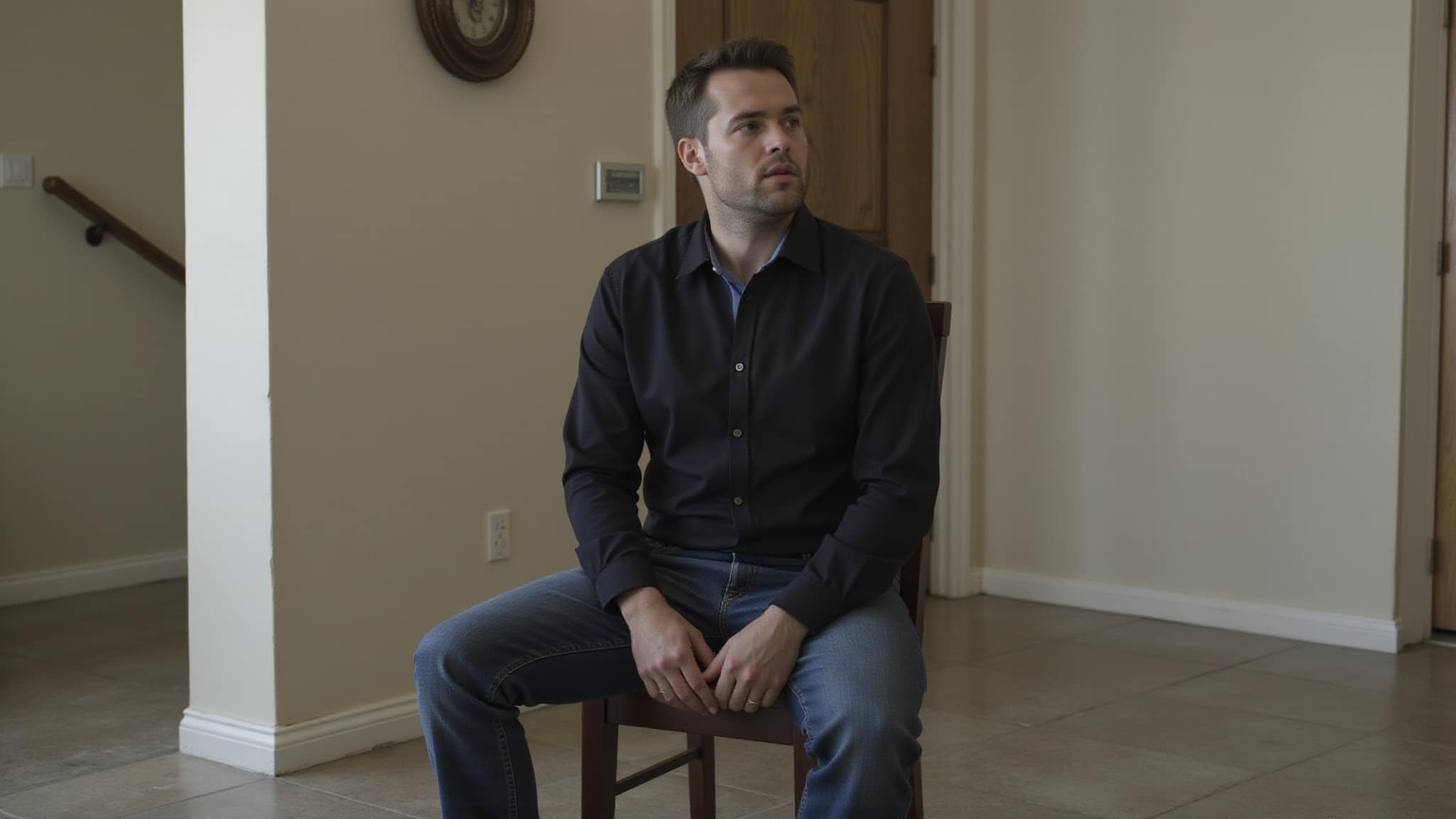
Hypervigilance in PTSD shows up as automatically scanning environments, checking exits and reading faces for threat, often without realizing it. Neutral stimuli, a sudden sound, a shift in tone, register as danger, pulling your attention toward possible harm. You stay “on guard,” finding it hard to relax, rest, or feel truly safe. Physically, you notice exaggerated startle responses, muscle tension, fatigue, and digestive discomfort. Sleep suffers, and irritability rises. These signs align with the DSM-5 Criterion E for PTSD, reflecting persistent alterations in arousal and reactivity. Your body reacts as if the threat remains present, even when it’s passed. Naming these patterns is the first step toward helping your nervous system recover safety.
What triggers hypervigilance in people with PTSD
Hypervigilance in people with PTSD is triggered by anything your nervous system links to past danger, pulling you back into survival mode even when you’re safe. Because your threat system stays activated, everyday stimuli get automatically interpreted as warnings. Your brain scans continuously, and neutral cues can spark the same alarm the original trauma did. These triggers often anchor in implicit memories and early relational learning, so they surface without conscious awareness. The causes of post traumatic stress disorder can vary significantly from person to person. Understanding these causes is essential for developing effective treatment strategies.
Your nervous system doesn’t need proof of danger, just an echo of it to pull you back into survival mode.
Common triggers include:
- Sensory reminders like sounds, smells, or lighting that echo the traumatic event
- Crowded or unfamiliar places where you can’t easily locate exits
- Facial expressions or tones you read as hostile or unpredictable
- Physical sensations such as a racing heart, mimicking earlier fear
Recognizing your triggers helps your nervous system relearn safety.
How does hypervigilance affect daily life and the body

Hypervigilance interferes with nearly every part of your daily life while keeping your body locked in tension. You continuously scan for threats in situations without real risk, struggle to relax, and feel like you’re living “on guard.” This sustained activation drains you physically and emotionally, disrupting your functioning.
Your body pays a measurable price when the alert state won’t switch off.
| Daily Life Impact | Physical Consequence |
|---|---|
| Can’t rest or feel safe | Chronic fatigue |
| Constant environmental scanning | Muscle tension |
| Exaggerated startle responses | Digestive disturbances |
| Difficulty concentrating | Insomnia and somatic pain |
| Emotional exhaustion | Weakened immune function |
Recognizing these patterns helps you understand that recovery involves teaching your nervous system to find calm again.
What coping strategies help manage hypervigilance
Coping strategies that help manage hypervigilance include diaphragmatic breathing, mindfulness, sensory anchors, and co-regulation. Recovery combines cognitive work with nervous system regulation, resting on three clinical pillars: safety, gradual implicit exposure, and co-regulation. You don’t have to force calm, you guide your body back toward flexibility.
Consider integrating these techniques into your daily routine:
- Diaphragmatic breathing to downshift sustained physiological activation
- Mindfulness to notice threat-scanning without automatically reacting to it
- Sensory anchors that ground you in present safety, not past danger
- Co-regulation with a trusted person or therapist who helps stabilize your system
With consistent practice and professional support, you’re helping your nervous system relearn safety, gradually loosening the grip of hypervigilance over time.
How do you find treatment for PTSD hypervigilance
To find treatment for PTSD hypervigilance, look for a therapist trained in trauma-focused approaches that combine cognitive processing with nervous system regulation. Lasting change usually comes from working with a clinician who understands how trauma keeps your nervous system locked in survival mode. Effective treatment rests on three clinical pillars: establishing safety, gradual exposure to implicit triggers, and co-regulation within the therapeutic relationship. You’ll want someone who addresses both your thoughts and your body, since hypervigilance is anchored in implicit memories and early relational learning. Ask potential providers about their experience with PTSD and complex trauma. The goal isn’t to eliminate alertness entirely. It’s to help your nervous system recover flexibility, so you can finally distinguish real danger from perceived threat and feel safe again.
Conclusion
Hypervigilance is the part of PTSD people most often decide they can live with, because it is not dramatic and it once kept them safe. But it is expensive in a way that only shows up over years, in the sleep you do not get, the invitations you turn down, the low tiredness you have stopped noticing. Your nervous system learned this, which means it can learn something else, and treatment aims at flexibility rather than switching the alarm off entirely. If you are tired of scanning rooms you already know are safe, National Mental Health Support can connect you with a trauma-informed therapist.
Find Trauma-Informed Support for PTSD
Living with PTSD, flashbacks, and hypervigilance is exhausting, and the right professional support can help you find lasting relief. Through National Mental Health Support serving Bronx County, we refer you to licensed therapists who offer the right Trauma Therapy program built around your healing. Call +1 (844) 435-7104 today and take the first step toward healing.
Frequently Asked Questions
Can Hypervigilance Be Completely Cured, or Only Managed Over Time?
You can’t think of hypervigilance as simply “cured,” but you can help your nervous system recover genuine safety and flexibility. Since it’s anchored in implicit memories and survival responses, recovery means retraining your system, not erasing it. Through safety, gradual exposure, and co-regulation, you’ll reduce reactivity markedly. Many people reach a point where symptoms rarely interfere with daily life. So it’s less about elimination and more about lasting, meaningful regulation.
Is Hypervigilance Ever Helpful or Adaptive in Certain Situations?
Yes, hypervigilance can be genuinely adaptive when you’re facing real danger. Your nervous system’s designed to scan for threats and keep you safe, so this heightened alertness serves you well in genuinely unsafe environments. The problem isn’t the response itself, it’s when your system stays stuck in survival mode after the danger’s passed. In those moments, what once protected you starts interfering with your daily life, rest, and sense of safety.
Can Children Develop Hypervigilance, and How Does It Appear in Them?
Yes, children can develop hypervigilance, especially when they’ve faced trauma or unsafe early relationships. You’ll notice it anchored in implicit memories and early relational learning. In kids, it often looks like constant scanning of faces and exits, startling easily, trouble relaxing or sleeping, and misreading neutral cues as threats. They may seem “on guard,” clingy, or irritable. Their nervous system stays stuck in survival mode, interfering with daily functioning and calm.
How Long Does Hypervigilance Typically Last After Trauma?
There’s no fixed timeline, since hypervigilance can last weeks, months, or years, depending on your trauma history, support system, and whether you’ve received treatment. When it’s anchored in early relational wounds or complex trauma, your nervous system may stay in survival mode longer. The good news? It isn’t permanent. With safety, co-regulation, and gradual therapeutic work, you can help your nervous system relearn calm and recover its flexibility over time.
Can Medication Alone Reduce Hypervigilance Without Therapy?
Medication alone can lower your hypervigilance, but it rarely resolves it fully. Since your nervous system stays locked in survival mode, drugs may ease reactivity, sleep problems, and startle responses without retraining that underlying alarm. You’ll likely see the strongest, lasting results when you combine medication with therapy that restores safety, uses gradual exposure, and builds co-regulation. Think of medication as support, not a standalone cure for recovering genuine calm.