














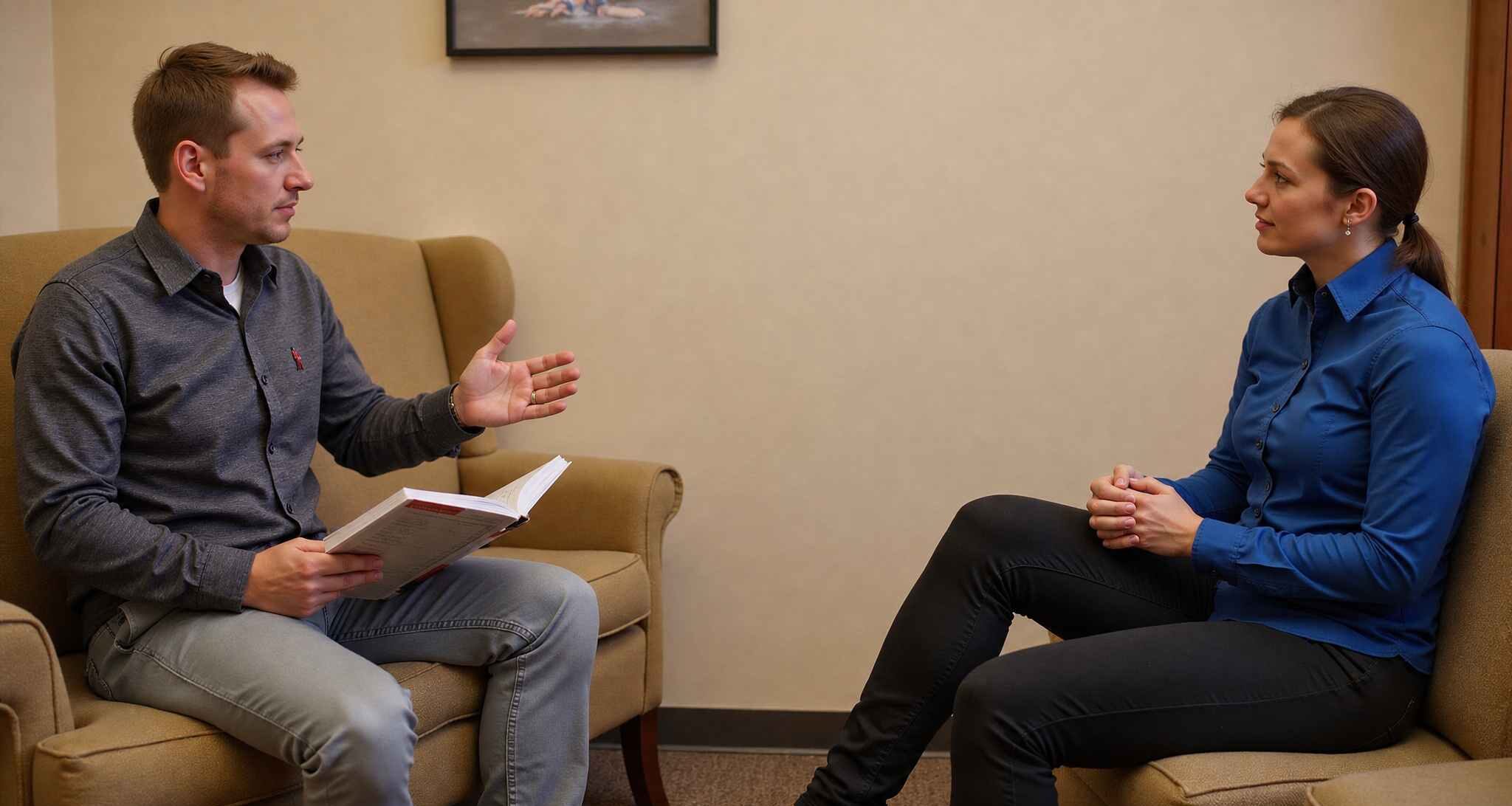

To prepare well, start by choosing a quiet, private room with a door that closes, and use headphones for added privacy. Charge your device, test your camera and microphone, and confirm a stable, secure internet connection. Write down your goals, questions, and top priority beforehand. Try a brief calming routine, like deep breathing, before you log in. Be honest about your nerves. Keep going to learn exactly what to expect and how to maximize each session.
Key Takeaways
- Choose a quiet, private room with a door that closes, and use headphones to keep your session confidential.
- Test your device, camera, microphone, and internet connection beforehand, avoiding public or unsecured Wi-Fi networks.
- Write down your goals, questions, top priority, and main reasons for seeking support before the session.
- Expect a conversation focused on getting acquainted; be open and honest about your symptoms, stressors, and context.
- Join five minutes early, silence notifications, and use a calming routine like deep breathing before logging in.
How Do You Prepare for Your First Telehealth Therapy Session

Preparing for your first telehealth therapy session starts with telehealth privacy: choose a quiet, private room with a door that closes, and use headphones so you won’t be overheard. Next, address tech readiness by charging your device, confirming a stable connection, and testing your camera and microphone before you log in. Joining five minutes early helps you catch any last-minute issues.
Then, clarify your session goals. Write down your questions, concerns, and the main reason you’re seeking therapy, so you can name your top priority early on. It’s normal to feel nervous, and being honest about that discomfort is completely appropriate. A brief calming routine beforehand can steady you. Therapy without a specific problem can still be beneficial for personal growth. Many individuals find that exploring their thoughts and feelings in a safe space leads to unexpected insights.
What Is Telehealth Therapy and How Does It Work
Telehealth therapy is a service that connects you with a licensed therapist over a secure video platform, so you can attend sessions from a private space at home instead of a clinic. You’ll join by computer, tablet, or smartphone using a camera and microphone, talking with your therapist much like you would in person. Because telehealth relies on your devices and internet, technology readiness matters: test your equipment, confirm a stable connection, and join a few minutes early. Privacy is equally important, so choose a quiet room where you won’t be overheard. Sessions typically cover the same ground as in-office visits, including assessment, goal-setting, and ongoing support. Understanding how it works lets you focus less on the logistics and more on the conversation that helps you heal.
What Tech and Setup Do You Need Beforehand
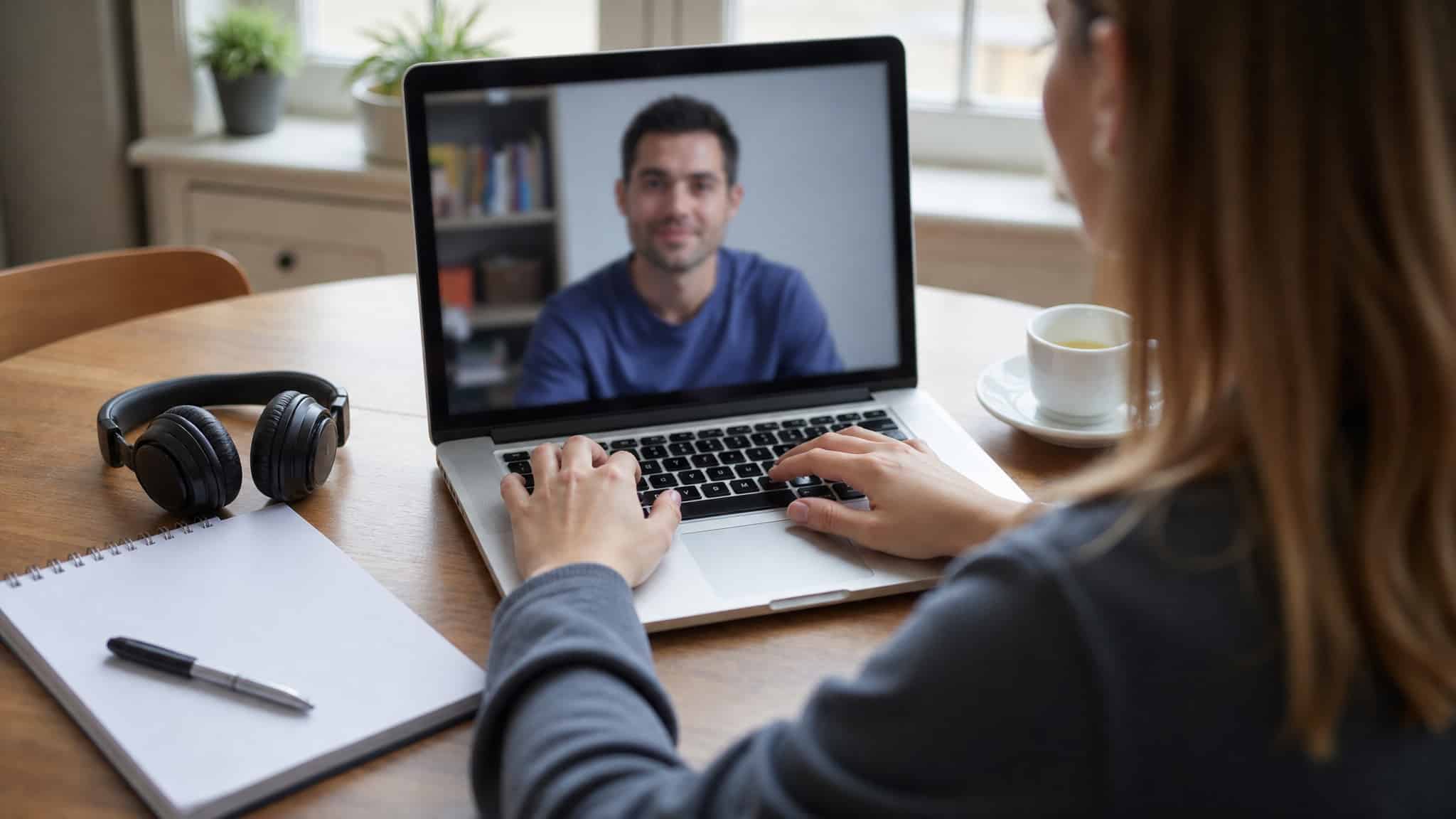
You need a device that’s ready to go: a computer, tablet, or smartphone with a working camera and microphone. Make sure it’s fully charged or plugged in, and confirm you’ve got a stable internet connection, skip public or unsecured Wi-Fi. Test your camera, microphone, and video platform ahead of time so online therapy runs smoothly without last-minute stress. Reduce distractions by turning off notifications and closing extra apps or browser tabs that could slow things down.
| Setup Step | Why It Matters |
|---|---|
| Test tech early | Prevents delays |
| Silence notifications | Protects focus |
| Join 5 minutes early | Confirms it works |
Good preparation here helps your first session start on time and keeps your attention on what matters most.
How Do You Create a Private, Comfortable Space
Creating a private, comfortable space starts with choosing a quiet location where interruptions and eavesdropping are unlikely, and skipping public places like coffee shops or shared workspaces. Pick a room with a door that closes; a lock adds extra reassurance. Let household members or coworkers know your session time, and ask for uninterrupted space. Wearing headphones improves audio privacy and reduces the chance of being overheard.
Comfort matters, too. Sit in a chair or couch that supports focus, and adjust the lighting so your face stays clearly visible. Position your webcam at eye level for a natural angle, and keep water or tissues nearby if they’ll help you feel settled.
What Should You Expect in the First Session

Your first session is largely about getting acquainted. Your therapist will ask about the main reason you’re seeking support, along with your symptoms, stressors, and personal context, so they can assess your needs effectively. This is your chance to share the questions, concerns, and topics you wrote down beforehand and to name your top priority. Because it’s normal to feel nervous, know that a little discomfort is expected, and being honest about it is completely appropriate. When therapy sessions bring tears, it can feel overwhelming, but it’s also a sign of progress. Emotional release is often an important part of healing, as it allows you to confront and process your feelings.
Expect a conversation, not a test. You don’t have to have everything figured out. Being open helps your therapist understand you and shape a plan that fits. If treatment planning comes up, keep your medications and supplements list handy. A brief calming routine beforehand can ease any lingering nerves. Improve your therapy outcomes by engaging in open dialogue with your therapist. Building a trusting relationship can lead to more personalized treatment approaches.
How Do You Get the Most Out of Online Therapy
Get the most out of online therapy by writing down your questions, concerns, and the topics you want to cover, so nothing important slips away. Identify your main reason for seeking therapy and your top priority for the session. Be open and honest about your symptoms, stressors, and personal context, your therapist can only assess your needs when you share them. If you feel nervous, say so; naming discomfort is appropriate and useful. Try a brief calming routine, like deep breathing, before you log in. Keep water and tissues nearby, and sit somewhere comfortable that supports sustained attention. Finally, remove distractions by silencing notifications and closing extra tabs, so you can stay fully present and engaged throughout.
How Is Telehealth Therapy Different From In-Person
Telehealth differs from in-person therapy in the setting: you’re responsible for creating the private, distraction-free space that a clinic would normally provide. Instead of walking into a quiet office, you’ll need to choose a room with a door that closes, silence notifications, and let others know you need uninterrupted time. You’re also managing the technology, testing your camera, microphone, and connection ahead of time, and keeping a backup plan ready in case something fails. Small details matter too: positioning your webcam at eye level and adjusting lighting so your face stays visible help recreate the natural, face-to-face connection therapy depends on. With a little preparation, you can make your home setup feel just as focused and supportive.
Conclusion
Preparing for a first telehealth therapy visit helps you feel calm and get more from the session. Testing your technology, finding a private and quiet space, keeping a few notes about what you want to discuss, and settling in a few minutes early all set the stage. Telehealth can be just as effective as in-person care for many concerns, offering flexibility and comfort. A little preparation turns the first virtual session into a productive start.
Get the Most Out of Every Therapy Session
Whether you’re new to therapy or looking to switch, expert guidance helps you find the right fit for lasting progress. Through National Mental Health Support serving Wappingers Falls, NY, we connect you with licensed mental health counselors who provide the right Individual Therapy and compassionate support tailored to you. Call +1 (844) 435-7104 today and take the first step toward healing.
Frequently Asked Questions
How Much Does Telehealth Therapy Cost Without Insurance?
Without insurance, telehealth therapy typically costs between about $65 and $250 per session, depending on the therapist’s credentials and your location. Subscription-based online therapy services often work out to roughly $60 to $100 per week, or around $260 to $400 per month, sometimes including messaging between sessions. Many individual therapists and platforms offer sliding-scale fees based on income, which can lower the cost significantly. Asking about self-pay rates and sliding-scale options upfront is completely reasonable and helps you find care that fits your budget.
Can I Switch Therapists if It’s Not a Good Fit?
Yes, you can absolutely switch therapists if it’s not a good fit. Finding the right match matters, and it’s completely normal to realize a particular therapist isn’t right for you. Trust your instincts, if you don’t feel comfortable, heard, or understood after a few sessions, you’re allowed to look elsewhere. You can request a different provider through your platform or practice, and you don’t need to justify your decision.
Is Telehealth Therapy Legal Across State Lines?
Cross-state telehealth therapy depends on licensing rules, which vary by state. Generally, your therapist must be licensed in the state where you’re physically located during the session. Some states offer temporary or reciprocal arrangements, but many don’t. Before booking, you’ll want to confirm your therapist can legally practice where you are. It’s a fair question to ask directly, and any reputable provider will happily verify their licensing to keep you protected.
Are Telehealth Therapy Sessions Covered by HIPAA Privacy Laws?
Yes, your telehealth therapy sessions are covered by HIPAA privacy laws. Your therapist and their platform must protect your health information and use secure, compliant technology. You can ask your provider how they safeguard your data and which platform they use. On your end, you’ll help protect your privacy by choosing a quiet, private space and using headphones. It’s completely reasonable to raise any confidentiality concerns you’re feeling.
Can Teens or Minors Attend Telehealth Therapy Alone?
It depends on your situation, since rules vary by state, platform, and provider. Many services require parental consent for minors, and some let teens attend certain sessions alone once that’s arranged. You’ll want to check the specific consent requirements and confirm what’s allowed before the appointment. If your teen’s attending, help them set up a quiet, private space and review any platform instructions together so they feel prepared and comfortable.