









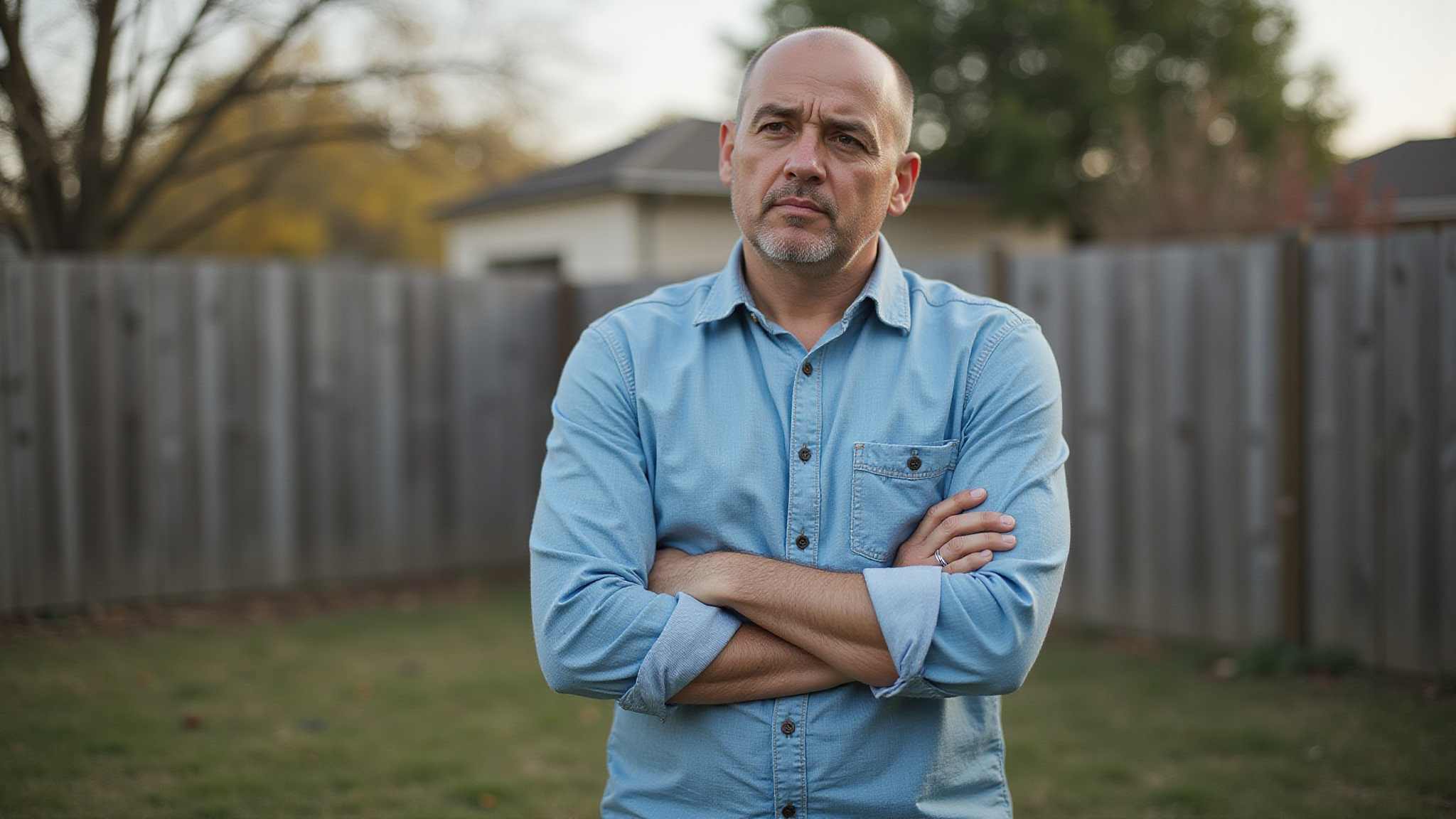




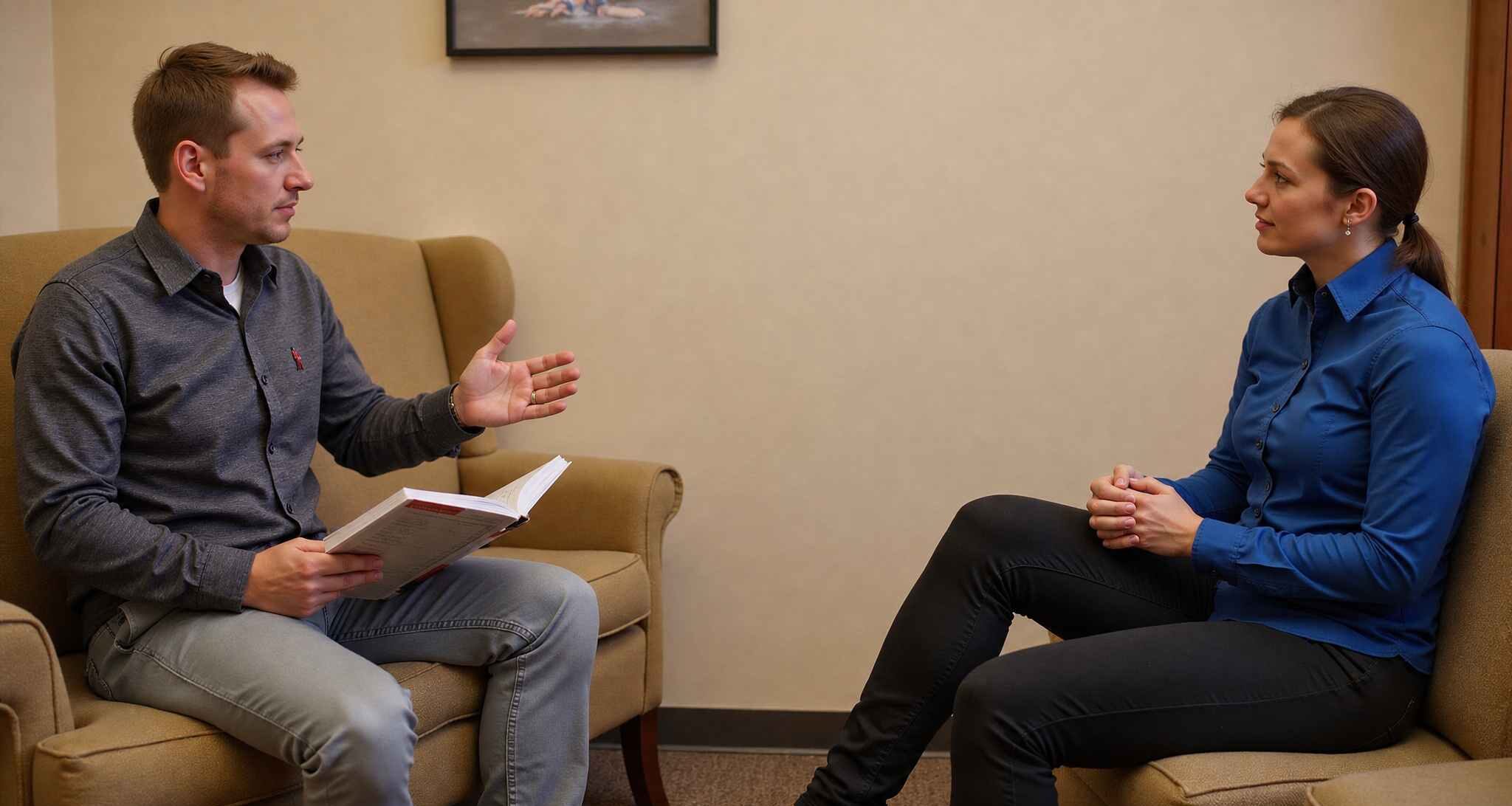

An emotional flashback arrives as pure feeling with nothing attached to it. No image, no scene, no memory you can point to. Just a wave of shame or fear or helplessness that seems to come from the room you are standing in, except nothing in that room explains it. You feel small, roughly the age you were when the wound formed, and certain that something is fundamentally wrong with you. That certainty is the flashback talking.
Key Takeaways
- Intense waves of emotion, such as shame, fear, helplessness, or deep sadness, overwhelm your present-moment experience.
- Feelings arrive without images or sounds, unlike regular flashbacks that connect to a clear memory.
- The emotions feel disconnected from your surroundings, with no visible link to a specific past event.
- You may feel small, as if re-experiencing your original age, while time blurs and the episode feels endless.
- Raw emotion can leave you disoriented and oversensitive, triggering a strong urge to disappear or escape.
What an Emotional Flashback Feels Like

An emotional flashback feels like being flooded with intense waves of emotion, overwhelming shame, fear, helplessness, or deep sadness, that seem disconnected from anything happening around you. You don’t see a memory replaying like a movie. You feel it. Unlike classic flashbacks, an emotional flashback carries no images, sounds, or clear pictures.
This is one of the most confusing trauma symptoms because the connection to the past stays invisible. You might suddenly feel worthless, small, or convinced something’s fundamentally wrong with you, without knowing why. Often, you feel the age you were when the original wound formed, young, powerless, and afraid.
Understanding what emotional flashbacks feel like matters. You’re not “crazy” or overreacting. You’re experiencing old pain resurfacing in the present, and that makes sense.
How do emotional flashbacks differ from regular flashbacks
Emotional flashbacks differ from regular flashbacks in what you actually experience. With regular flashbacks, or PTSD flashbacks, you get vivid sensory replays, images, sounds, even smells pulling you back to a specific event. Emotional flashbacks work differently. You feel intense waves of shame, fear, or helplessness without any picture or scene attached. That’s why CPTSD flashbacks can feel so confusing, you’re flooded with old feelings but can’t point to why. Understanding the causes and symptoms of ptsd is crucial for effective treatment and support. Many individuals may not recognize the signs until they manifest in disruptive ways. Differences between PTSD and complex PTSD can significantly affect an individual’s healing journey. While PTSD can be triggered by a single traumatic event, complex PTSD often arises from prolonged exposure to trauma, such as ongoing abuse or neglect.
| Regular Flashbacks | Emotional Flashbacks |
|---|---|
| Include images and sounds | Contain feelings only |
| Tied to a clear memory | No visible connection |
| You know it’s a flashback | Feels like the present |
| Often brief | Can last hours or days |
Understanding this helps you recognize what’s happening isn’t madness, it’s memory living in your body.
What triggers an emotional flashback
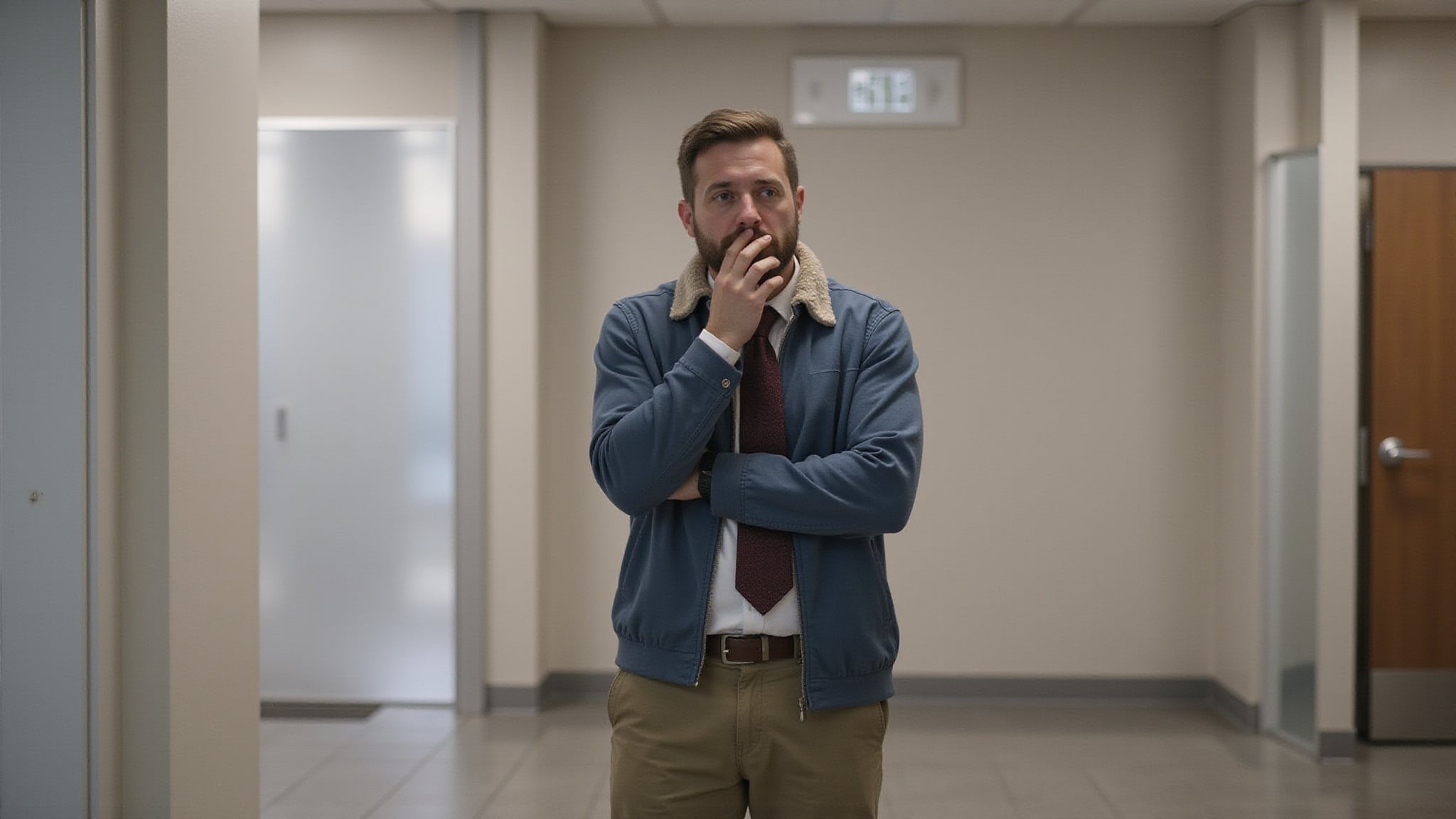
An emotional flashback is triggered by cues that resemble your original pain, because trauma lives in your body and can hit without warning. You might not even realize what sparked it, since these triggers often bypass your conscious mind and stir up feelings stored implicitly, without any attached image or memory. How triggers affect emotional wellbeing can lead to unexpected reactions and heightened anxiety. Understanding these responses is crucial for processing trauma and healing.
Common triggers include:
- Sensory cues like a specific smell, sound, or sight that echoes the original trauma
- Internal states such as feeling helpless, criticized, or ashamed
- Relational dynamics that mirror how you felt as a child
When these cues surface, you may suddenly feel flooded with shame, fear, or helplessness. It’s not weakness or overreaction, it’s your nervous system responding to something it perceives as familiar danger. Understanding this can help you feel less alone.
What are the signs you are having an emotional flashback
One sign of an emotional flashback is feeling small, as if you’re the age you were when the pain first formed. Time blurs, and it seems like this feeling will last forever. There’s no image or sound attached, just raw emotion that leaves you disoriented, oversensitive, and desperate to disappear.
How do you cope with an emotional flashback in the moment

Recognize that you’re in an emotional flashback as the first step toward moving through it. When you name what’s happening, you can gently remind yourself that these feelings belong to the past, not the present danger your body insists is real. You’re safe now, even when it doesn’t feel that way.
Naming the flashback is your first step toward freedom, because these feelings belong to the past, and you’re safe now.
Try grounding yourself with these approaches:
- Orient to the present by naming the date, your age, and what you see around you right now
- Soothe your body through slow breathing to calm your revved-up nervous system
- Speak kindly to yourself, countering toxic shame with reassurance that nothing’s fundamentally wrong with you
Give yourself permission to move slowly. Flashbacks pass, and reaching out for support isn’t weakness, it’s wisdom.
How do you heal from recurring emotional flashbacks
Healing from recurring emotional flashbacks asks something deeper than coping in the moment: tending to the young, wounded parts of you that still carry this pain. You begin by recognizing that these episodes connect to childhood trauma stored implicitly in your body, even when no clear memory surfaces. As you learn your triggers, you can respond with self-compassion instead of the self-hate that tells you you’re worthless or flawed. Working with a trauma-informed therapist helps you grieve old losses and reparent that frightened younger self. Over time, you replace toxic shame with the truth that nothing’s fundamentally wrong with you. Healing isn’t linear, but each time you meet your pain gently, you loosen the grip of the past.
Conclusion
The cruelest thing about emotional flashbacks is that they arrive carrying a verdict about who you are, and in the moment that verdict feels like the most obvious truth in the world. It is not true. It is old, and it belongs to a version of you who had no way to fight it at the time. Naming the flashback while it is happening loosens its hold, and trauma-focused therapy changes how much power it has over time. If any flashback ever brings you to thoughts of ending your life, call or text 988 to reach the Suicide and Crisis Lifeline, available any hour. And when you are ready to stop weathering these alone, National Mental Health Support can connect you with a trauma-informed therapist.
Find Trauma-Informed Support for PTSD
Living with PTSD, flashbacks, and hypervigilance is exhausting, and the right professional support can help you find lasting relief. Through National Mental Health Support serving Bronx County, we refer you to licensed therapists who offer the right Trauma Therapy program built around your healing. Call +1 (844) 435-7104 today and take the first step toward healing.
Frequently Asked Questions
Can Children Experience Emotional Flashbacks, or Only Adults?
Yes, children can absolutely experience emotional flashbacks too. Because trauma gets stored implicitly in your body, anyone at any age can be flooded with overwhelming feelings from past pain. If you’re a child, you might feel sudden shame, fear, or helplessness without understanding why. These episodes aren’t limited to adults, since they can happen whenever internal or external cues resemble earlier trauma. You’re not alone, and what you’re feeling makes sense.
Are Emotional Flashbacks a Recognized Clinical Diagnosis?
Emotional flashbacks aren’t a standalone clinical diagnosis, but that doesn’t mean what you’re feeling isn’t real or valid. They’re closely linked to complex PTSD, which many clinicians recognize even though formal manuals haven’t fully caught up. If you’re experiencing these intense emotional surges, you deserve support and understanding. A trauma-informed therapist can help you make sense of what’s happening, even without an official label attached to it.
Can Medication Help Reduce the Frequency of Emotional Flashbacks?
Medication can help, though it doesn’t cure emotional flashbacks directly. You might find that certain medications ease the intense physical distress, the racing heart, rapid breathing, and overwhelming panic that floods your body during an episode. By calming your revved-up nervous system, they can make flashbacks feel less frequent or intense. Still, medication works best alongside therapy, which helps you address the deeper trauma driving these painful experiences. You deserve support.
Do Emotional Flashbacks Occur in People Without Childhood Trauma?
Emotional flashbacks are most strongly linked to childhood trauma, since the feelings you relive typically formed when you were very young. That said, you might experience similar emotional surges from other overwhelming or repeated distressing experiences later in life. If you’re feeling flooded by intense shame, fear, or helplessness without an obvious source, your reaction is real and valid, and it’s worth exploring gently, ideally with a supportive professional’s guidance.
Can Emotional Flashbacks Happen During Sleep or in Dreams?
Yes, they can. Your nervous system doesn’t shut off during sleep, so those same waves of fear, shame, or helplessness can surface in your dreams or jolt you awake. Because traumatic experiences get stored in your body, you might wake up flooded with intense emotion and no clear image explaining why. It’s disorienting and exhausting, but it doesn’t mean something’s wrong with you, and your mind’s just processing old pain.