









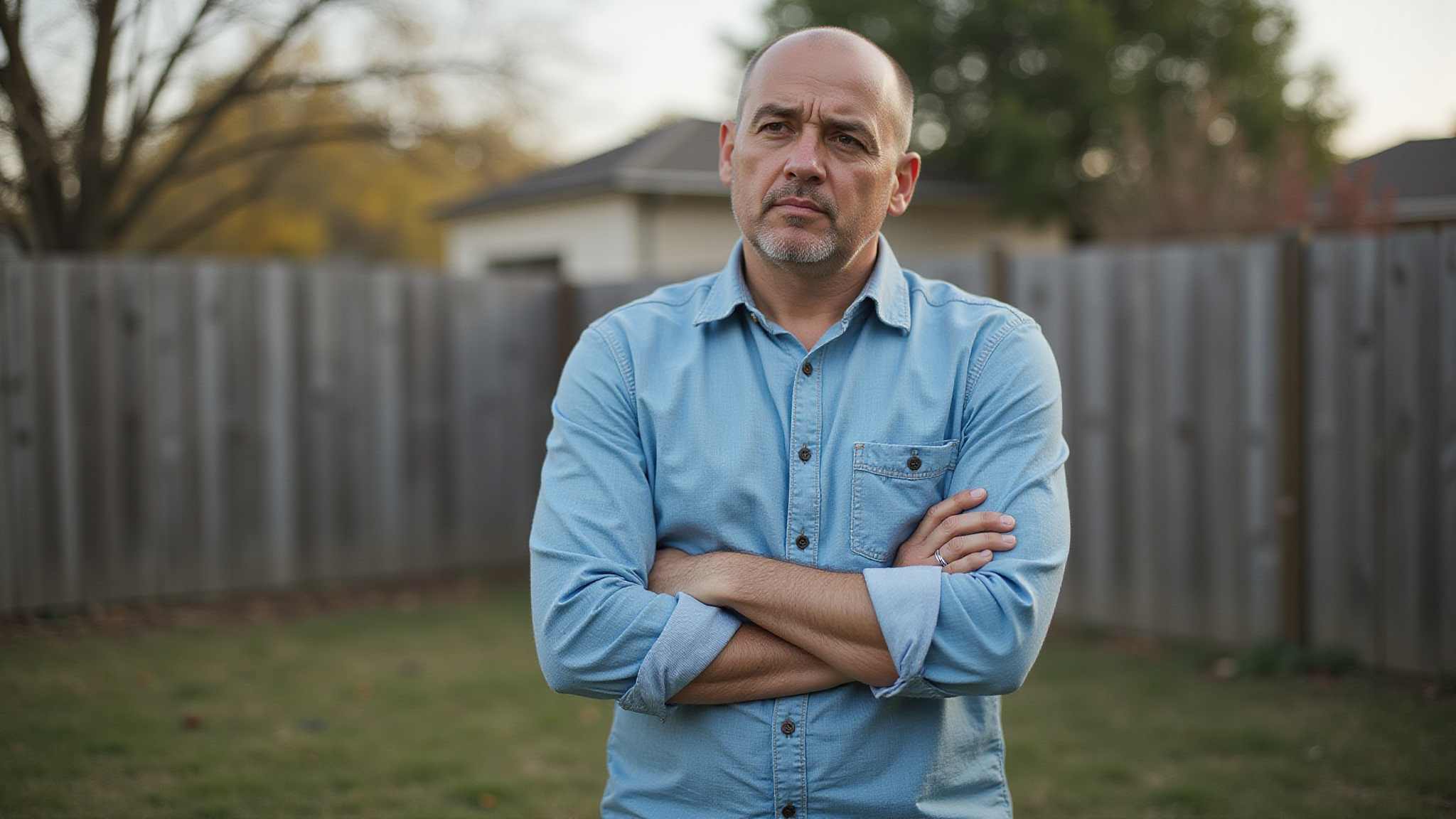






Early schizophrenia symptoms rarely look like schizophrenia. They look like depression, or a teenager going quiet, or someone who has stopped washing their hair and stopped answering messages. Underneath that, sleep is breaking up, concentration is slipping, and the person may be hearing something faint they have not mentioned to anyone. This stretch before psychosis becomes obvious is called the prodromal phase, and it is when treatment does the most good.
Key Takeaways
- Watch for the prodromal stage, an early window where subtle symptoms emerge weeks, months, or years before diagnosis.
- Notice behavioral shifts like social withdrawal, depression, suspiciousness, hostility, and declining personal hygiene.
- Track cognitive and communication changes, including poor concentration, disorganized thinking, and odd or fragmented speech.
- Identify early perception problems such as faint voices, visual distortions, paranoia, and difficulty separating reality from unreality.
- Seek evaluation as soon as these changes persist, and emergency care immediately for suicidal or aggressive behavior.
Spotting Schizophrenia in Its Early Stages

Schizophrenia can be spotted in its early stages by recognizing warning signs before full psychosis develops, which gives you a critical diagnostic window. Most people pass through a prodromal stage before diagnosis, and symptoms can begin weeks, months, or years earlier. Early schizophrenia signs include depression, social withdrawal, and deteriorating personal hygiene. Hostility, suspiciousness, and extreme reactions to criticism mark early behavioral shifts.
Watch for early schizophrenia symptoms in cognition and communication: forgetfulness, impaired concentration, and disorganized thinking that fragments conversations. Odd or irrational statements and strange word use emerge in speech patterns. You’ll also observe mild hallucinations, faint voices, visual distortions, and growing paranoia. Distinguishing between hallucinations and delusions is crucial in understanding the severity of symptoms. Hallucinations often involve perceiving things that aren’t present, while delusions are firmly held false beliefs.
Negative symptoms, including a flat, expressionless gaze and reduced emotional expression, signal declining function. Documenting these indicators early supports timely intervention.
What is schizophrenia
Schizophrenia is a chronic psychiatric disorder that disrupts how you think, feel, and perceive reality. It distorts your ability to separate what’s real from what isn’t, often producing hallucinations, delusions, and disorganized thinking. Its early signs can be subtle. Clinicians recognize distinct schizophrenia stages, beginning with a prodromal phase that most people pass through before diagnosis. During this early period, you might notice subtle cognitive decline, social withdrawal, and atypical thoughts that gradually intensify.
As the condition progresses, you enter active psychosis, where positive symptoms like hallucinations and paranoia become pronounced. Formal diagnosis requires two or more core symptoms present for a significant portion of one month, with some signs of disturbance continuing for at least six months overall. Understanding these stages helps you identify warning signs early, when intervention offers the greatest opportunity to improve long-term outcomes.
What are the early warning signs of schizophrenia

Early warning signs of schizophrenia appear during the prodromal phase and often go unnoticed because they mimic depression, stress, or ordinary adolescent behavior. You’ll typically observe depression and social withdrawal first, followed by hostility, suspiciousness, and extreme reactions to criticism. Watch for deteriorating personal hygiene and neglect of daily appearance. Negative symptoms emerge as a flat, expressionless gaze and reduced emotional range. Sleep disturbances, including oversleeping, insomnia, or significant pattern changes, commonly appear early. You’ll also notice cognitive decline: forgetfulness, impaired concentration, and disorganized thinking that disrupts daily functioning. Speech becomes odd or irrational, with strange word use, fragmented conversations, and tangential patterns that confuse listeners. Since most people pass through this stage before diagnosis, recognizing these indicators early enables faster intervention.
What is the prodromal phase of schizophrenia
The prodromal phase of schizophrenia is the critical window between normal functioning and the first episode of clinical psychosis. Most people pass through this stage before diagnosis. During this period, you’ll notice subtle shifts that precede full psychosis, sometimes developing over weeks, months, or years. Understanding psychosis causes and contributing factors is essential for early intervention. Recognizing these elements can significantly improve treatment outcomes for individuals at risk.
Watch for these early prodromal indicators:
- Atypical or intense feelings and thoughts that precede clinical psychosis
- Growing difficulty separating reality from non-reality
- Mild hallucinations, including hearing faint or distant voices
- Emerging paranoia and suspicion of others
Recognizing these signs matters because early identification improves intervention outcomes. If you or someone you know shows these gradual changes, don’t dismiss them. Worth knowing too that these signs do not always lead to schizophrenia, since many people with prodromal features never develop the condition. Getting assessed answers that question rather than settling it.
How does early-stage schizophrenia differ from later stages

Early-stage schizophrenia differs from later stages in symptom severity, cognitive impact, and functional decline. In early stages, you’ll notice mild hallucinations, faint voices, and subtle reality distortions, alongside depression and social withdrawal. Later stages present full psychosis, with pronounced delusions, disorganized speech, and entrenched negative symptoms.
| Feature | Early Stage | Later Stage |
|---|---|---|
| Hallucinations | Faint, distant voices | Persistent, vivid |
| Cognition | Mild forgetfulness | Severe disorganization |
| Function | Declining performance | Marked impairment |
| Reality | Gradual blurring | Complete distortion |
You’ll find early symptoms remain subtle, often mistaken for mood disturbances, while later symptoms meet formal diagnostic criteria. Recognizing this progression lets you intervene during the prodromal window, before psychosis consolidates and functional decline becomes harder to reverse.
Why does early detection of schizophrenia matter
Early detection of schizophrenia matters because it gives you a critical chance to intervene before symptoms consolidate into full psychosis. Most people pass through a prodromal stage before diagnosis, and this window opens the door to early action. When you recognize warning signs early, you can address symptoms before they take hold. Since symptoms can begin weeks, months, or years before clinical diagnosis, timing your response matters.
Early detection lets you:
- Intervene during the prodromal phase, when depression, social withdrawal, and mild hallucinations first emerge
- Slow functional decline at work or school before performance deteriorates
- Address suicidal ideation and aggression in teenage-onset cases
- Preserve cognitive function before disorganized thinking disrupts daily life
Research on coordinated specialty care consistently shows that shorter delays between symptom onset and treatment predict better long-term outcomes.
How do you get help in the early stages of schizophrenia
Seek a clinical evaluation as soon as you notice these changes persisting, rather than waiting to see whether they resolve on their own. You do not need to meet diagnostic criteria before asking for help, and you do not need to be certain what you are seeing.
Start with your primary care physician, who can rule out other conditions and refer you to a psychiatrist or mental health specialist. Ask specifically about early psychosis programs or coordinated specialty care, since many regions have services built for exactly this stage. Document early warning signs you’ve observed: social withdrawal, cognitive decline, sleep disruption, or odd speech patterns. This information sharpens diagnostic accuracy.
If you or someone you love is experiencing suicidal thoughts, call or text 988 to reach the Suicide and Crisis Lifeline, available 24 hours a day. If anyone is in immediate danger, call 911 and say clearly that this is a mental health crisis.
Conclusion
Families almost always look back and say they knew something was wrong months before anyone acted, and that they talked themselves out of it because it could have been stress, or exams, or a rough patch. That hesitation is the most common thing about this illness and the most costly. You are not diagnosing anyone by asking for an assessment. You are just making sure that if this is what it looks like, it gets caught while the window is still open. If you are watching these changes in yourself or someone close to you, National Mental Health Support can help you arrange a psychiatric evaluation and understand what comes next.
Get Professional Help for Psychosis Symptoms
Understanding psychosis is one step, but getting professional support to manage it is what truly makes the difference. Through National Mental Health Support serving Queens County, we refer you to licensed therapists who offer the right Individual Therapy program for your specific needs. Call +1 (844) 435-7104 today and take the first step toward healing.
Frequently Asked Questions
What Causes Schizophrenia to Develop in the First Place?
There is no single cause. Researchers describe an interaction between inherited vulnerability and environmental factors, including complications during pregnancy or birth, significant early adversity or trauma, and heavy cannabis use during adolescence. Differences in brain development and neurotransmitter signalling also play a part. Nobody develops schizophrenia because of parenting, personality, or anything they did. A clinician can review your family history and circumstances and explain what may be relevant in your case.
Is Schizophrenia Hereditary or Passed Down Through Families?
You’ll find that schizophrenia carries a hereditary component, though it isn’t passed down in a simple, predictable pattern. If you have a first-degree relative with the condition, your risk increases meaningfully compared to the general population. However, genetics alone don’t determine your outcome. You’re looking at a complex interaction between inherited vulnerability and environmental triggers. So while family history raises your risk, it doesn’t guarantee you’ll develop the disorder, and most people with an affected relative never do.
Can Schizophrenia Be Cured or Only Managed Long-Term?
There is no cure, but schizophrenia can be managed effectively long-term. It’s a chronic condition requiring ongoing treatment, typically combining antipsychotic medication with psychotherapy and psychosocial support. When you recognize prodromal symptoms early and start intervention promptly, you’ll improve your prognosis substantially. Many people achieve symptom remission and return to work, study, and relationships, though consistent management helps prevent relapse. Early diagnosis and adherence make a measurable difference.
What Treatments and Medications Are Available for Schizophrenia?
Treatment typically starts with antipsychotic medications, which target positive symptoms like hallucinations and delusions. Your clinician may prescribe first-generation or second-generation options, adjusting doses based on your response and side effects. These are usually combined with psychosocial interventions such as cognitive behavioral therapy, family therapy, and social skills training. You might also benefit from supported employment programs and coordinated specialty care. Early, consistent treatment improves long-term outcomes materially.
Can Lifestyle Changes or Diet Reduce Schizophrenia Risk?
No diet or lifestyle change has been shown to prevent schizophrenia, and you should be cautious about sources claiming otherwise. What does have evidence behind it is avoiding heavy cannabis use in adolescence, which raises risk in people already vulnerable, and protecting sleep, since disruption can precipitate episodes. Beyond that, the most useful action is watching for early indicators like social withdrawal, disorganized thinking, and mild hallucinations, and seeking prompt evaluation if they appear.