














To cope with social anxiety during tense meetings, prepare 2 to 3 key points and rehearse your opening lines beforehand to lower cognitive load. In the moment, take one slow breath before speaking to steady your voice, and use controlled breathing or 5-4-3-2-1 grounding when anxious thoughts spiral. Start with small contributions and build gradually. If anxiety consistently disrupts your work, consider professional support. Below, you’ll discover exactly how to put these strategies into practice.
Key Takeaways
- Use controlled breathing, such as 4-4-4 or slow diaphragmatic breaths, to lower arousal and steady your voice before speaking.
- Apply the 5-4-3-2-1 grounding technique to refocus on the present when anxious thoughts begin to spiral.
- Prepare beforehand by reviewing the agenda and rehearsing 2 to 3 key points to reduce uncertainty and improvisation pressure.
- Start with small contributions and gradually increase input, taking one slow breath before speaking to build lasting confidence.
- Seek professional help, like CBT or counseling, if anxiety consistently disrupts performance, attendance, or lingers after meetings.
How Do You Cope With Social Anxiety at Work in Meetings

Cope with social anxiety at work in meetings by using concrete tools that respond to the physiological signature of anxiety. In the moment, controlled breathing helps: try 4-4-4 breathing or slow diaphragmatic breaths to lower your arousal enough to stay engaged. When anxious thoughts spiral, the 5-4-3-2-1 grounding method shifts your attention back to the present. If escalation builds, a brief microbreak or quiet reset can interrupt it. These coping strategies work best alongside preparation, reviewing the agenda and readying 2-3 key points reduces the pressure to improvise. You don’t need to eliminate anxiety before meetings; you need manageable ways to participate through it, building confidence and tolerance with each repeated exposure.
What Does Social Anxiety Look Like in the Workplace
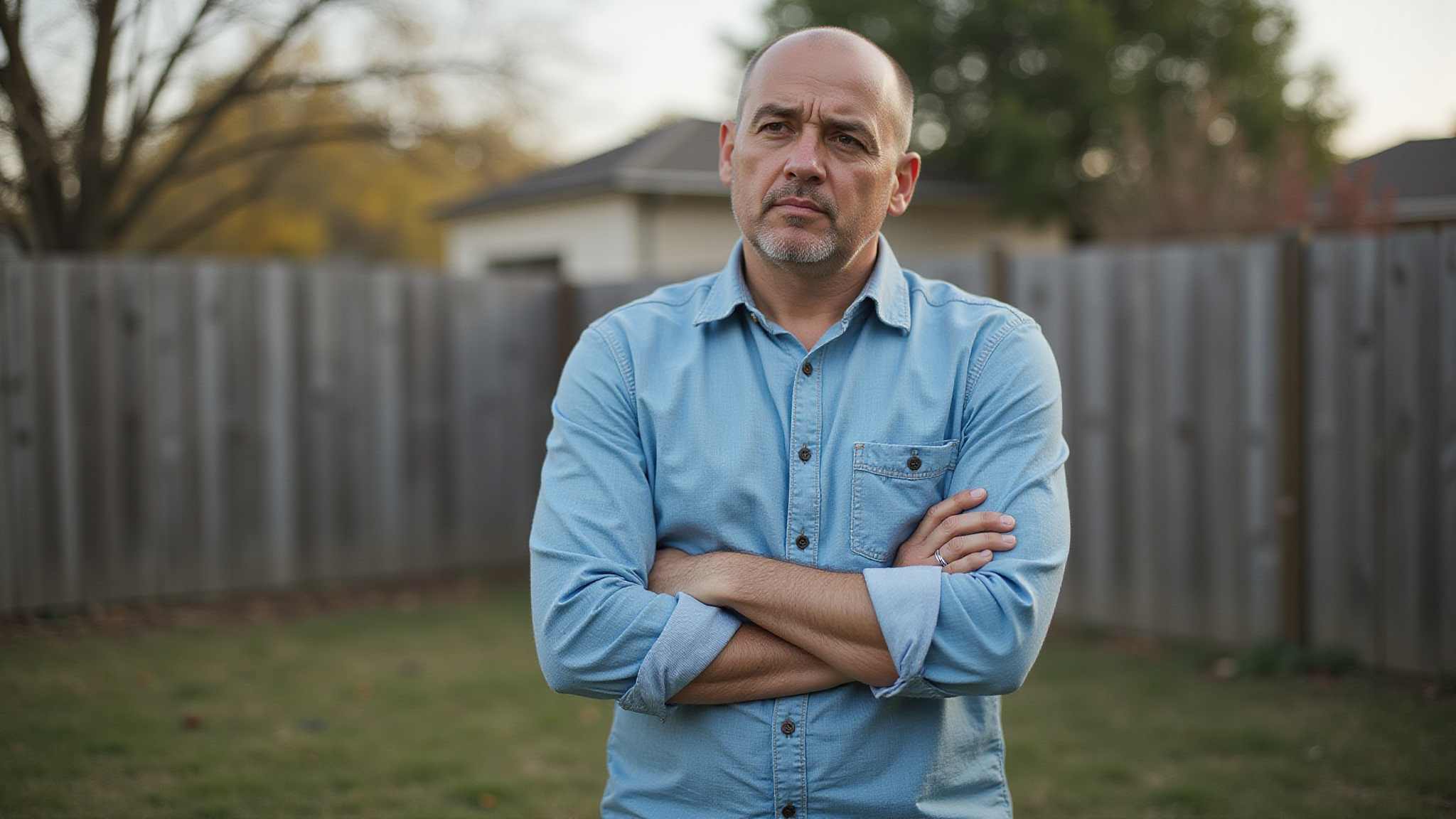
Social anxiety at work is a fear of being judged, embarrassed, or negatively evaluated in social or performance situations. In the workplace, this often shows up in tense meetings, where you might notice a racing heartbeat, sweating, trembling, or difficulty speaking. You may blank out mid-sentence, over-prepare for hours, or rely on avoidance, staying quiet, skipping status reviews, or declining presentations.
The anxiety often builds beforehand, peaks when you’re visibly participating, and lingers afterward as you replay perceived mistakes. High-pressure settings like Q&A sessions or conflict-heavy discussions tend to intensify these symptoms. Over time, repeated exposure without coping tools can chip away at your confidence, participation, and career visibility, making it harder to speak up when it matters.
Why Do Meetings Trigger So Much Anxiety

Meetings trigger anxiety because they put you in exactly the kind of situation social anxiety targets: a performance setting where others can watch, evaluate, and respond to you in real time. Your fear of being judged or negatively evaluated peaks when you’re visibly participating. Certain meeting formats intensify this, each carrying its own pressure.
| Meeting Type | Why It Triggers Anxiety |
|---|---|
| Presentations | Sustained visibility and evaluation |
| Q&A sessions | Unpredictable, on-the-spot responses |
| Status reviews | Your performance is scrutinized |
| Conflict-heavy meetings | Fear of confrontation or criticism |
| Large group settings | More observers, more perceived judgment |
Anxiety often builds before you speak, peaks during participation, and lingers afterward as you replay perceived mistakes. Without coping tools, this cycle can quietly erode your confidence and willingness to engage. Learning effective public speaking anxiety tips can greatly enhance your ability to communicate. Practicing relaxation techniques and preparing thoroughly can help you manage nervousness.
How Do You Prepare Before a Meeting
Prepare before a meeting by reviewing the agenda and materials in advance, so you know what to expect and carry less cognitive load into the room. This preparation is one of the most effective ways to lower anxiety before it even starts, because it directly reduces the uncertainty that fuels your fear. Then prepare two or three key points you want to contribute. This feels far more manageable than improvising under pressure, when anxiety can make recall harder.
Practice likely questions and a few opening lines, since rehearsal supports faster recall in the moment. You can rehearse in front of a mirror, with a trusted colleague, or alone. Aim for flexible frameworks rather than rigid scripts. They let you adapt if the conversation shifts unexpectedly, without leaving you feeling stranded. Mental replay and anxiety link closely; the way you visualize scenarios can significantly impact your comfort level during an actual conversation.
What Techniques Calm Anxiety During the Meeting

Controlled breathing calms anxiety during the meeting by giving you a fast way to lower physiological arousal enough to stay engaged. Try 4-4-4 breathing, inhale for four counts, hold for four, exhale for four, or slow diaphragmatic breathing to steady your heart rate and quiet trembling.
If your thoughts start racing, use the 5-4-3-2-1 grounding method: name five things you see, four you hear, three you touch, two you smell, and one you taste. This shifts your attention away from anxious predictions and back to the present.
When escalation feels overwhelming, take a brief reset. Step away for a microbreak, get a glass of water, or pause silently for a moment. These short interruptions can prevent symptoms from building and help you return more regulated.
How Do You Speak Up Without Panicking
You speak up without panicking by preparing before the pressure hits rather than improvising in the moment. Before the meeting, choose 2 to 3 key points you want to contribute, and rehearse your opening line until it feels familiar. This reduces the cognitive load of finding words while your heart’s racing.
Use a flexible framework instead of a rigid script, so you can adapt if the conversation shifts. When you’re ready to speak, take one slow breath first to steady your voice and settle physiological arousal.
If anxious predictions surface, like “I’ll sound stupid,” test them against reality. Most contributions land far better than you fear. Start small by adding brief comments, then build toward longer input. Each manageable attempt lowers avoidance and strengthens your confidence over time.
When Should You Seek Help for Social Anxiety at Work
Seek help for social anxiety at work when anxiety consistently interferes with your performance, attendance, or confidence. Watch for signs that go beyond ordinary stress:
- You keep avoiding meetings, presentations, or informal interactions, and it’s shrinking your role or visibility.
- You experience panic symptoms, racing heart, trembling, or blanking out, that don’t ease with breathing or grounding.
- You feel ongoing distress that lingers long after meetings end and affects your daily life.
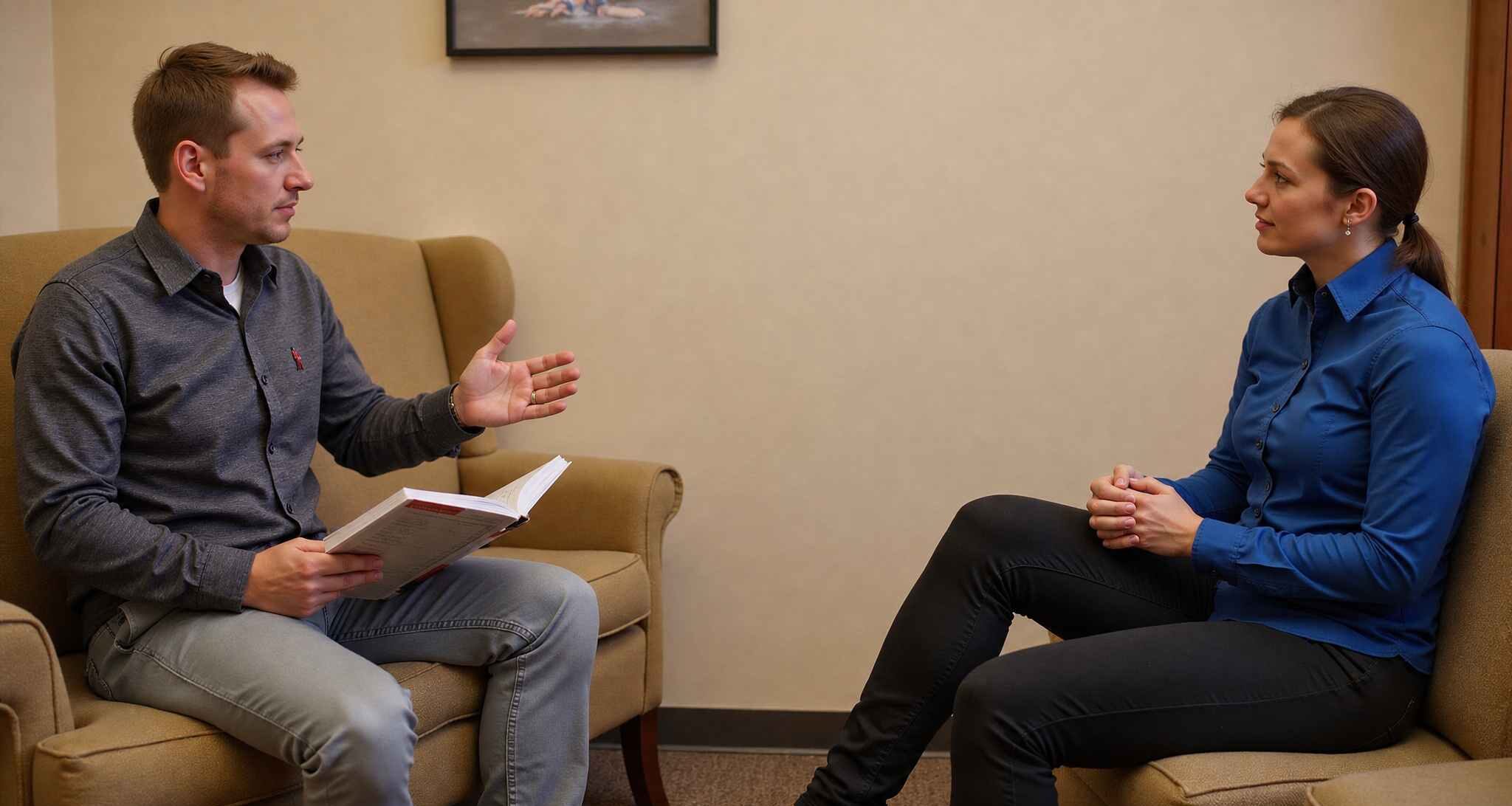
If these patterns sound familiar, consider professional options like CBT or counseling, which are frequently recommended for social anxiety. Gradual exposure plans, guided by a qualified professional, often work better than forcing full participation. Easing social anxiety gradually can be an effective approach for many individuals. This method allows for small, manageable steps that build confidence over time.
Conclusion
Social anxiety at work, especially during tense meetings, is common and manageable. Preparation, focusing on the discussion rather than on yourself, using calming and grounding techniques, and reframing anxious thoughts all make meetings easier to handle. Small, repeated steps outside your comfort zone build confidence over time. When anxiety is severe, therapy such as CBT can offer targeted, effective help.
Overcome Social Anxiety With Real Support
Social anxiety can hold you back in ways others don’t see, but expert care brings genuine, lasting relief. Through National Mental Health Support serving Newburgh, NY, we connect you with licensed mental health counselors who provide the right Individual Therapy and compassionate support for your goals. Call +1 (844) 435-7104 today and take the first step toward healing.
Frequently Asked Questions
Can I Request Meeting Accommodations Without Disclosing My Diagnosis?
Yes, you can often request accommodations without naming your diagnosis. You’re usually able to frame needs functionally, asking for an agenda in advance, time to prepare questions, or difficult meetings scheduled at higher-alert times. Focus on what helps you perform, not the underlying condition. Keep in mind that formal accommodations sometimes require documentation, so it’s worth checking your workplace’s policies or using HR or counseling resources for guidance.
Does Medication Help With Social Anxiety in the Workplace?
Yes, medication can help some people manage social anxiety at work, usually alongside therapy. SSRIs and SNRIs are commonly prescribed for ongoing social anxiety, while beta-blockers can ease the physical symptoms of specific high-pressure situations such as presentations. CBT, counseling, and gradual exposure remain first-line approaches and often work better than forcing full participation. If persistent avoidance, panic symptoms, or ongoing distress are affecting your work, it is worth discussing treatment options, including medication, with a mental health professional.
Are Virtual Meetings Easier or Harder for Social Anxiety?
It depends on you. Virtual meetings can feel easier because you’re in a familiar space, you can use notes discreetly, and you’re not managing a room full of eyes. But they can also feel harder, seeing yourself on camera, awkward silences, and turn-taking delays may heighten self-consciousness. Try turning off self-view, preparing 2 to 3 key points ahead, and using slow breathing beforehand. Notice which format triggers more anxiety, then adjust accordingly.
How Do I Recover After Replaying a Meeting Mistake?
You can interrupt post-meeting replaying by naming it as a common anxiety pattern, not proof you failed. Try grounding with the 5-4-3-2-1 method to shift attention back to the present. Then challenge the thought: ask whether “I messed up” is accurate or an anxious prediction, and replace it with a realistic appraisal. Take a short microbreak, and remind yourself that repetition builds tolerance over time. You’re recovering, not failing.
Should I Tell My Manager About My Social Anxiety?
That’s your choice, and there’s no single right answer. If your anxiety significantly affects your performance or attendance, telling your manager can open the door to accommodations that support you. You don’t have to share a diagnosis, you can simply request specific adjustments, like agendas in advance. If you’d rather not disclose to your manager, employee counseling or mental health resources offer confidential support. Consider what feels safest and most helpful for you.