


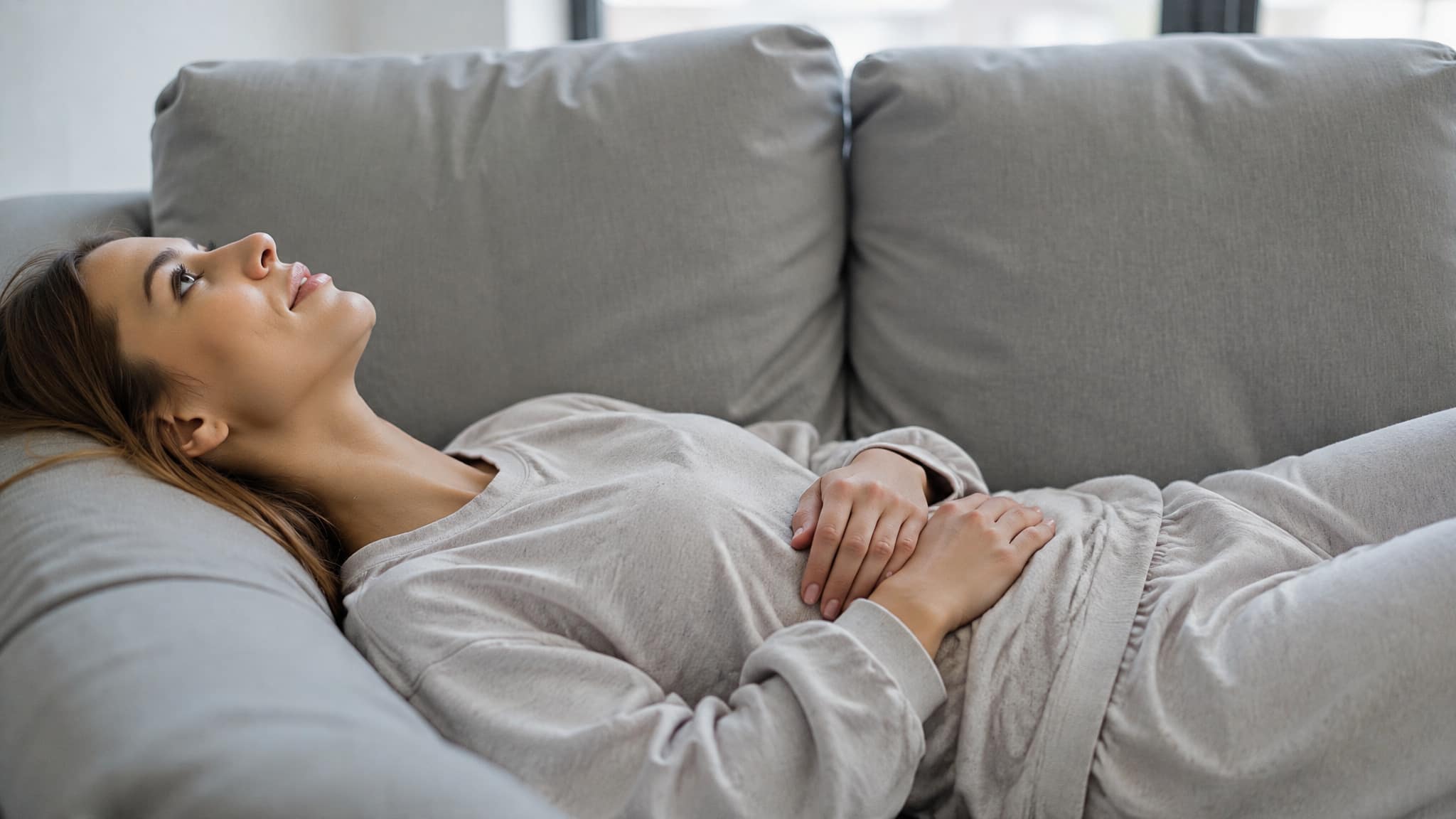



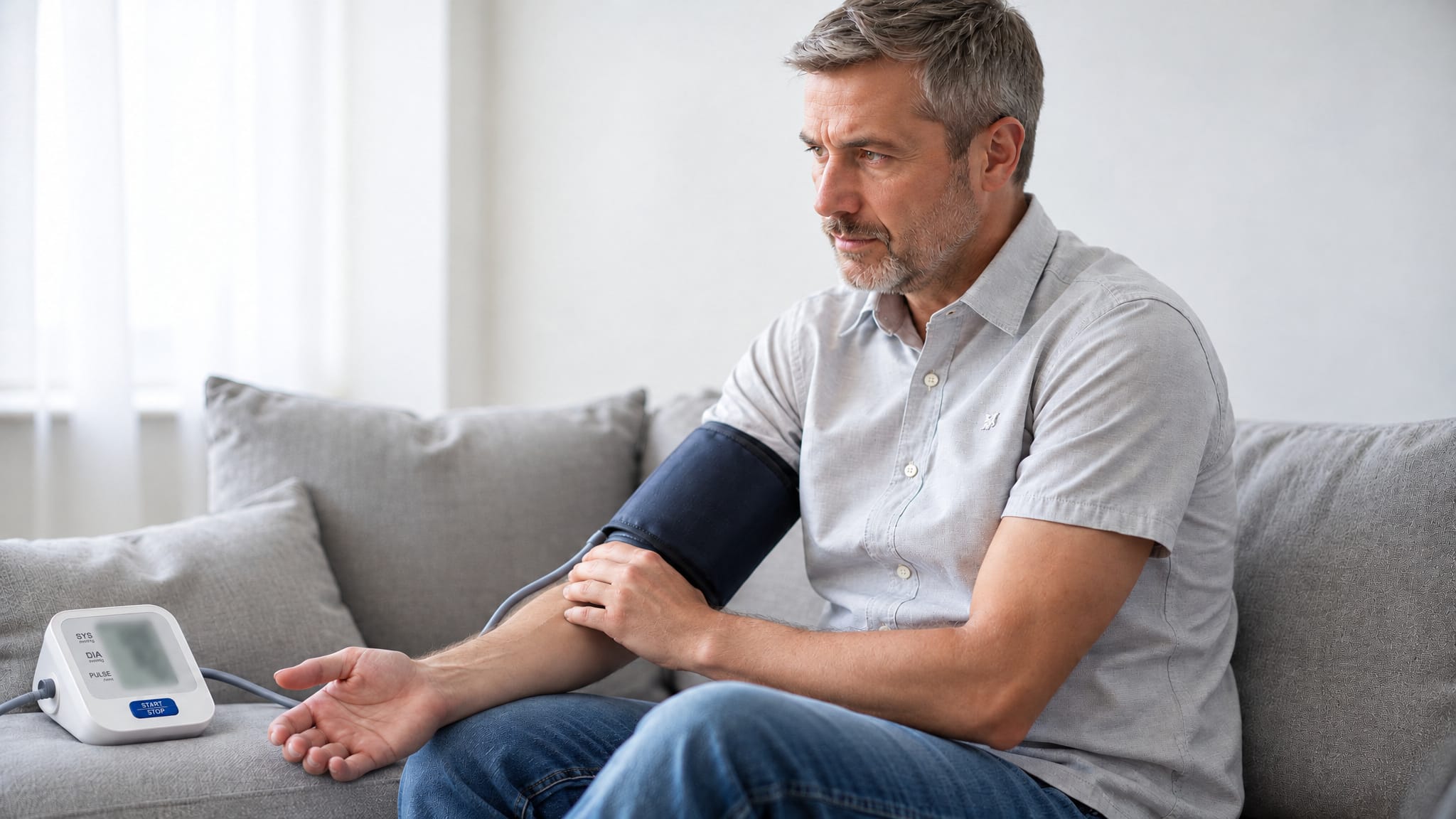







Yes, anxiety can cause chest pain, especially during a panic attack, but chest pain can also be a sign of a heart attack and should never be self-diagnosed. The National Institute of Mental Health lists chest pain, a pounding heart and difficulty breathing among the physical symptoms of a panic attack, and those same sensations overlap with heart attack warning signs. Only a medical evaluation can tell the two apart with confidence.
Key Takeaways
- Anxiety can cause chest pain and tightness, most often during panic attacks.
- Heart attack and panic attack symptoms overlap, so you cannot reliably tell them apart at home.
- Call 911 for new, severe or unexplained chest pain, or chest pain with other warning signs.
- Once a doctor rules out heart problems, slow breathing and muscle relaxation can ease anxiety-related chest tightness.
- Cognitive behavioral therapy is a research-supported treatment for panic disorder.
Can Anxiety Cause Chest Pain and Why?
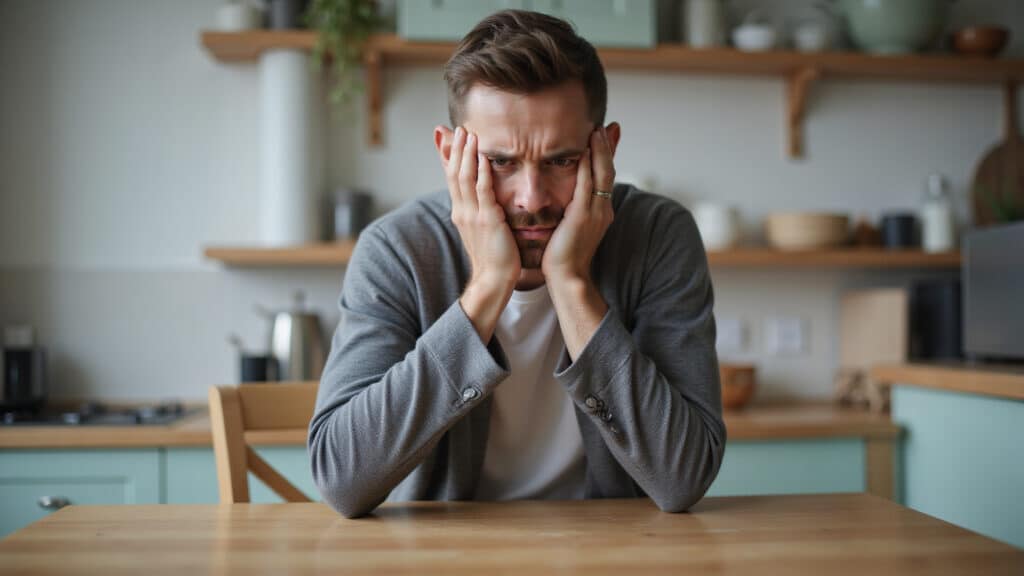
Anxiety can cause chest pain because fear triggers strong physical reactions in the body. According to the NIMH guide to panic disorder, a panic attack is an episode of intense fear with physical and emotional symptoms. Those physical symptoms can include:
- Pounding or racing heart
- Chest pain
- Difficulty breathing
- Sweating and trembling
- Weakness or dizziness
- Stomach pain or nausea
So, does anxiety cause chest pain outside of full panic attacks, and can anxiety cause chest tightness on an ordinary stressful day? It may, but any chest discomfort deserves a medical check before you assume it is anxiety. NIMH also notes that someone with panic disorder might feel their heart pounding and assume they are having a heart attack. That fear can make symptoms feel even stronger. A closer look at managing anxiety and panic attacks explains how these episodes unfold.
What Are the Warning Signs of a Heart Attack?
Knowing heart attack symptoms helps you act quickly. The CDC list of heart attack symptoms includes:
- Chest pain or discomfort, often in the center or left side, that lasts more than a few minutes or goes away and comes back
- Pressure, squeezing, fullness or pain in the chest
- Feeling weak, light-headed or faint, or breaking into a cold sweat
- Pain or discomfort in the jaw, neck, back, or one or both arms or shoulders
- Shortness of breath, which can happen with or before chest discomfort
The CDC adds that unusual tiredness and nausea or vomiting can also occur, and women are more likely to have these other symptoms. If you notice heart attack symptoms in yourself or someone else, the CDC says to call 911 immediately.
How Do You Tell Anxiety Chest Pain From a Heart Attack?

The honest answer is that you often cannot tell at home. The table below compares what NIMH lists for panic attacks with what the CDC lists for heart attacks.
| Feature | Panic attack (NIMH) | Heart attack (CDC) |
|---|---|---|
| Chest symptoms | Chest pain, pounding or racing heart | Pressure, squeezing, fullness or pain, often center or left side |
| Breathing | Difficulty breathing | Shortness of breath, with or before chest discomfort |
| Other body signs | Sweating, trembling, dizziness, nausea | Cold sweat, light-headedness, nausea, unusual tiredness |
| Pain elsewhere | Stomach pain | Jaw, neck, back, arms or shoulders |
| Emotional component | Intense fear is a defining feature | Fear may occur but is not a listed sign |
| Duration | A few minutes to an hour or longer | More than a few minutes, or goes away and comes back |
Because so many signs overlap, treat new or unexplained chest pain as a possible emergency. Getting checked is never an overreaction.
How Long Does Anxiety Chest Pain Last?
NIMH states that a panic attack can last from a few minutes to an hour or sometimes longer, so chest pain linked to panic usually rises and fades with the attack.
Duration alone does not rule out a heart problem. The CDC notes that heart attack discomfort can last more than a few minutes or go away and come back. If your chest pain lingers, keeps returning, or feels different from what a doctor has already evaluated, seek medical care.
How to Relieve Chest Tightness From Anxiety
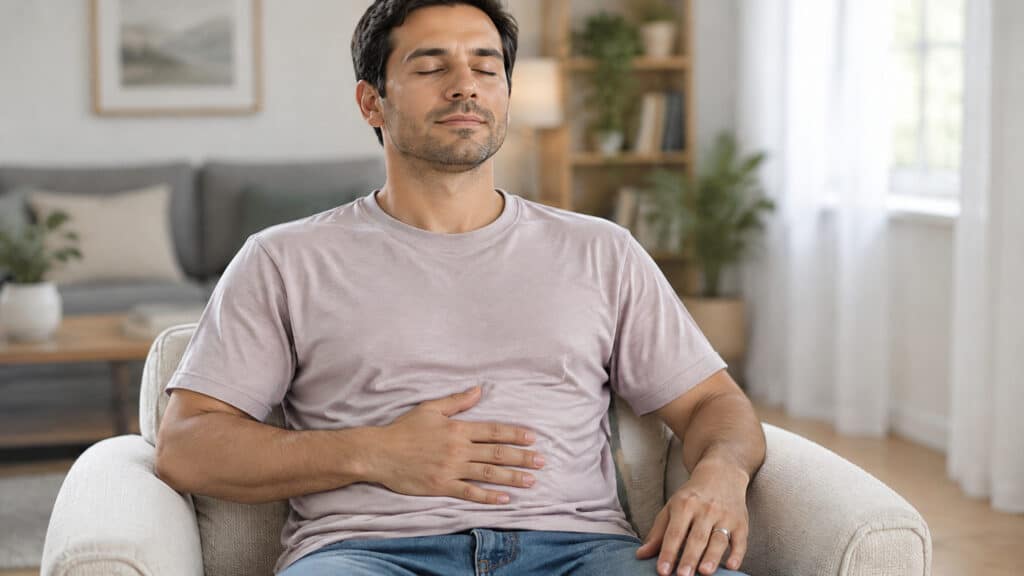
Once a doctor has ruled out heart and other medical causes, relaxation skills can help. The NCCIH overview of relaxation techniques describes two simple options:
- Slow breathing: take slow, deep breaths from your belly, also called diaphragmatic breathing.
- Progressive muscle relaxation: tense one muscle group, then release it, working through your body.
NCCIH reports that a review of 16 studies found relaxation therapy reduced symptoms of anxiety, although many studies in this area were small. These techniques are generally considered safe, but a few people feel more anxious at first. A handful of simple calming techniques for anxiety can give you more grounding options in the moment.
When Should You Get Help for Anxiety Chest Pain?
Call 911 for any new, severe or unexplained chest pain. If tests show your heart is healthy but chest pain keeps returning with anxiety, it is time to address the anxiety itself.
NIMH describes cognitive behavioral therapy as a research-supported treatment for panic disorder, and health care providers may also prescribe medication. Anxiety therapy helps you understand your body’s alarm response and reduce fear of the sensations. If panic attacks are frequent, panic attack treatment with a licensed therapist can make them less frequent and less frightening over time.
Conclusion
Anxiety can cause chest pain, most often during panic attacks, but its symptoms overlap so much with heart attack warning signs that you should never assume. New, severe or unexplained chest pain calls for 911 and a medical evaluation first. Once heart problems are ruled out, slow breathing and muscle relaxation can ease anxiety-related chest tightness. Therapy such as CBT can address the anxiety behind recurring episodes. National Mental Health Support can connect you with licensed therapists who help people manage panic and anxiety symptoms.
Call Today and Get Real Help for Anxiety
When a doctor has cleared your heart but anxiety chest pain keeps coming back, a licensed professional can help you calm the fear cycle that drives it. Through National Mental Health Support serving Wappingers Falls, NY, we connect you with licensed therapists who provide the right Anxiety Therapy for panic attacks and physical anxiety symptoms. Call +1 (844) 435-7104 or reach out to our team today and start feeling more at ease in your body.
Frequently Asked Questions
How do I relax my chest from anxiety?
Start by making sure a doctor has ruled out heart problems. After that, slow diaphragmatic breathing and progressive muscle relaxation are simple options described by NCCIH. Breathe slowly from your belly, or tense and release muscle groups one at a time. Practicing when you are calm makes these skills easier to use during anxious moments. A therapist can teach additional strategies tailored to you.
What does cardiac anxiety feel like?
Usually, it involves intense worry about your heart, often focused on sensations like a pounding heart or chest discomfort. NIMH notes that someone with panic disorder might feel their heart pounding and assume they are having a heart attack. That fear can trigger more symptoms, creating a loop. If this pattern sounds familiar, talk to your doctor first, then consider therapy to address the anxiety.
How do you know when chest pain is anxiety?
You usually cannot know on your own. Panic attack symptoms such as chest pain, sweating, dizziness and difficulty breathing overlap with heart attack signs. A medical evaluation is the only reliable way to rule out heart problems. If your chest pain is new, severe or comes with shortness of breath, a cold sweat or pain spreading to your arm or jaw, call 911.
What are the key differences between a panic attack and a heart attack?
It depends on the person, because many symptoms overlap. The CDC describes heart attack chest discomfort as pressure, squeezing or fullness, often with pain in the jaw, neck, back or arms. NIMH describes panic attacks as episodes of intense fear with symptoms like a pounding heart, trembling and chest pain. Since you cannot reliably tell them apart at home, seek emergency care for unexplained chest pain.
Can stress cause chest tightness?
It can, particularly when stress and anxiety lead to panic attacks, since NIMH lists chest pain among panic attack symptoms. Still, chest tightness has many possible causes, including heart and lung problems. Do not assume stress is the reason, especially if the tightness is new or severe. Get a medical evaluation first, then work on stress and anxiety once other causes are ruled out.