









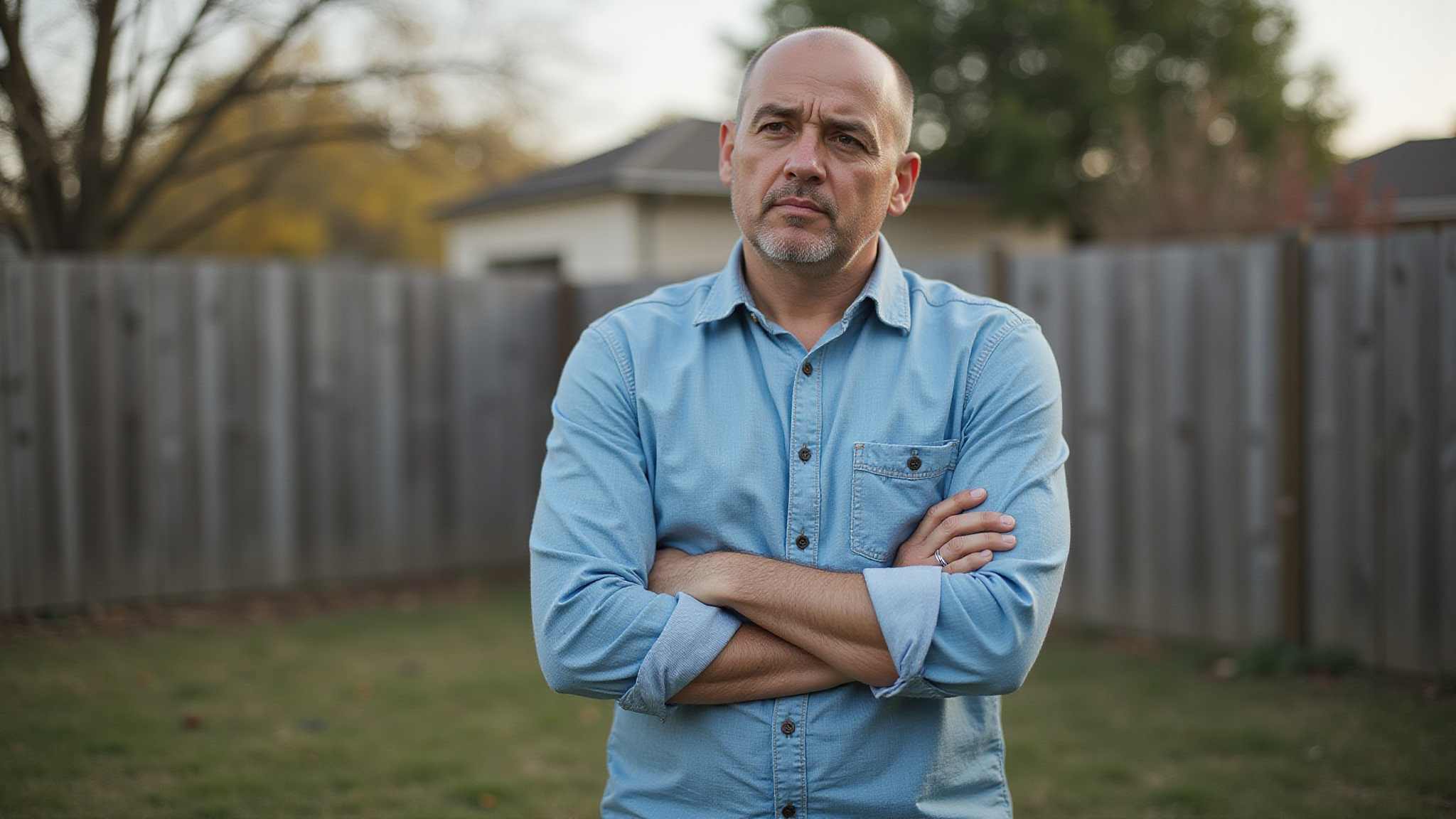




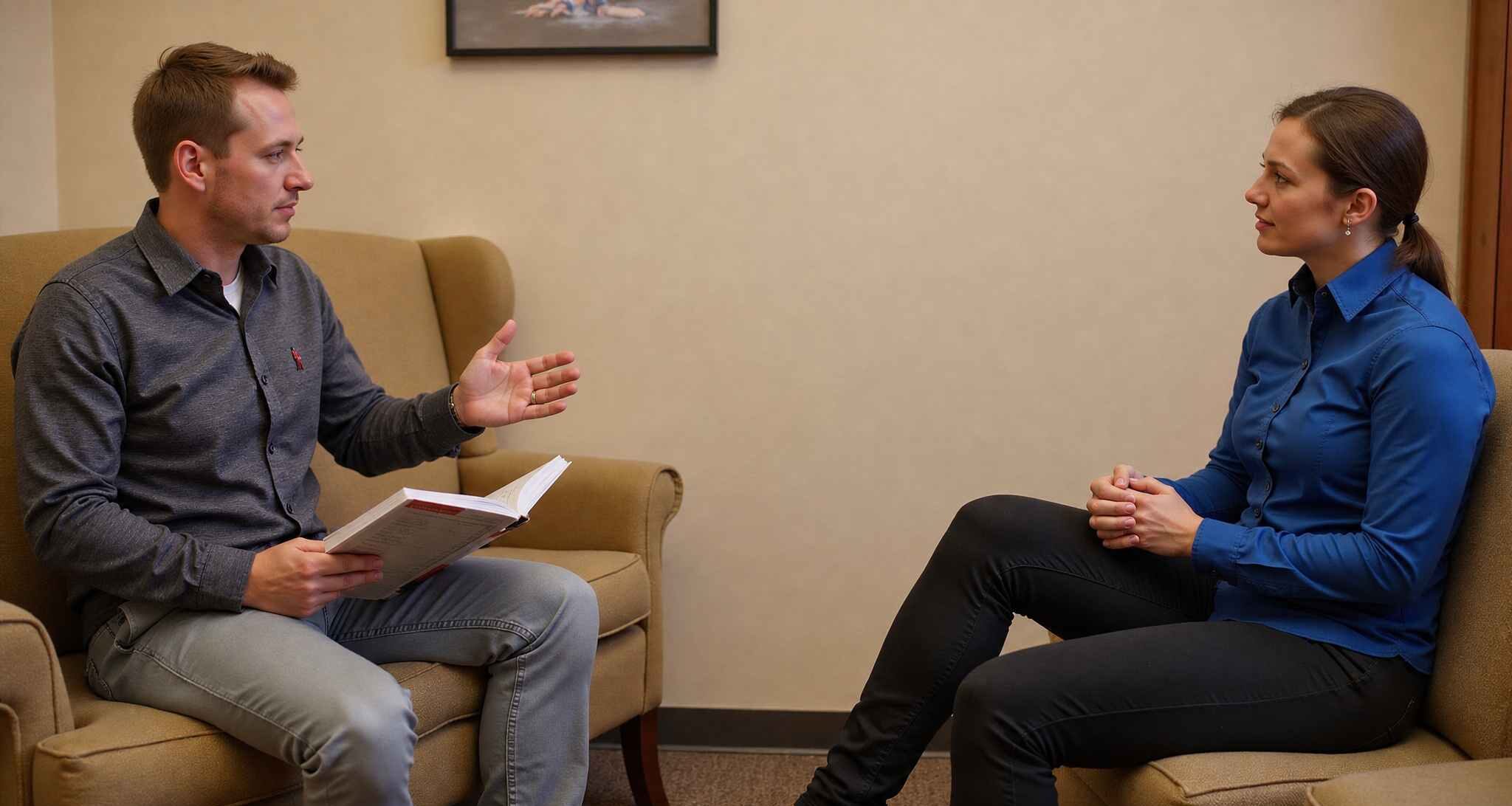

To address panic attacks while managing anxiety, you’ll need a multi-faceted approach combining professional treatment with daily self-care. Start with Cognitive-Behavioral Therapy (CBT), which has shown 73% success rates, while maintaining consistent sleep and exercise routines. Develop an emergency response plan that includes breathing techniques and grounding tools. Document your triggers and symptoms, and build a strong support network. Understanding the connection between panic and anxiety will help you create an all-encompassing management strategy. A psychological approach to anxiety often involves mindfulness techniques and stress-reduction exercises. These methods can enhance your coping skills and improve your overall emotional resilience.
Understanding the Link Between Panic and Anxiety

Three key mechanisms connect panic and anxiety in a complex relationship: neurobiological, cognitive-behavioral, and physiological systems. When you experience anxiety or panic, neural mechanisms in your limbic system, particularly the amygdala and locus coeruleus, drive your fight-or-flight response while your prefrontal cortex shows reduced activity. Many patients find relief through antidepressant medications that help restore neurotransmitter balance. Patients with panic and anxiety disorders often experience recurrent attacks without any identifiable triggers.
Your thoughts and bodily sensations create a self-reinforcing cycle where anxiety increases your vigilance of physical symptoms, potentially triggering panic attacks. Additionally, respiratory vulnerabilities play an essential role, as both conditions share similar breathing abnormalities. Up to 83% of anxiety sufferers experience respiratory issues that can escalate into panic symptoms. Understanding these interconnected systems helps explain why anxiety and panic frequently co-occur and how one condition can intensify the other. These symptoms can be particularly challenging for couples where one partner experiences anxiety disorders, as research shows significant impacts on relationship quality and interpersonal distress.
Recognizing Early Warning Signs and Triggers
While panic attacks can feel overwhelming and unpredictable, learning to recognize your early warning signs and triggers is essential for effective management. When identifying situational cues, pay attention to high-stress environments, crowded spaces, and specific locations associated with past episodes. Your body often signals an impending attack through physical symptoms like increased heart rate, chest discomfort, or shortness of breath. Since these episodes can strike during any time of day, including while sleeping, maintaining awareness of your triggers is crucial. Cognitive behavioral therapy has proven particularly effective in helping individuals identify and manage their unique triggers. Although these episodes can be frightening, remember that panic attacks are not life-threatening despite their intense symptoms.
Monitoring physical symptoms should extend to mental and emotional changes, including sudden feelings of doom, fear of losing control, or sensations of unreality. You’ll want to track your responses to common triggers such as caffeine intake, fatigue, or major life stressors. By understanding these warning signs, you can better differentiate panic symptoms from other conditions and develop appropriate coping strategies before an attack escalates.
Professional Treatment Options That Work

Professional treatment offers several evidence-based approaches for managing panic disorder effectively. Cognitive-Behavioral Therapy (CBT) stands as the gold standard, helping you modify negative thought patterns and gradually reduce panic responses through exposure therapy. Research shows panic-free rates reach 73% after 3-4 months of CBT treatment. Learning controlled breathing techniques can provide immediate relief during panic episodes. Treatment typically shows significant improvement within months of starting therapy. You’ll find that CBT works well whether delivered in person or via telehealth platforms.
Medication options, particularly SSRIs and antidepressants, can effectively control symptoms when prescribed by healthcare providers. For ideal results, evidence-based techniques often combine CBT with medication, especially in severe cases. This multidisciplinary collaboration between therapists and physicians guarantees thorough care and better outcomes. You’ll benefit from regular monitoring and maintenance sessions to prevent recurrence, while digital tools and support groups can supplement your primary treatment plan.
Building a Daily Self-Care Routine
Building a consistent self-care routine reinforces the benefits of professional treatment and empowers you to manage anxiety effectively on your own terms. Start by maintaining consistent routines with sleep, exercise, and meals, as disruptions can increase anxiety risk by up to 15%. Schedule 30 minutes of daily physical activity, like walking, and aim for 7-9 hours of nightly sleep. Balanced nutrition and proper hydration are essential components for maintaining mental clarity and emotional stability.
Focus on scheduling relaxation activities that work for you, whether it’s mindfulness meditation, deep breathing exercises, or nature walks. Regular activities serve as social zeitgebers that help maintain your internal biological rhythms and mental wellbeing. Despite only 1 in 4 anxiety sufferers receiving treatment, you can still take proactive steps to manage symptoms. Incorporate regular social connections and gratitude practices into your daily schedule. Use wellness apps or online programs to structure your relaxation techniques, and maintain basic self-care through personal hygiene and grooming. These foundational habits create stability and strengthen your ability to manage anxiety symptoms effectively.
Creating Your Personal Emergency Response Plan

Developing a personalized emergency response plan equips you with a structured approach to manage panic attacks effectively when they occur. Start by documenting your specific triggers and symptoms, then outline clear, actionable steps for immediate intervention. Since panic attacks typically last about 30 minutes, having a well-organized plan helps you track the duration and seek emergency help if symptoms persist longer. Include medication storage locations and essential contact information, including healthcare providers and trusted supporters.
Create a compact emergency kit containing grounding objects, written coping statements, and calming tools that you can access quickly. Deep breathing while sighing on exhale can help relax tense chest muscles during an attack. Having a calm voice nearby can provide reassurance during the experience. Consider workplace disclosure strategies and identify safe spaces where you can retreat when needed. Your plan should detail specific breathing exercises, muscle relaxation techniques, and predetermined phrases for communicating distress to others.
Regularly review and update your plan, ensuring it remains relevant to your current circumstances and includes the most effective strategies for your unique situation.
Support Systems and Social Connections
Establishing strong social networks plays a vital role in managing anxiety and panic attacks, as research shows that higher levels of social support directly correlate with reduced anxiety symptoms. You’ll benefit from actively cultivating relationships with family members, friends, and peers who can provide emotional support, practical assistance, and a sense of connection during challenging times. Building these support systems transforms overwhelming situations into more manageable experiences while promoting long-term resilience and better treatment outcomes. Studies demonstrate that perceived social support can lead to approximately 9% of total improvement in anxiety symptom reduction over time.
Building Strong Social Networks
When it comes to managing panic attacks and anxiety, strong social networks serve as an essential protective shield against psychological distress. Your network structure plays a critical role, with integrated, mutually connected groups offering better mental health outcomes than fragmented connections. The interaction quality of your relationships matters more than quantity, as positive, supportive connections significantly diminish anxiety symptoms.
| Support Type | Benefits |
|---|---|
| Close Friends | Reduces uncontrollable worry |
| Peer Groups | Provides targeted understanding |
| Online Communities | Offers accessible support |
| Professional Contacts | Accelerates symptom reduction |
| Community Activities | Fosters sense of belonging |
You’ll find greater success in managing anxiety by diversifying your support system across multiple channels. Whether through in-person connections or digital networks, maintaining quality relationships helps buffer against stress and prevents anxiety escalation.
Nurturing Family Relationships
Beyond peer networks, family relationships form a foundational pillar in managing anxiety and panic attacks. Research shows that harmonious family environments and responsive support systems profoundly impact your mental well-being, particularly in managing stress and anxiety levels.
- Establish positive communication strategies within your family unit to reduce conflict and create an environment where feelings can be openly discussed
- Focus on nurturing child caregiver bonds through consistent, warm interactions that foster secure attachment and emotional resilience
- Develop flexible family coping mechanisms that adapt to individual needs during times of crisis
- Participate in family therapy or psychoeducation when needed to address dysfunction and build healthier relationship patterns
Understanding that supportive family dynamics don’t guarantee anxiety reduction, it’s imperative to actively work on creating an environment that promotes mental health adaptability and emotional security.
Long-Term Management Strategies for Success
Successfully managing panic attacks and anxiety requires an extensive, long-term approach that integrates multiple evidence-based strategies. Your treatment plan should combine professional intervention with daily self-management techniques. Start with medication management under physician supervision, considering options like SSRIs for sustained relief, while implementing essential lifestyle modifications such as reducing caffeine intake and maintaining consistent sleep patterns.
You’ll need to master CBT techniques to restructure negative thought patterns and develop coping mechanisms. Incorporate regular breathing exercises and mindfulness practices into your daily routine. Regular physical activity and stress management activities strengthen your resilience against panic attacks. Commit to practicing grounding strategies and relaxation techniques consistently, and don’t hesitate to leverage support groups and self-help resources for additional guidance and encouragement.
Frequently Asked Questions
Can Panic Attacks Cause Permanent Damage to the Heart?
While panic attacks can cause frightening symptoms like increased heart rate and chest pain, they don’t directly cause permanent heart damage in healthy individuals. However, if you have chronic panic disorder, you’re at higher risk for developing heart disease over time. The strongest connection is with temporary blood flow changes during attacks. If you have pre-existing heart conditions, panic attacks may temporarily worsen your cardiac symptoms.
How Long Does It Typically Take for Prescribed Medications to Work?
The time for medications to work varies based on the type you’re taking. Fast-acting benzodiazepines can provide relief within 30-90 minutes, while SSRIs and SNRIs typically take 2-6 weeks for full effect. You’ll need to work closely with your doctor on medication dosage adjustments to find the right balance. During this time, medication side effect management is pivotal. Most people notice initial improvements within 13 days, but full therapeutic benefits may take up to 20 days or longer.
Are Panic Attacks Hereditary or Genetic?
Yes, you can inherit a genetic predisposition to panic attacks. Research shows that if you have a first-degree relative with panic disorder, you’re up to 17 times more likely to develop it yourself. However, inherited risk factors don’t guarantee you’ll experience panic attacks. Multiple genes contribute to susceptibility rather than a single gene, and environmental factors play a pivotal role too. Your genetics load the gun, but environment pulls the trigger.
What Percentage of People Completely Recover From Panic Disorder?
With proper treatment, you can expect a 33% chance of achieving complete, long-term remission from panic disorder. However, your recovery chances improve considerably with professional help; 60-80% of people achieve substantial recovery through therapy, especially when focusing on identifying triggers and managing episodes. You’ll likely see improvements within 3-12 months of treatment, particularly with CBT, which shows 70-90% success rates in reducing panic symptoms.
Do Certain Foods or Supplements Help Reduce Panic Attack Frequency?
Yes, specific foods and supplements can help reduce panic attack frequency. You’ll benefit from incorporating magnesium-rich foods like spinach and nuts, omega-3 sources like wild salmon, and probiotic-rich foods like kefir. Herbal supplements such as passionflower show promise, though you should discuss these with your doctor first. Dietary changes focusing on anti-inflammatory patterns and consistent meal timing can also make a difference. Evidence supports including plenty of vegetables, fruits, and whole grains.