






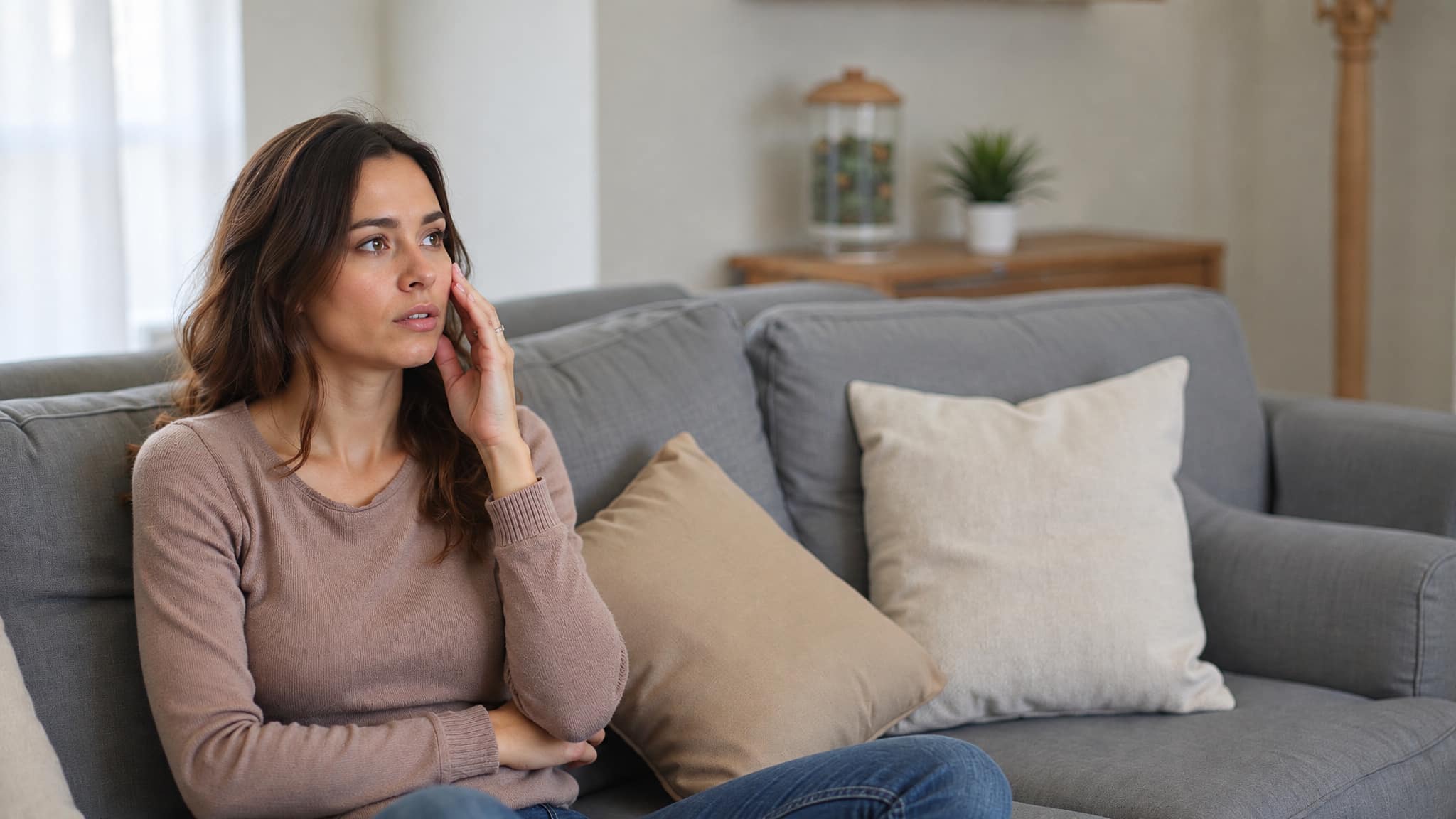








Crippling anxiety is anxiety so intense that it stops you from doing everyday things, like going to work, leaving the house or keeping up with relationships. It is not a formal diagnosis. It is a way people describe severe symptoms that often come from conditions such as generalized anxiety disorder, panic disorder, social anxiety disorder or agoraphobia. The encouraging part is that these conditions are treatable.
Key Takeaways
- Crippling anxiety describes anxiety severe enough to interfere with daily life, not a specific diagnosis.
- It often reflects an anxiety disorder such as GAD, panic disorder, social anxiety disorder or agoraphobia.
- Avoiding what scares you brings short-term relief but tends to keep anxiety going.
- Cognitive behavioral therapy and medication are well-established anxiety treatment options.
- A licensed professional can assess your symptoms and help you build a plan that fits your life.
What Is Crippling Anxiety?

Everyone feels anxious sometimes. Anxiety becomes a problem when it does not go away and starts to shape your choices. The National Institute of Mental Health (NIMH) explains that for people with anxiety disorders, anxiety “does not go away, is felt in many situations, and can get worse over time,” and that symptoms can interfere with daily life, including job performance, schoolwork and relationships.
“Crippling” is the word many people use when anxiety reaches that point. You might call in sick because you cannot face a meeting, avoid driving after a panic attack or spend hours stuck in worry. NIMH notes that in severe cases, a person may avoid social encounters or refuse to leave their home.
Anxiety disorders are common. NIMH estimates that 19.1 percent of U.S. adults had any anxiety disorder in the past year, and 22.8 percent of those experienced serious impairment.
What Are Crippling Anxiety Symptoms?
Crippling anxiety symptoms affect your mind, your body and your behavior. They often overlap across different anxiety disorders.
- Mental: constant worry that is hard to control, trouble concentrating, restlessness.
- Physical: racing or pounding heart, sweating, trembling, dizziness, muscle tension, headaches, sleep problems.
- Behavioral: avoiding places, people or tasks, withdrawing from activities you used to enjoy.
What makes anxiety “crippling” is not one symptom. It is the combined effect on your ability to function. If you are turning down work, cancelling plans or organizing your day around avoiding fear, the anxiety is doing more than making you uncomfortable.
Which Conditions Cause Severe Anxiety?

Severe anxiety can come from several conditions. The table below compares the ones most often behind it.
| Condition | Core feature | How it can disrupt life |
|---|---|---|
| Generalized anxiety disorder (GAD) | Hard-to-control worry on most days for at least 6 months | Exhaustion, poor sleep, trouble focusing at work |
| Panic disorder | Repeated panic attacks and fear of the next one | Avoiding places where attacks happened |
| Social anxiety disorder | Intense fear of being judged by others | Avoiding meetings, classes or social events |
| Agoraphobia | Fear of situations where escape or help may be hard to get | Difficulty leaving home or using public transport |
NIMH notes that agoraphobia can sometimes develop alongside panic disorder. Only a licensed professional can tell which condition, if any, fits your experience.
Why Does Avoidance Make Anxiety Worse?
Avoidance is one of the main reasons anxiety grows from manageable to crippling. When you skip something that frightens you, your anxiety drops right away. Your brain learns that avoiding worked, so the next time the urge to avoid is stronger.
NIMH puts it plainly: avoiding anxiety-provoking situations “may feel helpful in the short term,” but “the anxiety is likely to remain without treatment.” Over time, your world can shrink as more places and tasks feel off limits.
This is why effective treatment usually involves gently facing feared situations rather than avoiding them, with support and at a pace you can manage. Practical techniques for managing anxiety can help you start building that tolerance.
How Is Crippling Anxiety Treated?

Anxiety disorders respond well to treatment, though improvement takes time and effort. The two main options are psychotherapy and medication, used alone or together.
CBT for anxiety is the most studied therapy. NIMH describes cognitive behavioral therapy as a “gold standard” psychotherapy for GAD. It helps you notice anxious thought patterns and change how you respond to them. Exposure therapy, a CBT method, helps you gradually face the fears you have been avoiding.
Medication may also help. NIMH lists antidepressants such as SSRIs and SNRIs, along with other anti-anxiety medications, as options a health care provider may prescribe. A prescriber will weigh benefits and risks for your situation. An overview of effective medication for anxiety explains the options your prescriber may discuss.
When Should You Get Anxiety Therapy?
Consider anxiety therapy if worry or panic is causing you to miss work or school, avoid people or places, lose sleep regularly or rely on alcohol or other substances to cope. You do not need to wait until things feel unbearable.
A good first step is talking to your primary care provider, who can check for physical causes and refer you to a mental health professional. A licensed therapist can then assess your symptoms and recommend a treatment approach. If panic attacks are part of your experience, managing anxiety and panic attacks can help you prepare for that conversation.
If you are having thoughts of suicide, call or text 988 (Suicide and Crisis Lifeline). If you are in immediate danger, call 911.
Conclusion
Crippling anxiety is not a diagnosis, but it is a real description of anxiety that has started to control your days. It often reflects a treatable condition such as GAD, panic disorder, social anxiety disorder or agoraphobia. Avoidance tends to keep it going, while approaches like CBT and, when appropriate, medication help many people regain their footing. Reaching out early can keep your world from getting smaller. National Mental Health Support can connect you with licensed therapists who understand severe anxiety and can help you take practical steps forward.
Call Today and Get Help for Severe Anxiety
A licensed professional can help you understand what is driving your anxiety and start reversing the avoidance that keeps it strong. Through National Mental Health Support serving LaGrangeville, NY, we connect you with licensed therapists who provide the right Anxiety Therapy for worry and panic that get in the way of daily life. Call +1 (844) 435-7104 or reach out to our team today and take the first step.
Frequently Asked Questions
What is the number one worst habit for anxiety?
Avoidance is often considered the most harmful habit. Skipping situations that make you anxious brings quick relief, but it teaches your brain that those situations are dangerous. NIMH notes that avoiding anxiety-provoking situations may feel helpful in the short term, but the anxiety is likely to remain without treatment. Facing fears gradually, often with a therapist’s guidance, works better over time.
What are the serious symptoms of anxiety?
Serious symptoms are those that disrupt your ability to function. Examples include frequent panic attacks, avoiding work, school or leaving home, constant worry that you cannot control, ongoing sleep problems and using alcohol or drugs to cope. Chest pain or trouble breathing should always be checked by a doctor first. Thoughts of suicide need immediate help, so call or text 988.
What is the 3-3-3 rule of anxiety?
It is a simple grounding technique, not a clinical treatment. When anxiety rises, you name 3 things you can see, 3 sounds you can hear and then move 3 parts of your body, such as your fingers, shoulders or feet. The goal is to shift your attention to the present moment. It can help in the moment, but it does not replace therapy.
How can I reduce anxiety?
Several steps can help. Regular exercise, steady sleep, less caffeine and alcohol, and slow breathing can lower day-to-day anxiety. Gradually facing situations you have been avoiding helps break the anxiety cycle. If anxiety is severe or lasts for weeks, talk to your doctor or a therapist about CBT, medication or both.
Is crippling anxiety a mental illness?
Crippling anxiety is not a diagnosis on its own, but it often reflects a diagnosable anxiety disorder. Conditions such as generalized anxiety disorder, panic disorder, social anxiety disorder and agoraphobia are recognized mental health conditions in the DSM-5-TR. A licensed professional can assess whether your symptoms meet criteria for one of these and recommend appropriate treatment.