









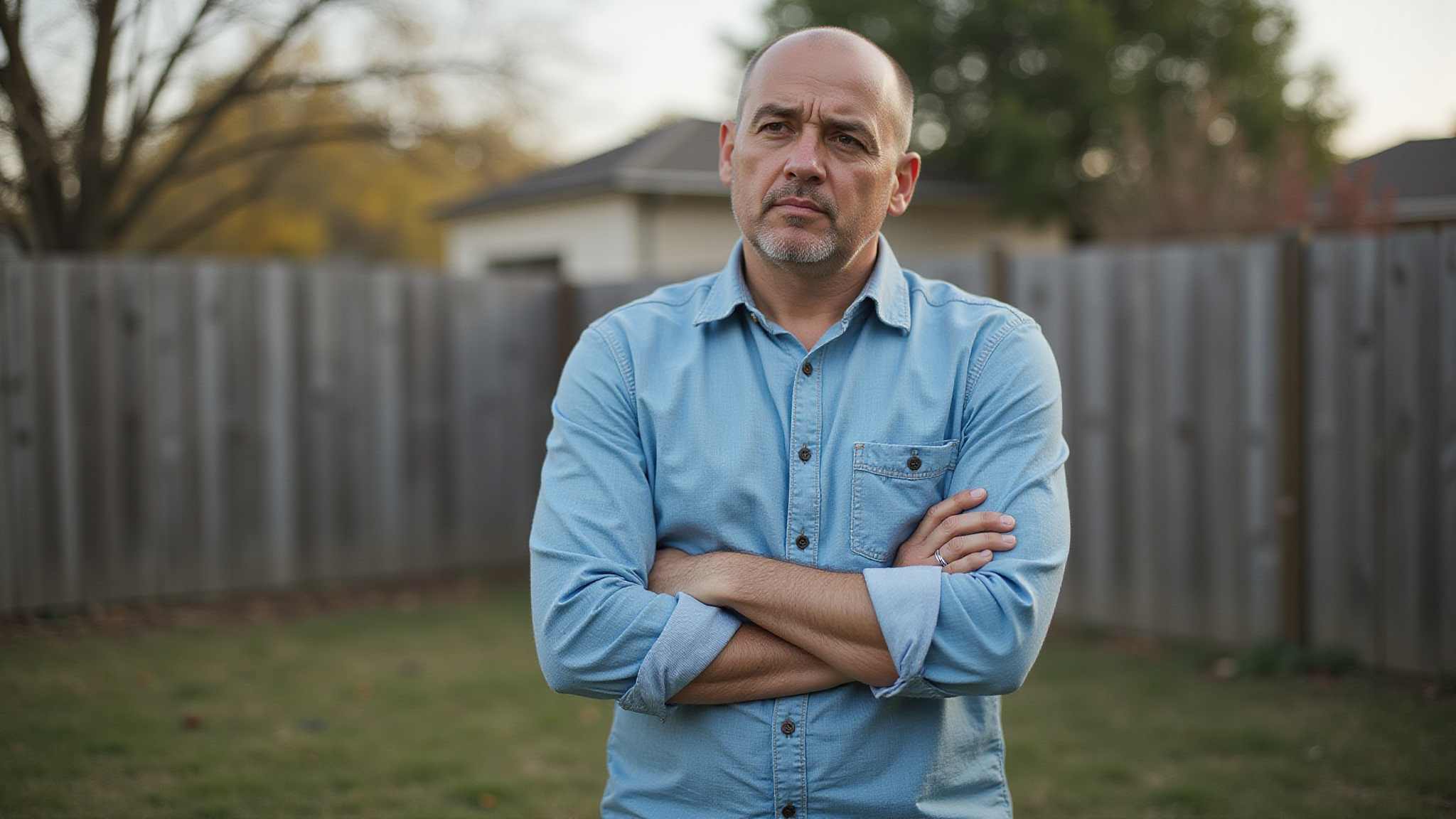




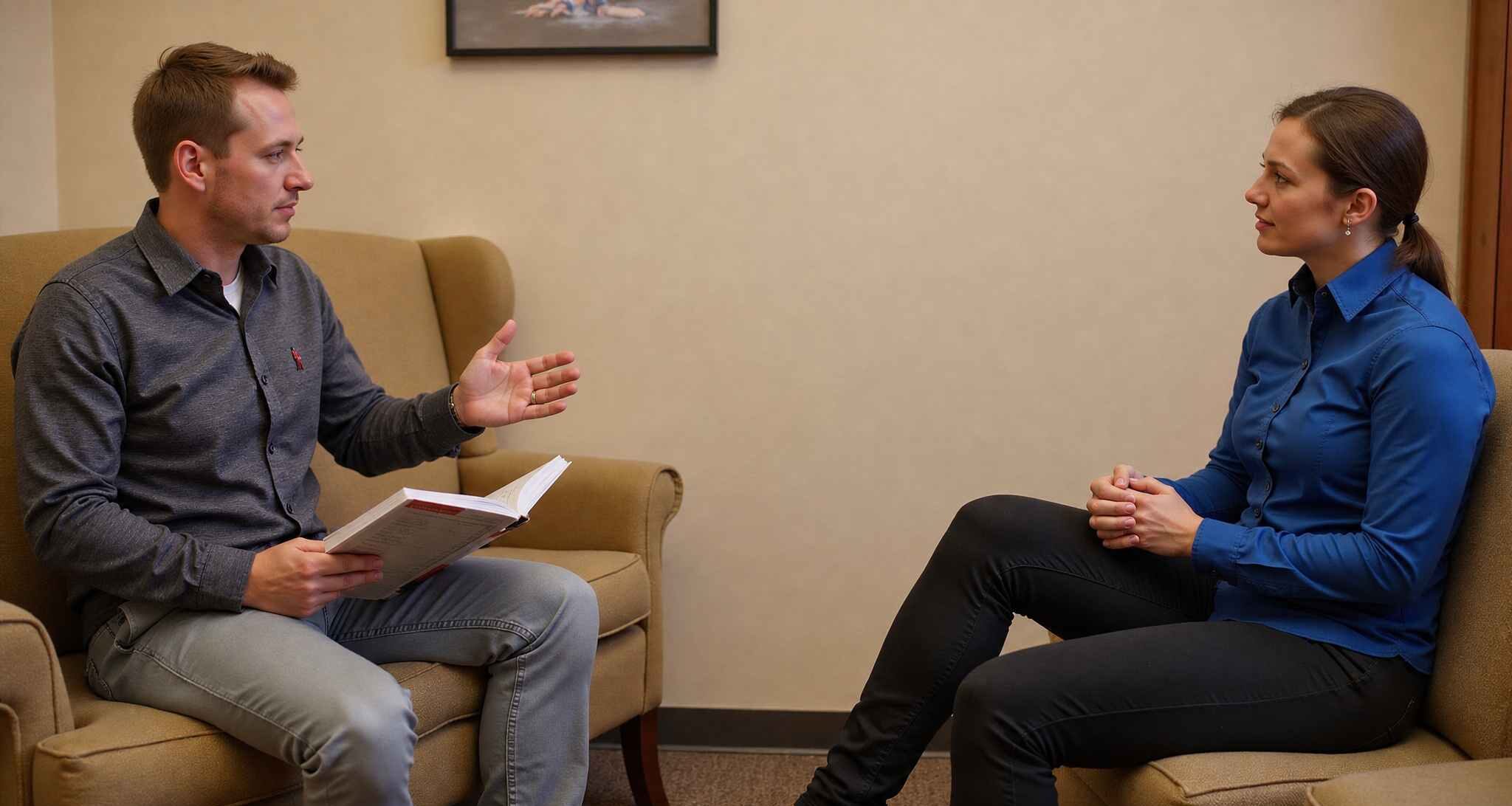

Trauma therapy is hard because it asks you to feel the very pain you’ve spent years learning to survive. As protective defenses like numbing and hypervigilance soften, you may experience more flashbacks, sleep disruption, and emotional overwhelm, a documented phase called the “therapeutic dip.” Buried memories resurface, trust feels risky, and your sense of self can temporarily unravel. None of this means you’re failing; it means you’re healing. Understanding each of these challenges can help you navigate what comes next. One effective approach in addressing these complexities is trauma focused cognitive behavioral therapy ptsd, which helps individuals reframe their experiences and develop coping strategies. By working with a trained therapist, you can identify negative thought patterns and replace them with healthier responses, facilitating resilience. This process not only aids in symptom management but also fosters a deeper understanding of your trauma and its impact on your life.
Why Trauma Therapy Feels Worse Before It Gets Better

When trauma therapy starts working, it often doesn’t feel like progress, it feels like unraveling. You’ve spent years managing through hypervigilance, numbing, or over-functioning. When therapy triggers trauma emotions, those protective strategies begin softening, and what’s underneath finally surfaces. As these feelings arise, trauma therapy techniques and approaches help individuals navigate through the discomfort. By employing various methods, clients can learn to process their emotions in a safe environment. This journey, while challenging, ultimately fosters healing and a renewed sense of self.
The difficulty processing trauma isn’t a sign of failure. It’s your nervous system encountering material it previously couldn’t afford to feel. Flashbacks may intensify. Sleep disrupts. Irritability sharpens. Researchers call this the “therapeutic dip”, a documented phase where distress heightens before meaningful relief takes hold.
You’re not getting worse. You’re feeling what was always there, now without the armor. This activation is the mechanism through which healing occurs, and it typically stabilizes with consistent engagement and professional guidance. As trust with your therapist deepens, unconscious defense mechanisms that once shielded you from overwhelming emotions begin to disarm, allowing buried feelings to finally be processed.
Why Buried Memories Surface During Trauma Therapy
Because trauma memories aren’t stored the way ordinary memories are, they don’t resurface in ordinary ways. Your brain encoded these experiences through state-dependent learning, routing them into subcortical regions that bypass conscious awareness. This is precisely why buried memories surface during trauma therapy, techniques like EMDR and Somatic Experiencing deliberately access those hidden pathways.
When your therapist guides you into emotional states resembling the original trauma, your brain reconnects with memories it previously locked away. Sensory triggers, strong emotions, and guided introspection break through protective defenses, bringing fragmented experiences into awareness. Outside of therapy, these repressed memories may also resurface when specific events trigger recall, which is why seemingly unrelated life experiences can suddenly unlock intense emotional responses.
This emotional processing difficulty trauma survivors face isn’t a setback, it’s the mechanism of healing. The memories surface because you’re finally safe enough to confront what your brain once deemed too overwhelming to process.
How Trauma Therapy Disrupts Your Sense of Self

This disruption isn’t regression, it’s reorganization. Your sense of self must temporarily unravel so fragmented pieces can finally integrate into something authentic and whole. This process is necessary because early trauma often leaves dissociation and protective mechanisms that keep painful experiences unintegrated, and true healing requires bringing those hidden parts back together.
Why Trust Issues Make Trauma Therapy So Hard
Trust may be the single most difficult element of trauma therapy, and the most necessary. When past relationships taught you that vulnerability leads to harm, opening up to a therapist feels counterintuitive. These trust issues aren’t flaws, they’re survival adaptations that now complicate trauma healing challenges.
Trust issues in therapy aren’t character flaws, they’re survival adaptations that once protected you from harm.
In therapy, you might experience:
- Questioning whether your therapist genuinely cares or is silently judging you
- Holding simultaneous trust and mistrust toward the same person
- Fear of abandonment driving anxious, people-pleasing behaviors in session
- Fear of inadequacy causing you to withdraw or minimize your pain
Trust can’t be rushed or assumed. It develops through repeated experiences of reliability, attunement, and repair, not reassurance alone. Allowing non-trust is actually where healing begins.
How to Cope When Trauma Therapy Feels Unbearable

When trauma therapy pushes you to your emotional edge, the urge to quit can feel less like avoidance and more like self-preservation, and that distinction matters. Your nervous system is signaling its limits, not your failure. Recognizing this reframes the emotional challenges as information rather than defeat. In this context, therapy tool screens for trauma can serve as critical resources to help you navigate those feelings. By providing insights and coping strategies, they empower you to understand your reactions better. Ultimately, these tools aim to support your healing journey rather than create additional pressure.
Ground yourself through body-based regulation: hold ice cubes, practice deep breathing, or channel frustration into physical movement. These aren’t distractions, they’re nervous system resets that keep you connected to the therapeutic process.
Challenge the thoughts telling you you’re beyond help. Ask yourself, “Would I say this to a friend?” This single question exposes cognitive distortion.
Radical acceptance doesn’t mean approving your pain. It means acknowledging it without judgment, reducing avoidance symptoms that therapy often surfaces, and redirecting energy toward what you can control.
Take the First Step Toward a Healthier Mind
Mental health challenges are hard to face alone, but the right support can change everything. At National Mental Health Support, we connect you with licensed counselors who specialize in Trauma Therapy built around your needs. Serving individuals throughout Albany County and surrounding areas, our team is ready when you are. Call (844) 435-7104 today and take the first step toward a better life.
Frequently Asked Questions
How Long Does Trauma Therapy Typically Take to Show Meaningful Results?
You’ll typically notice meaningful results within a few months, though your unique experience shapes the timeline. Short-term therapy often spans 8, 20 sessions, and research shows about 50% of people recover within 15, 20 sessions. If you’re processing complex trauma, deeper healing may take a year or longer. That’s completely normal. What matters isn’t speed, it’s that you’re building lasting change, and each session moves you closer to relief.
Can Trauma Therapy Cause New Mental Health Symptoms to Develop?
You may notice temporary increases in anxiety, sleep disruption, or emotional sensitivity during trauma therapy, these aren’t new disorders but rather short-term responses to confronting difficult memories. Your brain’s stress-response system activates during reprocessing, which can temporarily intensify symptoms before they improve. If you’re experiencing persistent distress between sessions or can’t function daily, that’s a signal to communicate openly with your therapist so they can adjust your treatment approach accordingly.
Is It Normal to Want to Quit Trauma Therapy Midway Through?
Yes, it’s completely normal to want to quit trauma therapy midway through. Research shows approximately 20-57% of therapy clients experience this impulse, particularly when sessions access deeply painful material. Your brain’s protective mechanisms can disguise avoidance as rational decision-making, convincing you that stopping feels right. This urge often signals you’re approaching meaningful therapeutic work. Before discontinuing, discuss these feelings openly with your therapist, they’re valuable clinical information, not evidence you should leave.
What Types of Trauma Therapy Are Least Emotionally Overwhelming for Beginners?
You’ll likely find somatic experiencing, EMDR, and trauma-informed mindfulness among the least overwhelming options since they don’t require you to verbally recount painful memories in detail. These approaches work through your body’s responses, bilateral stimulation, or grounding techniques instead. Creative therapies like art or music also offer gentler entry points. It’s completely valid to seek approaches that feel manageable, starting with less emotionally intense methods can actually build the stability you’ll need for deeper work later.
Can Trauma Therapy Be Effective Without Verbally Discussing Traumatic Experiences?
Yes, you can absolutely process trauma without verbally recounting your experiences. Methods like EMDR use bilateral stimulation to reprocess traumatic memories at a neurological level, bypassing the need for detailed verbal disclosure. Somatic therapy engages your nervous system directly to release stored trauma through body-based techniques. These approaches aren’t shortcuts, they’re clinically proven alternatives that respect your boundaries while achieving meaningful healing. You don’t have to talk to transform.