














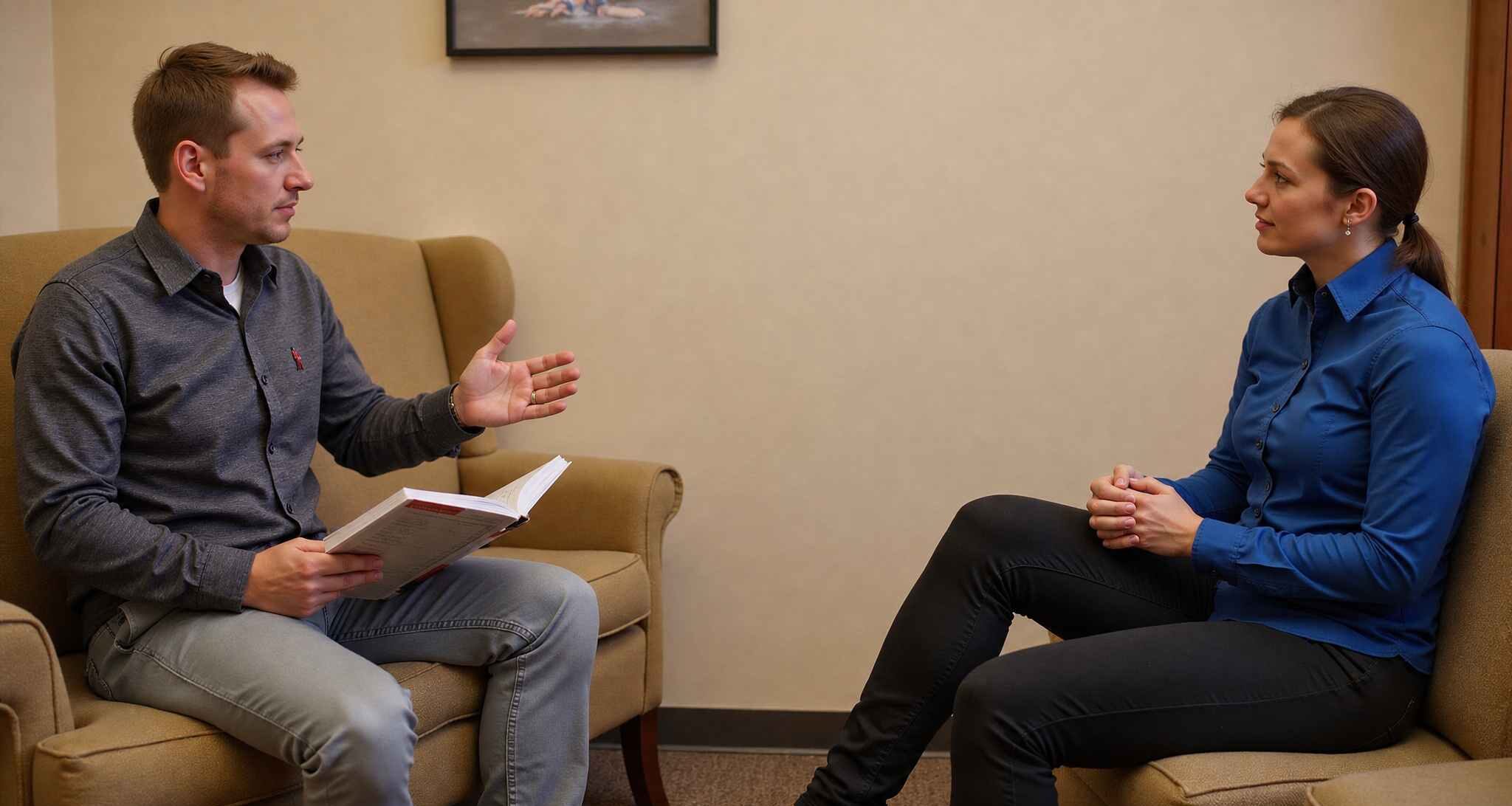

Trauma-informed therapy isn’t a single technique, it’s a framework built on SAMHSA’s six core principles: safety, trustworthiness and transparency, peer support, collaboration, empowerment, and cultural sensitivity. Your therapist shifts from asking “What’s wrong with you?” to “What happened to you?” These principles guarantee you’re treated as an active partner in your healing, not a passive recipient of care. Each principle plays a distinct role in preventing re-traumatization and restoring your sense of agency throughout recovery. A trauma treatment approach emphasizes the importance of understanding your personal history and individual needs. This method encourages strong communication between you and your therapist, fostering an environment conducive to healing. By incorporating these values into your sessions, the therapy becomes a collaborative journey toward recovery and resilience.
What Trauma Informed Therapy Really Means and Why It Matters

A trauma-aware treatment model doesn’t require you to relive painful experiences. Instead, it guarantees your care environment actively prevents re-traumatization while building your capacity for healing. This approach acknowledges that trauma alters your stress-response systems and prioritizes restoring your sense of agency throughout recovery. Central to this model is a fundamental shift from asking “What’s wrong with you?” to asking “What happened to you?”, recognizing that understanding your experiences is the foundation of effective care.
Safety as the First Principle of Trauma-Informed Therapy
Safety forms the bedrock of every trauma-informed framework, and without it, no meaningful therapeutic work can begin. In trauma-informed care, safety isn’t just the absence of danger, it’s the active presence of physical, emotional, and cultural security across every interaction you experience.
When you feel safe, you’re more willing to explore painful memories without fear of re-traumatization. This psychological safety therapy environment reduces anxiety and enables deeper processing. It shifts the question from “What’s wrong with you?” to “What happened to you?” SAMHSA identifies safety as one of its core principles, embedded within a broader approach built on the 4 R’s: Realization, Recognition, Response, and Resisting Re-traumatization.
Safety, trust, and empowerment therapy principles work together: consistent, predictable interactions build trust, while safe environments restore your sense of control and agency. Organizations prioritizing safety see improved engagement and treatment adherence. Providers also benefit, experiencing reduced burnout when safety-informed practices guide their work.
Trust and Transparency in Trauma-Informed Care

When you establish therapeutic trust, you create the foundation for meaningful healing by demonstrating consistent reliability and genuine regard for each person’s experiences. Honest communication practices require you to use clear, accessible language while being transparent about treatment processes, limitations, and decisions so that clients become active participants in their own care. Maintaining consistent boundaries reinforces this trust over time, as predictable professional conduct helps regulate the heightened stress responses that trauma survivors often carry into therapeutic relationships. This foundation of trust and transparency ultimately empowers informed decision-making, enabling individuals to take an active role in shaping their healing journey and fostering resilience throughout the process.
Building Therapeutic Trust
| Trust-Building Element | Clinician Action | Client Benefit |
|---|---|---|
| Clear Communication | Transparent explanation of goals and confidentiality | Reduced re-traumatization risk |
| Collaborative Power-Sharing | Co-creating treatment strategies | Empowerment and autonomy |
| Consistent Reliability | Dependable scheduling and follow-through | Psychological safety |
Patient-centered trauma care guarantees you’re an active partner in decisions. Through trauma-sensitive counseling, therapists combine clinical expertise with your lived experience, fostering equitable collaboration that strengthens recovery outcomes. Incorporating trauma focused therapy for adults can further enhance your healing journey, addressing specific challenges related to past experiences. This approach emphasizes understanding individual trauma responses, allowing for tailored strategies that promote resilience and growth. With the right support, clients often discover new pathways to reclaim their sense of self and well-being.
Honest Communication Practices
- Using validation and non-judgmental practices that acknowledge your feelings without minimizing them
- Eliminating sarcasm, commands, and stigmatizing language from all interactions
- Asking your preferences before offering advice or support
- Maintaining consistency and following through on commitments
- Promoting agency and choice through collaboration rather than issuing directives
These practices guarantee you’re treated as a whole person, not defined by your experiences. When therapists communicate with clarity and empathy, they create predictable environments where you can engage meaningfully in your own recovery.
Maintaining Consistent Boundaries
Consistent boundaries form the structural backbone of trust in trauma-informed care, and they’re far more than rigid rules, they’re living agreements that define how you and your therapist interact safely. Through consistent boundary implementation, you establish predictable frameworks that reduce anxiety and prevent re-traumatization.
A trauma-informed approach treats boundaries as dynamic, requiring collaborative boundary-setting between you and your therapist.
| Boundary Type | Function | Example |
|---|---|---|
| Emotional | Protects psychological safety | Defining acceptable discussion topics |
| Physical | Safeguards personal space | Establishing comfort with proximity |
| Mental | Preserves cognitive autonomy | Respecting your pace of processing |
| Relational | Clarifies roles | Maintaining professional parameters |
| Temporal | Structures sessions | Honoring start and end times |
Boundaries aren’t restrictions, they’re acts of self-care that build resilience over time.
Peer Support as a Core Trauma-Informed Therapy Principle

Because trauma often disrupts a person’s ability to trust others, peer support serves as a uniquely powerful principle within trauma-informed therapy by restoring connection through shared experience. Within a trauma-informed approach, peers offer non-coercive relationships free from authority dynamics, creating authentic safety you won’t find in traditional clinical settings.
A trauma-sensitive therapy approach values mutual self-help through these core elements: Incorporating trauma-focused cognitive behavioral therapy into the session can enhance the effectiveness of mutual self-help. This approach helps individuals process their experiences and develop coping strategies. By fostering a supportive environment, clients can work through their trauma together, reinforcing their resilience.
- Shared lived experience builds foundational trust and reduces psychological barriers to recovery
- Reciprocal relationships benefit both parties, distinguishing peer support from hierarchical models
- Storytelling transforms traumatic experiences into concrete, meaningful narratives
- Voluntary participation guarantees you maintain autonomy throughout your recovery
- Strength-based frameworks rebuild your sense of control and empowerment
Peer support isn’t supplementary, it’s essential to trauma-informed recovery.
Collaboration That Puts Clients in the Driver’s Seat
When you’re part of a trauma-informed therapeutic relationship, you’re not a passive recipient of care, you’re an active partner in shared decision-making processes that shape your healing journey. This approach intentionally levels power differences between you and your provider, recognizing that trauma often strips away your sense of control and that restoring it is essential to recovery. By co-creating treatment goals together, your therapist guarantees that your voice, preferences, and strengths drive the direction of your care.
Shared Decision-Making Processes
How does a therapeutic relationship shift when clients actively participate in choosing their own treatment path? Understanding what trauma-informed therapy means, recognizing that shared decision-making isn’t optional, it’s essential. The trauma-informed therapy meaning centers on restoring agency, and collaborative treatment selection directly supports this goal.
When you explore what a trauma-informed approach in practice is, shared decision-making involves:
- Introducing choice so you understand that multiple evidence-based treatment options exist
- Exchanging information bidirectionally between you and your provider using decision aids
- Exploring preferences that align treatment with your values and lived experiences
- Building trust through genuine rapport that deepens therapeutic engagement
- Reaching consensus through supported deliberation rather than provider-directed decisions
Research shows you’re more likely to initiate and adhere to evidence-based psychotherapy when actively involved in treatment selection.
Leveling Power Differences
Though shared decision-making establishes the framework for collaboration, true trauma-informed practice goes further by actively dismantling the power imbalances that have historically defined clinical relationships. When you’ve experienced trauma, powerlessness is one of its most devastating effects. Traditional treatment models can inadvertently replicate those dynamics through one-directional, coercive approaches.
Trauma-informed care counters this by ensuring your therapist works with you rather than dictating your treatment. You’re supported in setting personal goals, selecting therapeutic approaches, and actively participating in treatment planning. This isn’t symbolic, it’s structural. Power leveling extends beyond clinical interactions to encompass entire organizations, from administrative staff to housekeepers, recognizing that everyone contributes to a therapeutic environment. By restoring your agency and control, this approach directly addresses trauma’s core impact: helplessness.
Co-Creating Treatment Goals
This shared approach builds trust and strengthens your therapeutic alliance through:
- Active participation in defining objectives that align with your readiness and priorities
- Mutual recognition of you as the expert in your own life
- Transparent communication about how decisions are made and implemented
- Flexible goal-setting that honors your identity, background, and values
- Consistent follow-through on agreements, reinforcing trustworthiness
When you co-create treatment goals, you reclaim agency, transforming therapy from something done to you into something built with you.
Empowerment and Choice Give Control Back to Clients
Because trauma often strips away a person’s sense of control, empowerment and choice stand as central principles in trauma-informed care. When you’re offered meaningful choices, even small ones, you regain agency that trauma diminished. This isn’t about unlimited options; it’s about restoring your voice in decisions affecting your care.
| Strategy | Purpose | Outcome |
|---|---|---|
| Inviting questions | Creates safety for expression | Strengthened therapeutic trust |
| Shared treatment planning | Honors your expertise | Improved engagement |
| Choosing pace of disclosure | Respects boundaries | Reduced re-traumatization risk |
Your provider should recognize you’re the expert on your own experience. Through active listening and collaborative decision-making, trauma-informed practitioners help you develop resilience and coping skills. You don’t just receive care, you actively participate in shaping your recovery path.
How Culture, History, and Gender Shape Trauma-Informed Therapy
When cultural frameworks shape how you experience and make meaning of trauma, they also determine the most effective pathways to recovery. Research demonstrates that 19 of 20 Salvadoran women exposed to trauma didn’t meet DSM criteria for PTSD despite significant suffering, revealing how universal diagnostic standards can fail diverse populations.
Trauma-informed therapy must account for intersecting factors:
- Historical trauma transmits cumulative psychological wounding across generations, particularly among colonized and marginalized communities
- Gender-based violence creates distinct mental health consequences requiring specialized, gender-informed approaches
- Collectivist cultural orientations respond effectively to group therapy modalities, including mind-body skills groups
- Structural inequity compounds intergenerational trauma within systemically marginalized populations
- Intersectional identities across race, gender, and sexuality shape unique treatment needs
Culturally responsive care replaces one-size-fits-all models with individualized, evidence-based interventions.
Why a Principles-Based Approach Defines Trauma-Informed Therapy
Rather than prescribing a rigid set of clinical protocols, trauma-informed therapy defines itself through guiding principles that adapt across disciplines, settings, and populations. This flexibility allows you to apply core values, safety, trustworthiness, collaboration, empowerment, and cultural sensitivity, whether you’re working in healthcare, education, or community services.
SAMHSA’s four key assumptions, realization, recognition, response, and resisting re-traumatization, provide you with a systematic foundation that shapes organizational culture, not just individual treatment sessions. This means everyone from administrative staff to clinicians operates within a shared framework.
The principles-based model shifts your perspective from “What’s wrong with you?” to “What happened to you?” You’ll recognize that trauma responses represent adaptive survival strategies rather than pathology. This reorientation doesn’t limit your therapeutic modality, it enhances it by grounding your practice in compassion and evidence-based understanding.
What These Principles Look Like in Your Therapy Sessions
Each principle of trauma-informed therapy translates into concrete, observable practices within your sessions, not abstract ideals. Your therapist applies these principles through deliberate, consistent actions you can recognize:
Trauma-informed therapy isn’t theoretical, it’s built on deliberate, recognizable practices your therapist applies in every session.
- Safety: Your therapist establishes predictable routines and avoids premature trauma exploration, guaranteeing you feel secure before deeper work begins.
- Trustworthiness: You receive clear explanations about methods, expectations, and the rationale behind each intervention.
- Peer support: Your therapist may recommend group-based connections where shared experiences validate your journey and reduce isolation.
- Collaboration: You’re actively involved in setting treatment goals, choosing strategies, and directing your own recovery path.
- Cultural awareness: Your therapist adapts interventions to honor your identity, background, and the societal contexts shaping your trauma experience.
These practices guarantee therapy responds to your needs, not just your symptoms.
How to Know If Your Therapy Is Truly Trauma-Informed
Recognizing whether your therapy truly aligns with trauma-informed principles requires you to look beyond surface-level claims and evaluate what’s actually happening in your sessions. Certain signs indicate genuine trauma-informed practice, while specific red flags suggest your therapist may lack the training or framework needed to support your recovery safely. Asking direct, informed questions before and during treatment empowers you to advocate for the quality of care you deserve.
Signs Of Trauma-Informed Practice
A hallmark of trauma-informed therapy is the fundamental shift in perspective, moving from “what’s wrong with you?” to “what happened to you?” and ultimately to “what’s strong with you?” If your therapist consistently approaches your experiences through this lens, you’re likely receiving care that’s grounded in trauma-informed principles.
Look for these indicators in your therapeutic experience:
- Safety prioritization: Your therapist creates physical and emotional safety through transparency and acknowledgment of your experiences
- Collaborative care planning: Your voice actively shapes treatment goals and implementation
- Re-traumatization prevention: Sessions avoid practices or stimuli that replicate trauma themes
- Strengths-based focus: Conversations explore your resilience alongside your challenges
- Holistic understanding: Your therapist considers your complete life circumstances rather than isolating symptoms
Red Flags To Watch
While recognizing signs of trauma-informed practice helps you identify quality care, it’s equally important to spot warning signs that your therapy may fall short of these standards.
| Red Flag | What It Looks Like |
|---|---|
| Pacing violations | Your therapist pushes you to process trauma faster than you’re comfortable with |
| Boundary breaches | Your therapist over-shares personal stories or imposes personal beliefs onto your healing |
| Dismissive communication | Your therapist minimizes your experiences or talks over you during vulnerable disclosures |
These behaviors directly contradict trauma-informed principles of safety, collaboration, and empowerment. If your therapist overrides your stated boundaries or creates pressure rather than support, you’re likely experiencing re-traumatization rather than healing. Evidence-based, trauma-informed care always prioritizes your autonomy and emotional safety throughout treatment.
Questions To Ask Therapists
How can you determine whether a therapist truly practices trauma-informed care rather than simply claiming to? Asking direct questions reveals whether their approach aligns with evidence-based principles.
Consider asking:
- What training and certifications do you hold in trauma-specific modalities like EMDR, somatic experiencing, or trauma-focused CBT?
- How do you establish emotional and physical safety before processing trauma?
- What body-based approaches do you integrate, and how do you modify them for individual sensory needs?
- How do you honor client choice when someone isn’t ready to discuss clinically relevant material?
- What grounding and self-regulation tools do you use when processing becomes overwhelming?
A therapist’s willingness to answer these questions transparently demonstrates their commitment to safe, supportive, and genuinely trauma-informed practice.
Take the First Step Toward a Healthier Mind
Mental health challenges are hard to face alone but the right support can change everything. At National Mental Health Support, we connect you with licensed counselors who specialize in Trauma Therapy built around your needs. Serving individuals throughout Albany County and surrounding areas, our team is ready when you are. Call (844) 435-7104 today and take the first step toward a better life.
Frequently Asked Questions
How Long Does Trauma-Informed Therapy Typically Take to Show Results?
You’ll typically notice early improvements within 8 to 16 sessions, though meaningful, lasting change often unfolds over several months. Your timeline depends on factors like trauma severity, your engagement level, and the specific therapeutic methods used. You might experience increased safety and trust relatively quickly, while deeper emotional regulation and behavioral shifts develop gradually. Don’t measure progress rigidly, healing isn’t linear, and your therapist will adjust the pace to match your individual needs.
Can Trauma-Informed Therapy Be Effective for Children and Adolescents?
Yes, trauma-informed therapy can be highly effective for children and adolescents. Because young people’s brains are still developing, they’re especially responsive to safe, supportive therapeutic environments. You’ll find that this approach helps regulate stress-response systems, build trust, and reduce emotional reactivity in younger populations. By prioritizing safety and empowerment, you’re creating conditions where children and teens can process experiences without re-traumatization, improving their emotional stability and long-term recovery outcomes.
What Training or Certifications Should a Trauma-Informed Therapist Have?
You should look for a therapist who holds a licensed mental health credential (such as LPC, LCSW, or PsyD) and has completed specialized trauma-focused training. Certifications in evidence-based modalities like EMDR, TF-CBT, or Somatic Experiencing demonstrate advanced competency. You’ll also want someone who’s pursued continuing education in trauma-informed care principles. Don’t hesitate to ask potential therapists directly about their training background and clinical experience treating trauma.
Does Insurance Typically Cover Trauma-Informed Therapy Sessions?
Most major insurance plans cover trauma-informed therapy sessions, especially when your therapist uses evidence-based approaches like EMDR, CBT, or Prolonged Exposure Therapy. You’ll find that the Mental Health Parity Act requires insurers to provide mental health coverage comparable to medical benefits. Your coverage depends on your specific plan, but employer-sponsored, ACA marketplace, Medicaid, and Medicare plans typically include these services. You should verify your plan’s requirements for prior authorization and in-network providers.
Can Trauma-Informed Therapy Be Conducted Effectively Through Online Telehealth Platforms?
Yes, you can receive trauma-informed therapy effectively through online telehealth platforms. Research supports that virtual sessions maintain core principles like safety, trust, and collaboration when your therapist adapts their approach for the digital environment. You’ll find that telehealth can actually enhance accessibility and comfort since you’re participating from a familiar, safe space. However, you should verify your provider uses secure, HIPAA-compliant platforms and discusses any technology-related concerns during your initial sessions.