













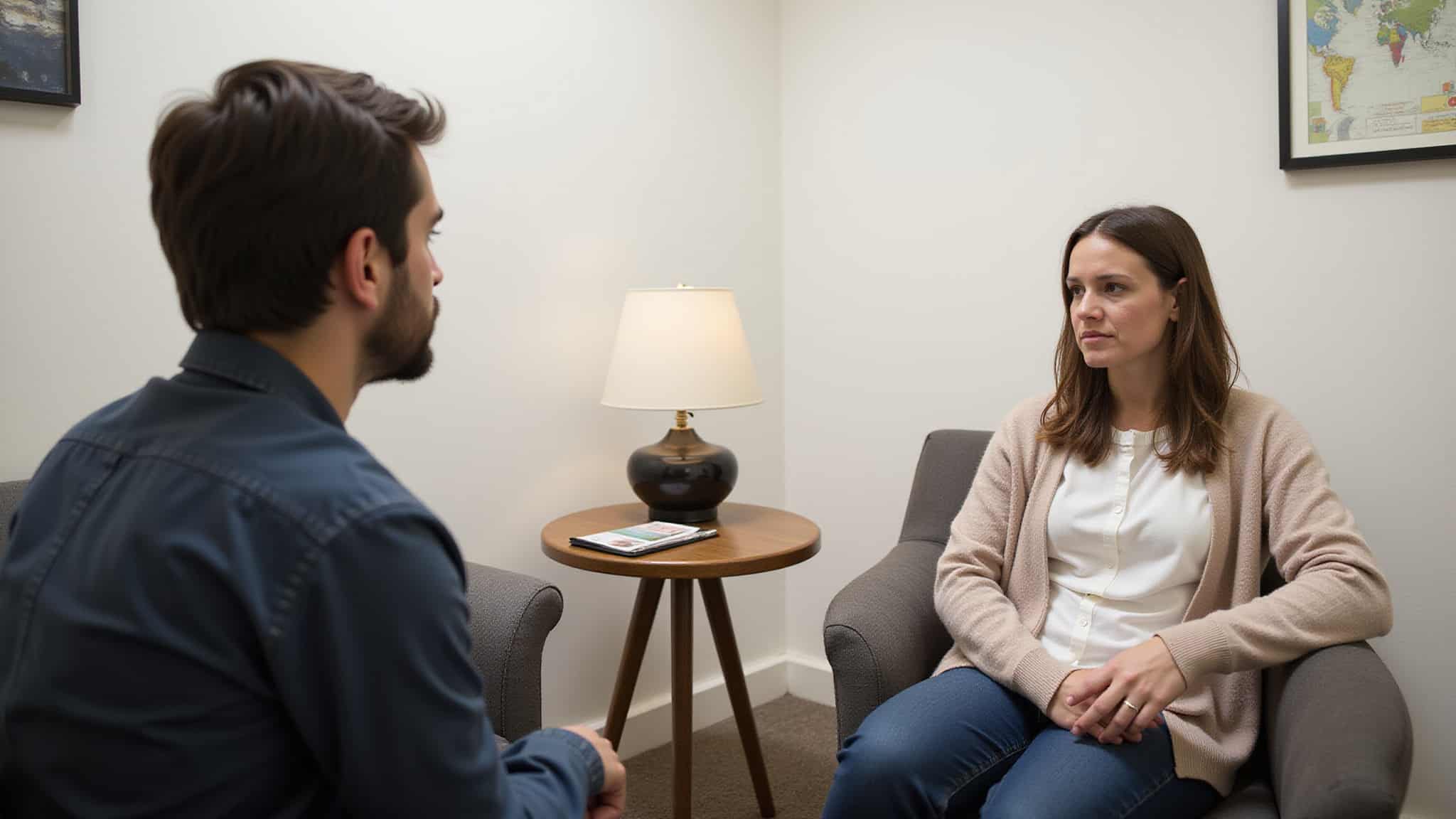


The decision to start anxiety medication depends on how severely symptoms impact your daily functioning. While medications like SSRIs and SNRIs show 50-60% effectiveness as first-line treatments, they require 4-8 weeks to work and may have side effects. You’ll want to ponder both medication and non-pharmacological options like cognitive behavioral therapy, which shows strong outcomes when combined with medication. A healthcare provider can help evaluate your specific situation and explore all available treatment paths. Daily timing for anxiety meds can influence their effectiveness and reduce side effects. It’s important to establish a consistent routine that aligns with your daily activities.
Understanding Anxiety Treatment Options

When seeking treatment for anxiety disorders, patients have access to an extensive, all-encompassing, and wide-ranging set of evidence-based interventions that fall into two main categories: psychotherapy and medication.
Among treatment modalities, cognitive behavioral therapy (CBT), mindfulness-based approaches, and relaxation techniques rank as leading non-pharmacological interventions. Recent studies reveal that pill placebos achieve an effect size of 1.29 for anxiety reduction. Research shows that CBT and third-wave CBTs are particularly effective at reducing generalized anxiety disorder symptoms compared to standard treatment approaches. Your medication options include SSRIs, SNRIs, and benzodiazepines, which typically show higher effectiveness rates than therapy alone. Studies indicate that sexual dysfunction is a common and persistent side effect of SSRI medications. You’ll find that combining CBT with medication often produces the strongest outcomes, with remarkably high effect sizes around 2.12.
While traditional in-person treatments remain most effective, you can also explore alternative options like group therapy, exercise programs, or digital interventions. These alternatives demonstrate moderate to significant improvement in anxiety symptoms, though their effectiveness may be somewhat lower than conventional approaches.
The Science Behind Anxiety Medications
Anxiety medications work by targeting specific neurotransmitter systems in your brain, primarily affecting serotonin, GABA, and norepinephrine pathways to regulate emotional responses and reduce anxiety symptoms. You’ll find that different medication classes have varying success rates, with SSRIs and SNRIs showing 50-60% effectiveness as first-line treatments, while benzodiazepines offer rapid relief but carry risks of dependence. Understanding these biological mechanisms can help you and your healthcare provider select the most appropriate medication based on your specific anxiety symptoms and individual response patterns. Recent research has shown promise in developing new medications that stimulate neurosteroid synthesis, offering anxiety relief without the sedation and dependence risks associated with traditional treatments. Initial treatment typically requires 2 to 6 weeks before patients experience noticeable improvement in their anxiety symptoms. Many antidepressant medications are highly effective in treating both anxiety and depression since these conditions share numerous features and respond to similar drug mechanisms.
How Medications Target Anxiety
Understanding how anxiety medications work requires exploring their complex interactions with brain chemistry. Different medications target specific pathways in your brain: SSRIs and SNRIs increase serotonin and norepinephrine levels, while benzodiazepines enhance GABA activity to reduce neural firing. These medications don’t just affect neurons; they also influence synapse formation and remodeling through microglial action, impacting entire neural circuits. Recent research shows that anti-anxiety drugs interact with TSPO protein in microglial cells, revealing their broader effects beyond just nerve cells. It’s important to note that therapeutic benefits typically take several weeks to become noticeable.
Your brain’s stress response system, the HPA axis, is another key target. Medications can decrease stress hormone production by inhibiting CRF neurons and normalizing cortisol levels. Some newer drugs work through TSPO proteins to boost natural calming compounds called neurosteroids. Successful treatment with these medications often leads to recovered feedback mechanisms in the brain’s stress response system. This multifaceted approach helps explain why different medications may work better for some people than others.
Understanding Treatment Success Rates
The effectiveness of anxiety medications varies greatly across different populations and treatment settings. Clinical trials show antidepressants are 41% more effective than placebos for generalized anxiety disorder, but these results don’t always translate to diverse patient populations in real-world scenarios. Recent studies using collaborative care models in primary care settings have demonstrated superior outcomes for patients receiving integrated treatment approaches.
You’ll likely see better outcomes when combining medication with cognitive behavioral therapy. While medications can provide significant relief, their long-term sustainability remains understudied, with most trials lasting only 4-12 weeks. The most common medications prescribed are SSRIs and SNRIs for managing anxiety symptoms. Young adults between ages 20-44 show the highest usage of anti-anxiety medications. If you’re between 45-64 years old, you’re in the age group most commonly prescribed these medications, though women consistently receive more prescriptions than men across all ages.
Treatment success often depends on factors like adherence, existing health conditions, and ongoing support. Your response may differ from clinical trial participants, who typically don’t have additional psychiatric conditions.
Weighing Benefits and Risks

When contemplating medication for anxiety disorders, patients and healthcare providers must carefully weigh therapeutic benefits against potential risks. While SSRIs and SNRIs offer long-term effectiveness as first-line treatments, you’ll need to ponder potential medication drawbacks like gastrointestinal issues, sexual side effects, and initial adjustment periods of 2-6 weeks. For those under 25 years old, it’s crucial to understand that these medications may carry an increased risk of suicide. It’s important to note that antidepressants typically require 4 to 8 weeks to effectively ease anxiety symptoms. Research indicates that continuing antidepressant treatment for six to 12 months after initial response significantly reduces relapse rates.
Though benzodiazepines provide rapid relief, they carry significant risks, including cognitive impairment, dependence, and reduced antidepressant efficacy. You’ll want to deliberate with your doctor whether short-term or long-term treatment better suits your needs. If you have specific health conditions or substance use history, certain medications may be unsuitable. Alternative options like antihistamines might be appropriate in specific cases, but they too have limitations, particularly regarding sedation and anticholinergic effects in vulnerable populations.
Alternative Therapeutic Approaches
While you’re considering medication for anxiety, research shows that mindfulness-based stress reduction (MBSR) can be equally effective as antidepressants, reducing anxiety symptoms by about 30% with considerably fewer side effects. A clinical trial demonstrated that MBSR was clinically non-inferior to the antidepressant escitalopram for treating anxiety disorders. Regular aerobic exercise provides substantial anxiety relief through improved stress response and neurogenesis, with maximal benefits achieved through moderate activity 3-5 times weekly. If you’re exploring non-pharmaceutical options, both MBSR and exercise offer evidence-based alternatives that can be integrated into your daily routine, though their effectiveness depends on consistent practice and proper implementation.
Mindfulness Vs Medical Treatment
Recent clinical evidence suggests that mindfulness-based interventions (MBIs) rival traditional medical treatments in managing anxiety disorders. Studies show that both MBIs and medications like escitalopram achieve similar reductions in anxiety symptoms, with nearly identical decreases on standardized anxiety scales over 8-12 weeks.
While both approaches are effective, your individual circumstances will determine the best match. MBIs offer fewer side effects but require structured guidance and regular practice. Ongoing intervention adherence can be challenging, with less than 30% maintaining mindfulness practice by 24 weeks. Medications, though associated with more side effects, typically maintain higher adherence rates and may be preferable if you need rapid symptom control or have severe anxiety. Your healthcare provider can help evaluate which approach aligns with your specific needs and lifestyle.
Exercise and Mental Wellness
Beyond mindfulness and medication, physical exercise stands as a powerful intervention for anxiety management. Research demonstrates that both aerobic and resistance training can reduce anxiety symptoms, with effects comparable to medication or cognitive behavioral therapy. The health benefits of exercise include increased endorphin production and improved self-esteem, while the physiological mechanisms of exercise involve modulation of neurotransmitters that regulate stress response.
You’ll find the most significant improvements with exercise sessions lasting 30 minutes or longer, particularly in programs running 3-12 weeks. Whether you choose leisure activities or structured workouts, regular physical activity can serve as an effective non-pharmacological tool for managing anxiety. While exercise isn’t universally superior to traditional treatments, it’s worth considering as either a standalone approach or complement to your existing anxiety management strategy.
Making an Informed Treatment Decision

Making an informed decision about anxiety medication requires careful consideration of multiple factors that can substantially impact treatment success. You’ll need to weigh personal lifestyle considerations against potential side effects, including weight changes and sexual dysfunction. Doctor recommendations play a pivotal role, especially if you’re currently taking medications, but you should also evaluate the financial implications of long-term treatment.
Consider how quickly you need symptom relief and whether combining medication with psychotherapy might be appropriate for your situation. If you’re pregnant or nursing, certain medications may be contraindicated. It is indispensable to discuss your complete medical history, including any substance abuse concerns, with your healthcare provider. Through shared decision-making, you can develop a treatment plan that aligns with your values, circumstances, and therapeutic goals.
What Research Tells Us About Success Rates
Research consistently demonstrates strong success rates for anxiety medications across multiple treatment approaches. Studies show that 60-85% of patients respond well to pharmacological treatments, with considerable symptom improvements. While medication adherence rates tend to decrease over time, the initial effectiveness is remarkable.
Key research findings reveal:
- SSRIs and similar medications achieve an effect size of 2.02, indicating substantial improvement
- Placebo response rates average 1.29, but most medications noticeably outperform placebo
- Combined therapy (medication + CBT) yields an effect size of 2.12
- Mindfulness-based treatments show comparable effectiveness to medications with fewer side effects
When considering medication, you’ll want to weigh these success rates against potential side effects and long-term adherence challenges. Your individual response may vary, but research supports medication as an effective treatment option for most people with anxiety disorders.
Key Factors to Consider Before Starting Medication
Several critical factors warrant careful evaluation before initiating anxiety medication treatment. You’ll need to assess the severity of your symptoms and their impact on your daily functioning, particularly if you’re experiencing considerable impairment in work or relationships. Consider whether you’ve attempted non-medication approaches and their effectiveness, as persistent symptoms despite therapy may indicate the need for pharmacological intervention. When anxiety medication is necessary, it is essential to work closely with a healthcare provider to monitor progress and any potential side effects.
Your individual risk factors, including medical history, current medications, and specific symptom patterns, will influence medication selection. You’ll also need to weigh potential side effects against expected benefits, understanding that treatment response monitoring typically spans several months. If you’re pregnant, breastfeeding, or managing other health conditions, these factors will substantially impact your medication options. Remember that successful anxiety management often combines medication with ongoing therapeutic support. When to stop anxiety meds is a decision that should be made in consultation with your healthcare provider.
Frequently Asked Questions
How Long Does It Typically Take to Feel Effects of Anxiety Medication?
The time to feel effects varies based on your medication type. Short-term anxiety medications like benzodiazepines work within 30 minutes to an hour, while long-term medications such as antidepressants typically take 4-6 weeks for full effects. You’ll need consistency in medication use and may experience a gradual dosage increase to achieve ideal results. Your first signs of improvement with antidepressants often appear within 1-2 weeks, though individual responses can vary.
Can I Drink Alcohol While Taking Anxiety Medications?
You shouldn’t drink alcohol while taking anxiety medications. Alcohol alters medication absorption rates and creates dangerous drug interactions that can lead to severe complications. When combined, these substances amplify each other’s sedating effects, potentially causing respiratory depression, extreme drowsiness, and impaired coordination. Your risk of overdose increases considerably, as both substances compete for liver metabolism. Even small amounts of alcohol can trigger life-threatening reactions with anxiety medications.
Will I Need to Take Anxiety Medication for the Rest of Life?
Not necessarily – you won’t always need anxiety medication long-term. While some people require extended treatment, many successfully discontinue medication after their symptoms improve. To minimize medication dependence concerns, you’ll want to work with your healthcare provider to develop a detailed plan that includes lifestyle management strategies like therapy, exercise, and stress reduction techniques. Regular evaluation of your treatment needs will help determine the appropriate duration for your medication use.
How Do I Know if I’m Experiencing Withdrawal From Anxiety Medication?
You’ll likely notice physical and psychological changes when experiencing anxiety medication withdrawal. Common signs include dizziness, “brain zaps,” nausea, sleep disturbances, and increased anxiety. These symptoms typically begin 1-3 days after reducing or stopping your medication. If you’re recognizing medication dosage changes are causing discomfort, contact your healthcare provider immediately. Managing withdrawal symptoms requires professional supervision; never stop your medication abruptly without medical guidance.
Should I Take Anxiety Medication in the Morning or Before Bedtime?
The ideal timing for your anxiety medication depends on how your body responds to it. If you experience drowsiness, you’ll want to take it before bed. If it causes insomnia or you need daytime anxiety control, morning dosing is better. When adjusting medication schedule, always consult your healthcare provider first. The key is maintaining consistent dosage timing once you’ve established what works most effectively for your symptoms and lifestyle.