











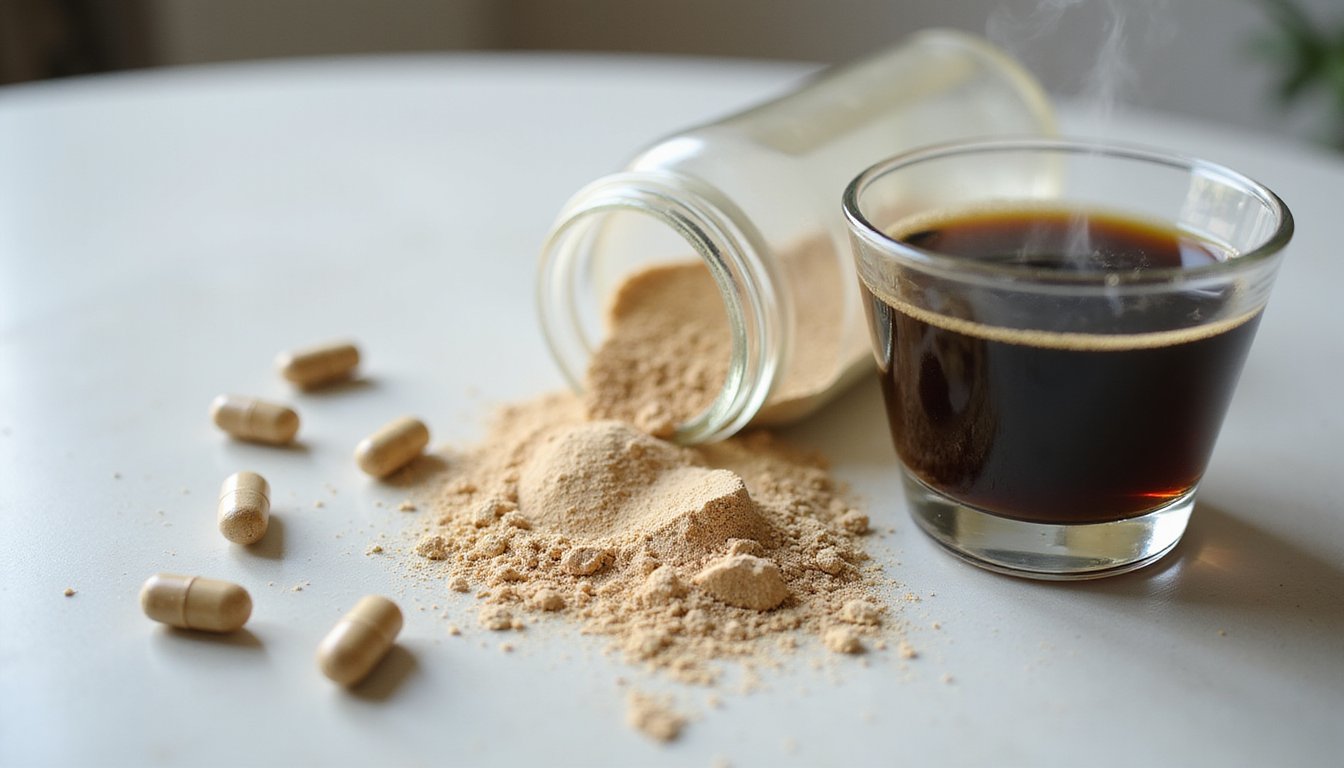




Several common supplements can greatly worsen your anxiety through various mechanisms. Stimulants like yohimbe, bitter orange, and hidden caffeine sources in pre-workouts can trigger acute panic attacks. High doses of B-complex vitamins, particularly B6 and niacin, may overwhelm your nervous system and cause psychological distress. Even popular adaptogens like rhodiola and ashwagandha can increase nervousness when combined with other stimulants. Understanding these interactions and proper dosages is essential for your mental wellbeing.
Common Stimulant Supplements and Their Anxiety Effects

While many supplements promise enhanced energy and performance, certain stimulant-based products can substantially increase anxiety levels through their effects on the central nervous system. You’ll find this particularly true with supplements like yohimbe and bitter orange, which can trigger acute anxiety and panic attacks through CNS overstimulation. Even adaptogenic herbs like Rhodiola rosea interactions and ashwagandha overstimulation can compound these effects when combined with stimulant supplements. Studies show that 500-600 mg doses of ashwagandha daily are most effective for managing anxiety when used properly. Publishing such findings through open access journals helps ensure wider dissemination of this crucial health information to the public.
Guarana’s multiple stimulant compounds and Panax ginseng’s excitatory properties pose significant risks, especially if you’re predisposed to anxiety. These supplements can cause jitteriness, palpitations, and heightened blood pressure. The risk becomes more pronounced when you combine multiple stimulant-containing products or take them at higher doses, potentially leading to severe nervousness and psychological distress. Research shows that anxiety-related conditions are particularly concerning since they represent the most common disorders affecting over 15% of the general population in their lifetime.
Hidden Sources of Caffeine in Supplements
Although many consumers carefully monitor their coffee intake, hidden caffeine sources in dietary supplements can dramatically increase your daily consumption without your awareness. Common ingredients like guarana, yerba mate, and kola nut contribute significant caffeine amounts without clear labeling. These unlabeled caffeine risks are particularly concerning in weight loss and pre-workout supplements, where testing has revealed up to 310mg per serving, triple the caffeine in a coffee cup. Research shows that six of twenty analyzed supplements failed to disclose their caffeine content on product labels. Medical experts recommend talking with doctors before starting any supplement regimen. Energy drinks marketed as supplements are particularly risky since they are exempt from FDA regulation.
Due to limited FDA regulation and dosage transparency concerns, you might unknowingly exceed safe caffeine limits through fortified foods and supplement blends. Products marketed as “natural energy” often contain multiple caffeine sources like green tea extract, matcha powder, and chocolate-based ingredients. This hidden caffeine accumulation can trigger anxiety, heart palpitations, and sleep disruptions, especially if you’re sensitive to stimulants.
How B-Complex Vitamins Can Trigger Anxiety

While B-complex vitamins are essential nutrients, excessive B6 supplementation can overwhelm your nervous system and trigger anxiety symptoms like restlessness and numbness. You’ll find many B-complex formulations contain several thousand percent of the recommended daily allowance, far exceeding safe intake levels. The “niacin rush” from high doses of B3 can cause additional distress through sudden flushing, rapid heartbeat, and heightened anxiety responses. These symptoms often develop over several weeks as B vitamins accumulate in your system. High-quality trials are still needed to establish definitive causal relationships between B vitamin supplementation and anxiety symptoms. Research shows that taking all 8 B vitamins together in recommended doses actually helps reduce stress and anxiety levels more effectively than individual B vitamin supplements.
Vitamin B6 Dosage Concerns
Despite evidence supporting vitamin B6’s potential anxiety-reducing effects at high doses, B-complex supplements can paradoxically trigger anxiety symptoms in some individuals. Understanding proper dosage and safety guidelines is essential when considering supplementation. Based on the research findings, vitamin B12 supplementation showed minimal benefits compared to placebo for anxiety reduction. The FAB Research team provides free consultations with experts to help guide supplement decisions safely. This research was conducted as an independent study without any external funding sources.
- While studies used doses around 100mg/day (50 times the RDA), maximum dosage guidelines advise against sustained intake above 200mg/day due to peripheral neuropathy risks.
- Long-term safety concerns remain unresolved, as research has primarily focused on short-term supplementation lasting only one month.
- If you’re considering B6 supplementation, you’ll want to exercise caution, as B-complex formulations may contain other B vitamins that could potentially increase anxiety or restlessness in sensitive individuals.
Remember that physician supervision becomes especially important when pursuing high-dose supplementation, as individual responses can vary considerably.
Niacin Rush Effects
Understanding the niacin rush phenomenon becomes pivotal when considering B-complex supplementation, as this common side effect can substantially amplify anxiety symptoms in sensitive individuals. When you take niacin supplements, blood vessels near your skin dilate rapidly, causing warmth, redness, and tingling sensations within 30 minutes of intake. High doses between 1,000 to 3,000 mg can intensify these reactions significantly.
This niacin flush triggering anxiety isn’t just physical; it can spark psychological distress through various mechanisms. You might experience heightened panic sensations, palpitations, or sweating, particularly if you’re prone to anxiety. Despite these effects, niacin plays a vital role in energy metabolism and cellular repair within the brain. The connection between niacin supplementation anxiety and neurotransmitter function is complex, as niacin affects serotonin, GABA, and dopamine pathways. While niacin supports GABA production, which typically reduces anxiety, excessive supplementation can disturb your neurotransmitter balance and potentially worsen anxiety symptoms. Recent research shows that skin flush response can be a valuable indicator of depressive disorders, particularly in adolescents who experience psychological distress.
The Impact of Mineral Imbalances on Mental Health
Maintaining proper mineral balance proves vital for ideal mental health and emotional stability. Research demonstrates that mineral imbalances can drastically impact your anxiety and depression levels, particularly through disrupted neurotransmitter function and stress response mechanisms. Modern processed foods have significantly reduced our natural mineral intake, making deficiencies more common.
Key impacts of mineral imbalances on your mental health include:
- Magnesium deficiency disrupts your HPA axis and NMDA receptor activity, potentially increasing anxiety symptoms and neuronal over-excitation
- Copper imbalance affects dopamine conversion and neural network function, leading to mood regulation issues and increased depressive symptoms
- Iron and zinc deficiencies impair neurotransmitter synthesis and BDNF regulation, compromising emotional stability and stress response
While mineral supplementation for mood can help address these issues, it’s essential to maintain proper levels through careful monitoring, as both deficiencies and excesses can trigger adverse mental health effects.
Pre-Workout Supplements and Nervous System Agitation

Pre-workout supplements can markedly amplify anxiety levels and nervous system agitation through their potent blend of stimulants and active compounds. The effects of caffeine overload, often 200-300mg per serving, can trigger anxiety, insomnia, and restlessness, particularly if you’re sensitive to stimulants.
The interactions between stimulants like caffeine, yohimbe, and synephrine create compounded risks. You’ll likely experience increased blood pressure, and over 60% of users report beta-alanine-induced tingling sensations. Research shows pre-workout use can boost tension-anxiety scores by up to 16.7% in controlled studies.
If you’re prone to anxiety or have cardiovascular concerns, you should exercise extreme caution. The limited regulatory oversight means ingredient profiles vary widely, making psychological responses unpredictable and potentially harmful.
Understanding Gut-Brain Connections in Supplement Use
Recent scientific evidence has revealed that your gut microbiome directly influences anxiety levels through complex neural, hormonal, and immune pathways known as the gut-brain axis. Dietary-induced gut dysbiosis from certain supplements can disrupt this delicate balance, potentially increasing your anxiety symptoms through several mechanisms:
- Disruption of microbiome-derived metabolites and mental health compounds, particularly serotonin production, as 90% of this essential neurotransmitter originates in your gut
- Interference with beneficial bacteria that produce GABA, a natural calming neurotransmitter, leading to increased nervous system activation
- Elevation of inflammatory markers when supplement use alters gut flora composition, triggering stress-related cytokines that can heighten anxiety
Understanding these connections helps explain why some supplements might worsen anxiety symptoms through their effects on your gut microbiota.
Popular Herbal Supplements That May Worsen Anxiety
Building on our understanding of gut-brain connections, several popular herbal supplements can directly increase anxiety levels through various physiological mechanisms. While marketed as adrenal fatigue supplements or hormone-balancing botanicals, ingredients like St. John’s Wort can trigger serotonin syndrome and worsen anxiety symptoms, particularly when combined with SSRIs. Ephedra stimulates your central nervous system and was banned by the FDA due to severe adverse effects. Ginseng’s ginsenosides may disrupt neurotransmitter balance, while yohimbe’s potent alkaloids can provoke panic attacks. Guarana’s high caffeine content compounds these risks, especially when combined with other stimulants. You’ll want to exercise particular caution with these supplements if you’re prone to anxiety or taking medication for mood disorders.
Neurotransmitter Disruption From Amino Acid Supplements
While amino acid supplements are commonly used to support mood and cognition, their effects on neurotransmitter balance can paradoxically increase anxiety levels. Individual variability in supplementation means what calms one person may agitate another, particularly with improper dosing and reactions to isolated amino acids.
Supplementing with amino acids affects everyone differently, what brings calm to some may trigger anxiety in others through neurotransmitter disruption.
Consider these key disruptions that can trigger anxiety:
- Excess glutamine or glutamate supplementation may cause an excitatory surge, leading to heightened neuronal activity and increased anxiety
- Disrupted tryptophan metabolism can decrease serotonin production, worsening mood and anxiety symptoms
- Over-supplementation with tyrosine may overstimulate catecholamine pathways, resulting in hyperarousal states
You’ll reduce your risk of adverse reactions by choosing whole-food sources over isolated supplements, starting with low doses, and seeking professional guidance for proper neurotransmitter support.
The Role of Probiotics in Anxiety Management
While most evidence supports probiotics’ anxiety-reducing effects, choosing the wrong strain or incorrect timing could potentially worsen your symptoms. You’ll want to focus specifically on clinically-validated strains like L. helveticus, B. longum, and L. plantarum, which have demonstrated significant benefits in reducing psychological distress. For ideal microbiome support, take your probiotics consistently at the same time each day, ideally on an empty stomach to maximize colonization potential and therapeutic effects.
Probiotic Strain Selection Matters
Selecting the right probiotic strain is pivotal for managing anxiety, as research shows not all bacterial species deliver the same therapeutic benefits. When considering strain-specific anxiolytic effects, you’ll need to focus on scientifically validated options for tailored probiotic regimens.
Clinical research highlights three key considerations for anxiety management:
- Combinations of Lactobacillus helveticus and Bifidobacterium longum demonstrate superior effectiveness in reducing psychological distress compared to single strains
- Specific strains like Bifidobacterium AH171 show comparable effects to SSRIs in reducing anxiety behaviors
- Duration matters, you’ll need 3-12 weeks of consistent supplementation to achieve meaningful results
Meta-analyses confirm these findings, showing significant decreases in anxiety scores when using the right strains. Remember, choosing unproven strains may not deliver the anxiety-reducing benefits you’re seeking.
Timing Your Microbiome Support
Beyond identifying the right probiotic strains, the timing of your supplementation plays a significant role in managing anxiety through microbiome support. While morning doses align with your circadian rhythm, nighttime probiotic dosing may optimize colonization due to increased gut permeability. Your microbiome disruption patterns can affect how well probiotics work, so consistency is vital.
You’ll need to maintain supplementation for at least 8-12 weeks to see significant anxiety reduction, as shorter durations often prove less effective. Consider taking probiotics with meals containing prebiotic fibers to enhance their survival through stomach acid. If you’re using other supplements, especially antibiotics or antimicrobial herbs, space them apart from your probiotics to prevent reduced effectiveness. Remember that your individual chronotype might influence ideal timing, so monitor your response and adjust accordingly.
Essential Vitamins That Can Cause Mood Changes
Although many people take vitamins to improve their well-being, certain essential nutrients can drastically impact mood regulation and anxiety levels when their concentrations fall outside suitable ranges.
Your body’s neurotransmitter balance depends heavily on vitamin availability, with key nutrients playing integral roles in maintaining emotional stability:
- B-vitamins (B6, B12, and folate supplementation) directly influence serotonin and GABA production, where deficiencies can trigger up to 40% reduction in mood-stabilizing chemicals
- Vitamin D deficiency, similar to omega 3 deficiency, considerably disrupts dopamine and serotonin synthesis, leading to increased anxiety risk
- Magnesium levels affect your nervous system’s ability to manage stress, with inadequate amounts commonly resulting in heightened tension and anxiety symptoms
These nutrients’ complex interactions with your brain chemistry make proper supplementation indispensable for maintaining emotional balance.
Frequently Asked Questions
Can Anxiety Symptoms From Supplement Use Become Permanent?
While permanent anxiety from supplements is rare, you can experience prolonged symptoms in certain cases. Supplement-induced anxiety typically reverses within weeks of stopping use. However, if you’ve taken high doses long-term or have multiple dietary supplement interactions, lasting changes to your nervous system may occur. Your risk increases if you have pre-existing anxiety disorders or genetic predispositions. Most cases resolve with discontinuation, though recovery timeframes vary considerably among individuals.
How Long Should I Wait Between Taking Different Types of Supplements?
You’ll want to maintain a staggered dosing schedule, spacing most supplements at least 2 hours apart to prevent supplement interactions and optimize absorption. For specific combinations, you’ll need longer intervals: separate iron and calcium by 2-4 hours, and wait 4 hours between thyroid medication and minerals. If you’re taking fiber supplements, space them 1-2 hours from other supplements. For minerals like calcium, magnesium, and zinc, it’s best to spread them throughout the day.
Are Organic Supplements Less Likely to Trigger Anxiety Than Synthetic Ones?
While organic supplement ingredients may be perceived as safer, there’s limited scientific evidence proving they’re less likely to trigger anxiety than synthetic versions. Your individual response depends more on supplement dosage amounts and personal sensitivity than whether it’s organic or synthetic. You’ll want to start with low doses of either type and monitor your reaction carefully. Organic supplements may offer beneficial co-factors, but both forms can potentially affect anxiety levels.
Should Supplements Be Taken With Food to Minimize Anxiety Effects?
Yes, you should take supplements with food to minimize anxiety effects. Research shows that proper supplement timing with meals can substantially reduce anxiogenic reactions by slowing absorption rates and buffering pharmacokinetic spikes. When determining supplement dosage, you’ll want to follow the “with food” recommendation, as empty-stomach consumption can lead to faster absorption and heightened central nervous system stimulation. This is especially important for supplements containing stimulants or sympathomimetic amines.
What Time of Day Is Best to Take Supplements for Minimal Anxiety?
For minimal anxiety, you’ll want to take most supplements in the early morning dosage window, particularly those affecting cortisol like B vitamins and adaptogens. However, some supplement timing tips suggest taking calming nutrients like magnesium in the evening, 1-2 hours before bed. You should maintain consistent timing daily and consider your personal anxiety patterns. If you’re prone to morning anxiety, work with your healthcare provider to adjust timing accordingly.