









Managing your child’s anxiety requires establishing consistent daily routines and creating designated safe spaces at home. You’ll want to maintain predictable schedules for meals, homework, and bedtime while setting up calming corners with soothing elements and mindfulness tools. Focus on implementing structured morning wake-up times and technology-free zones to reduce stress triggers. Research shows these evidence-based strategies greatly improve children’s emotional regulation and adaptive behaviors. Discover how these foundational approaches lead to long-term anxiety management success. Effective communication is key when it comes to exploring how to handle panic attacks. Teaching your child simple breathing techniques can empower them during tense moments.
Understanding the Core Signs of Childhood Anxiety

While many children experience occasional fears and worries as part of normal development, persistent anxiety manifests through distinct physical, emotional, and behavioral patterns that parents and caregivers should recognize.
When identifying anxiety triggers in children, you’ll notice physical symptoms like recurring stomachaches, headaches, and unexplained fatigue. Watch for behavioral changes such as excessive clinginess, avoidance of specific situations, or withdrawal from previously enjoyed activities. Your child may exhibit persistent nervousness, difficulty concentrating, or become easily frustrated. Children with anxiety may exhibit signs of separation anxiety disorder through extreme distress when away from parents. Parents should be aware that early screening is recommended for children between ages 8-18. Children experiencing intense worry may develop trouble sleeping and frequently have difficulty falling or staying asleep.
Understanding these core signs is pivotal for reframing anxious thoughts effectively. Look for patterns of excessive worry about future events, constant seeking of reassurance, or preoccupation with “what-if” scenarios. Children might also demonstrate physical manifestations like sweating, shaking, or complaints of chest pain during anxiety episodes.
Creating Safe Spaces and Consistent Daily Routines
To establish a foundation for managing your child’s anxiety, start with consistent morning wake-up times that align with their natural circadian rhythms and school schedules. Creating designated safe zones at home, such as a cozy reading nook or quiet corner with calming activities, provides your child with a reliable retreat when feeling overwhelmed. Research shows that cognitive-behavioral therapy approaches in safe spaces can significantly reduce anxiety symptoms. You’ll find that implementing predictable family schedules, from mealtimes to bedtime routines, helps reduce uncertainty and gives your child a greater sense of control over their environment. When your child shows distress, remember that while the instinct is to protect, avoiding parental accommodations will help them develop essential coping skills. Consider incorporating deep breathing exercises into their daily routine as a proven relaxation technique for managing anxiety.
Structured Morning Wake-Up Times
Establishing structured morning wake-up times represents one of the most powerful tools for reducing childhood anxiety. When you implement a structured wake-up cue consistency, your child’s stress hormones naturally regulate, creating a foundation of emotional safety and predictability. Temper expectations when helping children develop wake-up routines by focusing on essential tasks first.
Research shows that children thrive with structured morning schedule adjustments that incorporate fixed wake times and clear routines. Regular morning routines contribute to emotional self-regulation skills through the practice of consistent self-care tasks. Children feel secure knowing exactly what comes next in their morning sequence. You’ll notice improved cognitive development, fewer behavioral issues, and enhanced problem-solving skills as your child learns to navigate their morning sequence. Creating visual schedules and preparing items the night before substantially reduces decision fatigue and morning chaos.
Safe Zones At Home
Creating designated safe zones at home provides children with essential anchors for emotional regulation and anxiety management. You’ll want to establish a calming corner in a low-traffic area using soothing furnishing elements like bean bags and soft lighting. Child collaboration when designing the space helps create ownership and encourages regular use. Incorporate modular storage solutions to keep anxiety-reducing tools organized and accessible. The space should remain technology-free to prevent overstimulation of anxious minds. Adding guided recordings can promote mindfulness and help children learn relaxation techniques.
| Zone Element | Purpose | Implementation |
|---|---|---|
| Sensory Tools | Emotional regulation | Fidgets, stress balls, weighted items |
| Visual Aids | Self-calming | Breathing charts, glitter jars, timers |
| Comfort Items | Security | Plush toys, blankets, pillows |
| Creative Outlets | Expression | Art supplies, journals, mindfulness cards |
Set clear guidelines for using the space, emphasizing it’s a tool for learning emotional regulation rather than punishment. Practice coping strategies during calm moments so children can effectively utilize these techniques when anxiety peaks.
Setting Predictable Family Schedules
While many parents focus on addressing anxiety symptoms directly, implementing predictable family schedules serves as a foundational protective factor against childhood anxiety disorders. Research shows that family schedule consistency dramatically reduces uncertainty-related stress and builds emotional security in children. Modern studies demonstrate that structured family environments significantly benefit children’s developmental outcomes. Daily routines serve as a vital protective mechanism against emerging mental health challenges in children. Recent findings from the University of Minnesota have further validated the importance of consistent family functioning in anxiety treatment outcomes.
To establish effective daily routines, you’ll want to create structured patterns for meals, homework, bedtime, and recreational activities. This daily routine establishment helps children develop better self-regulation skills and adaptive behaviors, particularly during shifts that often trigger anxiety. You’ll find that consistent schedules improve your child’s tolerance of uncertainty while fostering improved emotional control.
When you maintain predictable daily patterns, you’re not just managing current anxiety; you’re building long-term mental health resilience that extends into adulthood, reducing the risk of future depression and anxiety disorders. Anxiety management in psychology involves various techniques that can help individuals cope more effectively with their feelings. These techniques often include cognitive-behavioral therapy, mindfulness practices, and lifestyle adjustments.
Teaching Emotional Literacy Through Open Communication
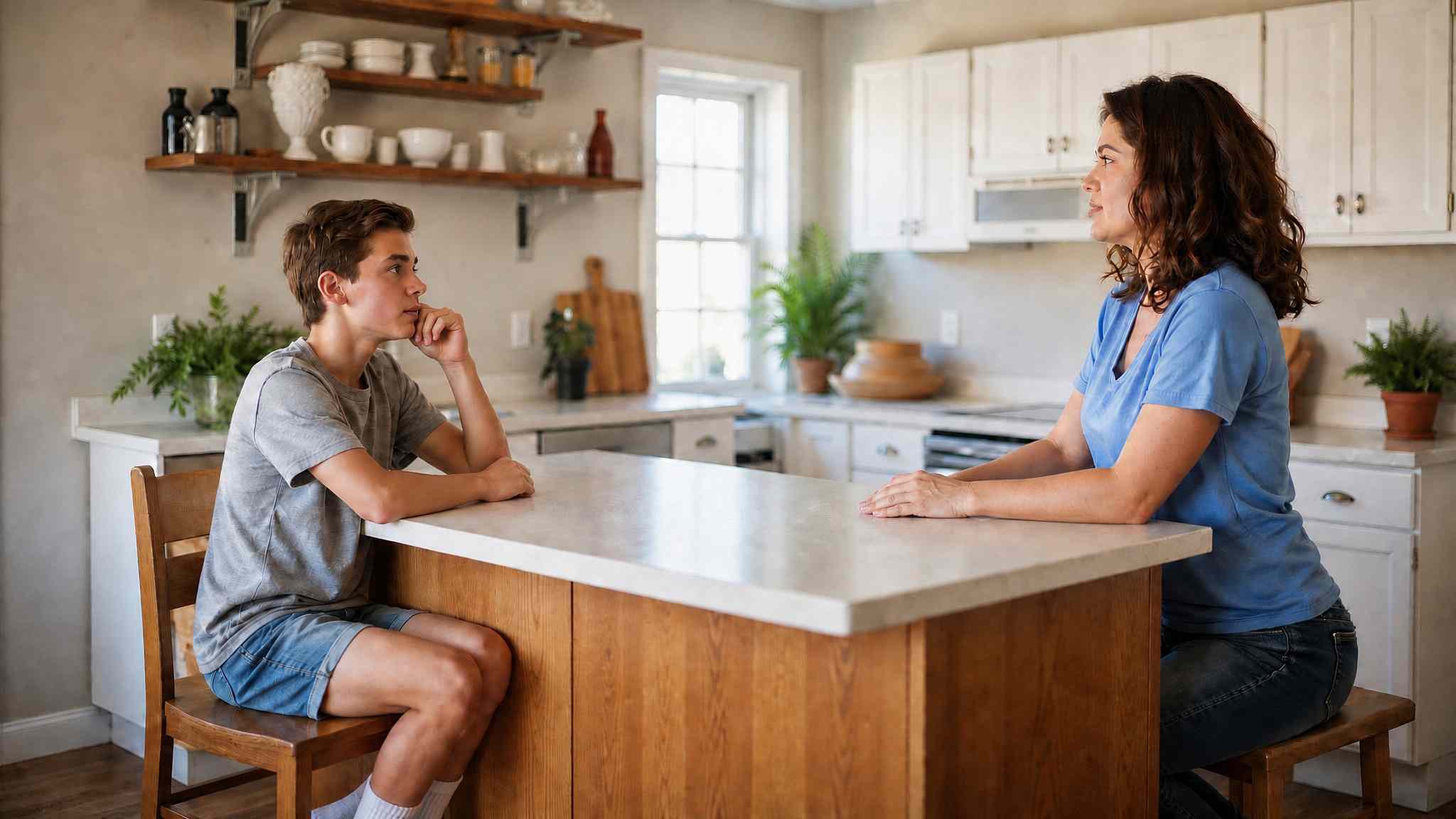
When you create opportunities for children to express their emotions without criticism, you help them develop pivotal emotional literacy skills that buffer against anxiety. You’ll strengthen trust and emotional safety by actively listening to their concerns while maintaining a non-judgmental stance, which research shows improves their willingness to share future worries. Your consistent, empathetic responses during these conversations reinforce healthy emotional expression patterns and help children build the confidence to process complex feelings effectively. This approach is especially crucial given that adolescent anxiety rates have been increasing significantly, particularly among youth populations.
Express Feelings Without Judgment
Learning to express emotions without judgment forms a critical foundation for managing childhood anxiety. When you create an environment where your child can openly discuss feelings, you’ll help develop their emotional intelligence and reduce their vulnerability to anxiety. Start by validating children’s feelings through active listening and providing non-judgmental responses to their emotional expressions.
Research shows that children experience fewer anxiety symptoms when adults consistently acknowledge and validate their emotions rather than dismiss them. You’ll want to model this behavior by openly discussing your own feelings in appropriate ways. This approach proves especially beneficial for children with learning difficulties, who often face heightened social anxiety. By establishing regular emotional check-ins and creating opportunities for guided expression through art or storytelling, you’ll help normalize emotional discussions in your daily routine.
Building Trust Through Listening
Building trust through active listening creates the foundation for teaching emotional literacy to anxious children. When you demonstrate modeling empathetic listening, you’ll establish a secure environment where your child feels valued and understood. Research shows that children are more likely to share their anxieties and difficult emotions when they trust their caregivers.
Building Long-Term Resilience and Coping Skills

The development of long-term resilience and effective coping skills represents a pivotal foundation for children’s mental health outcomes. Research shows that cultivating self-efficacy through small, achievable tasks creates behavioral momentum, making future challenges feel more manageable. You’ll strengthen your child’s confidence by maintaining a 5:1 ratio of positive feedback to correction and consistently acknowledging their successes.
Reinforcing social connections plays an equally central role. By encouraging peer relationships and connections with trusted adults, you’ll help your child develop a support network that buffers against stress and promotes collective problem-solving. Start with gradual exposure to stressors in controlled environments, allowing your child to build distress tolerance through manageable steps. This evidence-based approach yields lasting benefits, including improved emotional regulation and faster recovery from setbacks.
Implementing Research-Proven Parenting Strategies
Research-proven parenting strategies form the cornerstone of effective anxiety management in children, with evidence pointing to specific approaches that yield measurable results. Through consistent parental monitoring and reinforcing exposure-based treatment, you’ll help your child develop resilience against anxiety. Programs like SPACE demonstrate that reducing accommodating behaviors while maintaining supportive communication creates lasting positive outcomes. Managing anxiety during pregnancy is crucial for both the mother and the developing child. Techniques such as mindfulness and cognitive behavioral therapy can significantly reduce stress levels.
| Strategy | Action | Outcome |
|---|---|---|
| Reduce Accommodation | Stop enabling avoidance | Increased brave responses |
| Support Approach | Express confidence | Better coping skills |
| Realistic Communication | Validate without reassuring | Enhanced emotional processing |
| Problem-Solving | Create action plans | Reduced uncertainty |
| Consistent Implementation | Maintain boundaries | Long-term improvement |
You’ll achieve ideal results by implementing these evidence-based methods systematically, focusing on gradual exposure while expressing confidence in your child’s ability to cope with challenges.
Practicing Calming Techniques Together

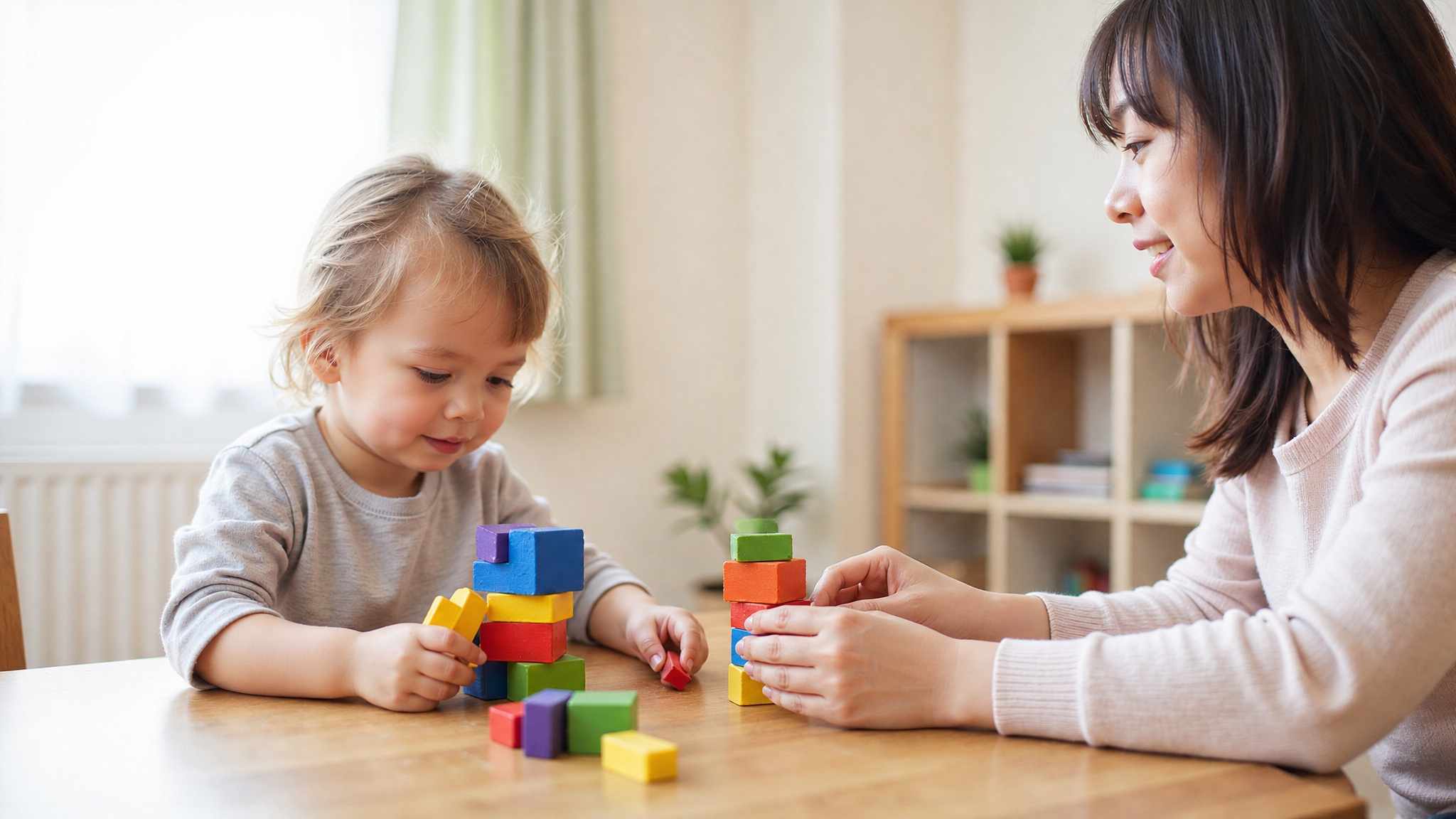
Working together with your child to practice calming techniques creates a powerful foundation for anxiety management while strengthening your emotional bond. Research shows that consistent parent-child relaxation practices substantially reduce anxiety symptoms while building lasting coping skills.
Shared relaxation practices between parent and child build vital anxiety management skills while deepening emotional connections through mindful moments together.
- Start with 5-10 minute deep breathing sessions, focusing on slow, rhythmic breaths together to activate the body’s natural calming response
- Incorporate interactive storytelling during progressive muscle relaxation, helping your child systematically release tension
- Lead guided visualization activities that explore safe, peaceful scenarios while using soothing sensory cues
- Establish daily relaxation routines, particularly before challenging situations or bedtime, to create predictable moments of connection
These evidence-based approaches work best when practiced regularly in a calm environment, allowing both parent and child to benefit from shared relaxation experiences.
The Power of Modeling Healthy Stress Management
Parents serve as powerful emotional architects in their children’s lives, directly influencing how young minds process and respond to stress. When you consistently model calm, adaptive responses to challenges, you’re actively shaping your child’s emotional blueprint and building self-efficacy. Research shows that children internalize their parents’ coping strategies, whether positive or negative.
To foster independence, demonstrate constructive problem-solving while gradually allowing your child to tackle age-appropriate challenges. Avoid overprotective reactions or catastrophizing, as these can transfer anxiety and hinder your child’s development of coping skills. Instead, maintain a supportive presence while modeling confident responses to stress. Your composed handling of daily challenges creates a secure environment where your child learns to trust their own ability to manage uncertainty and develop resilience.
Frequently Asked Questions
How Can Parents Handle Anxiety-Induced Physical Symptoms Like Stomach Aches or Headaches?
When your child experiences anxiety-related symptoms, validate their physical discomfort while teaching them deep breathing techniques to calm their nervous system. Guide them through mindfulness practices like focusing on their breath or grounding exercises. Create a quiet, safe space for relaxation, and help them identify anxiety triggers. If symptoms persist or extensively impact daily activities, consult a mental health professional for thorough evaluation and treatment options.
When Should Parents Consider Seeking Professional Help for Their Child’s Anxiety?
You should seek professional help when your child’s anxiety consistently disrupts daily activities, school performance, or social relationships. Watch for early warning signs like persistent physical complaints, withdrawal from activities, or excessive worrying that lasts several weeks. If anxiety runs in your family or your child shows signs of self-harm, don’t wait to get help. Consider family counseling options, as they can provide structured support and coping strategies for everyone involved.
What Role Do Genetic Factors Play in Childhood Anxiety Disorders?
Genetic factors play a substantial role in your child’s anxiety, accounting for about 40-54% of the risk. If you or other family members have anxiety, your child may have a genetic predisposition to developing anxiety disorders. However, it’s important to know that genes aren’t destiny. Environmental influences interact with genetic factors, and positive parenting strategies can help protect against anxiety, even in children with genetic risk factors.
How Can Divorced Parents Maintain Consistency in Anxiety Management Across Households?
You’ll need to establish regular communication strategies between households, utilizing shared digital tools and calendars to coordinate anxiety management approaches. Focus on shared decision-making about treatment methods, coping techniques, and routines. You must maintain consistent bedtime rituals, discipline methods, and anxiety-reduction techniques across both homes. You should document and share observations about your child’s anxiety triggers and successful coping strategies through neutral platforms.
Should Parents Inform Teachers and Caregivers About Their Child’s Anxiety Concerns?
Yes, you should inform teachers and caregivers about your child’s anxiety concerns. Open communication with teachers enables better recognition of symptoms and more effective support strategies. Research shows that when educators are aware of students’ emotional needs, they’re better equipped to provide appropriate interventions and accommodations. Consistent anxiety management across home and school settings leads to improved outcomes, and teachers can implement targeted support strategies when they understand your child’s specific challenges.