
















Scientific research has identified several supplements that can effectively support both anxiety and depression management. You’ll find the strongest evidence for omega-3 fatty acids (particularly EPA), B-complex vitamins, vitamin D, and N-acetylcysteine (NAC). These supplements work through distinct mechanisms, including neurotransmitter modulation, inflammation reduction, and stress response regulation. While each supplement shows promise individually, understanding their specific benefits, interactions, and ideal dosing can maximize their therapeutic potential. Natural supplements for anxiety relief can offer additional support alongside traditional therapies. Many people report that incorporating these supplements helps reduce symptoms and enhance overall well-being.
The Science Behind Mood-Supporting Supplements
While the field of mood-supporting supplements continues to evolve, scientific research has uncovered several key mechanisms through which these compounds influence mental health. You’ll find that probiotics can enhance dopamine production through gut-brain axis modulation, while amino acid supplementation with L-lysine and L-arginine directly impacts neurotransmitter function. Recent findings demonstrate that probiotics improve sleep, making them particularly valuable for those experiencing both mood and sleep disturbances. Daily monitoring shows that probiotics reduce negative moods within two weeks of consistent use.
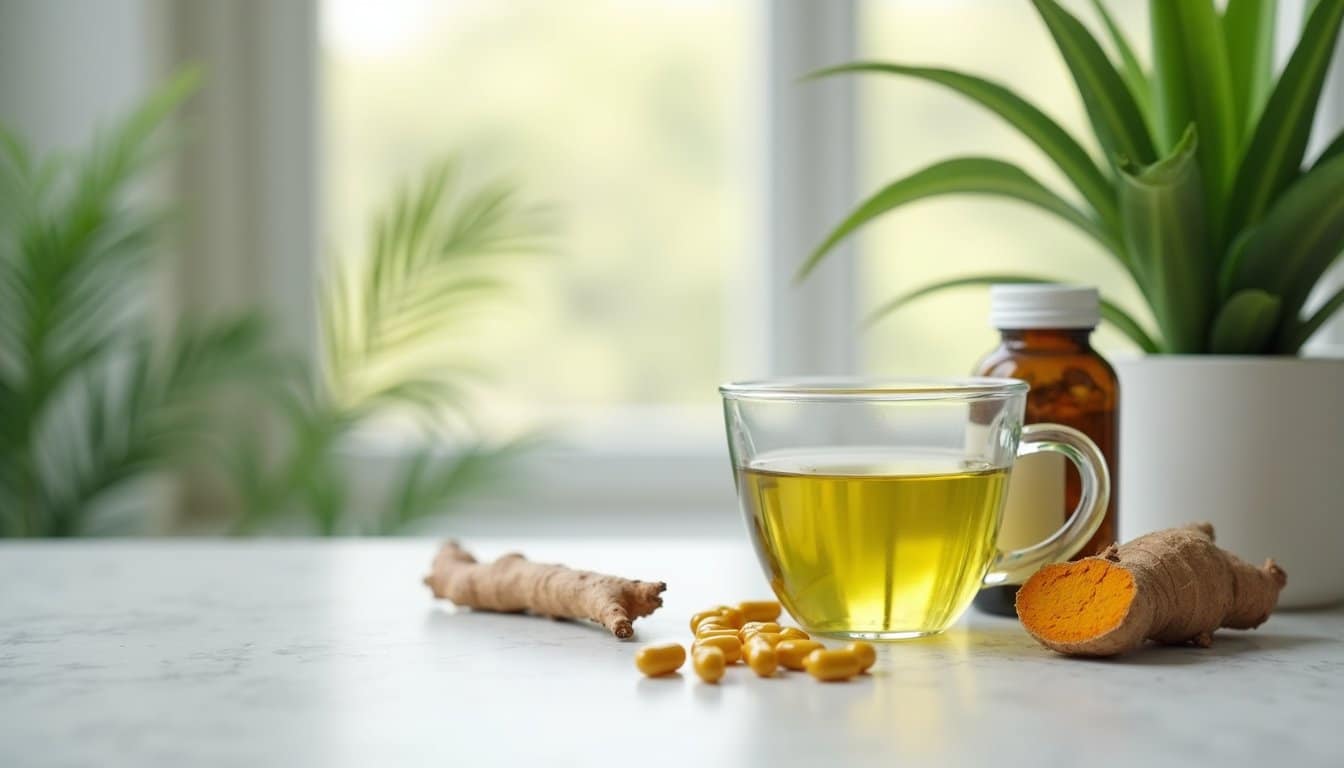
Plant-based therapies and antioxidants demonstrate promising effects through multiple pathways. Curcumin, for instance, has shown antidepressant properties comparable to conventional medications by increasing dopamine release. A 2014 study revealed that green tea extract reduces depression through its L-theanine content, which naturally increases dopamine levels. The evidence suggests that vitamin B complex and vitamin D play indispensable roles in mood regulation, particularly in deficient individuals. These supplements work through distinct but complementary mechanisms, from neurotransmitter modulation to stress response regulation, offering potential support for both anxiety and depression symptoms.
Essential Omega-3 Fatty Acids for Mental Health
You’ll find that EPA and DHA omega-3 fatty acids offer distinct mental health benefits, with EPA showing stronger effects for mood regulation while DHA primarily supports brain structure and neurotransmitter function. These essential fatty acids integrate into cell membranes, enhance neural communication, and demonstrate anti-inflammatory properties that can help reduce symptoms of anxiety and depression. Research indicates that preparations containing at least 60% EPA are most effective for treating depression. Studies show that consuming two servings of fish weekly provides adequate omega-3 fatty acids according to dietary guidelines. When considering omega-3 supplementation, you should consult your healthcare provider about potential interactions with medications, particularly if you’re taking antidepressants or blood thinners, though research shows promising results for combination therapy. Studies show that omega-3 supplements used with antidepressants led to a significant decline in depression compared to using either treatment alone.
EPA Versus DHA Benefits
Research points to significant differences between EPA (eicosapentaenoic acid) and DHA (docosahexaenoic acid) in treating mood disorders, with EPA emerging as the more effective omega-3 fatty acid for managing depression and anxiety symptoms. EPA’s superior efficacy stems from its ability to cross the blood-brain barrier more efficiently and its pivotal role in metabolic pathways that reduce neuroinflammation. A Mediterranean-style diet can enhance the therapeutic effects of omega-3 supplementation by providing additional anti-inflammatory compounds. Since omega-3s are essential fatty acids, they must be obtained through diet or supplementation to maintain optimal mental health.
While DHA concentrates in brain cell membranes and supports neuronal structure, EPA directly influences serotonin and dopamine systems, making it more effective for symptom relief. Clinical evidence shows that combination treatment with EPA and antidepressants leads to greater reduction in depressive symptoms. You’ll find the most benefit from supplements containing an EPA:DHA ratio of at least 2:1, with a minimum daily intake of 1,500mg combined EPA and DHA. For ideal results, choose marine-based sources over plant-derived alternatives, and verify the actual EPA/DHA content rather than total oil amount.
Brain Structure Support Role
Beyond their direct effects on mood regulation, omega-3 fatty acids play a fundamental role in brain architecture and function. Your brain’s structural integrity maintenance depends heavily on these essential fats, particularly DHA, which is the most abundant omega-3 in neural membranes. You can’t produce adequate DHA internally, so your brain relies on dietary sources and blood supply for optimal levels. The first three critical years of brain development, starting at conception, are especially dependent on adequate omega-3 intake.
These fatty acids become integrated into your neuronal and glial cell membranes, where they’re pivotal for synaptic signal transduction and maintaining membrane fluidity. They support communication between brain cells and enable proper neurotransmission. When you maintain sufficient omega-3 levels, you’re supporting your brain’s basic infrastructure, which is indispensable for both cognitive function and emotional well-being. This structural support creates the foundation for healthy mood regulation and mental resilience. Research shows that patients with major depression often have reduced DHA levels in their prefrontal cortex, highlighting the crucial role these fats play in mental health. Studies indicate that higher doses of omega-3s, specifically a 3.9:1 EPA-to-DHA ratio, may be particularly effective for improving cognitive function in individuals with depression.
Medication Interaction Concerns
When combining omega-3 fatty acids with psychiatric medications, careful consideration of potential interactions becomes essential for safe and effective treatment. While research shows omega-3s don’t notably alter how your body processes antidepressants, you’ll need medical supervision to optimize your treatment outcomes. Omega-3 supplementation can enhance antidepressant efficacy significantly when used alongside standard treatments.
The primary concern involves bleeding risk, particularly if you’re taking anticoagulant medications. Though standard doses of omega-3s (less than 3g daily) rarely cause substantial bleeding issues, you’ll need careful monitoring if you’re on blood thinners. You should also inform your healthcare provider before surgery or dental procedures.
For most people, omega-3 supplements safely enhance antidepressant effectiveness without causing serotonin syndrome or major side effects. EPA-predominant formulations work best when combined with antidepressants, showing improved outcomes for mild to moderate depression.
B-Complex Vitamins and Methylfolate Benefits
While B-complex vitamins play numerous roles in overall health, their impact on mental wellness has gained significant attention in clinical research. Scientific evidence shows that B-complex vitamins, particularly folate, B6, and B12, can effectively reduce both anxiety and depressive symptoms when combined with standard treatments. L-methylfolate has shown particular promise for treating patients who are overweight with chronic inflammation.
L-methylfolate offers distinct bioavailability advantages over traditional folic acid, as it crosses the blood-brain barrier directly and doesn’t require enzymatic conversion. This enhanced absorption is especially beneficial if you have the MTHFR gene variant, which affects up to 70% of depressed individuals. Through neurotransmitter optimization, L-methylfolate acts as an essential cofactor in producing mood-regulating chemicals like serotonin and dopamine. Studies suggest that patients with folate deficiency may particularly benefit from supplementation. Clinical studies demonstrate that supplementing with L-methylfolate can double treatment response rates within 30 days compared to antidepressant therapy alone. Recent research shows that patients experienced a 58.2% decrease in depression symptoms after taking L-methylfolate for three months.
Vitamin D’s Role in Mental Wellness
Although vitamin D is traditionally associated with bone health, mounting evidence suggests its crucial role in mental wellness and mood regulation. With over 1 billion people worldwide experiencing deficiency, primarily due to limited sunlight exposure effects and inadequate dietary intake implications, the impact on mental health could be substantial.
Research indicates vitamin D receptors exist in brain regions controlling mood, suggesting a biological basis for its psychological effects. While some studies show improvements in depression and anxiety symptoms through supplementation, the benefits appear strongest in those with existing deficiency or heightened mental health risks. Clinical trials demonstrate mixed results, with more consistent positive outcomes observed in individuals with low baseline levels. The mechanisms likely involve vitamin D’s influence on neurotransmitters, inflammation reduction, and neuroprotective properties in the brain. Do supplements cause anxiety remains a lingering question for many. Considering the varied effects of different vitamins and minerals, individual responses can differ significantly.
N-Acetylcysteine (NAC) as a Therapeutic Option
N-Acetylcysteine (NAC), a naturally occurring amino acid derivative, has emerged as a promising therapeutic option for anxiety and depression through multiple mechanisms. Research shows it provides neuroprotective effects and cognitive function enhancement while regulating glutamate levels in your brain. Clinical studies demonstrate NAC’s effectiveness as both a standalone and adjunctive treatment.
| Benefit | Depression Impact | Anxiety Impact |
|---|---|---|
| Antioxidant | Increases glutathione | Reduces oxidative stress |
| Anti-inflammatory | Lowers cytokines | Decreases neuroinflammation |
| Glutamate regulation | Improves mood | Reduces anxious symptoms |
| Brain protection | Guards against damage | Enhances resilience |
| Cognitive boost | Sharpens thinking | Improves mental clarity |
You’ll typically find effective dosing at 2,000 mg daily, with research showing particular promise when combined with standard treatments for severe depression and generalized anxiety disorder.
Natural Polyphenols and St. John’s Wort

Natural polyphenols and St. John’s Wort show promising potential for managing depression, with less conclusive evidence for anxiety. Research demonstrates that polyphenol supplementation considerably improves depression scores, with 12 out of 18 studies reporting positive outcomes. While polyphenol bioavailability varies among individuals, these compounds work through multiple mechanisms, including anti-inflammatory effects, oxidative stress reduction, and HPA axis regulation. Top teen anxiety supplements may help bridge the gap for younger individuals who experience heightened stress and emotional challenges.
You’ll find the strongest evidence in depression treatment, where polyphenols increase BDNF levels and promote hippocampal neurogenesis. Polyphenol synergies may enhance their therapeutic effects, particularly when consumed through polyphenol-rich diets like the Mediterranean diet. However, you should note that anxiety reduction results remain inconsistent, with meta-analyses showing non-significant effects. Current research limitations include heterogeneous study designs and lack of standardized dosing recommendations.
Antioxidant Support With Vitamins C and E
Both vitamins C and E serve as powerful antioxidants in the central nervous system, playing pivotal roles in managing depression and anxiety through multiple mechanisms. Through antioxidant metabolism, these vitamins protect your brain by reducing oxidative damage and inflammation linked to mood disorders.
Research shows that supplementing with vitamins C and E can reverse depressive behaviors, particularly in cases of chronic stress. Meta-analyses reveal that higher dietary intake of these vitamins correlates with lower depression risk, with vitamin C showing a 28% reduction and vitamin E showing a 16% reduction in relative risk. Clinical trials demonstrate that supplementation improves mood across diverse patient groups, while oxidative stress regulation appears especially beneficial for women. You’ll find stronger protective effects against depression when both vitamins are consumed through diet or supplements at adequate levels.
Frequently Asked Questions
How Long Does It Typically Take to Notice Benefits From These Supplements?
You’ll typically notice benefits within different timeframes depending on supplement absorption rates and interactions with your diet. Magnesium works fastest, showing improvements in about 4 weeks. St. John’s Wort benefits emerge at 4-6 weeks, while polyphenols require longer, showing effects at 3-6 months. SAMe and L-methylfolate demonstrate results in 2-4 weeks, especially when combined with antidepressants. For ideal absorption, you’ll want to take most supplements consistently with meals.
Can These Supplements Be Taken Alongside Prescribed Antidepressants or Anti-Anxiety Medications?
You must consult your healthcare provider before combining supplements with prescribed medications due to potential dangerous interactions. Some supplements, like St. John’s wort and SAMe, can interact severely with antidepressants and cause serotonin syndrome. Your doctor will need to review dosage considerations for supplements and monitor you for side effects. While supplements like NAC show better safety profiles, you’ll still need professional guidance to safeguard safe concurrent use with your medications.
Which Supplements Are Safe During Pregnancy and Breastfeeding?
During pregnancy and breastfeeding, you’ll find that folate (particularly methylfolate), omega-3 fatty acids, and probiotics are generally considered safe when meeting your increased nutritional requirements. Vitamin D and magnesium supplements can also be safely included in your dietary adjustments under medical supervision. However, you should always consult your healthcare provider before starting any supplements, as your individual needs may vary and certain dosages might need adjustment during these periods.
Are There Any Supplements That Should Not Be Combined Together?
You’ll need to avoid combining serotonergic supplements like 5-HTP, SAMe, and St. John’s Wort, as they can create dangerous interactions. Don’t mix blood-thinning supplements (fish oil, vitamin E, ginkgo) with each other or anticoagulant medications. When considering supplement quality considerations, guarantee you’re using third-party tested products and always inform your healthcare provider about all supplements you’re taking to prevent potential interactions that could be harmful.
What Time of Day Is Best to Take These Supplements?
The best time of day varies for each supplement. You’ll want to take vitamin D3 and SAMe in the morning, ideally with breakfast, for ideal absorption and energy benefits. Take magnesium and melatonin in the evening to support sleep and relaxation. For ashwagandha and St. John’s Wort, you can split doses between morning and evening with meals. The perfect time of consumption depends on your specific symptoms and daily routine.