
















You can effectively manage pregnancy-related anxiety through several evidence-based strategies. Start with gentle movement like prenatal yoga and short walks to reduce stress hormones naturally. Practice deep breathing exercises and mindfulness techniques to calm racing thoughts and ease physical tension. Working with your healthcare provider, you’ll find safe options including mind-body practices, nature walks, and guided imagery. Understanding your anxiety triggers and building a personalized toolkit will help you navigate this transformative journey more confidently.
Understanding the Signs of Pregnancy-Related Anxiety
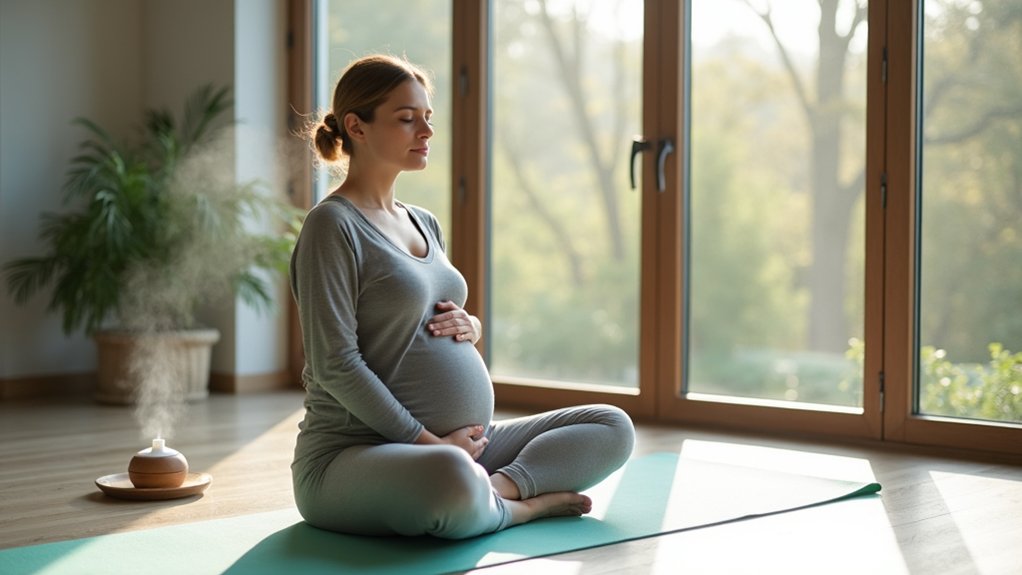
While experiencing some anxiety during pregnancy is normal, recognizing the signs of pregnancy-related anxiety can help you distinguish between typical worries and symptoms that may need attention. You might notice physical changes like a racing heartbeat, muscle tension, or excessive sweating when identifying biological triggers of anxiety. These symptoms often accompany persistent worries about your baby’s health or your ability to parent. Perinatal mental health requires specialized attention and support throughout your pregnancy journey.
Anxiety during pregnancy can be influenced by brain chemistry changes and hormonal fluctuations that occur naturally during this time. Brain changes can intensify emotional responses and anxiety levels. Managing physical symptoms becomes vital when you experience sleep disturbances, panic attacks, or difficulty concentrating during daily tasks. More than 10% of pregnant women experience anxiety during their pregnancy, making it a common concern that shouldn’t be ignored. Watch for signs that anxiety is impacting your relationships or causing you to withdraw from social activities. If you’re feeling overwhelmed by repetitive thoughts, experiencing frequent panic episodes, or finding it hard to control your worries, these may indicate a need for additional support.
Natural Ways to Calm Your Anxious Mind
When anxiety creeps in during pregnancy, turning to natural, evidence-based methods can help restore your sense of calm. From alternative therapy options to gentle lifestyle changes, you’ll find numerous safe approaches to manage your anxious thoughts. It’s essential to avoid herbs like Saw Palmetto and Ephedra during pregnancy due to their potentially harmful effects. Consider exploring hormone health insights through at-home testing to better understand your body’s needs during this time. Pregnant women should note that herbal supplements may interact dangerously with medications.
| Natural Method | Benefits |
|---|---|
| Deep Breathing | Reduces cortisol and activates relaxation response |
| Mindful Movement | Yoga and gentle exercise ease physical tension |
| Nature Time | Improves mood and reduces stress hormones |
Before considering dietary supplements for calm, consult your healthcare provider about safe options like ginger root or oat straw. You might find relief through mind-body practices such as meditation, guided imagery, or prenatal yoga. Remember to prioritize consistent sleep patterns and maintain social connections, both proven anxiety buffers during pregnancy. Many women also benefit from creative activities and journaling to process their emotions constructively.
The Power of Mindful Movement and Exercise
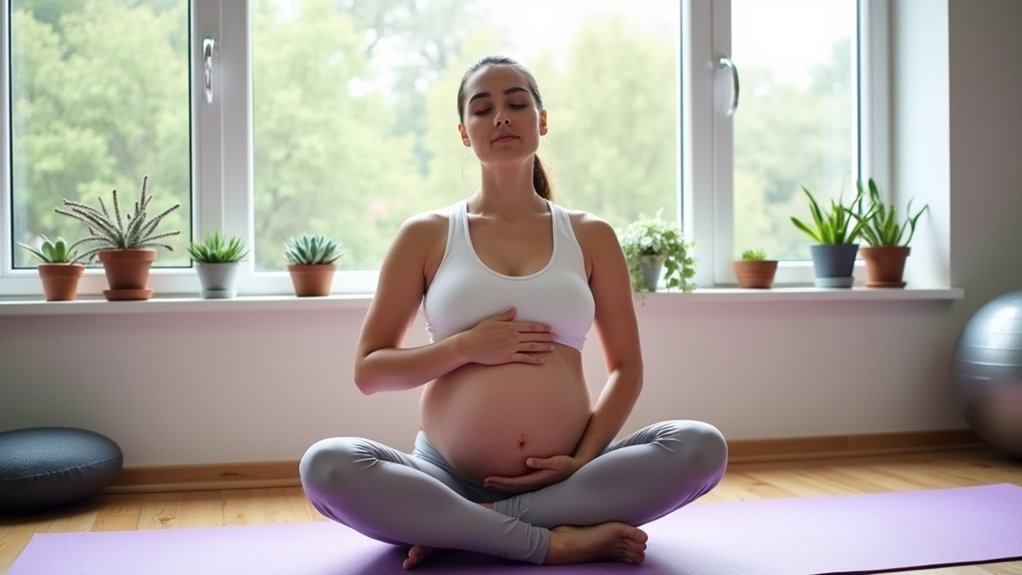
When you’re ready to incorporate movement into your pregnancy journey, start with gentle activities that feel comfortable and gradually build your strength and endurance. You’ll find the most success by exploring different types of pregnancy-safe exercises, from prenatal yoga to walking, until you discover what resonates best with your body and schedule. Regular physical activity can help reduce anxiety symptoms by promoting the release of natural mood-boosting chemicals. Staying active during pregnancy can help you gain less weight during your pregnancy, with research showing around 1 kg less weight gain compared to inactive pregnant women. Exercise can improve sleep patterns, which helps combat pregnancy-related fatigue and discomfort. Remember to consult your healthcare provider before beginning any exercise routine, and consider working with qualified prenatal fitness instructors who can guide you through safe, effective movements tailored to your pregnancy stage.
Start Slow, Stay Strong
Physical activity stands out as a powerful ally in managing prenatal anxiety, but jumping into an exercise routine can feel overwhelming during pregnancy. Research shows that starting slow and building gradually helps in sustaining motivation while maximizing benefits. By tailoring routines to your comfort level, you’ll establish a foundation for consistent, anxiety-reducing movement. This mindful approach is especially important since supervised physical activity has been proven to both prevent and reduce anxiety symptoms during pregnancy. Active relaxation exercises provide powerful relief, as studies indicate they deliver greater improvements in heart rate and blood pressure compared to passive techniques. Working with a healthcare professional before starting any exercise program ensures your routine is safe and appropriate for your individual needs.
- Begin with short 10-15 minute sessions of gentle, low-impact activities
- Progress at your own pace, listening to your body’s signals
- Choose supervised activities like prenatal yoga or guided stretching for safety
- Increase duration and intensity gradually as your confidence grows
Find Your Movement Style
Building on your foundation of gentle exercise, discovering your ideal movement style can transform anxiety management during pregnancy. You’ll find that mindful movement practices offer both immediate and long-lasting benefits for you and your baby.
Consider exploring prenatal yoga sessions, which help regulate your body’s stress response while improving emotional resilience. Mind-body integration workshops can teach you sustainable techniques that you’ll use throughout your pregnancy and beyond. Research shows these practices can reduce anxiety scores by nearly 5 points and create positive effects that last for years. An 8-week mindfulness program has been shown to reduce stress and depression while improving physical activity levels in mothers. These programs are particularly beneficial for diverse groups of women, with studies showing that racially diverse participants experienced significant reductions in depressive symptoms over time. Most mindfulness interventions include 6 to 9 sessions of practice, giving you time to develop and strengthen your skills.
Choose activities that feel right for you; there’s no one-size-fits-all approach. Whether you prefer group classes or online sessions, you’re building a powerful toolkit for managing stress. The key is finding movements that you’ll consistently practice and enjoy.
Exercise With Expert Guidance
Safe and effective exercise during pregnancy requires expert guidance to optimize both physical and mental well-being. When following prenatal exercise guidelines, you’ll want to connect with qualified professionals who understand the unique needs of expectant mothers. Whether you’re maintaining your current fitness routine or starting fresh, expert supervision guarantees you’re moving safely while managing anxiety. Start your exercise journey by taking it slowly to build strength and endurance gradually.
- Join prenatal fitness classes led by certified instructors who can modify movements for your changing body
- Work with healthcare providers to create a personalized exercise plan that aligns with your pregnancy journey
- Learn proper breathing techniques and mindful movement practices from experienced prenatal yoga or Pilates teachers
- Attend water exercise classes designed specifically for pregnant women, offering low-impact cardiovascular benefits
Building a Strong Support Network

A strong support network proves crucial for managing anxiety during pregnancy, as research consistently shows that women with reliable emotional backing experience lower levels of pregnancy-related anxiety. You’ll benefit most from building connections across multiple support sources, family members, close friends, and fellow expectant mothers who can offer mutual understanding and emotional validation.
Consider joining prenatal classes or community programs where you can connect with others sharing similar experiences. Online pregnancy communities can also provide valuable support, especially when in-person connections aren’t readily available. These forums offer both informational guidance and emotional reassurance from women who understand your journey. Whether it’s your mother’s practical advice, a friend’s listening ear, or encouragement from an online support group, each connection plays a crucial role in reducing pregnancy-related worries.
Professional Help: When and Where to Seek It
When persistent anxiety disrupts your daily life during pregnancy, seeking professional help becomes a crucial step toward protecting both your well-being and your baby’s health. Despite common hesitation to reach out, professional support can substantially improve your pregnancy experience and outcomes. Your healthcare journey can start with your OB-GYN, who can connect you with specialized mental health providers or perinatal specialists.
Taking care of your mental health during pregnancy isn’t optional, it’s essential for both you and your developing baby.
- Community resources and maternal health programs offer accessible counseling and group support
- Telehealth options provide convenient, private access to mental health professionals from home
- Collaborative care teams, including midwives and psychologists, deliver extensive support
- Specialized perinatal mental health clinics offer targeted care for pregnancy-specific concerns
Don’t let barriers like stigma or distance prevent you from accessing care; there are more flexible, accessible options than ever before.
Lifestyle Changes That Make a Difference
Making small but meaningful changes to your daily routine can drastically reduce pregnancy-related anxiety through mindful movement, better sleep habits, and stronger social bonds. You’ll find that incorporating gentle exercise like prenatal yoga or walking, along with maintaining consistent bedtime rituals, helps create a sense of stability and calm during this transformative time. Building and nurturing connections with supportive friends, family members, or pregnancy groups provides you with essential emotional reinforcement while helping you navigate the challenges of pregnancy.
Mindful Movement Daily Practices
Through simple daily practices, mindful movement can markedly reduce pregnancy-related anxiety while promoting both physical and emotional well-being. You don’t need prior experience to benefit from gentle movement routines that incorporate mindful breathing habits and restorative posture work. Research shows these practices decrease stress hormones and improve your overall mood during pregnancy.
- Start with 5-minute mindful breathing sessions, focusing on the natural rhythm of your breath
- Practice gentle prenatal yoga movements that feel comfortable for your body
- Incorporate body scan exercises to release tension and increase physical awareness
- Take mindful walking breaks throughout your day, paying attention to each step
These evidence-based movement practices help manage discomfort while building a deeper connection with your changing body. You’ll find these gentle activities particularly beneficial for managing anxiety and supporting your emotional balance during pregnancy.
Sleep Hygiene for Calm
Good sleep hygiene serves as a cornerstone for managing pregnancy-related anxiety, with research showing that quality rest directly impacts emotional well-being. You’ll find that optimizing sleep quality starts with creating an ideal environment and maintaining consistent routines that support your circadian rhythms.
| Sleep Strategy | Implementation Tips |
|---|---|
| Environment Setup | Dark, cool room with maternity pillows |
| Timing Habits | Consistent bed/wake times, limit naps to 30 min |
| Evening Routine | Gentle stretching, meditation, dim lights |
| Dietary Choices | Avoid caffeine/heavy meals, taper fluids |
Create a relaxing pre-bed ritual that works for you, whether it’s taking a warm bath, practicing mindfulness exercises, or journaling to release worries. Remember to keep electronic devices away from your bedroom and use dim nightlights for necessary bathroom trips. If sleep issues persist, don’t hesitate to discuss concerns with your healthcare provider.
Nurturing Social Connections
Beyond restful sleep, strong social connections serve as powerful buffers against pregnancy-related anxiety. Research shows that support from family, friends, and your community can greatly reduce stress during pregnancy. Within your cultural context, different sources of support may hold varying importance, whether it’s extended family in collectivist societies or close friends in individualist cultures.
- Lean on your partner for emotional and practical support, as their involvement directly correlates with reduced anxiety
- Connect with other expectant mothers through prenatal classes or online forums to share experiences
- Explore community resources like support groups and health volunteers who can provide trusted guidance
- Strengthen bonds with family members who can offer reassurance, practical help, and valuable information
Consider which support networks resonate most with your needs and actively nurture these relationships throughout your pregnancy journey.
Self-Care Practices for Emotional Balance
Maintaining emotional balance during pregnancy requires a holistic approach to self-care that encompasses both mind and body. You’ll find relief through journaling habits and creative self-expression, which provide healthy outlets for processing your emotions. Combining these practices with daily relaxation techniques, like deep breathing or meditation, can markedly reduce your stress levels in as little as 10-20 minutes per day.
Focus on establishing consistent sleep routines and gentle movement activities that suit your comfort level. Whether it’s prenatal yoga, walking, or simple stretching, regular physical activity helps manage anxiety while improving sleep quality. Don’t forget the basics: stay hydrated, eat balanced meals, and limit caffeine intake. These fundamental self-care practices create a strong foundation for emotional stability throughout your pregnancy journey.
Creating a Stress-Free Environment at Home
Your home environment plays a powerful role in managing pregnancy-related anxiety, building upon the self-care practices you’ve established. By implementing targeted stress management techniques, you’ll create a sanctuary that supports your emotional well-being. Focus on designing spaces that promote relaxation and incorporate anxiety-reducing activities into your daily routine.
Transform your living space into a calming sanctuary that nurtures both your physical comfort and emotional wellbeing during pregnancy.
- Set up a dedicated relaxation area with soft lighting, comfortable furnishings, and soothing elements like nature sounds or calming scents
- Minimize environmental stressors by keeping spaces organized, reducing noise levels, and maintaining comfortable room temperatures
- Create structured routines for sleep, meals, and quiet time to provide predictability and stability
- Connect with your support system regularly through video calls or in-person visits, making your home a hub for positive social interactions
Mindfulness and Relaxation Techniques
Practicing mindfulness during pregnancy offers powerful, evidence-based relief from anxiety and stress. You’ll find multiple approaches to incorporate mindfulness into your daily routine, from structured mindfulness groups to user-friendly mindfulness based apps like Headspace.
| Method | Benefits | Time Investment |
|---|---|---|
| Group Sessions | Reduced anxiety, depression | 8 weeks structured |
| Mobile Apps | 13% stress reduction, better sleep | Flexible daily practice |
| Breathing Space | Immediate stress relief | 3 minutes, multiple times daily |
These evidence-based techniques help you develop greater emotional awareness and stress tolerance. Whether you choose app-based meditation or in-person group sessions, you’ll learn valuable skills like body scanning, guided meditation, and breathing exercises. Regular practice can considerably improve your sleep quality and help you manage pregnancy-specific anxieties with greater confidence.
Working With Your Healthcare Team
Working openly with your healthcare team creates a foundation of trust that’s essential for managing pregnancy anxiety effectively. You’ll benefit from coordinated care between your primary provider, mental health specialists, and other professionals who can offer extensive support tailored to your needs. Regular check-ins and honest communication about your emotional well-being enable your healthcare team to adjust treatment strategies and connect you with additional resources when needed.
Building Trust Through Communication
A strong partnership with your healthcare team is essential for managing anxiety during pregnancy. Through transparent information exchange and emotional attunement, you’ll develop trust that helps reduce stress and uncertainty. Your providers should openly share diagnoses, treatment options, and next steps while actively listening to your concerns.
- Request clear explanations without medical jargon to guarantee you fully understand your care plan
- Share your thoughts and feelings openly, your emotional well-being matters just as much as your physical health
- Don’t hesitate to ask questions or seek clarification about any aspect of your pregnancy
- Take advantage of multiple communication channels like phone, email, or messaging to stay connected with your care team
Coordinating Multi-Provider Mental Health
Building on your trusted relationships with providers, effective mental health care during pregnancy often involves coordinating multiple healthcare professionals. Your care team may include obstetricians, midwives, mental health specialists, nurses, and social workers who work together to support your well-being through coordinated treatment plans.
Research shows that when healthcare providers collaborate closely, you’re more likely to stick with your treatment and see better results. Your team will create a structured plan that may include therapy, mindfulness techniques, and regular check-ups to monitor your progress. Through team-based decision making, they’ll adjust your care as needed while guaranteeing all aspects of your health are contemplated. Regular communication between your providers helps prevent gaps in care and makes certain you receive comprehensive support throughout your pregnancy journey.
Frequently Asked Questions
Can Anxiety During Pregnancy Affect My Baby’s Temperament After Birth?
Yes, your anxiety during pregnancy can influence your baby’s temperament. Research shows that higher prenatal anxiety levels are linked to fetal development concerns, potentially affecting how your baby reacts to stress and regulates emotions after birth. Studies have found that babies born to mothers who experienced significant anxiety during pregnancy may be more likely to show increased fearfulness and emotional reactivity. These long-term infant outcomes can include being harder to soothe or having more sensitive stress responses.
How Do Hormonal Changes Specifically Trigger or Worsen Pregnancy Anxiety?
During pregnancy, your body experiences significant hormonal imbalances that directly impact your mood regulation system. Rising estrogen and progesterone interact with your brain’s neurotransmitters, particularly serotonin and dopamine, leading to emotional fluctuations. You’ll notice your stress response becomes heightened as cortisol levels increase naturally. If you’ve had previous anxiety, these hormonal shifts can amplify your symptoms since they affect the same neural pathways that regulate mood and anxiety.
Will My Pregnancy Anxiety Automatically Disappear After Giving Birth?
No, your pregnancy anxiety won’t automatically vanish after birth. In fact, about one-third of women who experience anxiety during pregnancy continue to feel anxious postpartum. You’re adapting to a new parental role, which can trigger new or heightened anxiety. It’s important to develop coping strategies for postpartum anxiety, like seeking support from family, friends, or healthcare providers. Remember, it’s completely normal to need ongoing support during this shift – you’re not alone.
Are There Specific Foods That Can Help Reduce Anxiety During Pregnancy?
Yes, several foods can help reduce your pregnancy anxiety. Focus on Mediterranean diet staples like fruits, vegetables, whole grains, and nuts. Include omega-3 rich foods like fatty fish and walnuts, along with protein-rich snacks to stabilize your mood. Green leafy vegetables and dairy products are particularly beneficial. You can also enjoy calming herbal teas (like chamomile), but check with your healthcare provider first. These dietary changes can start improving your anxiety symptoms fairly quickly.
Does Having Anxiety Make It Harder to Bond With My Baby?
Yes, anxiety can affect bonding with your baby, but it doesn’t mean you won’t develop a strong connection. Research shows that anxiety might impact your emotional availability and make it harder to read your baby’s cues. However, being aware of these challenges is an important first step. Many moms experience anxiety or postpartum depression, and with support and professional help, you can strengthen your bond with your baby over time.