











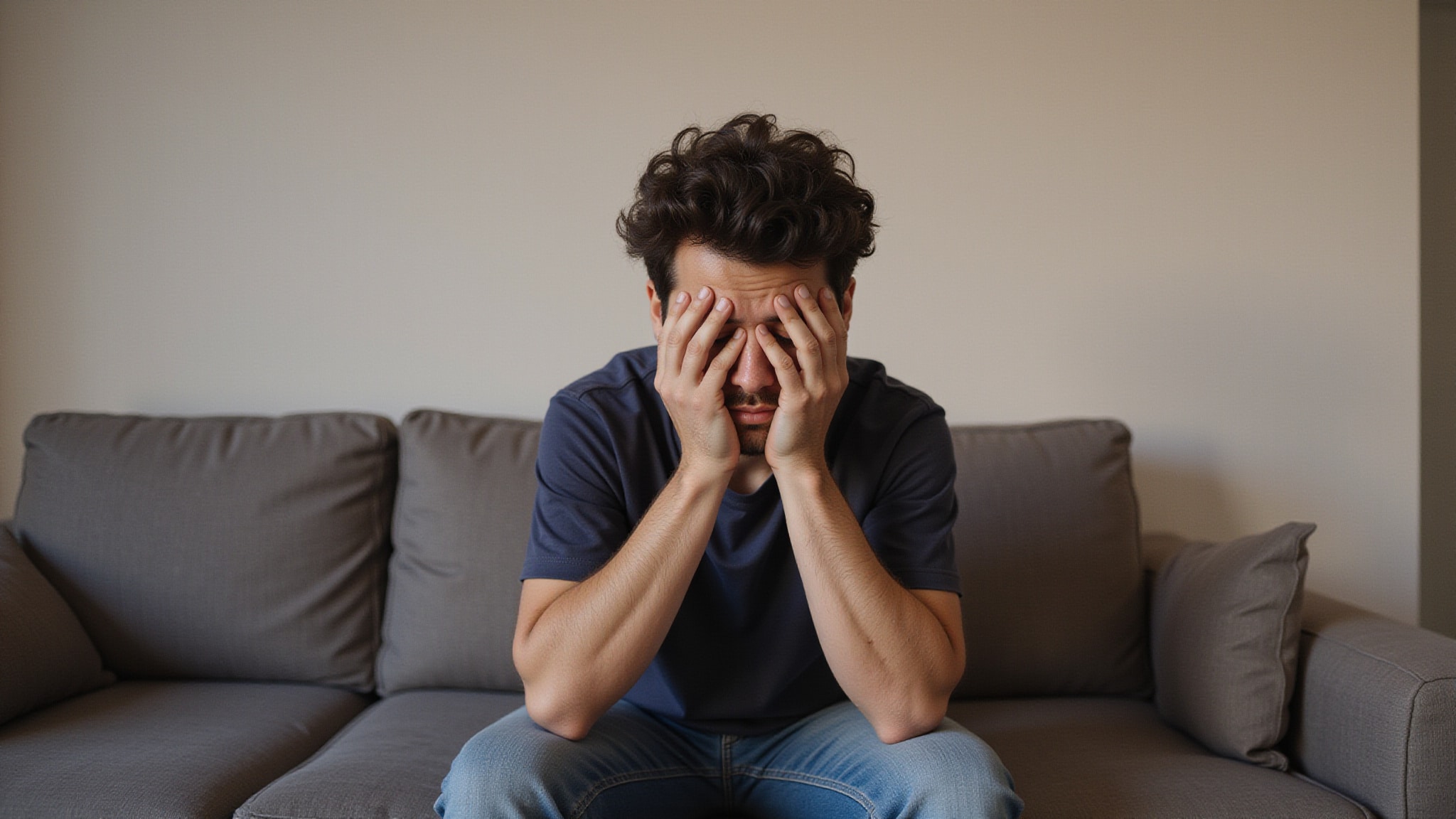
Anxiety medications can substantially/markedly/considerably improve your sleep by addressing both conditions simultaneously. They work to normalize disrupted brain wave patterns, reduce nighttime hyperarousal, and restore natural sleep architecture. You’ll likely experience fewer racing thoughts, decreased sleep latency, and improved sleep maintenance, with SSRIs potentially extending sleep duration from 2-3 hours to 6-7 hours nightly. While initial adjustment periods vary, research shows these medications effectively break the anxiety-insomnia cycle through multiple neurological mechanisms.
The Dual Impact of Anxiety Medications on Sleep

Most anxiety medications demonstrate a complex dual effect on sleep patterns, simultaneously treating anxiety symptoms while directly influencing sleep architecture. You’ll find that medications like pregabalin have a significant direct impact on sleep disturbance, with 53% of its effects independent of anxiety reduction. Research shows mental health improvements strongly correlate with enhanced sleep quality outcomes. Managing sleep hygiene becomes easier as these medications reduce physiological hyperarousal and nighttime awakenings. Racing thoughts often subside as anxiety medications take effect.
SSRIs like sertraline can transform your sleep duration from 2-3 hours to 6-7 hours nightly, though initial adjustment periods may temporarily disrupt sleep. Treatment-emergent insomnia occurs in approximately 17% of patients taking SSRIs for anxiety and depression. Your impact on daytime performance varies by medication choice, pregabalin may cause early sedation in 10-30% of patients, while agomelatine enhances sleep efficiency without significant daytime drowsiness. Clinical studies consistently show that improved sleep continuity correlates strongly with reduced anxiety severity.
Understanding Sleep Architecture and Anxiety Connection
If you’re experiencing anxiety, you’ll likely notice substantial changes in your brain wave patterns across sleep stages, with increased beta activity during lighter sleep phases and reduced delta waves in deep sleep. Your anxiety medication can help normalize these disrupted sleep patterns by modulating neurotransmitter activity, potentially restoring the natural progression through sleep stages from N1 to REM. Understanding this connection between anxiety and sleep architecture is vital, as breaking the cycle of disrupted sleep can greatly improve both your anxiety symptoms and overall sleep quality. During periods of disrupted sleep, your body struggles to maintain its normal physiological changes, including decreased heart rate and breathing. This is particularly important since anxiety medications like benzodiazepines work by enhancing GABA activity, the primary inhibitory neurotransmitter that promotes sleep. Each sleep cycle typically takes 90 minutes to complete, allowing your body to cycle through all necessary sleep stages for optimal rest and recovery.
Brain Wave Pattern Changes
While anxiety disorders manifest in various ways, their impact on brain wave patterns reveals a consistent neurological signature that disrupts sleep architecture. You’ll typically experience heightened beta wave activity, especially in temporal regions, leading to persistent hyperarousal and racing thoughts that interfere with sleep initiation. Through brainwave normalization and calming neurotransmitter balance, proper treatment can help restore healthy sleep patterns. Modern research shows that an overactive amygdala significantly intensifies these sleep-disrupting brainwave patterns. Studies indicate that patients with hot temporals show notably higher levels of anxiety and fear symptoms. The presence of sleep maintenance issues is particularly evident in patients with generalized anxiety disorder.
| Brain Wave | Anxiety State | Sleep Impact |
|---|---|---|
| Beta (High) | Hyperarousal | Delayed Sleep |
| Alpha (Low) | Poor Relaxation | Difficulty Unwinding |
| Theta (Low) | Emotional Dysregulation | Reduced Recovery |
Your anxiety-driven beta overactivity directly impacts sleep by reducing alpha and theta waves necessary for relaxation and drowsiness. This imbalance disrupts normal sleep architecture, affecting everything from memory consolidation to emotional processing during rest.
Sleep Stages During Treatment
Understanding the effects of anxiety medication on sleep architecture offers compelling insights into treatment efficacy. When you take anxiety medications, you’ll experience significant changes across different sleep stages that help address anxiety-related sleep disturbances.
Your sleep quality enhancement typically includes faster sleep onset through increased N1 stage entry, while medications can strengthen N2 and N3 stage continuity, improving your deep sleep. You’ll notice reduced nighttime awakenings and longer total sleep duration, though REM sleep patterns may change depending on your medication type. Women may experience more pronounced benefits since sleep disorders affect them at higher rates. Benzodiazepines and Z-drugs effectively decrease sleep latency and maintain sleep throughout the night, while certain antidepressants can boost your slow-wave sleep. Common medications like Xanax and Klonopin are particularly effective at treating both anxiety and associated sleep problems. However, medication effects vary; some may suppress REM sleep while others better preserve your natural sleep architecture. Medications like Trazodone help maintain healthy sleep patterns by restoring serotonin levels in the brain.
Disrupted Sleep-Anxiety Cycle
The bidirectional relationship between anxiety and sleep creates a complex cycle that can greatly impact your mental health and sleep quality. Understanding this connection is pivotal for developing effective coping strategies and lifestyle modifications to break the cycle.
Research shows how anxiety and poor sleep perpetuate each other through neurological and physiological mechanisms:
- Your anxiety triggers hyperactivation in emotion-regulating brain regions, making it harder to fall and stay asleep
- Poor sleep quality reduces your emotional regulation capabilities, increasing anxiety symptoms by up to 40%
- Sympathetic nervous system overactivity from anxiety creates physiological arousal that disrupts sleep patterns
- Sleep disturbances lead to daytime dysfunction, which further intensifies anxiety and perpetuates the cycle
The disruption of slow-wave sleep during childhood and adolescence can significantly increase daytime sleepiness and anxiety symptoms. A cross-sectional analysis of US adults demonstrates the consistent relationship between sleep duration and anxiety levels across diverse demographic groups. Breaking this cycle often requires addressing both sleep and anxiety simultaneously through targeted interventions and treatment approaches. This is especially critical for college students, who show high detection rates of anxiety-related sleep disorders in recent studies.
Most Effective Medications for Both Conditions
When choosing medications to treat both anxiety and sleep problems, you’ll find that certain agents like pregabalin and agomelatine offer direct benefits for both conditions, while others work primarily through anxiety reduction that secondarily improves sleep. You’ll need to weigh the distinct mechanisms, whether GABAergic, serotonergic, or melatonergic, against their documented efficacy and side effect profiles, particularly for long-term use. Research shows that medications like mirtazapine and pregabalin demonstrate strong safety profiles and sustained benefits for both anxiety and sleep disturbance, making them valuable options for combined symptom management. Studies indicate that low-dose sedating antidepressants can be effectively added to existing treatment regimens when sleep problems persist.
Leading Combined Treatment Options
Several leading medications effectively address both anxiety and sleep disorders, with benzodiazepines and sedating antidepressants emerging as primary combined treatment options. When considering medication combination effects, your healthcare provider will assess the most suitable tailored regimen designs based on your specific symptoms and risks. Anxiety medication options for women often include specialized formulations that take into account hormonal fluctuations. It’s important to discuss these options with your healthcare provider to determine the most appropriate treatments.
- Low-dose doxepin offers a non-addictive solution for dual diagnosis, targeting both anxiety and sleep maintenance without dependency concerns
- Z-drugs like zolpidem provide effective short-term relief for sleep onset while managing anxiety symptoms
- Benzodiazepines such as diazepam deliver rapid relief but require careful monitoring due to dependence risks
- Ramelteon presents a safer long-term option for sleep onset issues without compromising anxiety management, particularly beneficial for patients requiring sustained treatment
These evidence-based approaches allow for personalized treatment strategies that address both conditions simultaneously.
Direct Vs Indirect Benefits
Understanding medication effects on anxiety and sleep requires distinguishing between direct and indirect therapeutic pathways.
Several medications effectively target both conditions through complementary mechanisms. Pregabalin stands out, offering dual benefits with 53% direct sleep improvement and 47% anxiety-mediated effects. Benzodiazepines provide immediate relief for both issues but come with dependency concerns. DORAs like daridorexant specifically promote sleep with reduced daytime impairment and minimal abuse risk, though their anxiety benefits need further study.
Agomelatine uniquely addresses both conditions through its melatonergic and serotonergic actions, optimizing sleep architecture while managing anxiety symptoms. The effectiveness of these medications often shows dose-dependent effects, with higher doses potentially increasing sedation. Your doctor will carefully weigh these factors when selecting the most appropriate treatment approach for your specific needs.
Long-Term Safety Profiles
Recent long-term safety data reveals that Dual Orexin Receptor Antagonists (DORAs) and low-dose doxepin demonstrate the most favorable risk-benefit profiles for treating concurrent anxiety and sleep disorders.
Following evidence-based guidelines and prescription monitoring programs, research highlights these key safety findings:
- DORAs like suvorexant and lemborexant maintain effectiveness for up to 12 months without significant withdrawal risks or rebound insomnia
- Low-dose doxepin (1-3mg) shows comparable safety to placebo over 12 weeks, with minimal next-day sedation
- Non-benzodiazepine hypnotics (Z-drugs) remain effective for 24+ weeks but require closer monitoring due to abuse potential
- Traditional benzodiazepines, while effective short-term, carry higher risks of dependence and cognitive impacts during extended use
Always work with your healthcare provider to determine the most appropriate long-term treatment strategy based on your specific needs.
Breaking the Anxiety-Insomnia Cycle
Breaking the cycle between anxiety and insomnia requires understanding both the direct and indirect mechanisms through which anxiety medications influence sleep architecture. The biological underpinnings reveal how medications like pregabalin work through dual pathways, with approximately 53% direct effect on sleep and 47% through anxiety reduction. This illustrates the complex nature of the insomnia anxiety complex.
The medications can interrupt the cycle in multiple ways: by directly altering sleep parameters, reducing pre-sleep arousal, and decreasing HPA axis activation. For instance, citalopram improves total sleep duration while reducing anxiety symptoms, while low-dose doxepin specifically targets sleep latency. Understanding these mechanisms helps explain why certain medications, like pregabalin, show superior efficacy in addressing both conditions simultaneously.
Safety Considerations and Long-Term Effects

Three key safety domains require careful consideration when prescribing anxiety medications for sleep disorders: sedation profiles, cognitive impacts, and dependence risks. Modern treatment approaches prioritize medications with improved safety profiles, like DORAs, which offer lower dependence potential and reduced cognitive impairment compared to traditional options. Anxiety meds and alcohol risks should be evaluated in conjunction with sedation profiles to ensure patient safety.
Modern sleep medications like DORAs provide safer alternatives with reduced dependency and cognitive risks compared to traditional anxiety treatments.
Consider these evidence-based safety factors:
- Newer DORA medications show fewer hangover effects and decreased next-day drowsiness versus benzodiazepines
- Traditional sedatives carry higher risks of cognitive impairment and workplace accidents with prolonged use
- Long-term use of benzodiazepines increases tolerance and dependency concerns, requiring careful monitoring
- Short-term use (2-4 weeks) remains the recommended approach for traditional sleep medications, especially in older adults
When selecting treatment, you’ll need to weigh these safety considerations against your specific clinical needs and risk factors.
Choosing the Right Treatment Approach
Selecting an ideal treatment approach for anxiety-related sleep disorders requires a structured, evidence-based evaluation of multiple patient factors. Evidence-based guidelines recommend starting with a thorough assessment of your condition, including anxiety severity, sleep patterns, and medical history. Following a patient-centered approach, your healthcare provider will consider various treatment options based on these key factors:
| Treatment Factor | Considerations |
|---|---|
| Medical History | Existing conditions, drug interactions |
| Risk Assessment | Substance use, dependency potential |
| Prior Treatment | Response to behavioral therapy, medications |
| Patient Profile | Age, preferences, liver/kidney function |
You’ll likely begin with non-pharmacological interventions like CBT-I before considering medication. If medication becomes necessary, your provider will select from options including non-benzodiazepines, antidepressants, or newer agents like orexin antagonists, starting at the lowest effective dose with regular monitoring.
Research-Backed Benefits and Success Rates

Scientific research consistently demonstrates the effectiveness of anxiety medications in improving sleep quality through multiple pathways. The evidence-based effectiveness of these treatments is supported by extensive clinical trials and patient-reported outcomes across different medication types. Adhd anxiety medications can play a crucial role in managing symptoms related to anxiety that often affect sleep. Patients frequently report a significant improvement in their overall well-being after starting these treatments.
Research shows anxiety medications effectively improve sleep through various mechanisms, backed by extensive clinical evidence and patient outcomes.
Key findings show:
- Pregabalin achieves statistically significant sleep improvements with 53% direct effect on sleep regulation and 47% through anxiety reduction
- Low-dose doxepin outperforms citalopram in improving sleep latency and quality
- SSRIs and SNRIs demonstrate substantial sleep benefits after several weeks of treatment
- Treatment success rates show anxiety-related sleep disturbance scores dropping from 51.5-56.0 to near-normal levels of 24.5
These results confirm that anxiety medications effectively address sleep problems through both direct and indirect mechanisms, with documented success across multiple clinical measures and patient populations.
Frequently Asked Questions
Can I Take Sleeping Pills Together With My Anxiety Medication?
You shouldn’t combine sleeping pills with anxiety medication without first consulting your healthcare provider. These medications can interact dangerously, increasing risks of excessive sedation and respiratory depression. Your provider needs to evaluate your specific medications, medical history, and symptoms before considering different dosages or combinations. If you’re struggling with sleep while on anxiety medication, they can help develop a safer treatment strategy tailored to your needs.
How Long Before Bedtime Should I Take Anxiety Medication?
For proper dosage timing, you should typically take anxiety medication 30-60 minutes before bedtime if you’re using it to help with sleep. However, the exact timing depends on your specific medication and how your body responds to it. You’ll want to maintain consistency with your schedule to safeguard steady medication levels. Always consult your healthcare provider about ideal timing, as medication interactions and individual side effects can influence when you should take your dose.
Will Stopping Anxiety Medication Make My Sleep Problems Return?
Yes, you’re likely to experience sleep problems when stopping anxiety medications. Medication withdrawal commonly triggers rebound insomnia, especially within the first 1-2 weeks after discontinuation. To minimize this risk, don’t stop your medication abruptly; work with your doctor on a gradual tapering plan. Consider medication alternatives like CBT-I during the tapering process. If you had sleep issues before starting medication, you’re at higher risk for sleep problems returning.
Can Exercise Replace Anxiety Medication for Improving Sleep Quality?
While exercise can improve your sleep quality, it’s not a direct replacement for anxiety medication. You’ll need increased exercise duration (6+ weeks) and improved exercise consistency (3+ times/week) to see meaningful benefits. Exercise’s effects on sleep are smaller and slower-acting compared to medications. However, you can potentially reduce medication dependence through high-intensity exercise routines. For severe anxiety-related sleep issues, you may benefit most from combining both approaches.
Do Natural Anxiety Supplements Have Similar Effects on Sleep?
Yes, many natural calming supplements can improve your sleep quality through similar mechanisms as anxiety medications. Research shows that herbal sleep aids like valerian, ashwagandha, and lemon balm work by modulating GABA and serotonin pathways. While they’re generally milder than prescription medications, you’ll find they’re most effective if you have baseline anxiety or insomnia. However, you should note that their effects vary based on product quality and individual response.