










Anxiety can raise your blood pressure for a short time, but whether it causes lasting high blood pressure is less clear. When you feel anxious, your body releases stress hormones and your blood pressure goes up, then usually settles once the moment passes. Long-term hypertension, by contrast, is diagnosed from repeated readings over time, and research on whether chronic anxiety leads to it has produced mixed results.
Key Takeaways
- Anxiety triggers a stress response that can temporarily raise your heart rate and blood pressure.
- A diagnosis of high blood pressure requires two or more readings at separate medical appointments.
- Some studies link anxiety disorders to a higher risk of hypertension, while others do not.
- Readings above 180/120 mm Hg are dangerously high and need immediate medical attention.
- Treating anxiety and checking your blood pressure regularly both protect your health.
Does Anxiety Cause High Blood Pressure in the Moment?

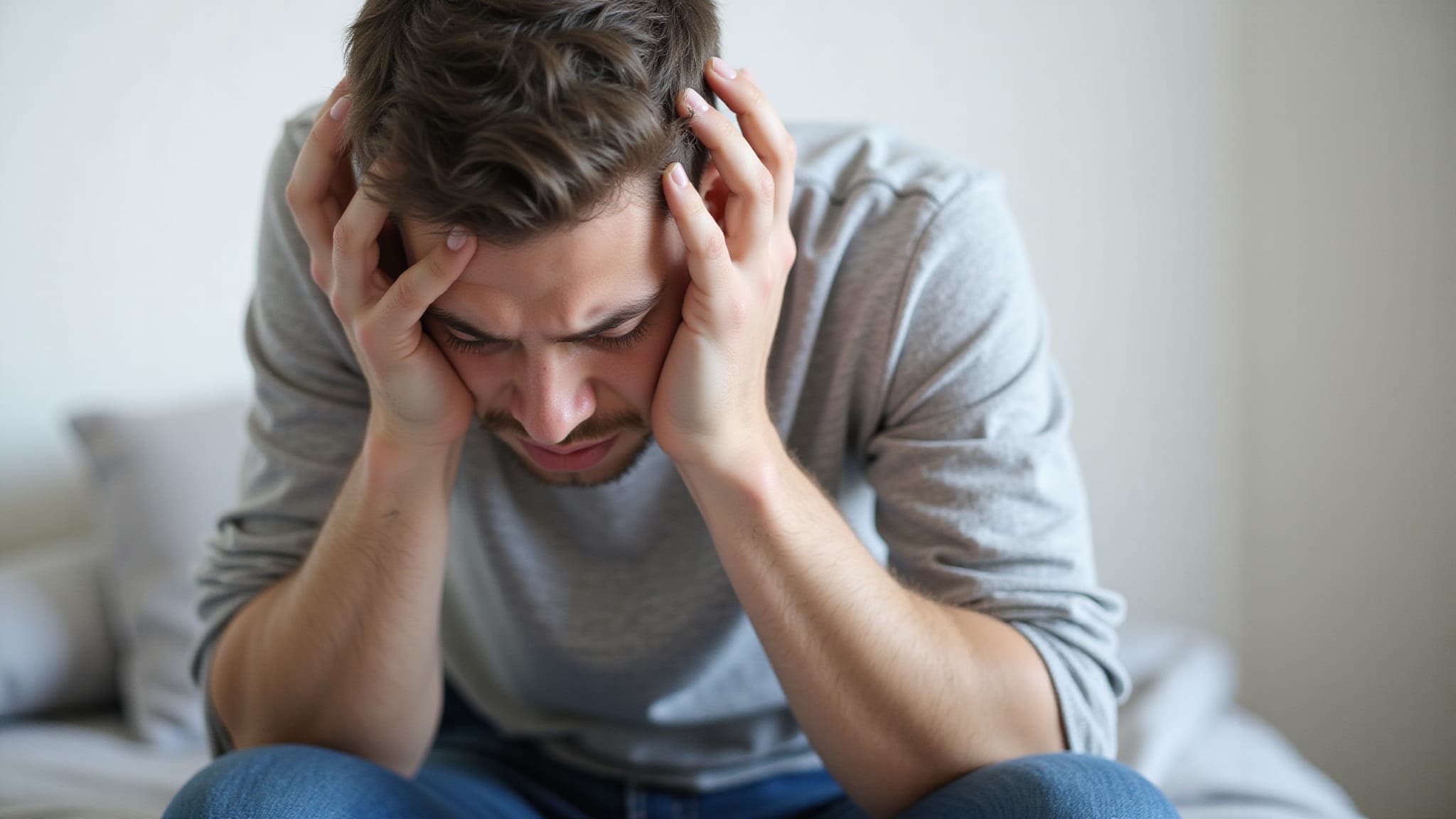
Yes, anxiety can cause a short-term rise in blood pressure. MedlinePlus explains that when you face stress, your body releases stress hormones that make you breathe faster, and “your blood pressure goes up.” This is part of the fight-or-flight response, which prepares your body to deal with a threat.
During a panic attack, a stressful meeting or even a visit to the doctor, you might feel your heart pounding and notice a higher reading on a blood pressure cuff. These spikes are usually temporary. Once your body calms down, your blood pressure tends to return toward its usual level.
The problem is not one spike. It is what happens when your body stays in that stress state day after day. MedlinePlus notes that over time, stress-related reactions “can cause health problems,” including inflammation and higher cholesterol.
Can Anxiety Raise Blood Pressure Long Term?
Possibly, but the research is not settled. A population-based study drawing on a random sample of 766,427 adults found that people with anxiety disorders had a higher incidence of hypertension, with a risk ratio of 1.29.
Not every study agrees. A 2025 longitudinal study of 9,283 young and middle-aged adults found “some evidence suggesting an inverse relationship” between anxiety and new hypertension, meaning people with anxiety were not more likely to develop it in that sample.
Chronic stress can also shape habits that affect blood pressure. MedlinePlus lists smoking, heavy drinking and eating salty, sugary or fatty foods as common ways people cope with stress. MedlinePlus also includes being “often stressed or anxious” among the risk factors for high blood pressure. The safest conclusion is that anxiety may contribute, alongside many other factors, rather than being a single cause.
What Blood Pressure Numbers Should You Know?
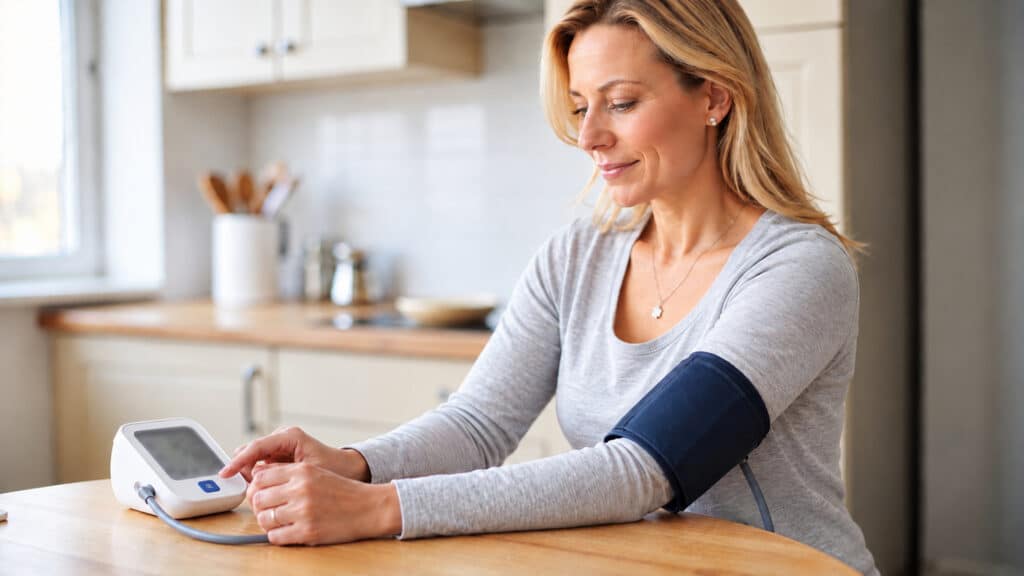
The National Heart, Lung, and Blood Institute (NHLBI) groups adult blood pressure categories as shown below. Blood pressure is measured in millimeters of mercury (mm Hg), with the top number (systolic) and bottom number (diastolic).
| Category | Systolic (top) | Diastolic (bottom) |
|---|---|---|
| Normal | Less than 120 | and less than 80 |
| Elevated | 120 to 129 | and less than 80 |
| High blood pressure stage 1 | 130 to 139 | or 80 to 89 |
| High blood pressure stage 2 | 140 or higher | or 90 or higher |
| Hypertensive crisis | Higher than 180 | or higher than 120 |
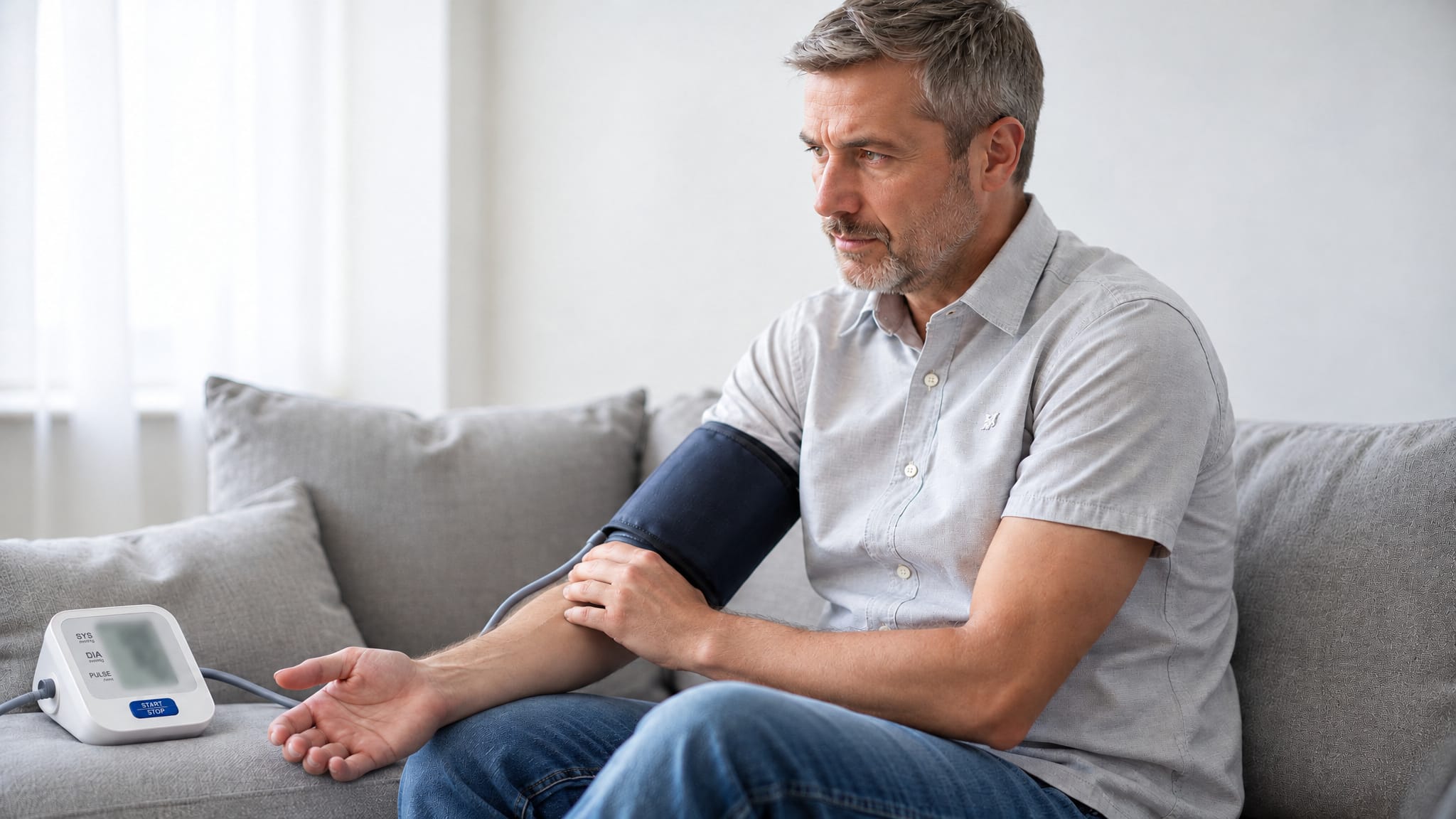
One high reading during an anxious moment does not mean you have hypertension. NHLBI states that you need two or more readings at separate medical appointments for a diagnosis. Readings taken at home can give your provider a fuller picture.
When Is High Blood Pressure an Emergency?
NHLBI advises that readings above 180/120 mm Hg are dangerously high and need immediate medical attention. If you get a reading that high and feel fine, wait 5 minutes and check again. If it is still high, call your healthcare provider.
Call 911 if your reading is very high and you have chest pain, difficulty breathing, a sudden change in vision, a sudden severe headache, numbness or weakness, or problems talking. Do not assume these symptoms are anxiety, even if you have had panic attacks before. Let a medical team rule out a heart attack or stroke first.
Most people with high blood pressure have no symptoms at all, which is why regular checks matter.
Can High Blood Pressure Cause Anxiety?
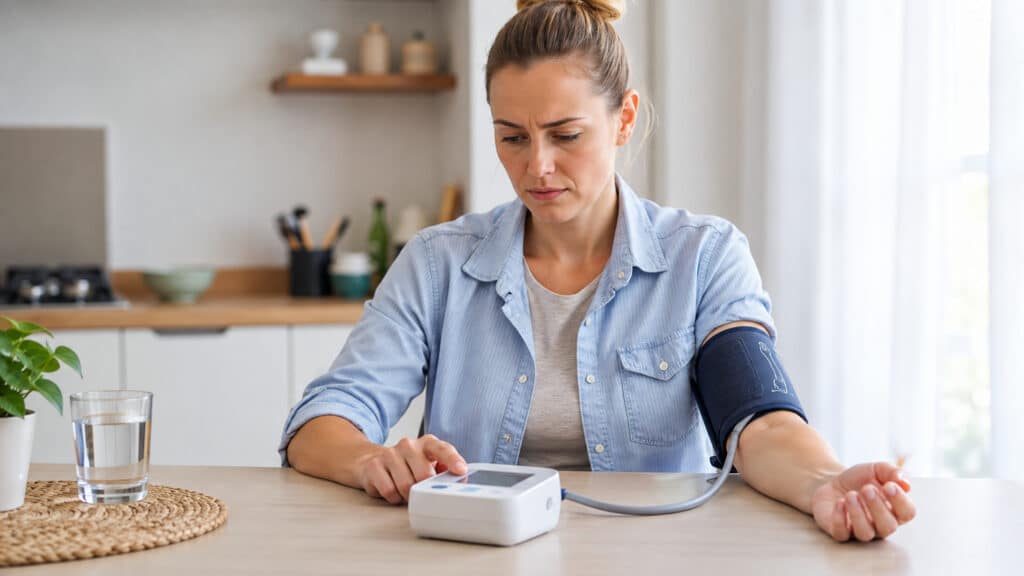
High blood pressure itself usually does not cause symptoms you can feel, so it is unlikely to create anxiety directly. NHLBI notes that it usually does not cause symptoms until it has also caused serious problems. However, the relationship can run in both directions emotionally.
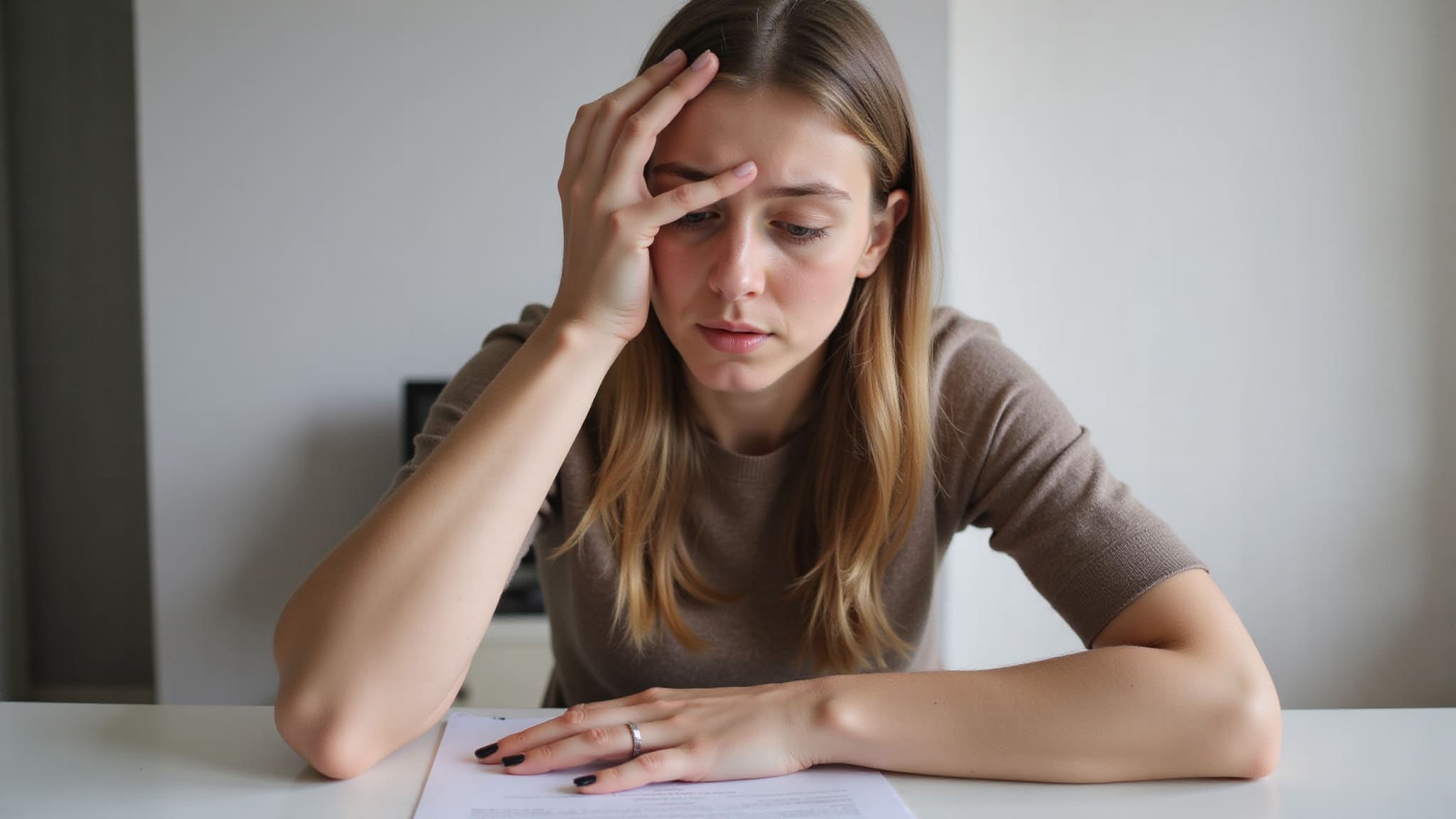
Learning that you have hypertension, watching numbers climb on a home monitor or worrying about heart disease can all feed anxious thoughts. Some people check their blood pressure repeatedly, see a higher reading because they feel tense, and then worry more. Understanding the difference between stress and anxiety can help you notice which one is driving that cycle.
How Can You Lower Blood Pressure Linked to Anxiety?
Lowering your body’s stress response and treating anxiety at its source both help.
- Sit quietly and focus on your breathing for about 10 minutes a day.
- Try regular exercise, yoga, meditation or time outdoors.
- Cut back on alcohol and salty, highly processed foods.
- Use simple calming exercises for the body when you feel tension building.
If anxiety shows up most days, anxiety therapy can help you change the thought patterns and habits that keep your stress response switched on. A therapist for anxiety can teach in-the-moment skills while your doctor manages your blood pressure.
Conclusion
Does anxiety cause high blood pressure? It reliably causes short-term spikes, and some research links anxiety disorders to a higher risk of hypertension over time, though findings are mixed. A single high reading during a stressful moment is not a diagnosis, but readings above 180/120 mm Hg need prompt medical attention, and 911 if you have warning symptoms. Caring for both your blood pressure and your mental health gives you the best protection. National Mental Health Support can connect you with licensed therapists who help people manage anxiety and its effects on the body.
Call Today and Get Help for Anxiety
Talking with a licensed professional can help you calm the stress response that pushes your blood pressure up. Through National Mental Health Support serving Hyde Park, NY, we connect you with licensed therapists who provide the right Anxiety Therapy for worry that affects your body and your health. Call +1 (844) 435-7104 or reach out to our team today and start feeling more in control.
Frequently Asked Questions
How do I know if my high blood pressure is from anxiety?
You usually cannot tell on your own. A reading that is high only when you feel anxious and returns to normal once you calm down suggests a temporary stress response. Readings that stay high at rest or across several days point to hypertension. Track readings at home at different times, bring your monitor to appointments and let your doctor interpret the pattern.
How can I lower my blood pressure from anxiety?
Start by calming your stress response. Slow breathing, regular exercise, enough sleep and less alcohol and salt can all help. Over the longer term, treating the anxiety itself, often through therapy, reduces how often your body goes into fight-or-flight mode. If your readings stay high, talk to your doctor, because you may also need medical treatment for blood pressure.
What is the best medication for anxiety-induced high blood pressure?
There is no single best medication. The right choice depends on your blood pressure readings, your anxiety symptoms, your other health conditions and any medicines you already take. Only your doctor can weigh those factors and decide whether you need treatment for blood pressure, anxiety or both. Never start, stop or combine medications on your own.
Can anxiety raise blood pressure to 180?
It is possible for intense stress to push readings up sharply, but you should never assume a reading above 180/120 is just anxiety. NHLBI says readings at that level need immediate medical attention. Recheck after 5 minutes. If it stays high, call your provider, and call 911 if you have chest pain, trouble breathing, vision changes, numbness or problems talking.
Can high blood pressure cause anxiety?
Not usually in a direct, physical way, because high blood pressure rarely causes symptoms. It can still affect your mood. Worrying about a diagnosis, heart health or repeated home readings can trigger or worsen anxiety. If concern about your blood pressure is taking over your day, a therapist can help you manage the worry while your doctor manages the numbers.