















Several effective non-Suboxone treatments are available for opioid use disorder in 2025. You’ll find methadone remains a leading option with its 24-36 hour effectiveness, while monthly Vivitrol injections offer a 35.7% success rate for achieving abstinence. New buprenorphine formulations provide alternatives beyond traditional Suboxone, and telehealth platforms have expanded access to these treatments with 33% lower overdose rates. Understanding your full range of medication-assisted treatment options can vastly impact your recovery expedition.
Understanding Methadone as a Leading Alternative

Three key aspects define methadone’s role as a primary alternative to Suboxone in opioid use disorder (OUD) treatment: its unique pharmacological profile, established clinical efficacy, and structured delivery system.
As a full opioid agonist with a 24-36 hour half-life, methadone provides steady receptor activation that effectively suppresses withdrawal and cravings. Research suggests that methadone may be the most effective treatment option available for reducing overdose deaths. Daily clinic visits for methadone doses can be a significant burden for many patients. You’ll find it’s just as effective as buprenorphine for OUD treatment, while offering supplementary benefits for chronic pain management through split-dosing protocols.
Current methadone access regulations require dispensing through certified Opioid Treatment Programs (OTPs), though advocacy efforts are pushing for pharmacist led treatment services in community settings. While you must initially attend daily OTP visits, you can earn up to 28 take-home doses after demonstrating consistent compliance, making treatment more manageable long-term.
The Rise of Vivitrol Injectable Treatment
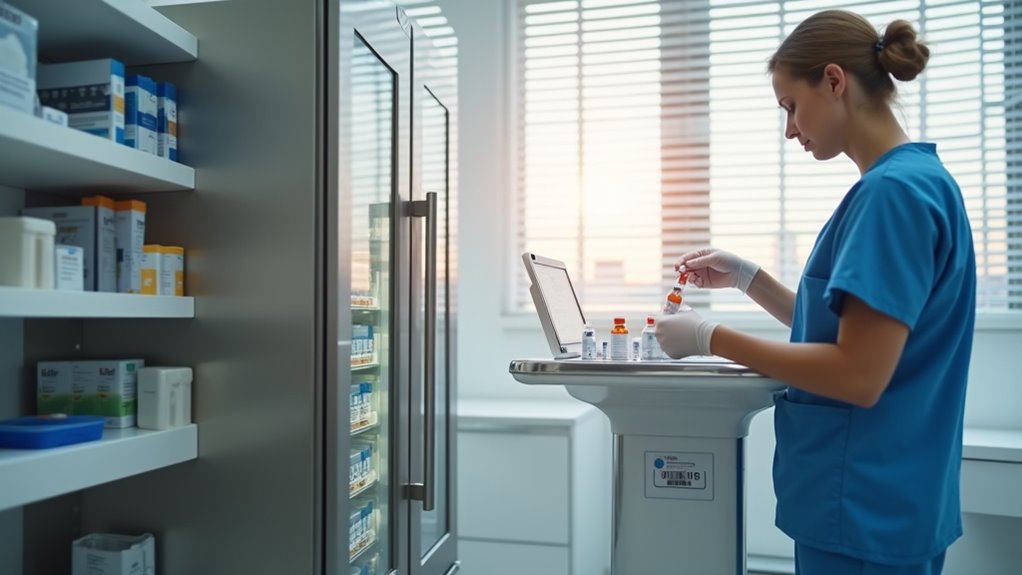
Vivitrol’s emergence as a leading injectable treatment for opioid use disorder marks a meaningful shift in medication-assisted recovery options. The monthly injectable form of naltrexone has proven considerably more effective than placebo, with 35.7% of patients achieving abstinence during weeks 5-24 of treatment when combined with counseling.
Despite rising Vivitrol prescription trends, you’ll find funding challenges remain a key barrier. While the treatment offers advantages like reduced adherence issues and no dependency risks, its higher upfront costs compared to daily medications can impact accessibility. Patients must undergo opioid receptor blockade which stops any euphoric effects from drug use. You’ll need to verify patients are fully detoxified before starting treatment, as Vivitrol requires complete opioid abstinence to prevent withdrawal. Treatment success is enhanced through biweekly counseling sessions that provide essential psychosocial support. The medication must be administered as an intramuscular gluteal injection to ensure proper absorption and effectiveness.
The evidence supports its efficacy, showing 90% median opioid-free weeks in treatment groups versus 35% in placebo groups.
New Buprenorphine Formulations Beyond Suboxone

While injectable treatments like Vivitrol have advanced opioid use disorder care, significant developments in buprenorphine formulations mark an evolution in treatment options beyond traditional Suboxone. The FDA’s December notice supports transmucosal drug applications for buprenorphine products.
You’ll find optimized dosing strategies now support daily doses exceeding 24mg, with FDA-approved labeling changes across Suboxone, Zubsolv, and generic alternatives. Physicians can now make individualized dosing decisions based on patient needs and clinical response. The focus remains on enhancing existing formulations rather than introducing new ones for 2025. The regulatory freeze delay until March 21 allows agencies to thoroughly review implementation protocols.
When considering branded versus generic preferences, you have access to cost-effective alternatives that maintain regulatory parity with Suboxone. Zubsolv offers distinct absorption profiles, while generic tablets and films provide equivalent treatment options. Telemedicine expansion further supports these choices, allowing 6-month prescriptions through remote platforms.
All formulations benefit from streamlined safety protocols while maintaining strict monitoring requirements.
Comparing Treatment Effectiveness and Accessibility
Treatment effectiveness and accessibility data point to methadone’s continued dominance in severe OUD management, with superior retention rates compared to other options. Despite methadone’s clinic-based delivery model creating access barriers, it remains the most reliable choice for complex cases requiring consistent opioid receptor saturation.
Studies show Medicaid coverage declines after unwinding have created additional treatment barriers for OUD patients seeking medication assistance. Recent federal initiatives have expanded evidence-based treatment options through increased funding and regulatory support.
Key differences in treatment approaches include:
- Patient selection criteria prioritize methadone for severe, long-term OUD cases, while naltrexone suits highly motivated patients who’ve completed detox
- Methadone’s restricted dispensing through licensed clinics limits accessibility, particularly in rural areas
- Mobile treatment units funded through SOR grants help bridge geographical gaps, though workforce shortages still impact service delivery
You’ll find that while investigational therapies show promise, current FDA-approved options maintain established effectiveness patterns, with accessibility improvements primarily coming through policy changes and mobile services.
The Essential Role of Naloxone in Modern Treatments
As opioid overdose rates continue climbing, naloxone serves as a pivotal lifeline in modern treatment protocols by rapidly reversing potentially fatal respiratory depression. You’ll find naloxone’s accessibility has improved through standing orders that allow pharmacists to dispense it without individual prescriptions, while community-based programs pair naloxone’s distribution with essential overdose prevention education. The USU-DHA partnership has demonstrated that co-prescribing compliance can reach nearly 80% through targeted provider education.
With the World Health Organization indicating that 450,000 deaths annually occur due to opioid use, expanding access to life-saving interventions remains critical. The medication’s intranasal formulation has revolutionized administration, requiring minimal training for effective use. You can now access naloxone through different channels, including public health campaigns, pharmacy standing orders, and peer-driven networks. When administered properly, it blocks opioid receptors within minutes, restoring normal breathing patterns. While it’s not a standalone solution, naloxone remains indispensable in bridging the gap between immediate overdose reversal and long-term treatment options.
Telehealth Options for Medication-Assisted Treatment
Remote prescribing has transformed medication-assisted treatment, with methadone now available through audio-visual telehealth platforms for qualified patients. You’ll find that virtual treatment platforms can increase retention rates, as demonstrated by Kentucky’s 48% vs 44% telehealth-to-traditional comparison and Ohio’s 32% vs 28% difference.
While you must still meet specific eligibility criteria, telehealth options have expanded access to non-Suboxone treatments, particularly for patients in rural or underserved areas seeking methadone maintenance therapy. Research shows that patients receiving opioid use disorder treatment via telehealth had 33% lower odds of experiencing a fatal overdose compared to traditional in-person care.
Remote Prescribing Guidelines Today
While telehealth has revolutionized many aspects of healthcare delivery, current guidelines for medication-assisted treatment (MAT) reflect significant policy shifts that expand access to opioid treatment.
Key remote prescribing protocols you’ll need to understand include:
- Eligibility criteria now permit audio-only consultations for buprenorphine prescriptions, removing traditional video requirements for initial evaluations
- Patient compliance monitoring requires in-person medical evaluations after 180 days of remote prescribing, unless specific clinical exceptions apply
- VA patients maintain continuous access to prescribed medications through their providers without mandatory in-person visits, provided there’s an established care relationship
These guidelines balance accessibility with safety measures, requiring detailed documentation of remote assessments while supporting DEA-compliant telehealth platforms. The implementation of three Special Registrations for telemedicine prescribing enhances oversight and standardization of remote care delivery. Providers must be licensed in both states where they deliver care and where the patient resides for legal telehealth prescribing. State-specific regulations may impose supplementary requirements, so you’ll need to verify local compliance standards alongside federal protocols.
Virtual Treatment Platform Benefits
Telehealth platforms have transformed medication-assisted treatment delivery, offering five key advantages that bolster patient care and clinical outcomes. You’ll find that virtual platforms expand geographic reach through 24/7 remote consultations while eliminating travel barriers for rural populations. These cost saving telehealth workflows have doubled patient retention rates compared to traditional in-person settings, with 65% follow-up attendance versus 32%. The recent extension through 2025 allows providers to continue prescribing controlled substances via telemedicine for substance use disorder treatment.
Through HIPAA-compliant systems, you’ll benefit from improved patient monitoring via integrated EHRs and AI-powered tracking tools. The platforms streamline regulatory compliance with DEA-permitted evaluations and real-time documentation. You’ll also experience significant cost efficiencies through reduced operational expenses and travel costs, while maintaining access to digital peer support networks and personalized treatment adjustments. This technological infrastructure guarantees both accessibility and evidence-based care delivery.
Breakthrough Therapies on the Horizon
As researchers and clinicians advance beyond traditional medication-assisted treatments, breakthrough therapies for opioid use disorder in 2025 demonstrate promising developments in delivery methods, accessibility, and treatment approaches. These innovations focus on risk reduction strategies while expanding patient support services across multiple platforms.
Emergency departments now initiate treatment immediately post-overdose, integrating telehealth consultations for seamless care shifts. Long-acting injectable naltrexone treatments offer fortified compliance through monthly administration, reducing daily medication management burden. Methadone programs incorporate flexible dosing protocols with personalized treatment algorithms, improving retention rates and outcomes.
These advancements represent significant steps forward in addressing the opioid crisis, particularly in underserved communities where traditional treatment access has been limited. Virtual platforms continue expanding treatment reach while maintaining clinical efficacy.
Frequently Asked Questions
How Do Insurance Companies Typically Cover Different Opioid Treatment Medications?
Your treatment coverage options for opioid medications vary by insurance plan. You’ll find that methadone typically requires clinic participation for coverage, while buprenorphine may have fewer restrictions.
Medication cost comparisons show that oral medications usually have lower copays than injectable options like Vivitrol, which often needs prior authorization. Most state Medicaid programs cover all FDA-approved medication options, though cost-sharing and coverage levels differ between plans.
What Mental Health Support Services Complement Medication-Assisted Treatment Programs?
You’ll find several essential mental health support services that elevate medication-assisted treatment outcomes. Core components include individual counseling with mindfulness-based techniques to manage triggers and cravings, alongside structured psychosocial rehabilitation programs that build life skills.
You’ll also benefit from cognitive behavioral therapy, family counseling, and peer support groups. These services work together to address underlying mental health challenges while supporting your recovery path.
Can Pregnant Women Safely Undergo Opioid Addiction Treatment?
Yes, you can safely undergo opioid addiction treatment while pregnant through holistic treatment approaches. Medical professionals typically recommend methadone or buprenorphine, combined with thorough prenatal care, to protect both you and your baby.
You’ll need regular monitoring as your medication needs may change throughout pregnancy. Untreated opioid use poses greater risks than managed treatment, so don’t delay seeking help. Your healthcare team will develop a personalized plan considering your specific needs and circumstances.
How Do Employment Drug Tests Handle Prescribed Addiction Treatment Medications?
You’ll need to inform your employer about any prescribed addiction treatment medications before drug screening, as compliance regulations require documentation from your healthcare provider. While federal laws protect patients on authorized treatment, stigma around medication-assisted treatment can still create workplace challenges.
It’s recommended to work with your treatment provider and HR department to guarantee proper documentation and confidential handling of your prescribed medications during employment screening.
What Role Do Family Members Play in Supporting Treatment Success?
Your family support system plays an indispensable role in treatment success through both emotional and practical assistance. You’ll benefit from their help with medication management, transportation to appointments, and daily responsibilities.
They can create a judgment-free environment, participate in family therapy, and learn to recognize relapse warning signs. When combined with community engagement, family support greatly improves your chances of successful recovery through consistent encouragement and understanding.