
















When you practice grounding techniques like barefoot earth contact, your nervous system responds within seconds, vagal tone increases, heart rate variability improves, and cortisol levels decrease. Combining this with cyclic sighing or box breathing activates your parasympathetic response, while tension-releasing exercises like gentle stretches and yoga poses help discharge stored stress. These calming exercises for the body work together to reset your body’s stress response quickly and effectively. Below, you’ll find specific sequences and routines to implement immediately.
What Happens in Your Body the Moment You Ground
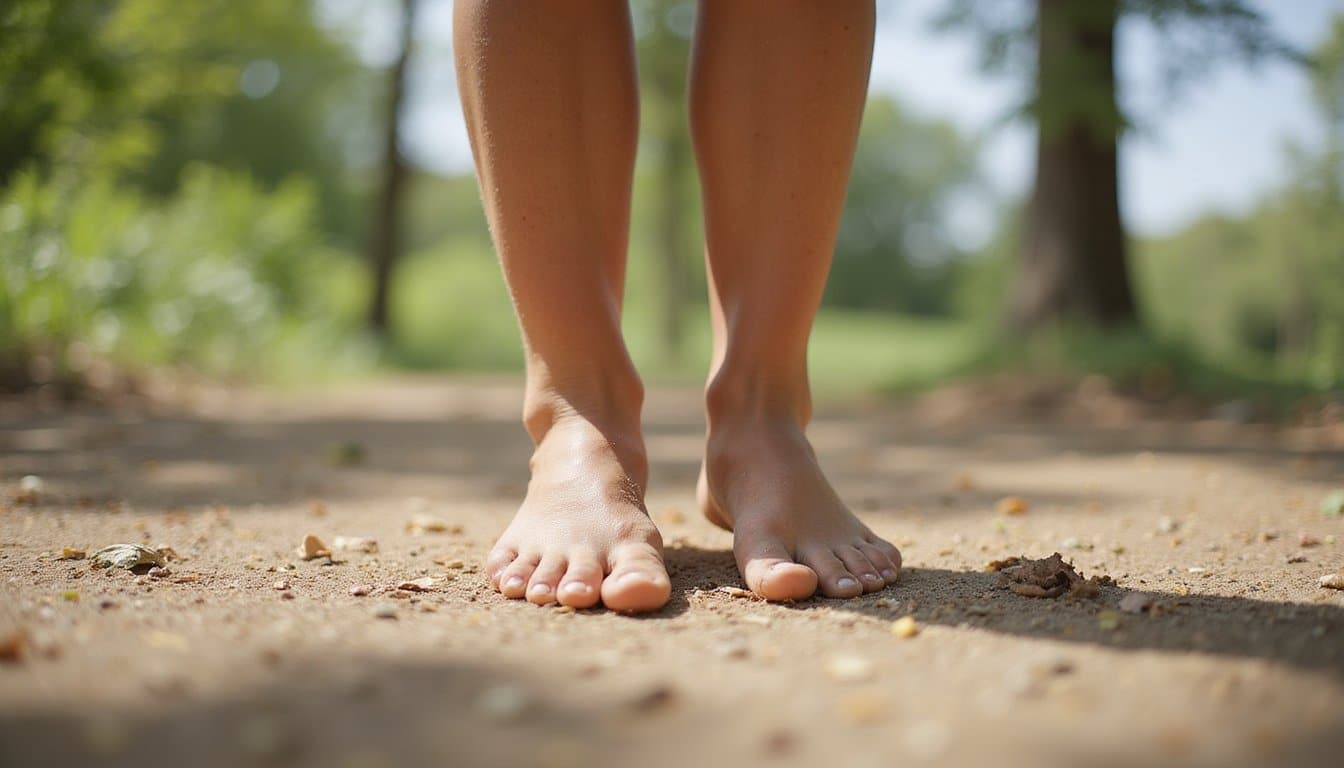
When your body makes contact with the ground during a grounding exercise, your nervous system responds within seconds. Your vagal tone increases instantly, triggering a nervous system reset that stabilizes autonomic function. EEG studies confirm immediate shifts in brain wave patterns, while heart rate variability improves as your body connects to earth’s electrical potential.
Your stress response begins downregulating as cortisol levels decrease. Blood viscosity drops, enhancing circulation and oxygen delivery throughout your tissues. This improved blood flow also results from enhanced red blood cell zeta potential, which prevents cells from clumping together. Simultaneously, your immune system activates, immunoglobulin levels rise and white blood cell function increases.
The vagus nerve plays a central role in this cascade, engaging your parasympathetic system and interrupting inflammatory pathways. Deep breathing exercises such as 4-7-8 breathing can further support this process by helping calm the nervous system and regulate blood pressure and heart rate. These physiological changes explain why grounding produces rapid calming effects when cognitive strategies feel inaccessible. This shift in focus from negative thoughts to present-moment sensations is a key mechanism behind grounding’s effectiveness.
Barefoot Walks and Earth Contact for Instant Calm
Direct contact between your bare feet and the earth triggers measurable physiological changes that promote calm. Research from the University of California, Berkeley demonstrates that this sensory grounding practice increases parasympathetic nervous system activity, lowering blood pressure and normalizing cortisol rhythms. Your body absorbs electrons that neutralize free radicals, shifting you from sympathetic activation into rest mode.
| Duration | Recommended Setting |
|---|---|
| 15-30 minutes daily | Grass or natural terrain |
| 90 minutes, 4x weekly | Forest paths |
This calming movement practice strengthens foot muscles while stimulating reflexology points that enhance circulation. For body-based coping, start with brief sessions on safe surfaces, gradually increasing exposure. Studies show 10+ weeks of consistent practice optimizes anti-inflammatory benefits and sustained nervous system regulation.
Quick Grounding Sequences When Stress Hits Hard

When stress overwhelms your system, quick grounding sequences can interrupt the body’s alarm response and restore a sense of control. The 5-4-3-2-1 method engages all five senses systematically, while barefoot earth contact provides immediate tactile input that anchors you to the present moment. Pairing these techniques with a deep breathing reset, such as box breathing, activates your parasympathetic nervous system and signals safety to your brain.
The 5-4-3-2-1 Method
Many people find that intense stress or anxiety pulls their attention inward, trapping them in racing thoughts and physical tension. The 5-4-3-2-1 method offers effective somatic calming by redirecting focus to your immediate sensory environment, interrupting the distress cycle that fuels physical anxiety symptoms. Many people find that intense stress or anxiety pulls their attention inward, trapping them in racing thoughts and physical tension. The 5-4-3-2-1 method offers effective somatic calming by redirecting focus to your immediate sensory environment, which helps interrupt the distress cycle that fuels physical anxiety symptoms. Techniques like this demonstrate how to calm down nervous system responses by grounding your attention in the present moment and reducing physiological stress signals.
This grounding exercise works systematically: identify five things you can see, four you can touch, three you can hear, two you can smell, and one you can taste. Each step anchors you in the present moment, activating your parasympathetic nervous system and reducing fight-or-flight activation.
Research supports this technique as a regulation skill that lowers heart rate and stress hormones. Unlike body scan or progressive muscle relaxation approaches, the 5-4-3-2-1 method requires no tools or training, you can practice it anywhere stress hits unexpectedly.
Barefoot Earth Contact
Though modern footwear shields you from rough terrain, it also blocks a basic physiological connection, direct electron transfer between your body and the earth’s surface. When you walk barefoot on grass, sand, or soil, free electrons from the ground enter your body, neutralizing positive charges accumulated through daily life.
Research indicates this practice produces measurable physiological shifts. Small studies show reduced heart rate, lower respiratory rate, and decreased cortisol levels after just 20 minutes of barefoot contact. One study with massage therapists demonstrated reduced pain, stress, and fatigue after consistent grounding practice.
For quick stress relief, try walking barefoot on natural surfaces for 10-20 minutes. You can also lie on park grass or submerge your feet in natural water. These simple actions may help shift your nervous system toward calm.
Deep Breathing Reset
While barefoot grounding connects you to the earth’s surface, your breath offers an internal reset that’s always available, no natural terrain required.
Cyclic Sighing for Rapid Calm
When stress hits hard, cyclic sighing, emphasizing long exhalations, activates your parasympathetic nervous system and slows your heart rate. A randomized trial of 111 participants found this technique superior to mindfulness and other breathing methods for anxiety reduction. Participants showed a 56% greater increase in positive affect compared to mindfulness groups.
Quick Implementation
You don’t need lengthy sessions. One or two intentional sighs can calm you immediately, though five daily minutes builds lasting benefits. Deep diaphragmatic breathing works across populations, youth, high-anxiety individuals, and adults under simulated stress all show significant reductions. Sessions of five minutes or longer prove ideal for countering sympathetic activation.
Grounded Movement Patterns That Release Stored Tension

When stress accumulates in your body, movement patterns that connect you to the ground can help discharge tension that thinking alone won’t release. Research shows earthing techniques boost vagal tone and shift brain wave patterns almost immediately, while rhythmic movements improve interoception and reduce PTSD symptoms. You can access these benefits through barefoot walking techniques, earth-connected stretching routines, and tension-releasing floor exercises that signal safety directly to your nervous system.
Barefoot Walking Techniques
Walking barefoot activates sensory receptors in your feet that remain dormant inside cushioned shoes, creating a direct pathway for nervous system regulation. Research demonstrates that 12 weeks of barefoot walking decreases Gamma and H-beta brainwaves while increasing SMR and Alpha waves, patterns associated with calm, focused states.
When you walk without shoes, your feet naturally shift to midfoot or forefoot landing, reducing impact forces transmitted through your knees, hips, and lower back. This restored gait pattern releases chronic tension held in these joints.
The sensory feedback from varied surfaces like grass or sand stimulates your cerebellum and sensory cortex, enhancing proprioception and body awareness. You’ll notice improved balance and postural control as intrinsic foot muscles strengthen. Start on soft surfaces for five minutes, gradually increasing duration as your feet adapt.
Earth-Connected Stretching Routines
Your barefoot practice creates a foundation for deeper work, stretching routines performed directly on the earth. When you combine grounding with targeted stretches, you’ll activate your parasympathetic nervous system while releasing muscle tension accumulated from chronic stress.
| Stretch Type | Tension Release Mechanism |
|---|---|
| Hamstring stretch | Elongates tight fibers, flushes metabolic waste |
| Gastrocnemius stretch | Restores fascial planes, improves circulation |
| Single-leg pelvic tilt | Activates reciprocal innervation for lengthening |
| Tree pose | Reconnects bioelectromagnetic fields, holds 5-10 breaths |
| Warrior pose | Grounds through feet, decreases chronic pain |
Hold each stretch for two seconds to avoid triggering protective reflexes. This approach increases range of motion by approximately 2.4 degrees weekly. You’re strengthening your mind-body connection through focused attention on breath and physical sensations.
Tension-Releasing Floor Exercises
Although stretching helps release surface tension, floor-based tremoring exercises access deeper muscular holding patterns that static stretches can’t reach. Developed by Dr. David Berceli, this technique uses intentional muscle fatigue to trigger neurogenic tremors, controlled shaking that activates your parasympathetic nervous system and promotes stress recovery.
To practice, lie on your back with soles of feet together. Slowly open and close your knees in mid-range, imagining movement through thick syrup. This controlled resistance builds fatigue in core muscles, initiating tremors that begin in the psoas and reverberate up your spine.
Research confirms self-induced tremoring reduces anxiety, improves sleep, and relieves chronic muscle tension. You can regulate intensity based on comfort. Practice 10-15 minutes several times weekly to release entrenched stress patterns.
Simple Vagus Nerve Exercises That Calm You Fast
When your body stays stuck in stress mode, simple vagus nerve exercises can shift your nervous system toward calm within minutes. Research confirms that deep breathing, yoga, and aerobic exercise provide cardio-respiratory vagus nerve stimulation, delivering measurable emotional and cognitive benefits.
These activities slow your heart rate, lower blood pressure, and reduce anxiety by activating parasympathetic pathways. Regular practice enhances vagal tone, supporting sustained nervous system regulation.
| Exercise | Calming Effect |
|---|---|
| Deep breathing | Slows heart rate immediately |
| Gentle yoga | Reduces blood pressure |
| Light aerobic movement | Improves vagal tone |
| Cold water on face | Triggers dive reflex calm |
| Humming or singing | Stimulates vagal pathways |
You don’t need equipment, just consistent practice to build resilience against stress activation.
Pairing Grounding With Movement for Faster Recovery
Vagus nerve exercises activate your parasympathetic system, but combining them with grounding techniques can accelerate your body’s return to baseline even faster. A 2010 study demonstrated that grounding reduces inflammation and improves blood flow, while a 2013 study found it enhances heart rate variability, a key marker of nervous system flexibility.
You can pair simple movements with direct earth contact. Try barefoot walking on grass while practicing slow, rhythmic breathing. Water-based movement offers another option; pools conduct grounding benefits while buffering joint stress. Outdoor tai chi or yoga combines weight-bearing poses with natural grounding and vitamin D exposure.
EEG research shows instantaneous brain wave shifts during grounded movement, reducing stress markers rapidly. This combination targets both muscular tension and autonomic dysregulation, giving your nervous system multiple pathways toward settling.
Morning Grounding Rituals That Set a Calm Tone
Morning routines shape your nervous system’s baseline for the entire day. When you step outside barefoot within the first 20 minutes after sunrise, you’re combining two powerful interventions. Natural light exposure normalizes cortisol rhythms and boosts vagal tone, while direct earth contact reduces inflammation and shifts your autonomic system toward parasympathetic dominance.
This practice improves heart rate variability and enhances sleep quality through circadian entrainment. Research shows morning light grounding calms brain wave activity and strengthens immune function by increasing white blood cell production.
Add a brief mindful check-in during this time. Notice your breath, scan for tension, and place a hand on your chest. This simple ritual lowers stress reactivity, boosts focus by 14%, and builds cumulative resilience. Ten minutes establishes a calmer foundation before daily demands begin. Incorporating self soothing techniques such as deep breathing or gentle stretching can further enhance your sense of calm. As you settle into the day, remember these practices are not just quick fixes but essential tools for maintaining balance and clarity. Add a brief mindful check-in during this time. Notice your breath, scan for tension, and place a hand on your chest. This simple ritual lowers stress reactivity, boosts focus by 14%, and builds cumulative resilience, helping you learn how to stay calm in stressful situations before daily pressures begin. Ten minutes establishes a calmer foundation for the day ahead. Incorporating self-soothing techniques such as deep breathing or gentle stretching can further enhance your sense of calm, reminding you that these practices are not just quick fixes but essential tools for maintaining balance and clarity.
Why Your Nervous System Needs More Than Deep Breaths
Grounding rituals prepare your nervous system for the day, but what happens when stress hits and someone tells you to “just breathe”? Research shows simple breathing at 12 breaths per minute without mindful awareness produces no beneficial effect on sympathetic activity. Your nervous system requires more than mechanical inhalation.
| What Works | What Doesn’t |
|---|---|
| Slow breathing with interoceptive awareness | Rapid, shallow breathing without focus |
| Device-guided pacing below 10 breaths/minute | Standard breathing at 12 breaths/minute |
Slow, intentional breathing increases heart rate variability and shifts parasympathetic dominance through the nucleus tractus solitarius. EEG studies confirm alpha power increases while theta decreases, correlating with reduced anxiety. Your brain’s pre-Bötzinger complex neurons connect directly to arousal centers, unchanged patterns won’t activate calming pathways.
A 10-Minute Daily Grounding Routine You’ll Actually Keep
Most people abandon grounding routines within weeks because they’re too complex or time-consuming. This 10-minute protocol eliminates that barrier while delivering measurable results.
Morning Protocol (5 minutes)
Step outside barefoot onto grass, soil, or stone. Wet surfaces enhance conductivity. While standing, practice box breathing: inhale for 4 counts, hold for 4, exhale for 4. Research in the Journal of Environmental and Public Health shows this combination lowers cortisol and normalizes stress hormone rhythms.
Midday Reset (5 minutes)
During lunch, touch natural surfaces, stone, wood, or earth. Apply the 5-4-3-2-1 sensory technique: identify 5 things you see, 4 you touch, 3 you hear, 2 you smell, 1 you taste.
Pair this routine with existing habits like your morning coffee. Set phone reminders until it becomes automatic.
Healing Begins With One Call
Building healthy coping mechanisms is one of the most powerful steps you can take toward lasting mental wellness. At National Mental Health Support, we guide you toward licensed mental health counselors who specialize in Individual Therapy that addresses your unique needs and helps you build a calming plan for a healthier and more balanced life. Call (844) 435-7104 today and let us help you find the peace and clarity you deserve.
Frequently Asked Questions
Can I Ground Effectively Through Concrete or Does It Block Earth’s Electrical Current?
You can ground through concrete, but effectiveness depends on moisture content and surface conditions. Dry, sealed, or painted concrete blocks electrical conductivity, while moist, unsealed concrete in direct earth contact conducts electrons more efficiently. Basement floors and wet outdoor concrete typically provide better grounding than indoor sealed surfaces. If you’re using grounding for nervous system regulation, bare soil or grass offers more reliable conductivity than most concrete surfaces.
How Long Do Grounding Benefits Last After I Come Back Indoors?
You’ll typically retain calming effects for 5, 15 minutes after barefoot walking, though this varies based on duration and consistency. Research shows 30, 60 minutes of daily grounding produces more noticeable, lasting benefits. Using grounding mats indoors can extend reduced anxiety for 1, 2 days. For best retention, aim for 60, 90 minutes daily, studies demonstrate this duration greatly improves circulation, cortisol regulation, and sleep quality over time.
Is Grounding Safe for People With Pacemakers or Other Implanted Medical Devices?
Grounding is generally considered safe for pacemaker users, though limited research exists specifically on this population. Pacemakers are designed to resist mild electrical signals, and grounding involves minimal electron exchange rather than pushing electricity into your body. However, you should consult your physician before starting, use a dedicated grounding rod instead of home electrical outlets, begin with short sessions, and stop immediately if you notice any unusual sensations or device activity.
Do Grounding Mats and Sheets Work as Well as Direct Earth Contact?
Research on grounding mats and sheets shows promising but limited results. Studies indicate these products may improve sleep quality, reduce anxiety markers, and support muscle recovery. However, most studies use small samples and lack rigorous controls. Whether they match direct earth contact remains unclear, factors like skin moisture, fabric type, and humidity affect conductivity. You’ll find the strongest evidence supports barefoot outdoor contact, though indoor products offer a convenient alternative worth exploring.
Can Grounding Interfere With Any Medications I’m Currently Taking?
Yes, grounding can potentially interact with certain medications. If you’re taking thyroid medications, blood thinners, or antidiabetic drugs, you should consult your physician before starting. Grounding may improve blood flow, reduce inflammation, and influence metabolic processes, potentially making your current dosages excessive. You’ll want close monitoring of labs and symptoms, especially when beginning. Start with short grounding periods and work with your healthcare provider to adjust medications as needed.