
















Attachment issues and attachment disorders aren’t the same thing. Attachment issues involve insecure attachment styles that develop from inconsistent caregiver sensitivity, they’re common and don’t require clinical intervention. Attachment disorders, however, are diagnosable conditions like RAD and DAD that stem from severe early neglect, abuse, or grossly inadequate care during critical developmental periods. While you can work toward secure attachment with issues, disorders require professional treatment and a documented caregiving history to be diagnosed properly. understanding what are some attachment disorders can help differentiate between the two. It’s essential to recognize the symptoms of these disorders early, as they can have long-lasting effects on an individual’s emotional and social development. Proper assessment and intervention can lead to improved functioning and healthier relationships in the future.
What’s the Difference Between Attachment Issues and Disorders?

Attachment issues and attachment disorders represent fundamentally different clinical categories, though people often conflate them. Attachment issues refer to insecure attachment styles, patterns of relational anxiety, avoidance, or fear of abandonment that develop from inconsistent caregiving. About 35 percent of infants display some form of insecure attachment, making these patterns relatively common. Importantly, attachment patterns are not fixed and can improve with a supportive family environment over time.
Attachment disorders, however, are diagnosable clinical conditions rooted in severe early neglect or abuse. Reactive attachment disorder involves a child’s persistent failure to seek comfort from any caregiver, even during distress. You’ll notice these children ward off help when upset rather than seeking it. These disorders commonly occur in children raised in institutional settings, those who have experienced repeated caregiver changes, or those subjected to neglectful caregiving.
The key distinction lies in severity and origin. Disorders require documented grossly inadequate care occurring between ages nine months and five years, while attachment issues don’t carry this diagnostic threshold. The goal for individuals with attachment issues is to move from an insecure to secure attachment style through therapeutic intervention and healthier relational experiences.
Attachment Issues vs Disorders: Causes, Severity, and Outcomes
While attachment issues and attachment disorders both affect how people relate to others, their causes, severity, and long-term outcomes differ substantially.
Causes
Attachment issues typically stem from inconsistent caregiver sensitivity, while attachment disorders result from grossly inadequate care, neglect, or abuse during the critical period between 3 months and 3 years. Attachment issues typically stem from inconsistent caregiver sensitivity, while attachment disorders result from grossly inadequate care, neglect, or abuse during the critical developmental period between 3 months and 3 years. These early experiences can later manifest as Signs of attachment issues in adults, including difficulty trusting others, fear of intimacy, or patterns of emotional withdrawal in relationships.
Early caregiving experiences shape attachment patterns, but severe neglect or abuse creates clinical disorders requiring intervention.
Severity and Outcomes
- Attachment styles represent adaptive responses requiring no clinical intervention, whereas attachment disorders demand professional treatment.
- You’ll retain selective attachments with attachment issues, but disorders involve lacking a preferred caregiver entirely.
- Issues may contribute to peer difficulties and behavioral problems, while disorders cause persistent inhibited withdrawal or indiscriminate sociability.
Children with attachment disorders experience developmental delays and enduring relational difficulties. The inhibited form typically improves faster with appropriate care than the disinhibited presentation.
How Do Insecure Attachment Styles Develop?
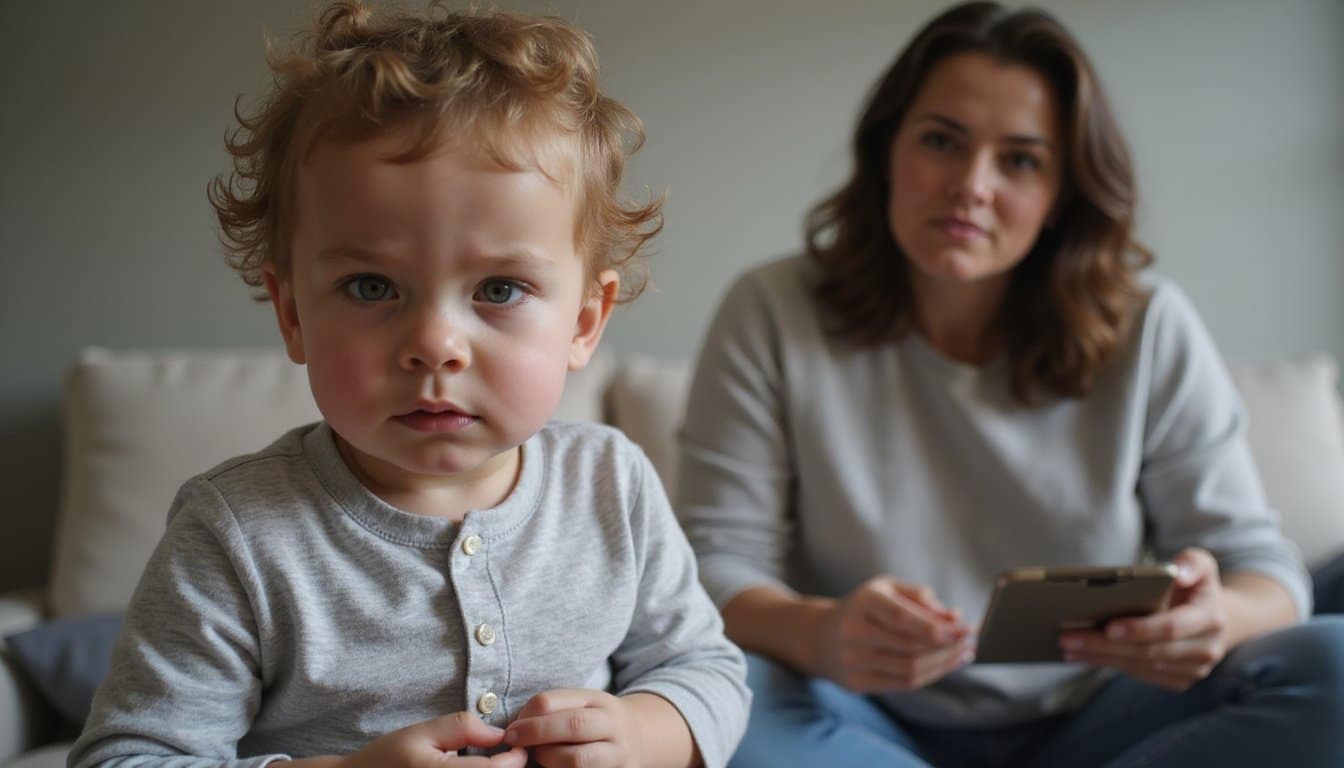
Everyone develops attachment patterns through early interactions with caregivers, and insecure styles emerge when these relationships involve inconsistent, dismissive, or frightening responses to a child’s emotional needs.
Anxious attachment development occurs when caregivers respond unpredictably, sometimes nurturing, sometimes unavailable. You learn to amplify emotional signals to secure attention, creating hypervigilance and fear of abandonment.
Dismissive-avoidant development stems from caregivers who consistently reject emotional bids or dismiss distress. You adapt by suppressing attachment needs and relying solely on yourself.
Fearful-avoidant development results from caregivers who are simultaneously sources of comfort and fear through abuse, trauma, or extreme inconsistency. You develop conflicting desires for closeness and protection from perceived danger.
These adaptations persist into adulthood without corrective relational experiences.
What Causes Reactive Attachment Disorder (RAD)?
Unlike insecure attachment styles that develop from inconsistent caregiving, Reactive Attachment Disorder (RAD) stems from severe early deprivation that fundamentally disrupts a child’s capacity to form selective attachments.
RAD isn’t simply insecure attachment, it’s what happens when severe deprivation prevents attachment from forming at all.
Research identifies three primary causes of RAD:
- Neglect, Severe emotional and physical neglect constitutes the most significant risk factor. When caregivers fail to provide consistent responsiveness during essential developmental windows, children can’t establish foundational trust.
- Abuse, Physical, sexual, or emotional abuse teaches children that caregivers represent danger rather than safety, blocking attachment formation entirely.
- Caregiver instability, Frequent placement changes, institutional care, or repeated separations prevent children from developing stable bonds with any single caregiver.
Parental factors like untreated mental illness, substance abuse, and postpartum depression also contribute by impairing emotional availability during vital bonding periods.
What Are the Signs of Reactive Attachment Disorder?

When you’re trying to identify reactive attachment disorder, you’ll notice children actively avoid seeking comfort from caregivers even when they’re upset or frightened. They won’t reach out for reassurance and may appear emotionally flat or unresponsive during interactions that typically elicit warmth. This limited social responsiveness extends to minimal eye contact, absence of reciprocal smiling, and a marked lack of interest in engaging with others.
Avoiding Comfort When Distressed
Children with reactive attachment disorder (RAD) often reject comfort during moments of distress rather than seeking it. This emotional detachment disorder manifests through distinctive behavioral patterns that differentiate disordered attachment from typical attachment issues.
You may observe these specific comfort-avoidance behaviors:
- Physical resistance, The child flinches at touch, turns away from affectionate gestures, or becomes rigid when held
- Emotional dismissal, They reject comforting words, avoid eye contact, and show no response to hugs
- Self-directed soothing, Rather than seeking caregivers, they rock themselves, stroke their own arms, or remain calm when left alone
These responses indicate disrupted attachment circuitry where the child has learned that caregivers don’t provide reliable comfort, making self-reliance their primary coping mechanism.
Limited Social Responsiveness
Because reactive attachment disorder disrupts fundamental social-emotional development, affected children often display markedly limited responsiveness during interpersonal exchanges. Unlike common attachment issues, attachment disorders involve severe impairment in initiating or responding to social interactions appropriately.
You’ll notice affected children fail to reach out when picked up or engage in interactive play. They may watch others closely without participating in actual social exchange. This limited social responsiveness persists across multiple contexts and relationships, distinguishing it from situational withdrawal.
These children show difficulty engaging in developmentally appropriate social behaviors. They demonstrate minimal reciprocity during interactions, appearing disconnected even with familiar caregivers. Social engagement remains severely impaired regardless of the adult’s attempts to connect. This pattern reflects the profound developmental disruption characteristic of attachment disorders rather than typical relational difficulties.
What Causes Disinhibited Attachment Disorder (DAD)?
Disinhibited Social Engagement Disorder (DSED) develops primarily from severe disruptions in early caregiving environments during the first years of life. When you experience persistent neglect, emotional deprivation, or repeated caregiver changes during infancy, your capacity for selective attachment becomes compromised.
Three primary risk factors contribute to DSED development:
- Institutional and foster care, Rearing in orphanages or multiple foster placements creates high child-to-caregiver ratios that prevent stable attachment formation.
- Trauma and abuse, Physical, emotional, or sexual abuse disrupts your early emotional bonds and attachment security.
- Parental and environmental factors, Caregiver mental illness, substance abuse, poverty, or prolonged hospitalization interferes with consistent caregiving.
Research indicates that early deprivation persisting beyond six months markedly predicts DSED continuation into later childhood.
What Are the Signs of Disinhibited Attachment Disorder?
Understanding the causes of DSED provides a foundation for recognizing its clinical presentation. When you’re examining for this attachment disorder, you’ll observe specific behavioral markers that distinguish it from general attachment issues or a common attachment problem.
Children with DSED display indiscriminate sociability that crosses appropriate boundaries. You’ll notice they approach unfamiliar adults without hesitation, show no checking-back behavior with caregivers, and willingly leave with strangers.
| Behavioral Domain | Clinical Sign | Diagnostic Significance |
|---|---|---|
| Stranger Interactions | Overfamiliarity, hugging unfamiliar adults | Core diagnostic criterion |
| Caregiver Reference | Absent checking-back behavior | Indicates disrupted attachment |
| Separation Response | No distress leaving with strangers | Distinguishes from typical development |
| Impulse Control | Reckless approach behaviors | Associated feature |
| Long-term Outcomes | Shallow peer connections | Persistent social vulnerability |
These signs often persist into adolescence, particularly following prolonged institutional care.
How Do Doctors Diagnose Attachment Disorders?
Your child’s doctor will assess whether symptoms appeared before age 5 and confirm your child has reached a developmental age of at least 9 months before making a diagnosis. The evaluation process requires ruling out autism spectrum disorder, intellectual disability, depressive disorders, and post-traumatic stress disorder, as these conditions can present with similar symptoms. You’ll need to provide detailed information about your child’s caregiving history, including any neglect, frequent caregiver changes, or institutional placements since birth.
Age and Timing Criteria
Age and timing criteria form the diagnostic foundation for attachment disorders, establishing strict developmental thresholds that clinicians must verify before proceeding with examination.
Minimum Age and Developmental Readiness Requirements
You can’t receive an attachment disorder diagnosis before reaching 9 months developmental age. This threshold exists because selective attachment capacity isn’t fully developed earlier.
Symptom Manifestation Timeline
Your behavioral symptoms must appear before age 5 years. Clinicians exercise caution diagnosing older children due to unclear presentation differences.
Diagnostic Assessment Methods and Timeline
Your evaluation follows specific parameters:
- Direct observation with primary caregivers occurs across multiple settings
- Structured paradigms compare your behavior with familiar versus unfamiliar adults
- A developmental pediatrician, child psychiatrist, or psychologist completes thorough assessment
For persistent designation, symptoms must continue beyond 12 months, requiring longitudinal behavioral pattern documentation.
Ruling Out Other Conditions
Once clinicians confirm appropriate age and timing criteria, they must systematically exclude other conditions that mimic attachment disorder symptoms. This differential diagnosis process distinguishes true attachment disorders from attachment issues or unrelated conditions.
Your child’s evaluation team will first rule out autism spectrum disorder, as DSM-5 criteria explicitly state these diagnoses are mutually exclusive. Unlike attachment disorders, autism involves restricted interests, sensory processing difficulties, and rigid routines.
Clinicians also exclude intellectual impairment by confirming your child’s developmental age reaches at least nine months. They’ll differentiate depressive disorders, noting that depressed children typically maintain comfort-seeking with preferred caregivers.
Neuropsychological assessments identify discrepancies between chronological and functional ages. Medical conditions causing social impairments require exclusion through thorough physical exams and lab tests before clinicians assign an attachment disorder diagnosis.
Documenting Care History
How thoroughly clinicians document a child’s caregiving history often determines whether they can distinguish attachment disorders from attachment issues or other conditions. Your child’s care history provides critical context for understanding current attachment patterns.
During evaluation, clinicians systematically gather:
- Home and living situation details from birth through present, including any foster care, adoption, or institutional placements
- Caregiver stability records documenting repeated changes in primary caregivers or prolonged institutional care
- Evidence of unmet emotional needs showing persistent patterns where caregivers didn’t respond to the child’s basic comfort-seeking behaviors
This documentation helps differentiate trauma-based attachment disorders from attachment issues stemming from temperament or relationship dynamics. Clinicians look for specific environmental conditions, neglect, caregiver inconsistency, or institutional deprivation, that must be present for an attachment disorder diagnosis under DSM-5 criteria. Understanding what is attachment disorder called can facilitate better communication between professionals and affected families. By identifying and labeling these challenges accurately, clinicians can tailor their interventions and support systems more effectively.
When to Seek Help for Your Child’s Attachment Problems
Recognizing when your child’s attachment difficulties require professional intervention can prevent long-term relational and developmental consequences. You should consult a specialist if your child’s attachment issues become chronic and unresponsive to consistent caregiving efforts.
Seek evaluation when you observe persistent emotional withdrawal, aggression toward caregivers, or complete avoidance of physical affection. Children with histories of abuse, foster care, or institutional placement require immediate assessment for relationship attachment disorder.
Professional intervention becomes essential when developmental delays emerge alongside attachment symptoms. Watch for declining school performance, anxiety, depression, or behavioral problems that risk legal involvement in adolescents.
Don’t delay consultation if your child shows extreme reactions to everyday stressors, lacks empathy, or demonstrates inappropriate attachment to strangers while rejecting familiar caregivers.
Emotional Wellness Is Within Your Reach
Understanding your emotions and relationships is an important part of living a healthier and more fulfilling life. At National Mental Health Support, we connect you with licensed mental health counselors who provide Individual Therapy that addresses your unique needs and guides you toward stronger relationships and a healthier mind. Call (844) 435-7104 today and take the first step toward a better and more fulfilling life.
Frequently Asked Questions
Can Adults Be Diagnosed With Reactive Attachment Disorder or Disinhibited Attachment Disorder?
No, you can’t receive a formal diagnosis of Reactive Attachment Disorder (RAD) or Disinhibited Social Engagement Disorder (DSED) as an adult. DSM-5 criteria require symptoms to appear before age 5, limiting diagnosis to childhood. However, if you experienced early attachment trauma, you may still carry lingering effects into adulthood. Mental health providers will assess your childhood history and current relational patterns rather than applying these specific diagnostic labels.
Can a Child Have Both RAD and Disinhibited Attachment Disorder at the Same Time?
No, a child can’t receive both diagnoses simultaneously. The DSM-5 specifies that RAD and DSED are mutually exclusive, you’ll see either inhibited, withdrawn behavior (RAD) or disinhibited, indiscriminate social approach (DSED), not both. However, research shows high comorbidity rates in neglected children, and over 50% of RAD cases involve disorganized attachment patterns that share risk factors with DSED. Proper assessment requires observing the child’s behavior with both familiar and unfamiliar adults.
Do Attachment Disorders Improve on Their Own Without Treatment or Intervention?
Research indicates attachment disorders don’t improve on their own without targeted intervention. Studies show maltreated children receiving standard community care, averaging 50 treatment sessions, demonstrated no meaningful behavioral changes over 1-4 year follow-ups. In fact, symptoms often worsened over time. Control group children showed progressive deterioration rather than natural resolution. You’ll find that specialized, attachment-focused therapies like Dyadic Developmental Psychotherapy or Child-Parent Psychotherapy produce sustained improvements that general supportive services simply don’t achieve.
Can Secure Attachment Be Developed Later in Life After Childhood Attachment Issues?
Yes, you can develop secure attachment later in life. Research identifies this as “earned-secure attachment”, where you rise above insecure childhood experiences to build secure relational patterns. You’ll achieve this through stable, supportive relationships, therapeutic interventions targeting secure base behaviors, and consistent positive experiences with partners or close others. Studies confirm that seeking partner support during distress and maintaining quality relationships actively promotes attachment security, regardless of your early developmental history.
Are Attachment Disorders More Common in Internationally Adopted Children?
Yes, you’re more likely to see attachment disorders in internationally adopted children than in the general population. Research shows early adversity, institutionalization, neglect, and multiple placement disruptions, significantly increases risk. Children with more preadoption placements demonstrate lower attachment security, and those adopted later develop attachment disorders more frequently. Particularly, adopted children from Eastern Europe show only 41.7% secure attachment rates compared to 82.6% for children adopted from China.