

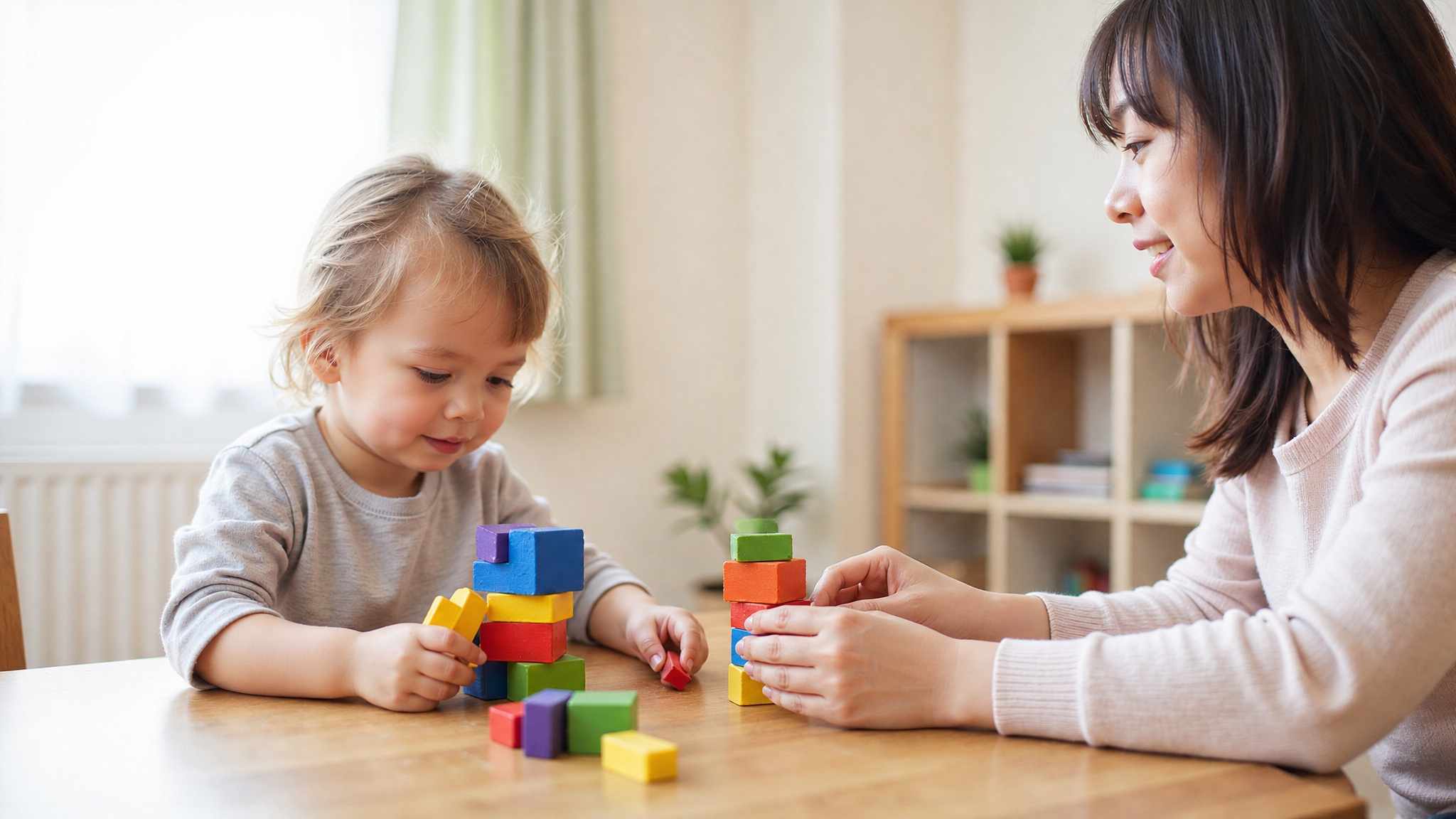











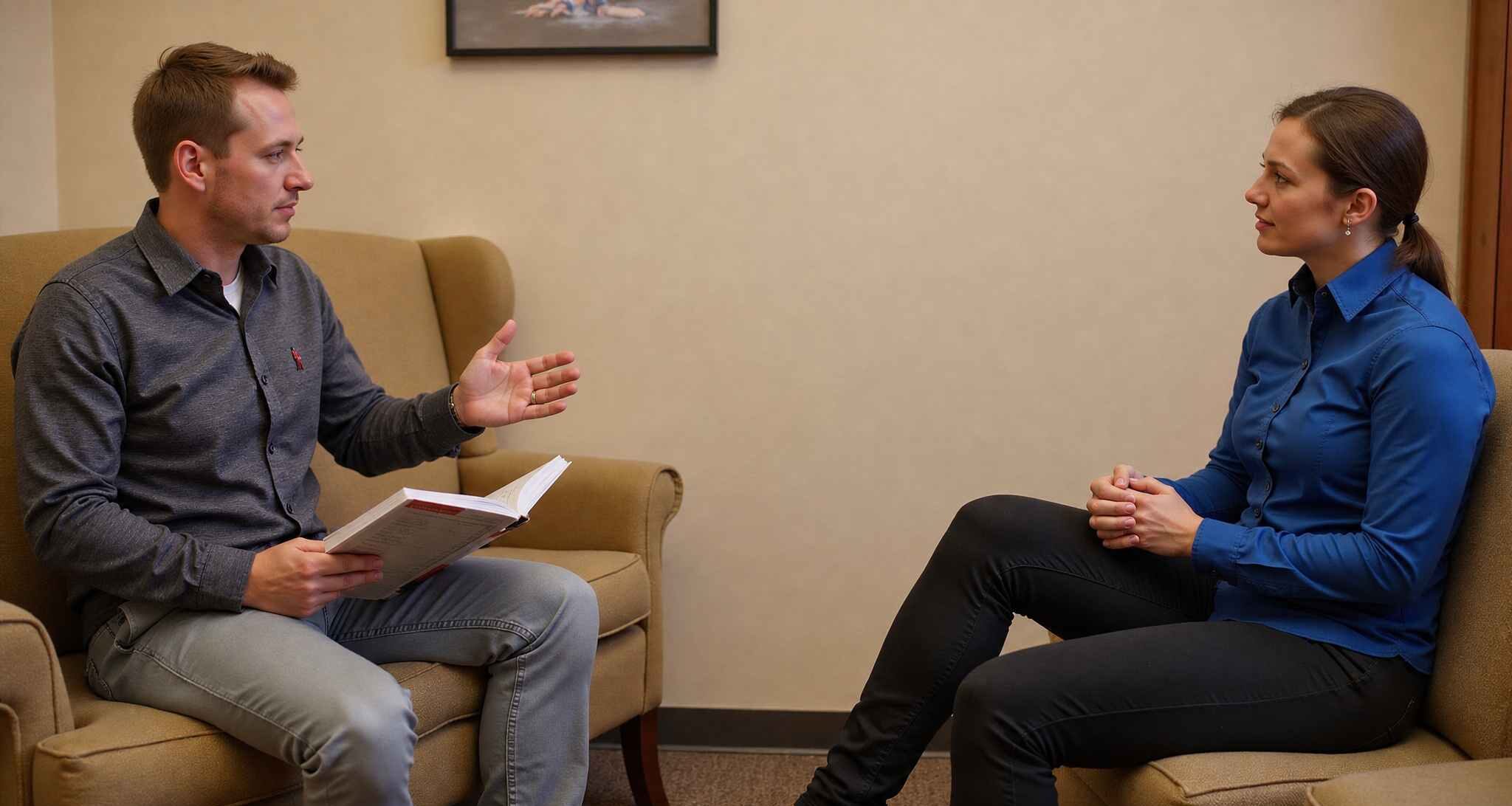

Both RAD and DSED emerge from early neglect, but they push your child in opposite directions. With RAD, you’ll notice emotional withdrawal, avoidance of eye contact, and resistance to comfort. DSED presents differently, your child approaches strangers without hesitation and seeks physical affection from unfamiliar adults. These distinct behavioral patterns require different treatment approaches, and understanding what drives each condition helps you recognize the signs and intervention strategies that matter most.
How RAD and DSED Symptoms Look Different in Children
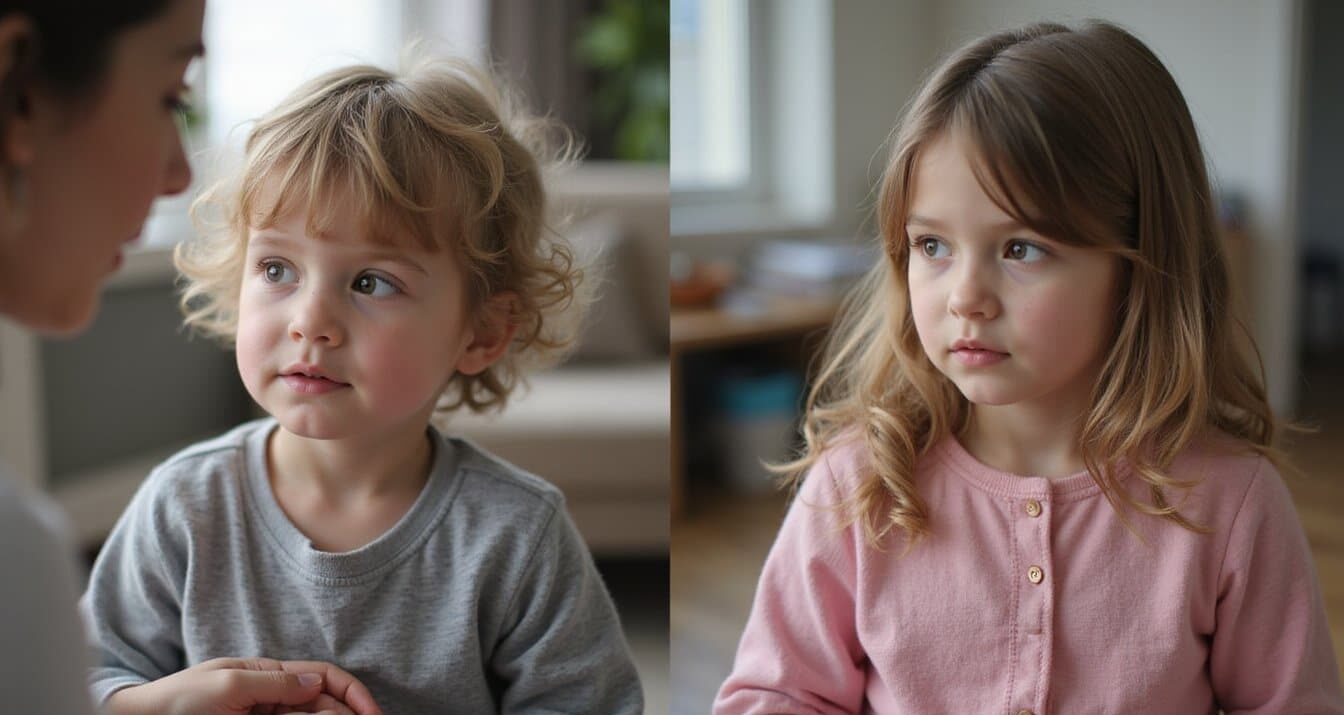
When children experience severe early neglect, their attachment difficulties can manifest in strikingly different ways. With reactive attachment disorder, you’ll observe a child who actively avoids eye contact, resists physical comfort, and appears emotionally withdrawn. These detachment disorder symptoms include failing to smile, showing minimal positive emotions, and preferring isolation over connection.
In contrast, DSED presents opposite behaviors. You’ll notice the child approaching strangers without hesitation, seeking hugs from unfamiliar adults, and displaying no wariness in new situations. They treat everyone as potential caregivers without discrimination. Children with DSED also demonstrate an inability to recognize danger when interacting with unknown individuals.
The key distinction lies in behavioral direction: RAD children pull away from relationships entirely, while DSED children pursue connections indiscriminately. Both patterns signal disrupted attachment, but they require different clinical approaches and interventions. Because these disorders are complex, parents should seek professional medical advice tailored to their child’s specific situation.
Why the Same Neglect Causes RAD in Some Kids and DSED in Others
Identical neglect histories don’t produce identical outcomes and researchers have identified several factors that explain why one child develops RAD’s emotional withdrawal while another develops DSED’s indiscriminate sociability.
Temperament plays a significant role in how attachment disruption manifests. Some children respond to unmet needs with inhibition and hypervigilance, while others display extreme sociability despite similar deprivation.Your child’s innate tendencies shape whether attachment trauma symptoms turn inward or outward.
Every child responds differently to attachment trauma some withdraw inward while others reach outward to everyone they meet.
Severity matters too. DSED cases typically involve more extreme neglect, frequent caregiver changes, and institutional settings with high child-to-caregiver ratios. These conditions severely restrict opportunities for selective attachments.
Biological factors also influence outcomes. Children who develop DSED show greater vulnerability to externalizing behaviors like ADHD, while RAD correlates with internalizing patterns such as depressed mood.
Why RAD Gets Mistaken for Autism (and DSED for ADHD)

Many children with RAD display behaviors that closely mirror autism spectrum disorder, creating significant diagnostic confusion. You’ll notice both conditions share atypical social responsiveness, limited positive affect, and eye contact avoidance. Research shows 62% of autistic children meet core RAD symptoms on standardized assessments, while 46% of RAD cases score above autism thresholds on gold-standard tools.
DSED presents similar challenges when distinguishing it from ADHD. Both attachment disorder types involve disinhibited behaviors, boundary violations, and impulsivity that overlap substantially with ADHD presentations. Recognizing what is attachment disorder symptoms can be challenging, as they often manifest differently in various age groups. Children may display emotional withdrawal or difficulty in forming relationships, while adults might struggle with trust and intimacy issues. Signs of attachment issues in adulthood can lead to patterns of avoidance and fear of emotional closeness. This might result in tumultuous relationships or an unwillingness to engage deeply with others, further perpetuating feelings of isolation.
The critical difference lies in context. When comparing rad vs dsed to neurodevelopmental conditions, you’ll find autism and ADHD behaviors remain consistent across settings. Attachment-related behaviors fluctuate based on caregiver presence and separation circumstances. Unstructured assessments reveal autistic children experience increased stress, while RAD/DSED children show greater comfort.
What Happens When RAD or DSED Goes Untreated?
Both RAD and DSED can create cascading developmental consequences that extend far beyond childhood. A 2023 study following children with RAD into adulthood found sobering long-term outcomes: only about 34.7% graduated high school, and 73.5% received a psychiatric diagnosis as adults. These findings underscore why early identification and support matter.
Untreated disinhibited social engagement disorder follows a different but equally concerning trajectory. You’ll observe persistent indiscriminate friendliness that leaves individuals vulnerable to exploitation throughout their lives.Their compromised ability to assess relationship safety creates ongoing risks, leaving them more vulnerable to exploitative or harmful relationships.
The same study reported high rates of substance use (42.9%), suicide attempts (28.6%), and psychiatric hospitalization (71.4%) among adults who had RAD as children. Early identification and intervention remain critical for improving these trajectories.
How RAD and DSED Are Treated Differently

Treatment protocols for RAD and DSED diverge markedly because these disorders target different aspects of attachment functioning. If your child has RAD, often characterized as a social detachment disorder, treatment focuses on building trust through caregiver-focused interventions like Parent-Child Interaction Therapy (PCIT) and Trust-Based Relational Intervention (TBRI). You’ll work on creating emotional safety and reducing your child’s withdrawal patterns. Understanding the four attachment styles can be instrumental in addressing these complex issues. Each style, secure, anxious, avoidant, and disorganized, can influence a child’s behavior and emotional responses in significant ways. By identifying which attachment style your child relates to, you can tailor interventions to better suit their needs and foster healthier relationships.
For DSED, treatment targets boundary recognition and selective attachment formation.Your child needs to learn to discriminate between familiar caregivers and strangers, rather than overcoming emotional withdrawal.
Both conditions benefit from trauma-focused cognitive behavioral therapy and therapeutic parenting education. However, RAD treatment emphasizes breaking down emotional barriers, while DSED intervention concentrates on establishing appropriate social boundaries. Medication may address co-occurring anxiety or depression in either diagnosis.
Emotional Wellness Is Within Your Reach
Understanding your emotions and relationships is an important part of living a healthier and more fulfilling life. At National Mental Health Support, we connect you with licensed mental health counselors who provide Individual Therapy that addresses your unique needs and guides you toward stronger relationships and a healthier mind. Call (844) 435-7104 today and take the first step toward a better and more fulfilling life.
Frequently Asked Questions
Can a Child Have Both RAD and DSED at the Same Time?
Yes, a child can have both RAD and DSED simultaneously. Research shows these conditions aren’t opposites, they’re distinct responses to early neglect that can coexist in the same child. You’ll find this dual presentation particularly in high-risk populations like children in foster or residential care. When you’re evaluating a child, you should screen for both patterns, as their co-occurrence affects treatment planning and requires extensive attachment-based interventions targeting each symptom cluster.
At What Age Can RAD or DSED Be Reliably Diagnosed?
Under DSM-5 criteria, RAD or DSED can be diagnosed once a child has a developmental age of at least 9 months, with symptoms present before age 5.Clinicians won’t diagnose either condition before age 1 year. After age 5, diagnostic certainty decreases markedly, so you’ll want specialized assessment tools like CAPA-RAD for older children. Direct observation with both familiar and unfamiliar adults strengthens diagnostic accuracy across all age groups.
Can Children Fully Recover From RAD or DSED With Treatment?
You can expect significant improvements with treatment, but full recovery remains uncertain. Research shows children make meaningful gains, better emotional regulation, stronger family bonds, and reduced behavioral issues, especially with early intervention. However, no cure exists, and core attachment challenges may persist long-term. Treatment focuses on building relationship skills rather than eliminating deficits entirely. With consistent, nurturing support and evidence-based therapies, your child’s functioning can improve dramatically, though progress requires patience and ongoing commitment.
How Do RAD and DSED Affect Children Differently in School Settings?
In school, you’ll notice RAD and DSED create opposite challenges. Children with RAD withdraw from peers and teachers, avoiding connection and struggling to participate They may appear manageable until overwhelmed, then exhibit sudden aggression. Children with DSED display indiscriminate friendliness, approaching unfamiliar adults without appropriate caution and disrupting classroom dynamics. Both disorders impair self-regulation and academic focus, but RAD drives isolation while DSED creates boundary-related safety concerns.
Can RAD or DSED Develop if Neglect Happens After Age Five?
You’re unlikely to see RAD or DSED develop from neglect occurring solely after age five. Both disorders require severe caregiving disruptions during critical attachment formation windows, typically infancy through early toddlerhood. Research from the Bucharest Early Intervention Project confirms that early deprivation, particularly institutional care from birth, predicts these conditions. While later neglect causes significant harm, it doesn’t produce these specific attachment disorders because primary attachment patterns have already formed.