
















The best natural supplements for ADHD focus in adults include omega-3 fatty acids (at least 750mg EPA/DHA daily), zinc, magnesium, and iron, especially if you’re deficient. L-theanine paired with caffeine can promote calm alertness, while bacopa and citicoline support working memory over time. None replace stimulant medications in efficacy, but they can meaningfully complement your overall plan. Understanding how to stack these safely and when to seek professional guidance makes all the difference. ADHD mental focus supplements can provide a beneficial addition to a comprehensive approach. Many users have reported improvements in concentration and task completion when incorporating these into their daily routine.
Omega-3 ADHD Supplements: What the Evidence Says

Omega-3 fatty acids rank among the most studied natural supplements for ADHD, and the evidence paints a nuanced picture. Clinical trials show modest symptom reduction, though effects remain small compared to stimulant medications. Meta-analyses report low-certainty evidence for medium-term improvement, and adult-focused data suggests limited efficacy compared to pediatric populations.
That said, omega-3 fatty acids support neural membrane fluidity and neurotransmitter function. Deficiency severity can explain up to 20% of symptom variance, and correcting low levels may improve working memory and processing speed. Research indicates that omega-3 deficiency in animal models affects dopaminergic and serotonergic pathways linked to attention and impulse control. Expert consensus recommends at least 750mg daily of combined DHA and EPA for 12 weeks. The safety profile is excellent, mild gastrointestinal discomfort occurs in fewer than 5% of participants. You shouldn’t view supplementation as a replacement for clinical treatment.
Zinc, Iron, and Magnesium for ADHD Deficiencies
While omega-3s address fatty acid status, three minerals, zinc, iron, and magnesium, play distinct roles in dopamine metabolism, attention regulation, and neural signaling that make them relevant to ADHD.
- Zinc, Supplementation has improved hyperactivity and impulsivity in some trials, but benefits appear strongest when you’re actually deficient. Doses above 30 mg/day risk copper depletion.
- Iron, Low ferritin correlates with ADHD symptoms through impaired dopamine synthesis. A 12-week trial showed improvement in children with low ferritin. You shouldn’t supplement iron without documented deficiency, as excess causes harm.
- Magnesium, Deficiency contributes to poor concentration, anxiety, and insomnia. Small studies show benefit primarily when baseline magnesium is low.
The critical step: test your levels before supplementing. Benefits are most consistent when you’re correcting a verified deficiency. Research also suggests that dietary patterns and nutritional influences may play a crucial role in managing ADHD symptoms beyond individual mineral corrections.
L-Theanine and Caffeine for Calm ADHD Focus

Beyond correcting mineral deficiencies, you can also influence attention through compounds that modulate alertness and mental calm in real time. L-theanine and caffeine, often paired together, represent one of the more widely discussed combinations for promoting focused, non-jittery attention in adults with ADHD.
Caffeine blocks adenosine receptors to increase alertness, while l-theanine promotes relaxation without sedation. Together, they produce calm focus, sustained attention with reduced jitteriness. Studies in healthy adults show improvements in speed, accuracy, inhibitory control, and reduced mind wandering during demanding tasks. A commonly cited dose is 100 mg caffeine with 200 mg l-theanine, taken 30, 60 minutes before cognitively demanding work.
However, ADHD-specific evidence remains preliminary and largely drawn from pediatric research. A small crossover study in boys with ADHD found that the combination treatment showed potential to reduce impulsivity beyond what either substance achieved alone. This combination is best viewed as a promising supportive tool, not a replacement for professional treatment.
Bacopa and Citicoline as ADHD Memory Supplements
Bacopa’s active compounds, bacosides, influence acetylcholine, serotonin, and dopamine while reducing oxidative stress. Adult trials show improvements in working memory, concentration, and mental flexibility after 4, 12 weeks of consistent use at 300 mg/day.
Citicoline supports dopamine and acetylcholine production, targeting attention and mental energy at 250, 500 mg/day.
Key distinctions between these two supplements:
- Bacopa monnieri primarily strengthens memory consolidation and learning over weeks of consistent use.
- Citicoline tends to support clarity, motivation, and focus more quickly.
- Both influence dopamine and acetylcholine but through different mechanisms, making them potentially complementary.
ADHD Supplements With Weak or No Evidence
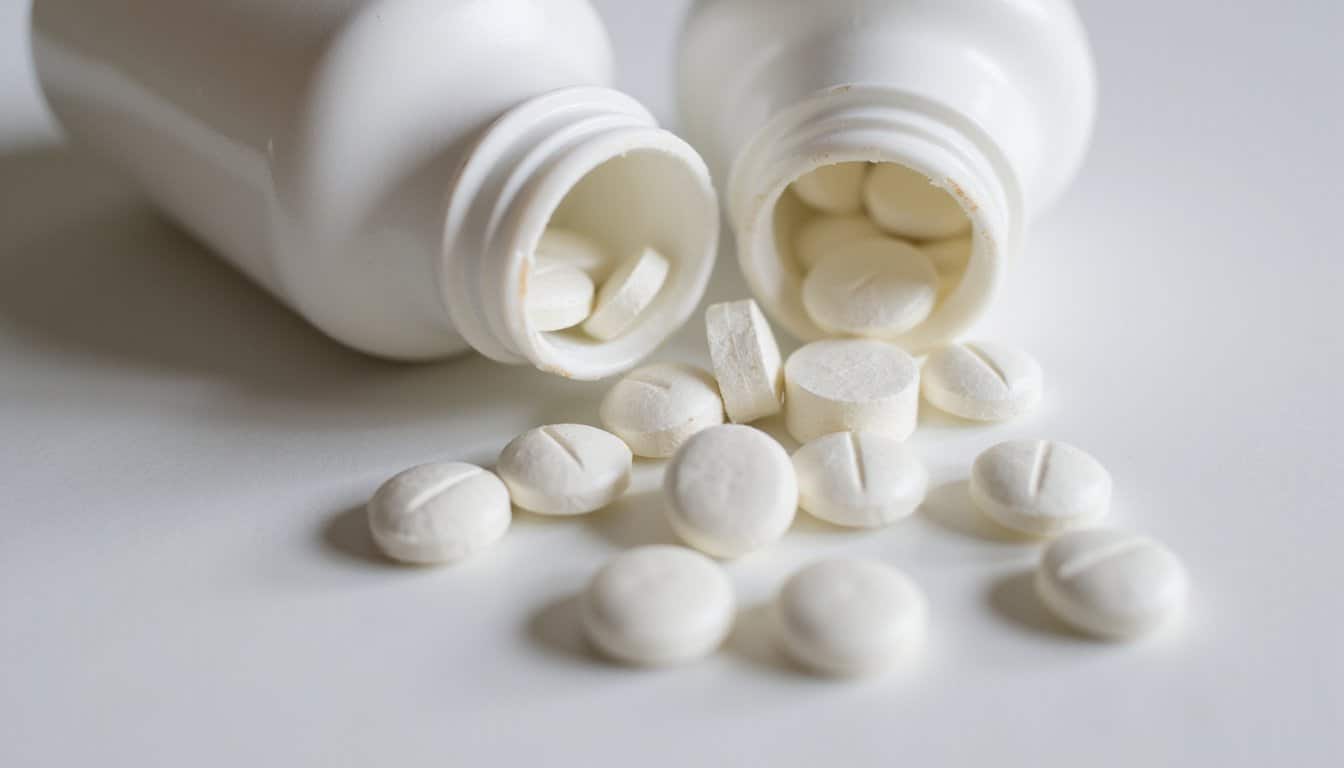
Not every popular supplement lives up to its reputation. When evaluating adhd supplements for adults, you’ll find several options lack meaningful clinical support despite widespread marketing claims.
| Supplement | Evidence Status | Key Concern |
|---|---|---|
| Lion’s Mane | No human ADHD research | Claims based on lab studies only |
| Ginkgo Biloba | Insufficient evidence | No reliable ADHD symptom improvement |
| St. John’s Wort | No better than placebo | Tested and failed in controlled trials |
L-theanine remains popular for calm focus, yet it has very little ADHD-specific research backing its use. Similarly, ginseng, pycnogenol, and valerian all fall into the insufficient evidence category.
Before spending money on these options, you’re better served directing resources toward supplements with stronger research foundations and consulting your clinician.
How to Build a Safe ADHD Supplement Stack
Once you’ve identified which supplements have credible research behind them, the next step is assembling a stack that’s both strategic and safe. When exploring natural supplements for ADHD focus, avoid adding multiple compounds simultaneously. Instead, follow a structured approach:
- Screen for deficiencies first. Request lab work for iron, zinc, magnesium, and omega-3 status. Correcting a confirmed deficiency yields more reliable results than blind supplementation.
- Introduce one supplement at a time. Allow two to six weeks per addition to accurately assess response before layering another ingredient.
- Match each supplement to a specific symptom target. Attention, impulsivity, sleep timing, and cognitive energy may each require different compounds.
Build your dietary foundation with fish, seeds, legumes, and leafy greens before supplementing. Always screen for medication interactions with your clinician.
Natural ADHD Supplements vs. Medication
You shouldn’t view supplements as replacements for prescription ADHD medication, which remains the most effective treatment for core symptoms according to major clinical guidelines. While omega-3s and certain micronutrients show modest supportive benefits, their evidence base is considerably weaker and less consistent than that of stimulant medications. Supplements work best as complementary tools within a broader plan that includes professional treatment, behavioral strategies, and lifestyle optimization.
Supplements Complement, Not Replace
While natural supplements can support cognitive function and overall well-being, they don’t replace the established frontline treatments for ADHD. Stimulant and nonstimulant medications remain the most effective interventions, and supplements for focus ADHD adults work best as adjuncts within a thorough care plan.
Consider these evidence-based guidelines:
- Pair supplements with professional treatment. Research shows certain compounds offer modest benefits specifically when combined with prescribed medication.
- Address nutritional gaps first. Correcting deficiencies in iron, zinc, or magnesium can improve functioning, but only produces meaningful change when a true deficiency exists.
- Support sleep and lifestyle foundations. Supplements like melatonin and L-theanine enhance rest and alertness without targeting core ADHD symptoms directly.
You’ll achieve the best outcomes by integrating supplements into a broader strategy of clinical care, behavioral modification, and lifestyle optimization.
Evidence Strength Differences
Although natural supplements attract significant interest, their evidence base doesn’t compare to prescription ADHD medications. Stimulant medications consistently demonstrate the highest efficacy for ADHD symptoms across large, well-designed trials. In contrast, research on natural supplements for ADHD typically involves smaller studies, mixed results, and low-certainty findings.
A 2023 Cochrane review of over 2,374 participants found only low-certainty evidence that omega-3 fatty acids may help, with high-certainty evidence of no effect on total parent-rated symptoms. Herbal products like ginkgo biloba and St. John’s wort lack sufficient evidence entirely.
This doesn’t mean you should dismiss supplements altogether. It means you should calibrate your expectations accordingly. Natural compounds may offer supportive benefits, but they aren’t substitutes for treatments with stronger clinical validation.
Signs Your ADHD Supplement Plan Needs Professional Help
Supplements can play a supportive role in managing ADHD, but they aren’t a substitute for professional care, and certain signs indicate it’s time to consult a clinician.
- Persistent symptom interference. If inattention, impulsivity, or hyperactivity consistently affect your job, relationships, or daily functioning despite using supplements for adults with ADHD, a formal evaluation is warranted.
- No clear benefit or new side effects. When your supplement regimen isn’t producing measurable improvement, or causes adverse effects, a clinician can assess safety, review contraindications, and adjust your plan accordingly.
- Possible comorbid conditions. Attention difficulties that overlap with anxiety, depression, or other mental health concerns require diagnostic clarity, not just supplement changes.
ADHD management is most effective when it integrates medication, behavioral strategies, and professional monitoring tailored to your symptom severity.
Get Professional Guidance on ADHD Treatment
When you’re exploring nootropics, supplements, or other options for ADHD, expert oversight makes every decision safer and more effective. Through National Mental Health Support serving Albany County, our trained professionals are available 24/7 who can guide you toward the right Medication Management program for your needs. Call +1 (844) 435-7104 today and take the first step toward healing.
Frequently Asked Questions
How Long Do Natural ADHD Supplements Typically Take to Show Noticeable Results?
Most natural ADHD supplements take 2 to 6 weeks before you’ll notice meaningful changes. Compounds like citicoline may work within days, while saffron and omega-3s often require 4, 6 weeks of consistent use. If you’re correcting a nutrient deficiency, like low iron or zinc, you might need even longer. Give any supplement at least 8, 12 weeks before judging its effectiveness, and remember that results are typically modest compared to prescription treatments.
Can ADHD Supplements Interact With Common Medications Like Antidepressants or Birth Control?
Yes, several ADHD supplements can interact with medications you’re already taking. St. John’s wort poses the highest risk, it can trigger serotonin syndrome with antidepressants and reduce birth control effectiveness. Serotonin precursors like 5-HTP and L-tryptophan also raise concerns when you’re using SSRIs or SNRIs. Even omega-3s at high doses may increase bleeding risk alongside certain antidepressants. You should always review your full supplement list with your prescriber before starting anything new.
Are ADHD Supplement Needs Different for Women Versus Men?
Your supplement needs depend more on your specific symptoms and deficiency status than on sex alone. However, women with ADHD often benefit from greater attention to cycle-related symptom changes, since estrogen and progesterone fluctuations can worsen focus and mood. Men more frequently present with hyperactivity and impulsivity, making nutrients like zinc and magnesium potentially more relevant. In both cases, you’ll want to match supplements to your individual symptom profile.
Do Natural ADHD Supplements Lose Effectiveness Over Time With Continued Use?
Most natural ADHD supplements don’t have strong evidence of building tolerance, but that’s mainly because long-term adult trials are scarce. You’re more likely to experience a plateau if your initial improvement came from correcting a nutrient deficiency, once levels normalize, additional gains typically level off. Some perceived fading may reflect natural symptom fluctuation or placebo effects wearing off. You’ll get the most sustained benefit by combining supplements with ongoing lifestyle and clinical strategies.
Should ADHD Supplements Be Taken With Food or on an Empty Stomach?
Most ADHD supplements work best when you take them with food. Omega-3s need dietary fat for absorption, while magnesium and zinc can upset your stomach without a meal. Bacopa’s also better tolerated alongside food. The main exception is L-theanine, you can take it on an empty stomach when you want faster onset. If you’re using a combination product, check the label, since fat-soluble or mineral ingredients typically favor mealtime dosing.