
















Noopept modulates AMPA receptors and glutamatergic signaling, which can sharpen working memory and sustained attention, but it’s not a validated ADHD treatment. You’ll typically see dosages of 10, 40 mg split twice daily, often stacked with L-theanine or low-dose caffeine for smoother focus. No robust clinical trials support its use for core ADHD symptoms like impulsivity, and it lacks FDA approval. Below, you’ll find the full breakdown of dosing protocols, stacks, side effects, and stronger alternatives. Supplements for adult adhd may provide some benefits, but they should not replace professional medical advice or treatment. It’s essential to consult with a healthcare provider before starting any new supplement regimen.
What Is Noopept and How Does It Work?
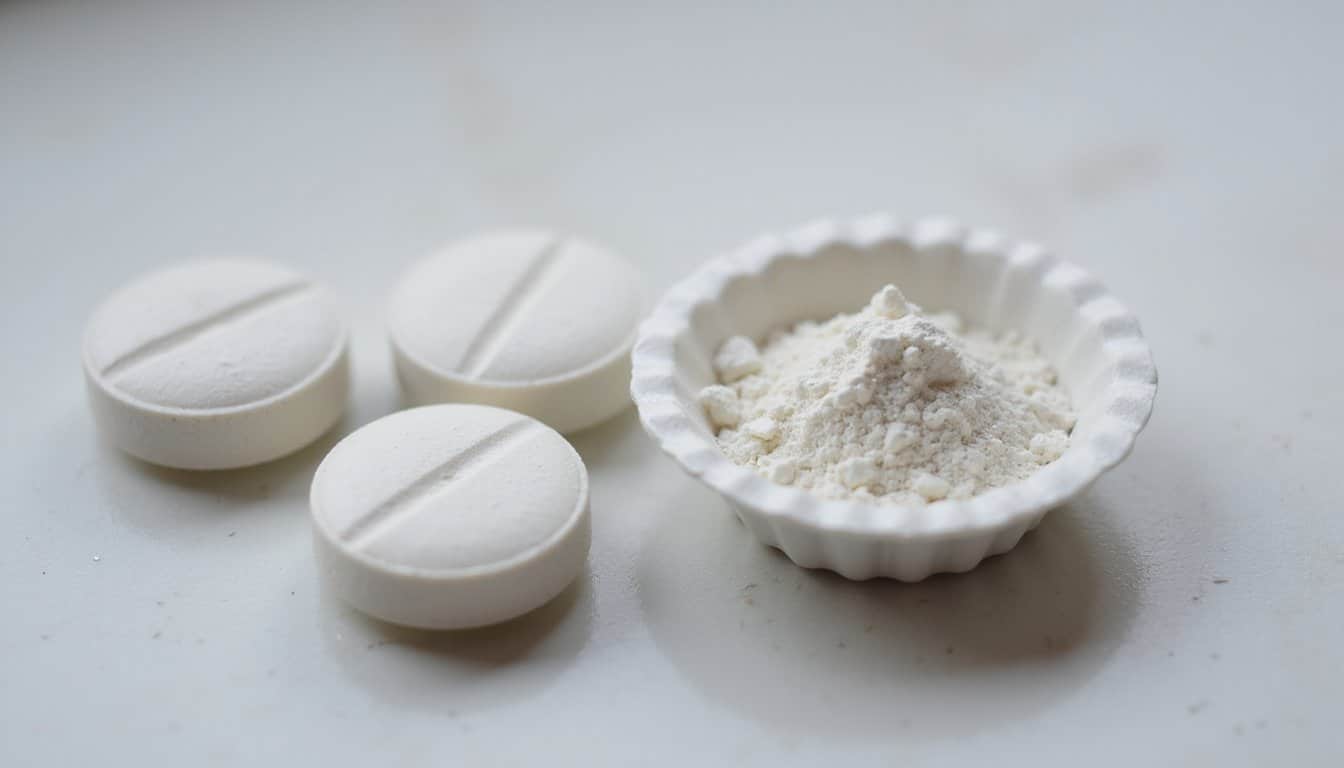
Noopept, the brand name for omberacetam (N-phenylacetyl-L-prolylglycine ethyl ester), is a synthetic, orally administered nootropic studied primarily for memory, learning, and neuroprotection. Though grouped with racetam-like compounds, its chemical structure differs from piracetam. It also functions as a prodrug of the endogenous dipeptide cycloprolylglycine.
The proposed noopept benefits stem from a multimodal mechanism. It modulates the glutamatergic system, particularly AMPA receptors, supporting synaptic plasticity critical for learning and memory formation. It also influences acetylcholine signaling, broadening its cognitive reach beyond a single neurotransmitter target.
Additionally, Noopept demonstrates antioxidant, anti-inflammatory, and neuroprotective actions. These include reducing calcium overload, lowering glutamate neurotoxicity, and stabilizing mitochondrial function. Research also suggests Noopept may modulate microglial function, which could further contribute to its anti-inflammatory and neuroprotective profile. Together, these mechanisms position Noopept as a cognition-oriented compound rather than a conventional stimulant.
Can Noopept Actually Help With ADHD?
How well does Noopept actually perform when ADHD symptoms are the target? The direct answer is that no robust clinical trials currently validate Noopept for ADHD as an evidence-based intervention. While Noopept may modulate cognitive processes like working memory and sustained attention, these effects don’t automatically translate into meaningful ADHD symptom control.
You might experience modest improvements in focus or mental clarity, but these outcomes remain inconsistent across individuals and lack the reliability of first-line ADHD treatments. Research reviews consistently rank non-prescription nootropics below stimulant and non-stimulant medications for ADHD efficacy. Among prescription options, amphetamines like Adderall remain the most effective and well-researched nootropics for managing ADHD symptoms.
If you’re considering Noopept for ADHD, treat it as a potential adjunctive tool rather than a primary treatment. Medical supervision is essential, particularly if you’re already taking prescription medications that could interact with supplemental compounds.
Noopept Dosage for ADHD and Why Timing Matters

Split dosing aligns with the twice-daily protocol studied clinically and may help maintain steadier cognitive support throughout your day. You’ll want to time doses during the morning and early afternoon hours, when focus demands peak. Avoiding late-day administration is a practical step, since attention-targeting compounds are generally counterproductive near bedtime.
Start at the lower end, monitor your response, and don’t extrapolate dosing from other racetams, Noopept operates at fundamentally different milligram ranges. With typical dosing falling between 10 and 40 mg, even small adjustments can meaningfully shift your cognitive response.
Best Noopept Stacks for ADHD Focus
If you’re exploring Noopept stacks for ADHD focus, pairing it with L-theanine can help smooth cognitive stimulation while supporting calm attention. Adding caffeine strategically, typically earlier in the day, introduces immediate alertness without overwhelming Noopept’s subtler mechanisms. Before combining any compounds, you should isolate each ingredient first to identify individual effects and minimize unpredictable interactions.
Noopept With L-Theanine
You’ll want to take 100, 200 mg of L-Theanine approximately 30 minutes before your Noopept dose to prime stress-response pathways. This timing allows L-Theanine to mitigate Noopept-induced jitteriness, yielding sharper mental clarity. Users report fewer mind-wandering episodes due to L-Theanine’s stabilizing effect on glutamate reuptake. The pairing also supports better sleep quality, which indirectly strengthens daytime cognitive performance, a critical factor when managing ADHD symptoms long-term. L-tyrosine benefits for ADHD are linked to its role in neurotransmitter production, potentially improving focus and attention.
Adding Caffeine Strategically
Because caffeine increases dopamine signaling and blocks adenosine-mediated drowsiness, it can sharpen alertness and concentration, two areas where ADHD creates persistent deficits. When stacking caffeine with Noopept for ADHD support, precision matters: 50, 100 mg taken 30, 60 minutes before deep work provides stimulation without overshoot.
| Factor | Recommendation |
|---|---|
| Dose | 50, 100 mg for mild boost; 100, 200 mg for stronger alertness |
| Timing | 30, 60 minutes pre-task; avoid late-day dosing |
Caffeine capsules offer more consistent dosing than coffee, reducing accidental overconsumption. However, caffeine can worsen anxiety and insomnia, both already heightened in ADHD populations. If you’re combining Noopept ADHD stacks with caffeine, avoid layering additional stimulants simultaneously. Monitor your individual response carefully, as sensitivity varies widely across users.
Stacking Safety Tips
While combining Noopept with other nootropics can amplify ADHD-related focus benefits, unstructured stacking introduces real risks, hidden stimulants, contaminant exposure, and unpredictable compound interactions. Pre-made blends often omit exact dosages or lack purity testing, potentially exacerbating ADHD symptoms or triggering anxiety, insomnia, and rapid heartbeat.
To mitigate these risks, introduce only one new compound at a time alongside your established noopept dose. This isolates variables, letting you identify which ingredient drives cognitive changes or side effects. Verify purity testing for every synthetic compound before use.
Monitor daily for dizziness, headaches, or irregular heartbeat. Negative interactions with existing medications require medical supervision before initiating any stack. Track focus, energy, and adverse effects systematically. Regular medical check-ups guarantee your stacking protocol doesn’t compromise cardiovascular health or destabilize mood regulation long-term.
Noopept Side Effects and Missing Safety Data
You should know that Noopept’s most commonly reported side effects include headaches, irritability, insomnia, and gastrointestinal discomfort, effects consistent with its cholinergic and glutamatergic activity. Beyond these mild reactions, controlled clinical evidence for Noopept remains limited, with no FDA approval and no robust long-term safety data in healthy individuals or those with ADHD. This gap means you’re relying largely on anecdotal reports and preclinical research rather than validated clinical trials to assess its risk profile.
Reported Mild Side Effects
Although Noopept is often described as “well-tolerated,” the human safety data supporting that claim remain thin. Reported mild side effects from available literature and the single cited human trial (20 mg) include headache, dizziness, fatigue, irritability, and sleep disruption. You should treat these reports cautiously, frequency rates haven’t been established.
Three patterns worth noting:
- Headache and dizziness appear most consistently across user reports and summary sources, suggesting possible cerebrovascular or neurotransmitter-mediated mechanisms.
- Irritability paired with insomnia emerged specifically at the 20 mg dose in human trial data, raising questions about dose-dependent CNS overstimulation.
- Elevated blood pressure was documented in the same trial, which carries particular relevance if you’re already managing ADHD-related cardiovascular monitoring with stimulant medications.
Mild doesn’t mean insignificant, especially with limited long-term exposure data.
Limited Clinical Evidence
Because Noopept lacks large-scale, double-blind, placebo-controlled human trials, the side effect profile discussed above rests on a thin evidentiary foundation. Most mechanistic data come from animal and cell models conducted in a single laboratory, which limits generalizability to human populations.
You should recognize that limited clinical evidence means drug-interaction risks remain poorly characterized. Safety in individuals taking stimulant or blood-pressure medications is uncertain, and long-term effects in healthy adults haven’t been established. Noopept isn’t approved as a drug or dietary supplement in the United States, so you won’t find standardized quality control or post-market surveillance protecting you from undisclosed risks.
The absence of rigorous, independently replicated human data means reported side effects may underrepresent actual risks. What you don’t know about Noopept’s safety profile likely exceeds what you do.
What the Research Actually Shows About Noopept for ADHD

While Noopept generates significant interest as a potential cognitive enhancer, the clinical evidence supporting its use for ADHD remains remarkably thin. When you compare Noopept vs adderall, the disparity in evidence is stark, Adderall has decades of randomized controlled trials demonstrating ADHD symptom reduction, while Noopept lacks equivalent data.
Here’s what the research actually demonstrates:
- No robust RCTs exist testing Noopept specifically for ADHD symptoms like inattention, impulsivity, or executive dysfunction.
- Mechanistic findings involve microglial activity and BDNF signaling, potentially relevant to cognition but unvalidated as ADHD treatment pathways.
- Reported cognitive benefits stem primarily from anecdotal accounts and generalized nootropic research, not ADHD-specific populations.
You shouldn’t conflate theoretical mechanisms with proven therapeutic efficacy. The current evidence base doesn’t support Noopept as a reliable ADHD intervention. Do nootropics help ADHD is a question that many individuals are exploring in the context of cognitive enhancement. While there may be anecdotal reports of benefits, rigorous studies are necessary for conclusive answers.
Noopept vs. Prescription ADHD Medications
When comparing Noopept to prescription ADHD medications, the evidence gap isn’t subtle, it’s fundamental. Prescription stimulants carry FDA approval, robust clinical trials, and established monitoring protocols. They work by modulating reward and wakefulness centers, effectively increasing alertness and task engagement. Noopept lacks comparable ADHD-specific evidence.
In the noopept vs prescription ADHD medications debate, you’re weighing a well-studied, regulated treatment against a synthetic compound with limited clinical validation for attention deficits. Noopept may support memory retention and recall, but these effects don’t equate to managing core ADHD symptoms like impulsivity and sustained attention.
Prescription medications remain first-line for good reason: they’re approved, studied, and consistently more effective. If you’re considering Noopept, don’t treat it as a replacement, consult your clinician before adjusting any ADHD treatment plan.
Better ADHD Alternatives if Noopept Falls Short
If Noopept doesn’t deliver the focus or attention support you’re looking for, stronger evidence-backed options exist, and they’re worth understanding before cycling through more unproven compounds.
- Prescription stimulants (methylphenidate, amphetamine salts) carry the strongest evidence base for ADHD symptom reduction, outperforming all nootropic alternatives, including both noopept vs piracetam class compounds, by wide margins in controlled trials.
- Atomoxetine offers a non-stimulant FDA-approved pathway, targeting norepinephrine reuptake selectively when stimulant tolerability is poor.
- Omega-3 supplementation provides modest but statistically significant symptom improvement (SMD = 0.31), functioning best as adjunctive support rather than standalone treatment.
If you’ve been comparing noopept vs piracetam without meaningful results, these clinically validated options address ADHD through mechanisms with reproducible outcomes. Consult your prescriber before altering approaches.
Should You Try Noopept for ADHD?
| Factor | Noopept | Prescription ADHD Meds |
|---|---|---|
| Clinical Evidence for ADHD | Minimal/None | Strong |
| Standardized Dosing | Not Established | Well-Defined |
| Regulatory Oversight | Limited | FDA-Approved |
If you’ve exhausted first-line treatments or can’t tolerate them, discussing Noopept with your prescriber as an experimental addition is reasonable. However, self-medicating without clinical guidance introduces unnecessary risk. Treat any trial as exactly that, experimental, time-limited, and monitored, not a replacement for evidence-based ADHD management.
Get Professional Guidance on ADHD Treatment
When you’re exploring nootropics, supplements, or other options for ADHD, expert oversight makes every decision safer and more effective. Through National Mental Health Support serving Albany County, our trained professionals are available 24/7 who can guide you toward the right Medication Management program for your needs. Call +1 (844) 435-7104 today and take the first step toward healing.
Frequently Asked Questions
Is Noopept Legal to Buy Without a Prescription in the United States?
You can buy Noopept online without a prescription, but it sits in a legal gray area. It’s not FDA-approved as a dietary supplement or prescription drug, and it’s not scheduled as a controlled substance. Vendors typically sell it as a “research chemical” to sidestep supplement regulations. This means you won’t face the same legal restrictions as with prescription ADHD stimulants, but you’re also bypassing FDA safety oversight entirely.
How Long Does It Take to Notice Noopept’s Cognitive Effects?
You may notice subtle effects like improved focus and mental clarity within 1 to 2 hours after dosing, thanks to Noopept’s short half-life. However, clinically measurable cognitive improvements typically emerge after several weeks of consistent use, studies using 10, 20 mg daily reported significant changes over 56-day periods. Keep in mind that onset varies based on your dose, baseline cognition, and individual sensitivity, and evidence in healthy populations remains limited.
Can You Develop a Tolerance to Noopept Over Time?
You can likely develop tolerance to Noopept over time, though direct human evidence remains limited. Repeated exposure may trigger receptor downregulation and homeostatic adaptation in BDNF/NGF signaling pathways, reducing subjective effects despite continued dosing. Animal studies show biological adaptation during chronic 21-day administration. To manage this, you’ll want to cycle Noopept rather than dose continuously, use the lowest effective amount, and monitor whether perceived benefits normalize to baseline.
Does Noopept Show up on Standard Workplace Drug Tests?
Noopept isn’t a target on standard workplace drug panels, which screen for substances like THC, amphetamines, opioids, cocaine, and PCP. It’s not a known trigger for false positives either. Your main risk comes from product contamination, some nootropic supplements contain undisclosed ingredients that *could* flag a test. You should use third-party tested products, document your supplements, and review your employer’s testing policy, especially in DOT or military roles.
Is Noopept Safe to Use During Pregnancy or Breastfeeding?
You shouldn’t use Noopept during pregnancy or breastfeeding. Human reproductive-safety data don’t exist, so fetal risk can’t be ruled out. No studies confirm whether Noopept or its metabolites transfer into breast milk, making infant exposure impossible to assess. Noopept may also raise blood pressure, a serious concern in pregnancy. If you’re experiencing brain fog or attention difficulties, consult your healthcare provider and prioritize established prenatal nutrients like choline, DHA, and folic acid instead.