




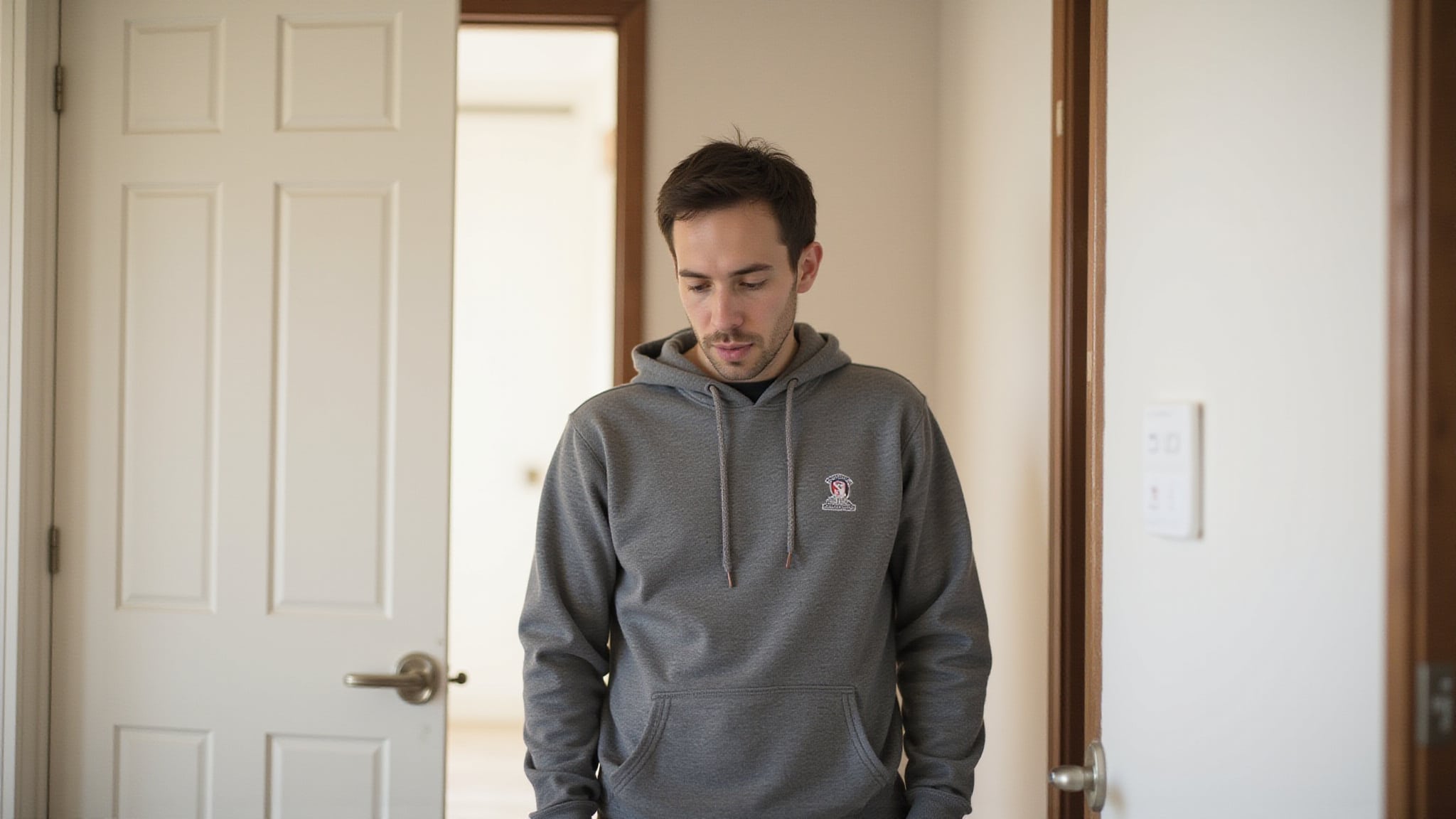










You can access teen mental health support through multiple trusted channels, including your school counseling office, local youth centers, and online platforms. Start by talking with your school counselor, who can connect you to appropriate resources 96% of public schools offer mental health services. If you need immediate help, 24/7 crisis hotlines and emergency services are always available. Whether you prefer in-person or digital support, numerous affordable options can help you build a strong emotional wellness foundation.
Understanding the Teen Mental Health Landscape Today

The teen mental health terrain has reached a critical juncture, with over 60% of adolescents reporting significant emotional challenges. Data-driven trends reveal that anxiety disorders affect nearly one-third of teens, while 40% experience persistent sadness or hopelessness annually. Today’s teens are increasingly feeling more stressed as they age, according to research showing rising negative emotions through the teenage years. Today’s teens are increasingly adapting to hybrid learning models that affect their social connections. For those in crisis, 24/7 support services are readily available through dedicated youth helplines.
Research-backed insights show you’re not alone if you’re struggling. The scenery is particularly challenging for young women, with 38% reporting anxiety compared to 26.1% of male peers. Today’s pressures stem from multiple sources: academic demands, social media engagement, and family economic stressors. These factors often manifest in sleep disruptions, physical symptoms, and potential substance use. While digital mental health tools and community resources are expanding, it’s crucial to recognize that 20% of teens still face barriers accessing the therapy they need.
Navigating School-Based Support Resources
Your school’s counseling office serves as your initial point of contact when you’re struggling with mental health concerns, with most counselors maintaining regular office hours for both scheduled appointments and drop-in visits. With 55% of public schools now offering mental health assessments, students have increasing access to professional evaluation services. Many school counselors foster open communication channels by minimizing distractions during student sessions. The ongoing Multi-Tiered System approach helps ensure students receive appropriate levels of support based on their individual needs. You’ll find that many schools now offer specialized mental health training programs to help you better understand and manage common challenges like anxiety and depression. These programs often include practical coping strategies and stress management techniques you can use daily, while also connecting you with supplementary resources when needed.
School Counselor Office Hours
While traversing school counseling services can feel overwhelming, understanding office hours and access points helps you get support when needed. Given current counselor caseloads averaging 376 students per counselor, it’s crucial to plan ahead when seeking assistance. With additional administrative tasks taking up significant counselor time, scheduling appointments early is especially important.
Your school counselor’s availability may vary based on administrative duties and grade level, with high schools typically offering more direct access than elementary or middle schools. Many districts are actively hiring new staff to better support growing student mental health needs. Research shows that counselors aim to spend 80% of their time providing direct and indirect student services. You’ll find counselors are generally available during regular school hours, though specific meeting times should be scheduled in advance. If you need immediate support outside office hours, remember your student ID contains crisis hotline numbers, including the Crisis Text Line (741741) and National Suicide Prevention Lifeline. You can also reach out to trusted teachers, coaches, or access your district’s online mental health resources.
Mental Health Training Programs
Since navigating mental health resources can feel challenging, understanding available training programs at your school empowers you to access the support you need. Today’s evidence-based training programs demonstrate significant success in improving mental health knowledge and reducing stigma, especially among middle school students. Research shows that mental health illness often begins by age 14, making early intervention crucial.
You’ll find that 96% of public schools offer mental health services, though availability varies by location. Your school likely provides resources through scalable implementation models that combine universal education with personalized support. Programs like Coming Up for AIR can help you better comprehend mental health concerns and connect with appropriate resources. Recent data shows that help-seeking behavior increased significantly after COVID-19 compared to pre-pandemic levels. These programs emphasize open communication between students and counselors to create a supportive environment.
If you’re seeking support, recall that your school’s trained staff can identify warning signs and guide you to the right services, whether through on-site counseling or partnerships with local mental health providers.
Digital Tools and Online Mental Health Platforms

In today’s virtual domain, teens increasingly turn to online platforms and mental health apps for emotional support and information. While these digital tools offer convenient access to resources, especially for underserved communities, it’s important to approach them thoughtfully. Social media platforms like TikTok and dedicated mental health apps can provide valuable support, but they shouldn’t replace professional care. Research shows that concurrent methods yield better understanding of teens’ needs in mental health technology. You’ll find the most benefit by using digital tools as part of a balanced approach to mental wellness. Look for apps and platforms that demonstrate equitable digital integration and cultural competency in app design. Be aware that excessive screen time, particularly after midnight, can impact your emotional well-being. Many mental health platforms now include mindfulness features that help users ask “why am I scrolling?” before engaging with content. Thirty-four percent of teens get mental health information through social media platforms. When exploring online mental health resources, prioritize reputable sources and bear in mind that while 80% of teens find social connection benefits, it’s necessary to monitor how digital engagement affects your mental state.
Local Community Centers and Youth Programs
Your local community offers essential support through accessible youth centers, where you’ll find welcoming spaces for after-school activities, peer connections, and mental health resources. These centers typically provide drop-in services, allowing you to participate in structured programs or simply hang out in a safe environment with trained staff nearby. When you need immediate assistance, many communities maintain dedicated crisis resource locations that connect you with professionals who understand teen-specific challenges and can provide appropriate support.
After-School Support Networks
While schools play an indispensable role in teen mental health, after-school support networks have emerged as pivotal spaces where young people can access supplementary emotional and social resources. Through community collaborations and youth development programs like 21st Century Community Learning Centers, you’ll find structured environments designed to build your social skills and self-confidence.
These programs offer more than just a safe space, they’re all-encompassing support systems. Whether it’s WINGS for Kids focusing on emotional learning or Youth Fit for Life integrating physical and mental wellness, you’ll uncover options that fit your needs. Many centers now incorporate digital tools and crisis support services, ensuring help is available when you need it. With trained facilitators and peer support networks, these programs complement traditional school services while addressing gaps in mental health access.
Drop-In Youth Services
Drop-in youth centers serve as critical lifelines by providing immediate access to essential services and support within your local community. Despite staffing constraints, these centers offer safe spaces where you’ll find understanding staff trained in trauma-informed care and cultural sensitivity.
You can expect to find:
- Clean shower facilities and fresh clothing options
- Nutritious meals and snacks throughout the day
- Confidential conversations with caring professionals
- Connection to specialized medical and mental health services
Through community partnerships, centers expand their reach beyond basic necessities to offer supplementary resources you might need. While some services require referrals or documentation, many centers use flexible models to minimize barriers. If you’re hesitant about seeking help, know that most youth learn about these services through trusted peers, and centers prioritize creating judgment-free environments where you’ll feel welcomed and respected.
Crisis Resource Locations
When facing a mental health crisis, knowing where to find immediate help in your community can make all the difference. Missouri offers several specialized youth centers, including Compass Youth Behavioral Health in St. Peters for kids 5-17 and Ozark Center in Joplin for teens 16 and older. Both facilities provide urgent behavioral solutions with telehealth capabilities.
If you’re in a rural area, you’ll find mobile crisis units and emergency transport options available through centers like ReDiscover in Raytown and Family Counseling Center in Poplar Bluff. For immediate support, you can access SSM DePaul Campus in Bridgeton, which partners with BJC for comprehensive youth services. Remember, while urban areas typically offer more specialized facilities, rural communities maintain essential connections through telehealth services and community-based programs to guarantee you get the help you need.
Crisis Response Options and Emergency Services
Recent data shows a concerning 31% surge in adolescent mental health emergency visits, highlighting the critical importance of understanding crisis response options. When you’re facing a mental health emergency, multiple support systems are ready to help through established risk assessment protocols and, when necessary, involuntary hospitalization.
Surging mental health crises among teens demand awareness of available emergency resources and professional support systems ready to respond.
Immediate crisis support is available through:
- 24/7 crisis hotlines offering text, call, and chat options
- Emergency rooms equipped with specialized mental health teams
- Mobile crisis response units that can come to your location
- Online counseling platforms available during evening hours
If you’re experiencing thoughts of self-harm or suicide, don’t wait reach out immediately. Mental health professionals are trained to respond with care and understanding, connecting you with the most appropriate level of support for your situation.
Building a Support Network: Family and Peer Resources

Building a strong support network is indispensable for managing your mental health during the teen years. While 95% of teens trust their parents as reliable information sources, only 34% actively seek mental health guidance from them. You can strengthen family communication channels by initiating regular conversations about your feelings and concerns.
Don’t overlook the value of peer support 78% of teens trust their friends’ advice on mental health matters. Consider joining extracurricular mental health groups or online communities that provide safe spaces for sharing experiences. These platforms offer anonymous access to resources while connecting you with others who understand your challenges.
Remember that your school can serve as a pivotal hub for support, with 80% of students trusting mental health information from teachers. Combine these resources with community organizations to create an all-encompassing support system.
Breaking Down Access Barriers and Finding Affordable Care
Many teens face significant hurdles when seeking mental health support, with only 20% receiving counseling services despite widespread need. If you’re struggling to find affordable care, several options can help break down these barriers.
Consider exploring these pathways to access mental health support:
- Income-based treatment at sliding-scale clinics that adjust fees to match your family’s financial situation
- Government assistance programs like Medicaid that cover mental health services for eligible families
- School-based counseling programs offering free or low-cost support during school hours
- Telehealth platforms providing remote therapy options, often at reduced rates
Don’t let cost concerns prevent you from seeking help. Your school counselor can guide you to local resources, and community mental health centers frequently offer teen-specific programs. Many organizations now provide flexible payment options and financial assistance to guarantee you get the support you need.
Taking Action: Steps to Connect With Mental Health Services
Taking the initial step in the direction of mental health support can feel overwhelming, but you don’t have to navigate this expedition venture alone. Start by reaching out to the National Suicide Prevention Lifeline or The Trevor Project if you need immediate support. These services are available 24/7 and are completely confidential.
For ongoing care, connect with specialized programs like Evolve Treatment Centers or investigate respite care options through local community health centers. If cost is a concern, look into therapy payment assistance through organizations like NAMI New Jersey. You can also access digital support through platforms like Mind Your Mind, which offers flexible virtual counseling sessions. Remember, whether you prefer in-person visits, online therapy, or crisis hotlines, there’s a support system ready to help you take control of your mental health passage.
Frequently Asked Questions
How Can Teens Maintain Confidentiality When Seeking Help Through School Counseling Services?
You can protect your privacy by making private meeting requests with your school counselor during class changes or via email. Let them know you’d like to meet confidentially. While counselors must report serious safety concerns, most other discussions stay private. If you’re worried about confidentiality, you can also access anonymous hotline services that offer complete privacy. Remember, counselors want to help while respecting your privacy as much as possible.
What Role Do Pediatricians Play in Connecting Teens With Mental Health Resources?
Your pediatrician serves as an essential initial point of contact for mental health support. They’ll conduct regular screenings during check-ups and can initiate the referral process if you need specialized care. While they’ll typically involve your parents in treatment decisions, they understand the importance of maintaining appropriate confidentiality. They can also help facilitate productive conversations with your parents about mental health concerns and provide educational resources to support your emotional well-being.
Are Mental Health Services Available Specifically for Lgbtq+ Teens in Conservative Areas?
Yes, you can access mental health services designed specifically for LGBTQ+ teens, even in conservative areas. You’ll find confidential support groups through organizations like The Trevor Project, which offers 24/7 crisis support online or by phone. Many therapists now provide virtual sessions, making it easier to connect with LGBTQ-affirming therapists from anywhere. While local resources might be limited, online platforms and national hotlines guarantee you can get support while maintaining your privacy and safety.
How Can Teens Distinguish Between Normal Mood Changes and Serious Mental Health Concerns?
You can distinguish normal mood swings from serious concerns by monitoring their duration and impact. If you’re feeling down for more than two weeks, withdrawing from friends, or struggling with daily activities, it’s time to seek help. Try emotional regulation strategies like deep breathing or journaling to manage typical ups and downs. If stress management techniques aren’t helping and your feelings are overwhelming, talk to a trusted adult or mental health professional.
What Rights Do Minors Have Regarding Consent for Mental Health Treatment?
Your rights to mental health treatment as a minor vary by state and type of care. While parental consent is typically required under youth 18, many states allow you to consent independently for certain outpatient services, especially in emergencies or when involving parents could be harmful. When you do consent independently, provider confidentiality protocols protect your privacy meaning your information stays private unless there’s a safety concern requiring disclosure.