
















You’ve likely encountered phobias that seem too absurd to be real, hippopotomonstrosesquippedaliophobia (fear of long words), arachibutyrophobia (fear of peanut butter sticking to your mouth), or trypophobia (aversion to clustered holes). These conditions aren’t jokes. They trigger the same neurological responses as clinically recognized specific phobias, including panic attacks, trembling, and avoidance behaviors. Evidence-based treatments like exposure therapy and CBT effectively address these fears regardless of how “silly” they sound. Understanding why your brain creates these responses reveals fascinating insights below. You’ve likely encountered phobias that seem too absurd to be real, hippopotomonstrosesquippedaliophobia (fear of long words), arachibutyrophobia (fear of peanut butter sticking to your mouth), or trypophobia (aversion to clustered holes). These conditions aren’t jokes. They trigger the same neurological responses as Specific phobias, including panic attacks, trembling, and avoidance behaviors. Evidence-based treatments like exposure therapy and CBT effectively address these fears regardless of how “silly” they sound. Understanding why your brain creates these responses reveals fascinating insights below.
Trypophobia: The Hole Phobia Taking Over Social Media
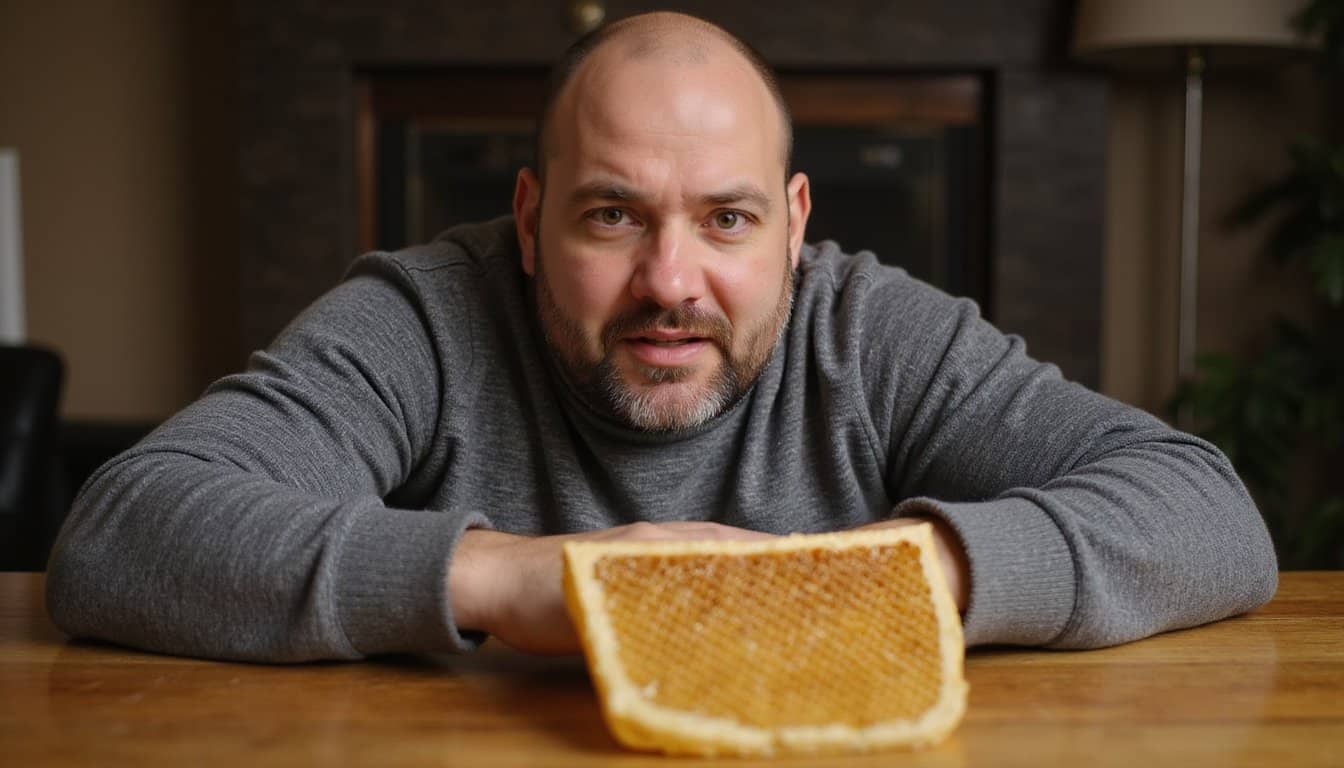
Though trypophobia has exploded across social media feeds and online forums, it’s technically classified as an aversion to clustered hole patterns rather than a true phobia. You’ll experience disgust rather than fear when confronted with honeycombs, lotus seed pods, or sea sponges, a distinction that places this condition among goofy phobias that challenge traditional diagnostic categories.
Research in humor psychology reveals why funny phobias like trypophobia capture public attention: the triggers seem mundane yet provoke intense reactions. You might notice goosebumps, nausea, or skin-crawling sensations when viewing repetitive hole patterns in strawberries or showerheads. Studies indicate 67.2% of affected individuals report itchiness, while 45.6% feel embarrassed by their responses. Despite its viral popularity, trypophobia causes genuine functional impairment in daily activities. In extreme cases, this condition can lead to depression, increased stress, and even insomnia that significantly disrupts a person’s quality of life. Some researchers believe trypophobia may have developed as an evolutionary response to protect humans against dangerous animals or diseases associated with hole-like patterns.
Hippopotomonstrosesquippedaliophobia: The Cruelest Phobia Name
You’re looking at a phobia whose name itself embodies the very fear it describes, hippopotomonstrosesquippedaliophobia, the fear of long words. The term evolved from the simpler “sesquipedalophobia” when additional Greek roots were deliberately added to make the name more intimidating, creating what’s now the longest phobia entry in dictionaries. Research indicates this condition frequently originates from childhood trauma, particularly instances where you’ve experienced ridicule or embarrassment after mispronouncing complex words in school settings. When triggered, sufferers may experience panic attacks along with physical symptoms like trembling, nausea, and rapid heartbeat at the mere sight of lengthy words. Treatment options include exposure therapy and cognitive behavioral therapy to help individuals gradually overcome their anxiety around complex vocabulary.
Origin of the Name
The word hippopotomonstrosesquippedaliophobia wasn’t born in a clinical setting, it emerged from deliberate linguistic exaggeration. American poet Aimee Nezhukumatathil coined it in 2000 for literary effect, building upon Horace’s first-century BCE phrase sesquipedalia verba, which criticized overly long words. The base term sesquipedalophobia would’ve sufficed, but linguistics enthusiasts extended it intentionally.
You’ll notice the construction violates standard phobia naming conventions through ad hoc prefixes. The “hippo-” derives from Greek for “horse,” while “monstro-” stems from Latin monstrum, meaning something terrifyingly huge. These additions serve no diagnostic purpose, they’re pure wordplay. The resulting monstrosity contains 15 syllables, making it one of the longest words in the English language. The complete term stretches to 36 letters, cementing its status as a dictionary giant.
The earliest printed citation appeared in The Northern Echo on December 14, 2002. Unlike clinical terminology, this term functions exclusively as ironic humor, never entering serious psychiatric discourse.
School Trauma Triggers Fear
Beyond its linguistic absurdity, hippopotomonstrosesquippedaliophobia represents a genuine anxiety response rooted in childhood educational experiences. When you’re forced to read aloud in class and stumble over complex vocabulary, that humiliation can create lasting psychological imprints. School trauma associated with word pronunciation often triggers the phobia’s development.
Research indicates that learning disabilities like dyslexia greatly increase susceptibility. If you struggled to decode lengthy words during formative years, your brain may have encoded panic responses that persist into adulthood. These childhood experiences shape how you process written language emotionally. Genetic factors and family history of anxiety disorders may also contribute to developing this phobia.
The academic consequences prove substantial. You might avoid reading assignments, experience declining grades, and withdraw from peer interactions to prevent embarrassment. Without intervention, this avoidance behavior compounds educational deficits and reinforces the underlying anxiety disorder. Fortunately, exposure therapy is often the most effective treatment approach for overcoming this fear of long words.
Arachibutyrophobia: When Peanut Butter Becomes a Nightmare

You might find it hard to believe that peanut butter could trigger genuine panic attacks, but arachibutyrophobia, the fear of peanut butter sticking to the roof of your mouth, causes real distress for those affected. This specific phobia centers on the sticky sensation rather than the food itself, often originating from traumatic choking experiences or negative associations formed during childhood. The condition creates significant social eating challenges, as sufferers must navigate situations where peanut butter appears in lunches, snacks, and social gatherings. Physical symptoms can include nausea, dizziness, and sweating, along with an increased heart rate when confronted with the feared substance. Treatment options like exposure therapy can help individuals gradually confront their fear in a controlled environment and reclaim their relationship with this common food.
The Sticky Sensation Fear
While peanut butter ranks among America’s most beloved foods, arachibutyrophobia transforms this everyday spread into a source of genuine terror. You might categorize this among silly phobias or ridiculous phobias, yet the clinical presentation proves otherwise. This condition triggers measurable physiological responses when you encounter peanut butter’s adhesive texture against your palate.
| Symptom Category | Manifestation | Severity Indicator |
|---|---|---|
| Physical | Trembling, nausea, tachycardia | Moderate to severe |
| Psychological | Catastrophic ideation, panic | Clinically significant |
| Behavioral | Complete food avoidance | Functionally impairing |
Though it appears on lists of funniest phobias, you’ll experience real distress if affected. The fear stems specifically from the sticky sensation, not the food itself, distinguishing it from general food aversions. Even when working well as a team, mental health professionals must coordinate through various communication channels to help patients overcome this unusual but legitimate phobia. Treatment approaches include cognitive behavior therapy and gradual desensitization through exposure therapy, which help patients systematically confront their fear in controlled settings.
Origins of This Phobia
The development of arachibutyrophobia typically traces back to formative experiences during childhood, particularly incidents involving choking or gagging on sticky substances. You might dismiss this as one of the dumbest phobias, but research indicates genuine neurological conditioning occurs during these traumatic events.
Your brain creates lasting associations between the sticky palate sensation and perceived danger. Genetic predisposition, environmental factors, and pre-existing anxiety disorders contribute to this fear’s development. Family history of phobias increases your susceptibility substantially. Additionally, observing others react fearfully to peanut butter can trigger learned behavior that reinforces the phobia.
While arachibutyrophobia ranks among funny irrational fears to outsiders, the psychological mechanisms mirror those of clinically recognized specific phobias. Learned fear responses become deeply embedded through negative reinforcement. You’re not choosing this reaction, your nervous system triggers it automatically based on past conditioning and hypersensitivity to oral tactile sensations. Exploring uncommon fears can be fascinating, leading many to wonder what are the top 10 rarest phobias that people experience. These unique phobias can sometimes stem from unusual life events or environmental factors that aren’t immediately recognized by the individuals affected. Understanding these rare conditions can shed light on the vast spectrum of human psychology and the diverse nature of fear itself.
Social Eating Challenges
Beyond its psychological origins, arachibutyrophobia creates significant obstacles during communal dining experiences. You’ll find yourself avoiding restaurants, potlucks, and family gatherings where peanut butter-containing dishes might appear. This avoidance behavior extends beyond personal preference, it represents a clinical response pattern that disrupts social functioning.
Research indicates social eating challenges manifest through specific behavioral patterns:
- You preemptively decline invitations to events where peanut butter foods are served
- You experience heightened vigilance when scanning menus or buffet tables for potential triggers
- You develop elaborate excuse mechanisms to mask your avoidance from peers
These compensatory behaviors often lead to social isolation and relationship strain. Children particularly struggle, as school lunches and birthday parties frequently feature peanut butter products, creating repeated exposure to anxiety-provoking situations.
Globophobia: Why Birthday Parties Are the Enemy

Few phobias disrupt childhood celebrations quite like globophobia, the persistent, irrational fear of balloons. You might find this fear triggers intense physiological responses, including rapid breathing, palpitations, trembling, and gastrointestinal distress. The condition must persist for a minimum of six months and interfere with daily functioning to meet diagnostic criteria. Another similar condition is the irrational fear of long words, which can hinder a child’s ability to participate in language-focused activities. Those affected may experience anxiety when faced with lengthy texts or when asked to read aloud in class. Understanding these fears is crucial for supporting children in overcoming their challenges, ensuring that they can engage fully in their education and social interactions.
The primary trigger typically involves phonophobia, specifically, the loud popping sound that resembles a gunshot. However, you can also experience anxiety from the sight, touch, smell, or even the thought of balloons. Squeaking sounds during inflation heighten distress in predisposed individuals.
Childhood trauma often underlies this phobia, such as a balloon bursting unexpectedly in your face. Treatment protocols align with general anxiety interventions, including exposure therapy and hypnotherapy, which address the root traumatic associations systematically. Gradual desensitization techniques involve progressing from viewing pictures of balloons to eventually holding inflated ones. Oprah Winfrey has publicly discussed her struggle with globophobia, helping to raise awareness about this often-misunderstood condition.
Omphalophobia: Belly Buttons Are Not Your Friend
Clinical research identifies these primary etiological factors:
Research has uncovered key underlying causes that contribute to the development of this specific phobia.
- Traumatic childhood experiences involving navel injury or inappropriate touching
- Irrational belief that internal organs could “spill out” through the navel
- Perception of the belly button as inherently unsanitary or contaminated
Evidence-based treatments include cognitive-behavioral therapy and gradual exposure protocols. You should recognize that avoidance behaviors reinforce phobic responses, making active therapeutic intervention essential for symptom resolution.
Chaetophobia: The Hair Phobia You Never Knew Existed
Hair triggers disgust in approximately 2-3% of individuals with specific phobias, yet chaetophobia remains one of the least recognized anxiety disorders in clinical literature. Derived from Greek “khaite” (loose flowing hair), this condition manifests as intense, irrational fear toward human or animal hair, whether attached, loose, or excessive.
You’ll experience physiological responses including tachycardia, diaphoresis, and trembling upon exposure. The etiology typically involves traumatic experiences or germaphobia associations.
| Complication | Prevalence |
|---|---|
| Panic attacks | 40% |
| Avoidance behaviors | 35% |
| Anxiety disorders | 25% |
| Social isolation | 20% |
Evidence-based treatments include cognitive behavioral therapy and systematic desensitization. You’re gradually exposed to hair stimuli under clinical supervision, challenging maladaptive thought patterns while developing effective coping mechanisms.
Why Your Brain Creates Phobias That Sound Absurd
When your brain flags a harmless button or a piece of string as a mortal threat, it’s not malfunctioning, it’s overperforming an ancient survival system. Your amygdala hyperactivates during fear conditioning, triggering panic responses disproportionate to actual danger. Classical conditioning then generalizes these reactions, one negative experience extends to entire categories of stimuli.
Three key mechanisms drive absurd-seeming phobias:
- Evolutionary overgeneralization: Your threat-detection circuits err toward caution, creating fears from overly broad protective instincts.
- Avoidance reinforcement: When you avoid triggers, you prevent habituation, intensifying the phobia over time.
- Cognitive distortions: Your brain maintains irrational fears despite conscious awareness they’re unfounded.
Neuroimaging confirms these patterns aren’t character flaws, they’re measurable brain activation differences that evidence-based treatments like CBT can modify.
Yes, These Phobias Sound Silly-But They’re No Joke
Though their names might prompt laughter, phobias like arachibutyrophobia and globophobia produce measurable physiological stress responses identical to those triggered by more “serious” fears. Your amygdala doesn’t distinguish between a balloon’s pop and a genuine threat, it activates the same cortisol surge and elevated heart rate regardless.
Clinical documentation supports this reality. The 2013 British Medical Journal article on globophobia and the 2018 Frontiers in Psychiatry report on trypophobia demonstrate these conditions cause significant functional impairment. You’ll find patients avoiding social situations, struggling with daily grooming, or abandoning career paths due to unavoidable triggers.
The disconnect between a phobia’s perceived absurdity and its clinical severity reveals an important truth: your brain’s fear circuitry operates independently of rational assessment. Dismissing these conditions trivializes genuine suffering.
How People Overcome Phobias That Sound Fake
How do clinicians treat fears that others dismiss as absurd? You’ll find that evidence-based interventions work regardless of how unusual your phobia appears. Treatment protocols don’t discriminate based on perceived legitimacy.
Exposure therapy remains the gold-standard intervention. You’re gradually introduced to feared stimuli through imaginal and in vivo techniques until your anxiety response diminishes. CBT helps you identify and restructure catastrophic thinking patterns driving your phobic reactions.
Exposure therapy works because facing your fears, not avoiding them, rewires how your brain responds to anxiety triggers.
Three core treatment components include:
- Systematic desensitization progressing from least to most anxiety-provoking scenarios
- Cognitive restructuring to develop balanced perspectives about feared situations
- Medication management (SSRIs, beta-blockers) to facilitate tolerance during exposure
Research demonstrates that addressing avoidance behaviors matters more than uncovering phobia origins. Combined therapeutic approaches yield superior outcomes, enabling you to restore functional quality of life.
Frequently Asked Questions
Can Children Outgrow Funny-Sounding Phobias Without Professional Treatment or Therapy?
You can expect most children to outgrow typical developmental fears naturally through cognitive and social skill acquisition. However, you shouldn’t assume funny-sounding phobias will resolve without intervention. Evidence contradicts the notion that children automatically outgrow anxiety problems. If your child’s phobia limits normal behavior and functioning, it likely won’t diminish spontaneously. Research indicates untreated specific phobias can persist into adulthood, potentially developing into anxiety disorders, mood disorders, or substance use disorders.
Are People With Unusual Phobias More Likely to Develop Additional Phobias?
Yes, you’re more likely to develop additional phobias if you already have one. Research demonstrates that a higher number of fears positively correlates with meeting specific phobia diagnostic criteria and increases your probability of developing another anxiety disorder. You’ll also face greater psychiatric comorbidity risk. Neurobiological factors contribute, you may exhibit exaggerated fear conditionability and poor extinction learning, which maintains existing phobias while predisposing you to acquiring new ones.
Do Unusual Phobias Run in Families or Have Genetic Components?
Yes, unusual phobias do have genetic components. Twin studies demonstrate specific phobias show approximately 30% heritability, though this varies considerably by phobia type (0-71%). You’ll find animal and blood/injury fears exhibit the highest genetic influence. Researchers have identified linkage to chromosome 14p for specific phobias, and variations in serotonin transporter genes affect your fear response intensity. However, genetics don’t determine destiny, environmental experiences account for the remaining variance.
Can Funny Phobias Suddenly Develop in Adulthood Without Any Triggering Event?
Yes, you can develop specific phobias suddenly in adulthood without identifiable triggers. Research indicates that specific phobias typically emerge in adolescence or adulthood, often appearing spontaneously without warning. You’re particularly susceptible between ages 15 and 25, though onset remains possible throughout life. Neurobiological changes affect your fear response as you age, you’ll produce less adrenaline, yet you may become more vulnerable to certain fears, including those considered unusual or humorous.
Are Unusual Phobias More Common in Certain Cultures or Geographic Regions?
You’ll find phobia prevalence varies considerably across cultures and regions. Research shows the US reports higher specific phobia rates (12.5% lifetime) compared to Europe’s median of 1.8%. Asian cultures demonstrate lower social anxiety rates (0.4% in Taiwan), while Russian samples reach 44.2%. These differences likely reflect cultural diagnostic thresholds, assessment tool variations, and societal acceptance of certain behaviors rather than actual differences in unusual phobia occurrence across populations.