




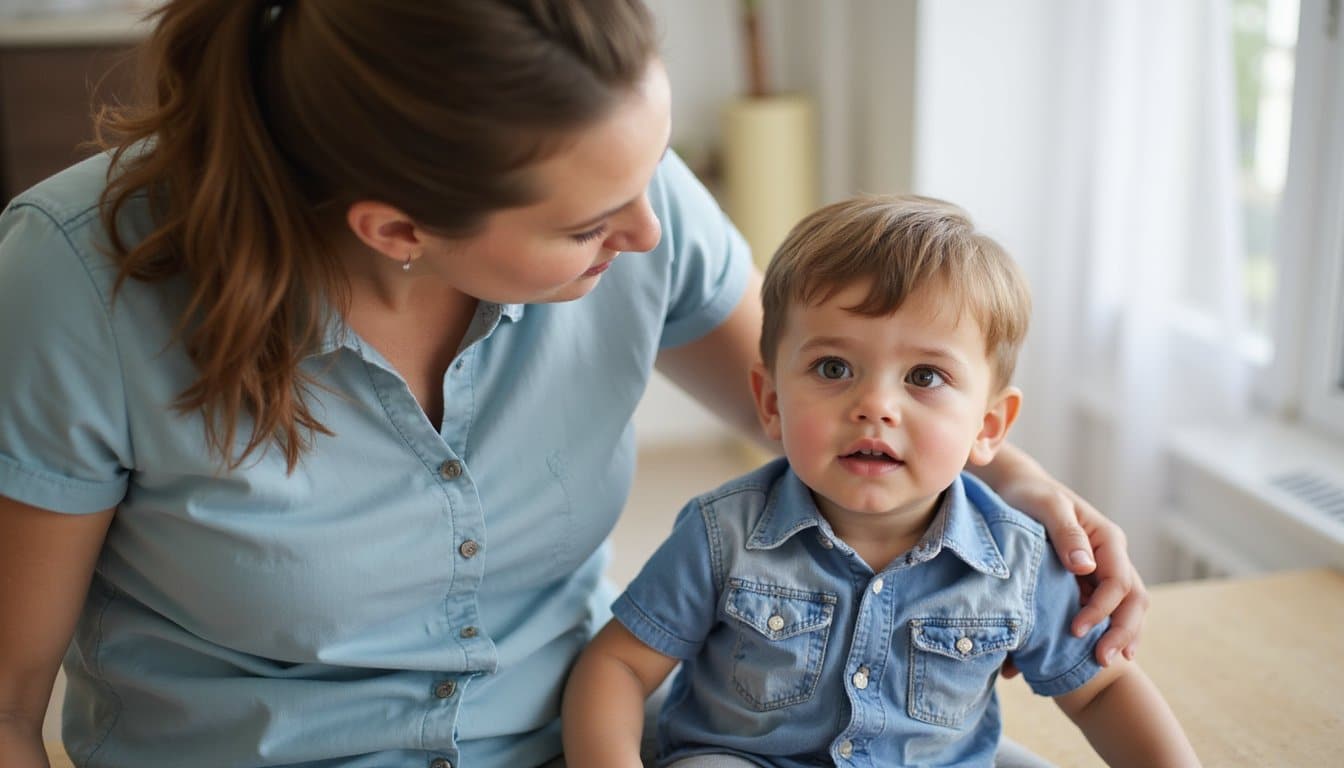











Your attachment style reflects emotional bonding patterns shaped by early caregiver interactions. Secure attachment allows you to balance intimacy with independence and communicate needs directly. Anxious attachment drives excessive reassurance-seeking due to abandonment fears. Avoidant attachment creates emotional distance and discomfort with closeness. Disorganized attachment combines conflicting desires for connection with fear of vulnerability, often rooted in unresolved trauma. Understanding which pattern influences your relationships can reveal pathways toward healthier connections.
What Are Attachment Styles?

Attachment styles refer to patterns of emotional bonding that develop during childhood and carry forward into adult relationships. These patterns emerge from your early interactions with primary caregivers and shape your expectations about intimacy, trust, and emotional availability in others.
Research identifies four distinct attachment styles: secure attachment, anxious attachment, avoidant attachment, and disorganized attachment. Each style reflects internal working models, cognitive frameworks comprising beliefs about your self-worth and the dependability of others during stressful situations. These internal working models form a template for future relationships, influencing partner selection and relationship dynamics throughout life.
Your attachment style influences how you seek closeness, respond to rejection, and regulate emotions within relationships. Those with secure attachment demonstrate comfort with intimacy and independence. Anxious attachment involves heightened reassurance-seeking, while avoidant attachment reflects emotional distance. Disorganized attachment combines conflicting desires for closeness alongside fear of vulnerability. Individuals with disorganized attachment often have a history of unresolved trauma or abuse from their early caregiving experiences. Mary Ainsworth developed the Strange Situation Procedure to identify these distinct attachment patterns in infant-caregiver pairs.
Where Your Attachment Style Comes From
Your attachment style develops primarily through your early bonds with caregivers during the first 18 months of life. Research shows that parents often transmit their own attachment patterns to their children through consistent caregiving behaviors, creating an intergenerational cycle. Additionally, strict or emotionally unavailable parenting can disrupt secure attachment formation, leading children to develop insecure attachment styles as adaptive responses.
Early Childhood Caregiver Bonds
Before you can understand your current relationship patterns, you’ll need to look back at where they originated, the bond between you and your earliest caregivers.
Secure attachment formation occurs when caregivers consistently respond to your physical and emotional needs with warmth and reliability. This responsive care creates a secure base, enabling you to explore your environment while trusting that comfort remains available.
Conversely, insecure attachment development emerges when caregivers are unavailable, unpredictable, or unable to meet your emotional needs consistently. These early disruptions affect your capacity for trust and shape lasting internal working models.
Key caregiver behaviors that influence attachment include prompt responsiveness, physical affection like hugging, interactive play, and emotional attunement. Research demonstrates that these daily interactions directly shape your nervous system’s stress responses and relational expectations throughout life.
Parental Attachment Pattern Inheritance
While early caregiving experiences shape attachment development, research reveals that your attachment style also has a significant genetic component, approximately 36% heritability in adults, rising to 51% for parent-specific attachment patterns. Nonshared environmental factors account for the remaining 64% of variance.
Beyond genetic heritability, epigenetic transmission plays an essential role. Secure attachment correlates with distinct DNA methylation patterns in immune and cognitive genes, observable in infants as young as three months. Maternal care triggers epigenetic modifications to stress response genes that may persist throughout your lifetime.
Intergenerational pattern matching demonstrates 55% exact agreement between infant and adult maternal working model categories. Studies of 239 mother-child dyads confirm that children’s attachment patterns directly relate to their mothers’ attachment to their own mothers.
Strict Caregiving Style Effects
Because caregiving quality directly shapes attachment development, strict or harsh parenting practices produce distinct attachment outcomes that persist into adulthood. When you experience emotionally unavailable or low-sensitivity caregiving, you’re more likely to develop avoidant attachment symptoms. This pattern emerges because strict caregivers often prioritize control over emotional responsiveness, teaching you that your needs won’t be met reliably.
Among the different attachment styles, strict parenting correlates strongly with insecure patterns. You learn to suppress emotional expression and avoid intimacy as protective mechanisms. Research shows that neglectful parenting with low warmth directly impairs your ability to trust others.
Understanding attachment style types helps you recognize how strict caregiving affects your relational tendencies. These early experiences create lasting templates for relationships, though they’re not permanent or diagnostic conditions.
Secure Attachment: The Foundation of Healthy Connection
Secure attachment represents the most adaptive relational pattern, characterized by an individual’s ability to form close bonds without experiencing excessive anxiety or avoidance. Among the four attachment styles, this pattern develops when caregivers consistently provide emotional responsiveness and establish a safe base for exploration.
You’ll recognize secure attachment through comfort with intimacy, trust in partners, and open emotional expression. Unlike unhealthy attachment styles, you can communicate needs directly and approach conflict without defensiveness or personal attacks.
Research on the 4 attachment styles shows securely attached individuals demonstrate empathetic responses, validate partner emotions, and seek compromise during disagreements. You’re able to maintain independence while building meaningful connections. This foundation enables you to establish clear boundaries, make genuine commitments, and process relationship experiences with resilience before forming new bonds.
Anxious Attachment: When Fear of Abandonment Takes Over

If you find yourself repeatedly checking your phone for messages or seeking constant validation from your partner, you may be exhibiting hallmark behaviors of anxious attachment. This attachment style often manifests through hyperactivating strategies, including excessive social media monitoring of a partner’s activity and persistent requests for reassurance about the relationship’s stability. These patterns stem from an underlying fear of abandonment that drives you to seek external confirmation of your worthiness and your partner’s commitment.
Constant Reassurance Seeking
| Pattern | Short-Term Effect | Long-Term Effect |
|---|---|---|
| Single reassurance request | Anxiety decreases | Doubt returns |
| Repeated requests | Brief soothing | Tolerance for uncertainty decreases |
| Chronic seeking | Momentary calm | Trust levels decline |
Studies show that women with anxious attachment experience reduced next-day trust following their own reassurance-seeking behavior, paradoxically intensifying the very fears they’re trying to resolve.
Social Media Overuse
The same reassurance-seeking patterns that erode trust in close relationships often extend into digital spaces, where anxiously attached individuals face heightened risks for problematic social media use. Research involving over 12,000 adolescents demonstrates that social media use exceeding three times daily predicts poor mental health outcomes, with anxious attachment amplifying these effects. Studies show you may turn to online platforms seeking comfort and belonging, yet this behavior frequently becomes compulsive, displacing work, school, and social activities.
Social anxiety mediates the relationship between your attachment anxiety and problematic use. You’re more likely to experience Facebook-related jealousy, engage in electronic partner surveillance, and monitor your partner’s online interactions compulsively. Fear of missing out further drives overuse, while social comparison triggers platform fatigue, creating a cycle that undermines rather than fulfills your emotional needs.
Avoidant Attachment: Why Closeness Feels Uncomfortable
Avoidant attachment develops when primary caregivers consistently respond to a child’s emotional needs with rejection, neglect, or emotional unavailability. You learn early that expressing needs leads to disappointment, so you suppress them as protection against pain and abandonment.
When your needs were met with rejection, you learned to stop asking, not because you stopped needing, but to survive.
As an adult, you maintain a positive self-view while holding skeptical perceptions of others as unreliable. You prioritize independence and self-reliance over emotional intimacy. Research indicates you likely score higher in neuroticism and lower in extraversion compared to securely attached individuals.
You employ deactivating strategies to suppress emotions like fear, sadness, and shame. Your dlPFC becomes overstimulated, creating emotional numbing and cognitive distancing. You may appear calm externally while experiencing hidden physiological stress reactions.
In relationships, you keep partners at emotional distance, avoid vulnerability, and prefer shallow interactions over deep connection.
Disorganized Attachment: The Push-Pull of Fear and Need

While avoidant attachment involves consistent emotional distancing, disorganized attachment presents a more complex pattern where you simultaneously fear both abandonment and intimacy. This creates a push-pull dynamic where you seek closeness, then withdraw when it’s offered.
Disorganized attachment typically develops from inconsistent, traumatic, or abusive caregiving experiences. When caregivers become sources of fear rather than safety, you lack a coherent strategy for managing relationships.
In adult relationships, you may alternate between intimacy-seeking behaviors and avoidant responses like withdrawal or the silent treatment. You might cling for reassurance, then become hostile when vulnerability increases. This pattern leads to unstable partnerships marked by frequent conflicts and emotional volatility.
You may struggle with trust, experience low self-esteem, and perceive partners as unpredictable, often expecting rejection despite desiring connection.
Signs You’re Secure, Anxious, Avoidant, or Disorganized
Recognizing your attachment style requires honest self-reflection about how you typically respond in close relationships. If you’re securely attached, you communicate openly, tolerate intimacy comfortably, and resolve conflicts calmly. You balance closeness with autonomy without significant distress.
If you’re anxiously attached, you frequently seek reassurance, worry about rejection, and overanalyze your partner’s behavior. Separations trigger emotional reactivity, and you’re preoccupied with relationship security.
Avoidant attachment manifests as discomfort with vulnerability, preference for independence, and reluctance to discuss emotions. You minimize the importance of close bonds and prioritize self-reliance.
Disorganized attachment presents as contradictory patterns, you alternate between pursuing and withdrawing from intimacy. You fear both abandonment and engulfment, struggle with trust, and experience emotional dysregulation rooted in unresolved trauma responses.
What Your Attachment Style Means for Your Love Life
Your attachment style shapes how you experience romantic relationships, from partner selection to conflict resolution. Research shows secure attachment correlates positively with relationship satisfaction (r = .262), while anxious and avoidant styles correlate negatively (r = -.229 and r = -.180, respectively).
If you’re securely attached, you’re more likely to experience interdependence, trust, and commitment. You’ll navigate conflicts with greater emotional regulation and report more frequent positive emotions.
With anxious attachment, you may fall in love easily but struggle with persistent doubts and validation-seeking. Conflict often triggers demanding behaviors and heightened cortisol levels.
Avoidant attachment reduces your likelihood of intimate relationships (OR = 0.953). You may respond to conflict through withdrawal and emotional distancing.
Disorganized attachment predicts lower intimacy, trust, and satisfaction, often mediated by emotion dysregulation from early trauma.
Can You Change Your Attachment Style?
How fixed is your attachment style, really? Research indicates attachment patterns remain relatively stable but are not permanent. Approximately 30 percent of individuals experience shifts in attachment style over their lifetime, and longitudinal studies demonstrate that anxious attachment tends to decrease with age.
Neuroplasticity enables what researchers term “earned secure attachment” in adulthood. You can develop greater security through multiple pathways: psychotherapy consistently increases attachment security across various methodologies, including Emotionally Focused Therapy and trauma-focused CBT. Secure romantic partnerships also facilitate change by modeling healthy conflict resolution and reducing anxiety through behavioral reinforcement.
Self-awareness practices accelerate this process. Mindfulness enhances emotional regulation, while reflecting on positive relational experiences reshapes your internal working models. Change requires patience, but evidence confirms you’re not locked into insecure patterns permanently.
Emotional Wellness Is Within Your Reach
Understanding your emotions and relationships is an important part of living a healthier and more fulfilling life. At National Mental Health Support, we connect you with licensed mental health counselors who provide Individual Therapy that addresses your unique needs and guides you toward stronger relationships and a healthier mind. Call (844) 435-7104 today and take the first step toward a better and more fulfilling life.
Frequently Asked Questions
Can Two People With Anxious Attachment Styles Have a Successful Relationship Together?
Yes, you can have a successful relationship with another anxiously attached partner, though research indicates you’ll face significant challenges. Studies show dual anxious pairings often experience lower initial satisfaction, steeper declines over time, and heightened conflict due to mutual abandonment fears. However, attachment styles aren’t fixed. You can improve outcomes through therapy, developing self-awareness, practicing open communication, and building healthy boundaries. One partner’s growth toward security can buffer the relationship’s vulnerabilities.
How Does Social Media Use Differ Among the Four Attachment Styles?
Your attachment style considerably influences your social media behavior. If you’re securely attached, you’ll likely demonstrate moderate, non-compulsive usage with fewer addiction patterns. Anxious attachment correlates with the highest problematic use rates, you’re seeking reassurance and validation online, often driven by fear of missing out. Avoidant attachment shows minimal engagement and reduced relationship sharing on platforms. Research indicates ambivalent closed attachment exhibits the greatest addiction frequency among all styles.
Do Attachment Styles Change After Becoming a Parent?
Yes, your attachment style can shift after becoming a parent. Research shows you may experience increased attachment anxiety when your adolescent seeks independence and pulls away emotionally. Longitudinal studies demonstrate that you’ll likely show synchronized attachment changes with your co-parent over time. You can actively reshape your attachment patterns through psychoeducation, supportive romantic relationships, and therapeutic interventions that promote secure bonding with your children.
What Percentage of Couples Share the Same Attachment Style as Each Other?
Research shows that secure-secure pairings are most common, with 56.9% of Dutch couples both reporting secure attachment. However, matching rates decline considerably for insecure styles, only 2% of secure individuals have anxious partners, and 5% have avoidant partners. You’ll find that people tend to pair with partners who share similar attachment patterns, as the similarity hypothesis suggests this promotes better emotional understanding and relationship stability between you and your partner.
How Does Attachment Style Affect Loneliness and Feelings of Companionship?
Your attachment style greatly influences loneliness levels. If you’re securely attached, you’ll experience lower loneliness and stronger social connectedness (r = -0.29). Anxious attachment correlates positively with loneliness (r = 0.32) due to abandonment fears. Avoidant attachment shows the strongest association with loneliness (r = 0.50), as emotional distancing reduces companionship. Disorganized patterns also elevate isolation vulnerability. Understanding your attachment tendencies can help you address relational barriers affecting your sense of connection.