














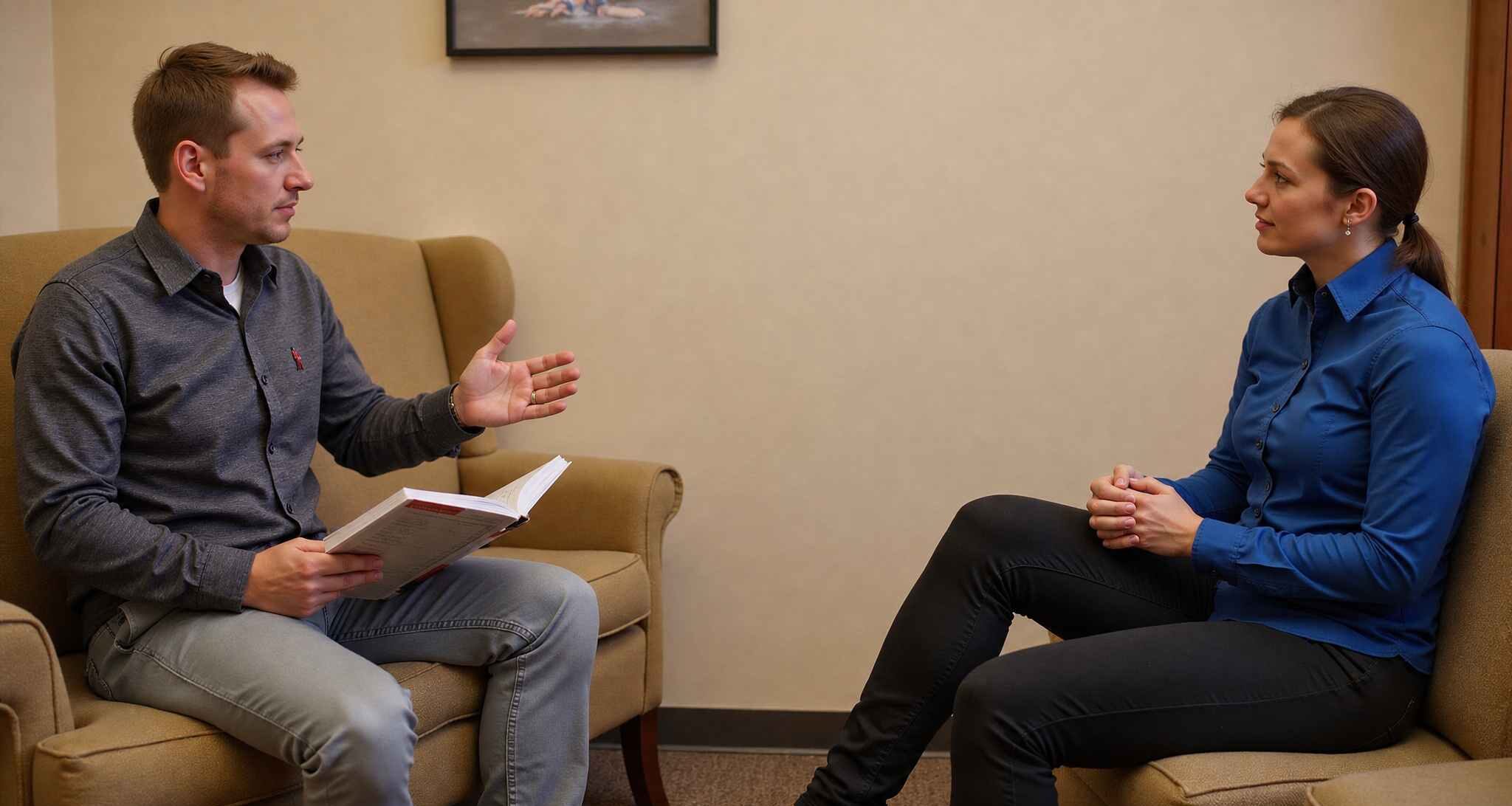

Between therapy sessions, you can strengthen your emotional health with these seven proven emotional health resources: journaling prompts that help you identify triggers and process feelings, quick mindfulness exercises like the 4-7-8 breathing method, therapist-recommended self-care routines, daily practice of therapy skills, reflection techniques to reinforce session insights, strategies for when practice feels difficult, and supportive apps like Wysa or Calm. Each resource builds on what you’re learning in therapy, and the following sections break down exactly how to use them.
Journaling Prompts to Process Emotions Between Sessions

Between therapy sessions, journaling offers a powerful way to continue your emotional work and deepen self-understanding. Writing activates brain regions involved in emotional processing, helping you develop healthy coping mechanisms while reducing anxiety and depression symptoms.
Try these prompts to identify your triggers: “What emotions did I experience today, and what caused them?” or “Which emotion am I trying to avoid right now?” These questions support anger management strategies by creating space between you and intense feelings.
For deeper exploration, ask yourself: “If I were really honest, I’d admit that…” This penetrates surface-level thinking to access authentic emotions. Another powerful technique is the “why” deep dive, where you ask “why?” five times to uncover the root cause of what you’re feeling. Creating a visual emotional map can help you analyze relationships between different emotions and reveal patterns you might otherwise miss.
Commit to just a few minutes daily. Regular practice builds emotional awareness and transforms overwhelming feelings into manageable, tangible words you can process clearly.
Quick Mindfulness Exercises for Emotional Regulation
When overwhelming emotions surge between therapy sessions, quick mindfulness exercises offer immediate, science-backed relief. Research shows that just 10-15 minutes of focused breathing can substantially reduce emotional intensity and negativity. You’ll find that brief daily practice improves how you process and respond to difficult feelings.
Try the body scan technique, which research demonstrates produces the most consistent stress reduction by activating your parasympathetic nervous system. Studies show the body scan exercise produced statistically significant changes in all studied heart rate variability parameters compared to baseline. For acute moments, use the 4-7-8 breathing method: inhale for four counts, hold for seven, exhale for eight. These practices train you to notice and observe emotions simply as they are, accepting emotional reactions as they arise.
Combine these practices with emotion focused visualization and positive affirmation practice to strengthen results. Studies confirm that grounding exercises effectively anchor you in the present moment, reducing your stress response without requiring extensive training.
Self-Care Routines Therapists Actually Recommend

Mindfulness exercises provide powerful in-the-moment relief, but building consistent self-care routines creates a stronger foundation for emotional wellness throughout your week.
Therapists recommend incorporating sensory self-care into your stress management strategies. Sipping cool water or warm tea hydrates while soothing your nervous system. Lavender aromatherapy and candles create calming environments for dedicated self-care time.
Physical wellness directly supports emotional regulation techniques. Exercise for 20 minutes daily with your provider’s approval, take short walks, and maintain a regular sleep schedule. Eat mindfully without multitasking, and limit substances that affect mood stability. Many people can benefit from lowcost mental health services available in their community. These resources can provide essential support and guidance for managing stress and anxiety.
Create a physical list of affirmations and therapy strategies with your therapist. Include prompts like “breathe, ground yourself, reframe thoughts” and “progress not perfection.” These collaborative reminders reinforce skills you’ve learned and keep therapeutic insights accessible when you need them most. Comprehensive mental health coverage options can provide essential support for individuals seeking therapeutic services. They ensure that a variety of treatments and strategies are accessible to foster emotional well-being.
Keeping a journal serves as an outlet for thoughts and feelings while also providing documentation of your progress to review during therapy sessions. Remember to attend therapy regularly, not just during moments of crisis, to maintain consistent support for your emotional well-being.
How to Practice Therapy Skills in Daily Life
You can strengthen your emotional well-being between sessions by incorporating simple yet powerful practices into your everyday routine. Daily breathing exercises help you stay grounded and present, while actively challenging negative thought patterns builds resilience against anxiety and low mood. Keeping a thought journal allows you to reflect on helpful versus distorted thoughts and recognize patterns that may be affecting your mood. Practicing small acts of kindness can reinforce your sense of community and connection with others. These skills become more effective with consistent practice, gradually transforming how you respond to life’s stressors.
Daily Breathing Technique Practice
Although therapy sessions provide valuable guidance and support, the real transformation happens when you practice what you’ve learned in your everyday life, and breathing techniques offer one of the most accessible ways to do this. Research shows that respiratory exercise regimens considerably reduce stress and anxiety, with 54 of 72 breathing interventions demonstrating measurable benefits. Deep breathing sends signals to your brain that help calm down and relax, which then translates messages throughout your body to reduce tension. Alternate nostril breathing, known as Anulom Vilom in yogic practice, can help bring about harmony and enhance focus while calming emotions.
Consider incorporating these evidence-based techniques into your daily routine:
- Practice 4-7-8 breathing before bed to boost melatonin and improve sleep quality
- Use box breathing during stressful moments to lower blood pressure and heart rate
- Extend your exhales longer than inhales to activate your parasympathetic nervous system
- Attend breathing meditation classes to deepen your practice with guided instruction
These simple practices reinforce therapeutic progress between appointments.
Challenging Negative Thought Patterns
Just as breathing techniques help regulate your body’s stress response, learning to challenge negative thought patterns gives you powerful tools for managing your mind’s automatic reactions.
Cognitive flexibility develops when you practice questioning automatic thoughts between sessions. Start with reality testing exercises: When you notice a distressing thought, ask yourself what evidence supports it and what contradicts it. Consider what you’d tell a friend in the same situation.
Thought records offer a structured approach, write down the situation, your emotional response, and balanced alternatives. Research shows these techniques help 60-80% of people with depression and anxiety. Socratic questioning allows you to talk back to your thoughts, helping you examine their validity and develop more balanced perspectives.
You’ll also benefit from decatastrophizing, which shifts your focus from worst-case scenarios to likely outcomes. By considering more realistic outcomes, you can reduce anxiety and maintain a balanced perspective on challenging situations. These daily practices build lasting skills that complement your therapy work.
Reflection Techniques to Lock in Session Insights

Therapy sessions often spark powerful realizations, but these insights can fade quickly without intentional effort to preserve them. Integrating session insights requires deliberate practice that extends your therapist client collaboration beyond the office.
Try these reflection techniques to anchor your progress:
- Journal about lingering emotions or questions immediately after your session while they’re fresh.
- Practice content reflection by paraphrasing what you discussed to confirm your understanding.
- Connect your feelings to specific session content, for example, noting “I felt anxious when discussing boundaries.”
- Use meaning reflection to explore deeper patterns you’ve noticed about yourself.
These approaches help you process experiences, gain clarity, and identify recurring themes. Embracing multiple perspectives on your situation, rather than black-and-white thinking, can deepen your understanding of both problems and potential solutions. Processing emotions as they occur through journaling or mindfulness practices helps prevent an emotional backlog that can hinder your progress. You’ll arrive at your next session with sharper awareness and concrete observations to build upon.
What to Do When Between-Session Practice Feels Hard
When motivation dips and your between-session homework feels like another burden on your to-do list, you’re not alone, research shows that limited client engagement appears in over 15% of therapy sessions.
Overcoming motivation barriers starts with honest communication. Tell your therapist when assignments feel overwhelming, this isn’t failure, it’s valuable feedback that strengthens your therapeutic alliance. Studies show that expressing concerns about relevance or skill mastery is a distinct type of engagement challenge that therapists can address directly.
Developing accountability practices works best through collaboration. Your therapist can help you anticipate obstacles before they derail progress. Together, you’ll identify what’s blocking engagement and adjust accordingly.
Remember that struggling with homework doesn’t mean therapy isn’t working. Research indicates that therapist facilitative skills profoundly impact your ability to complete between-session work. Ask for modifications, break tasks into smaller steps, and explore what makes practice feel manageable for your specific situation.
Books, Apps, and Podcasts for Mental Health Support
When therapy sessions end, you don’t have to navigate your mental health journey alone, the right resources can reinforce what you’re learning and keep momentum going. Evidence-based apps like Headspace and Moodpath offer real-time support through guided meditation and CBT techniques, while books such as *Feeling Good* by David Burns provide structured exercises you can practice at your own pace. Pairing these tools with your therapy work helps bridge the gap between sessions and strengthens the skills you’re building.
Top Mental Health Apps
Consider these evidence-based options:
- Talkspace, licensed therapist access via secure messaging and video
- Calm, guided relaxation for stress and insomnia
- Wysa, 24/7 AI coaching using CBT techniques
- Headspace, mindfulness training with personalized AI support
Recommended Therapeutic Reading
Books, apps, and podcasts offer powerful tools for continuing your mental health work outside therapy sessions. The right resources reinforce therapeutic frameworks you’re learning and help you practice CBT techniques independently. When preparing for a professional meeting, it can be helpful to consider the questions to ask during a consultation. This approach not only clarifies your goals but also enhances your understanding of the services provided.
Consider these evidence-based options based on your needs:
| Focus Area | Book Title | Key Benefit |
|---|---|---|
| Depression | *Feeling Good* by David Burns | Challenges cognitive distortions |
| Anxiety | *Mind Over Mood* by Greenberger & Padesky | Practical worksheets for daily use |
| Trauma | *What My Bones Know* by Stephanie Foo | Validates complex PTSD experiences |
*Retrain Your Brain* by Seth Gillihan provides a structured 7-week plan with real-life scenarios. If you’re processing difficult emotions, Lost Connections by Johann Hari explores depression’s root causes and offers meaningful recovery strategies.
Frequently Asked Questions
How Do I Know if I Need More Support Than Between-Session Resources Provide?
You might need more support if your symptoms aren’t improving after the first few therapy sessions, you’re experiencing worsening symptoms between appointments, or between-session resources feel insufficient for managing daily challenges. Evaluating personal needs honestly helps you recognize when self-help tools aren’t enough. If you’re struggling with severe symptoms or a complex diagnosis, identifying professional support options, like increasing session frequency or exploring additional interventions, can help you make meaningful progress toward recovery.
Should I Tell My Therapist About the Resources I’m Using Independently?
Yes, you should share the resources you’re using independently with your therapist. The reasons to disclose include helping your therapist understand your full support system and tailor recommendations to complement what you’re already doing. Potential benefits of disclosing include faster progress, better-aligned assignments, and receiving feedback on whether your chosen resources support your therapeutic goals. This open communication strengthens your collaboration and guarantees everything works together effectively.
Can Between-Session Practices Ever Interfere With My Therapy Progress?
Yes, between-session practices can sometimes interfere with your progress. When emotional regulation techniques don’t align with your therapist’s approach or your specific needs, they may work against your treatment goals. Self reflection considerations matter here, practices that aren’t tailored to you might not address your unique symptoms effectively. That’s why sharing what you’re doing independently helps your therapist adjust recommendations, ensuring everything works together to support your healing journey.
How Much Time Should I Spend on Between-Session Work Each Day?
You’ll benefit most from spending 10-20 minutes daily on between-session work, though starting with just 5-10 minutes prevents overwhelm. Your daily routine adjustments should feel sustainable, not burdensome. As you progress, you can tailor personalized wellness activities to match your needs, some days might call for brief journaling, others for mindfulness practice. Research shows consistent short practices boost therapy outcomes considerably. Talk with your therapist about what feels right for you.
What if the Emotions That Surface Between Sessions Feel Too Overwhelming to Handle?
When emotions feel too overwhelming between sessions, you’re not alone, this is a common experience during therapeutic work. Start with grounding techniques like mindfulness exercises to help regulate your nervous system in the moment. Emotional journaling can also help you process feelings in manageable doses rather than letting them build up. If intensity persists, reach out to your therapist, they can adjust your homework or teach additional coping strategies tailored to your needs.