




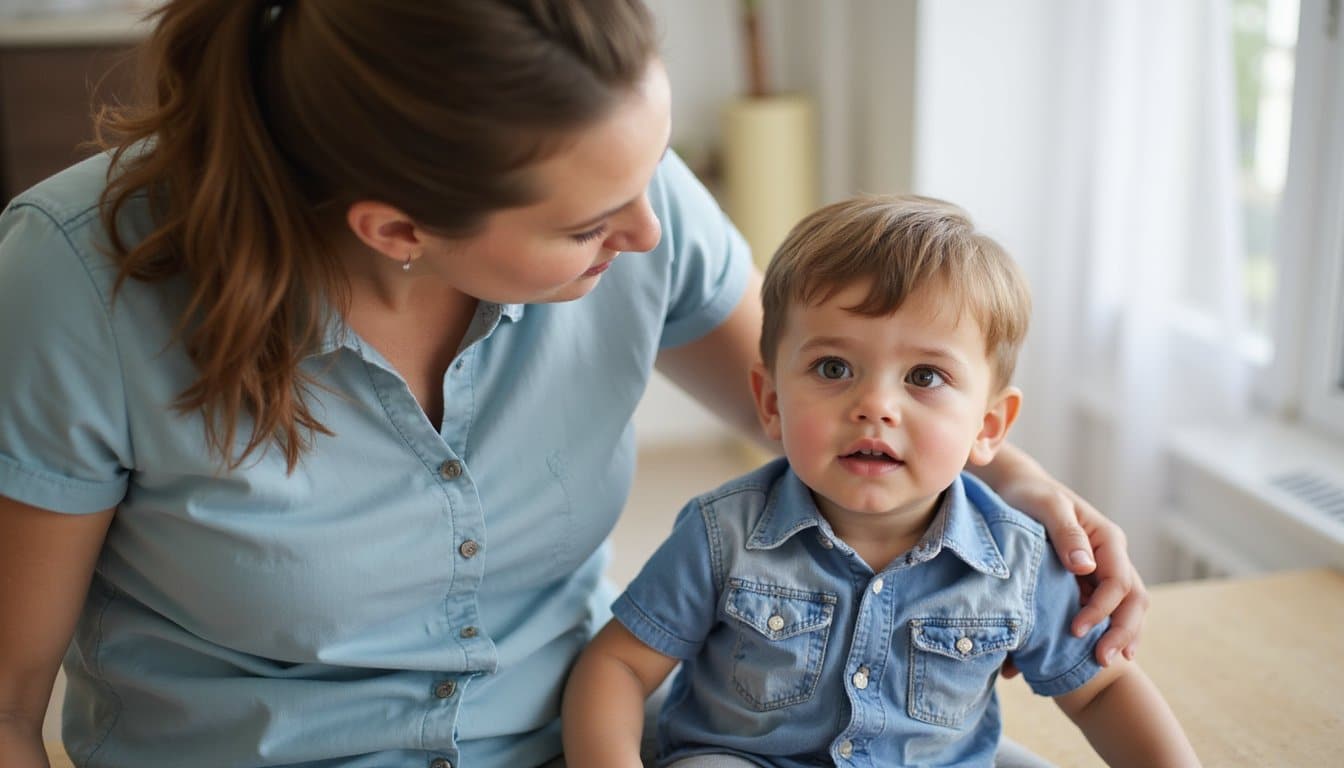











Attachment disorders develop when your child doesn’t receive consistent, responsive caregiving during their earliest years. The two main types, reactive attachment disorder (RAD) and disinhibited social engagement disorder (DSED), show up differently: RAD causes emotional withdrawal and resistance to comfort, while DSED leads to indiscriminate friendliness with strangers. These clinical conditions stem from neglect, abuse, or frequent caregiver changes and require professional treatment. Understanding the specific symptoms can help you identify when it’s time to seek support.
What Is an Attachment Disorder?
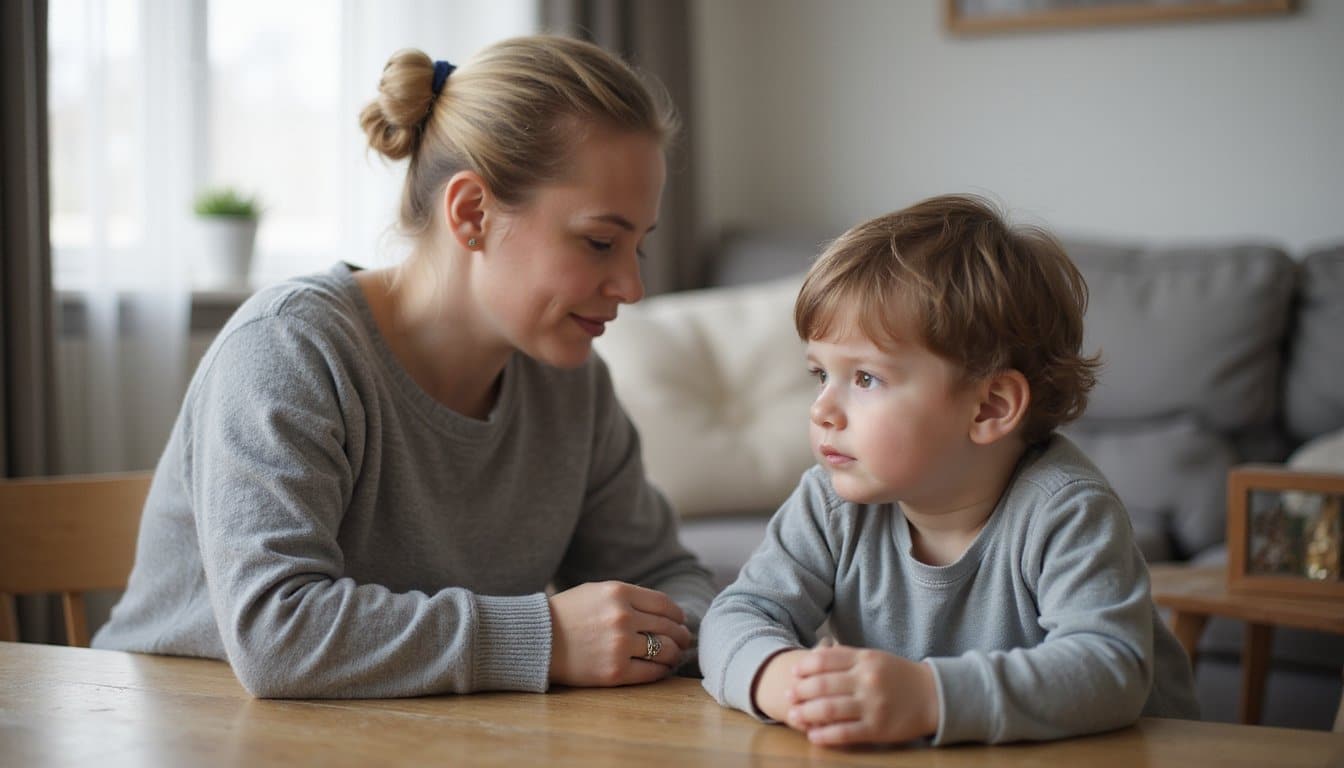
When a child’s earliest experiences with caregivers lack consistent nurturing, responsiveness, or stability, an attachment disorder can develop, a behavioral condition that profoundly shapes how they relate to others throughout life. According to attachment theory, these disorders emerge when neglect, abuse, or frequent caregiver changes occur between three months and three years of age, creating attachment trauma that disrupts normal social development.
Attachment disorders manifest as markedly disturbed social relatedness, affecting a child’s ability to form healthy emotional bonds. The two primary diagnoses, reactive attachment disorder and disinhibited social engagement disorder, both stem from attachment disruption and inconsistent caregiving. You’ll notice these children struggle with emotional regulation and trust issues, showing minimal responsiveness to others and limited positive affect. These early experiences also interfere with the development of internal working models that would normally guide healthy relationships later in life. This attachment dysfunction requires professional treatment to address.
Research indicates that reactive attachment disorder occurs in up to 1-2% of children, with significantly higher rates among those who have been removed from their homes and placed in alternative care settings. Children raised in institutional settings such as orphanages face particularly elevated risks due to limited opportunities for consistent one-on-one caregiver bonding.
Five Types of Attachment Disorders Explained
When you’re trying to understand attachment disorders, it helps to recognize that they fall into distinct categories with unique characteristics. Reactive Attachment Disorder (RAD) develops when you’ve experienced severe early neglect, leading to emotionally withdrawn behavior and difficulty seeking or accepting comfort from caregivers. Disinhibited Social Engagement Disorder (DSED), on the other hand, shows up as overly familiar behavior with strangers and a lack of appropriate caution around unfamiliar adults, both conditions stem from insufficient care during your earliest years.
Reactive Attachment Disorder
Reactive Attachment Disorder (RAD) develops in early childhood as a direct result of social neglect, maltreatment, or severe disruptions in caregiving, such as repeated foster care placements or prolonged institutional care. This attachment disorder in children stems from early childhood neglect that prevents the formation of healthy emotional bonds with caregivers.
RAD presents as the inhibited type, where you’ll observe emotional detachment and withdrawn behavior. Children resist comfort when distressed, avoid physical affection, and show minimal positive emotion. This emotional bonds lack creates lasting difficulties, attachment disorder in adults often traces back to these unresolved patterns.
Without intervention, children may develop fearful-avoidant or dismissive-avoidant attachment styles. You’ll notice control issues, defiance, and poor peer relationships. Early identification remains critical for preventing chronic symptoms and supporting healthy development.
Disinhibited Social Engagement
While RAD manifests through emotional withdrawal and avoidance of connection, Disinhibited Social Engagement Disorder (DSED) presents the opposite behavioral pattern, children approach unfamiliar adults with striking familiarity and zero hesitation. This indiscriminate friendliness develops when early trauma or neglect leaves emotional needs unmet, causing significant attachment disruption before age five.
You’ll notice DSED through these key behaviors:
- Stranger approach without wariness, your child hugs or climbs on unfamiliar adults without checking back with you
- Impulsive behavior around boundaries, they willingly leave with strangers, violating social boundaries without hesitation
- Superficial relationships, connections remain shallow despite appearing overly friendly
This pattern reflects disrupted social functioning rather than genuine connection. When caregiving remains inconsistent during critical developmental windows, children develop these indiscriminate attachment behaviors that persist into adolescence, creating lasting challenges with meaningful bonds.
Symptoms of RAD and DSED in Children

When you’re observing children with attachment disorders, you’ll notice distinct symptom patterns that fall into recognizable categories. RAD typically presents with emotional withdrawal signs, your child may appear detached, avoid eye contact, and resist comfort even when distressed. In contrast, DSED manifests through indiscriminate friendliness behaviors, where children approach strangers without hesitation, and both disorders often share limited positive affect, meaning you’ll see fewer smiles and muted emotional responses.
Emotional Withdrawal Signs
How do you recognize when a child’s quietness signals something deeper than shyness or temperament? Emotional withdrawal in children with attachment disorders stems from early caregiving disruptions that taught them self-sufficiency over connection. You’ll notice limited positive emotions, flat expressions, rare smiles, and minimal enthusiasm during interactions.
Watch for these key indicators:
- Resistance to comfort: Your child stiffens during hugs, pulls away from soothing touch, or insists “I’m fine” when clearly distressed
- Social interaction deficits: They prefer solitary play, watch peers from a distance, and struggle responding to social cues
- Unexplained negative emotions: Sudden irritability, fearful watchfulness, or mood swings emerge without apparent triggers
These behaviors reflect attachment wounds where emotional unavailability taught children that suppressing emotions feels safer than seeking connection.
Indiscriminate Friendliness Behaviors
Children who withdraw emotionally represent one end of the attachment disorder spectrum, but others display the opposite pattern, approaching any available adult without hesitation or fear. This over-friendliness manifests as seeking comfort from anyone nearby, regardless of familiarity. You’ll notice your child holding hands with strangers, sitting on unfamiliar laps, or enthusiastically leaving with people they’ve just met.
This lack of stranger wariness signals deeper attachment disorders affecting how children perceive safety and connection. Their indiscriminate sociability creates shallow relationships rather than meaningful bonds. They may treat strangers like best friends while struggling with genuine peer connections.
These patterns often lead to social competency issues, including peer conflicts and difficulties with authority figures. Without intervention, underdeveloped social communication skills persist into adolescence, creating ongoing adaptive challenges in relationships.
Limited Positive Affect
Unlike children who display indiscriminate friendliness, some youngsters with attachment disorders show the opposite emotional presentation, a markedly muted range of positive feelings. This flat affect represents a core RAD symptom, distinguishing it from DSED symptoms where indiscriminate behaviors dominate.
You’ll notice these children demonstrate:
- Lack of expressed affection, rarely showing warmth toward caregivers or responding positively to comforting
- Emotional subduedness, appearing as though joy and excitement have been turned down
- Comfort-seeking inhibition, avoiding typical attachment behaviors when distressed
This abnormal responsiveness stems from internal working models disturbance developed through early neglect. The child’s emotional regulation capacity deficits and reduced social-emotional reciprocity aren’t willful behaviors, they’re protective adaptations. Understanding that this presentation reflects disrupted development rather than temperament helps you respond with appropriate therapeutic support.
What Causes Attachment Disorders?

When caregivers fail to provide consistent emotional responsiveness during a child’s early years, the foundation for attachment disorders begins to form. A chaotic childhood marked by neglect, abuse, or frequent caregiver changes creates conflicting feelings about relationships. Children develop an instinct to withdraw while simultaneously experiencing intense fear of abandonment.
Institutional care, repeated foster placements, and parental mental illness or substance abuse prevent stable bonding. These experiences generate emotional highs and lows, establishing a push-pull dynamic that persists into adulthood. You’ll notice difficulty trusting others, deep-seated fear of getting hurt, and patterns of clinginess emerging from these early disruptions.
Severe neglect, prolonged separations, and traumatic experiences during childhood fundamentally alter how the brain processes attachment, creating lasting vulnerabilities in forming secure relationships.
Attachment Disorders vs. Attachment Styles
Though attachment styles and attachment disorders both stem from early caregiving experiences, they represent fundamentally different categories that you shouldn’t confuse.
Attachment styles and attachment disorders may share roots, but they’re fundamentally different, don’t confuse the two.
Attachment styles, secure attachment, anxious-preoccupied, avoidant, and fearful-avoidant, are normative patterns reflecting how you relate in relationships. They develop from varying levels of caregiving consistency and remain adaptable throughout life.
Attachment disorders like reactive attachment disorder and disinhibited social engagement disorder are clinical conditions requiring professional intervention. They emerge from severe trauma, neglect, or grossly inadequate care.
Here’s how they differ:
- Severity: Styles allow functional relationships; disorders severely impair social functioning.
- Origin: Styles form from inconsistent caregiving; disorders require histories of extreme neglect.
- Treatment: Styles respond to self-awareness; disorders demand clinical support.
Understanding this distinction helps you seek appropriate resources.
How Attachment Disorders Differ From Autism
Because attachment disorders and autism both affect social connection and emotional expression, distinguishing between them requires careful attention to their fundamental differences. Attachment disorders stem from inconsistent caregiving or neglect, while autism represents a developmental condition present from birth.
Your child’s social interactions reveal key distinctions. With attachment disorders, they’ll engage in reciprocal exchanges but struggle with emotional responsiveness toward specific caregivers. Autistic children face broader challenges understanding social cues across all contexts, alongside sensory needs and repetitive behaviors.
Communication patterns also differ markedly. Attachment disorders don’t typically impair language development, whereas autism commonly involves speech delays. Relationship challenges from insecure attachment remain caregiver-specific, but autism’s impact on social competence appears consistently regardless of environment. These distinctions guide accurate diagnosis and appropriate intervention.
When to Seek Professional Help
Recognizing the right moment to seek professional support can feel overwhelming, yet certain warning signs in children demand prompt attention. Building on the foundational work of John Bowlby and Mary Ainsworth, you should watch for persistent emotional withdrawal, minimal responsiveness to comfort, and difficulty forming bonds with caregivers.
In adults, unresolved attachment issues manifest through intimacy avoidance, neediness, excessive validation seeking, and constant reassurance demands. You may notice conflict between desires for independence and connection, which sabotages healthy relationships.
Consider seeking help when you observe:
- Patterns persisting across time rather than temporary displays
- Significant struggles with trust and maintaining appropriate boundaries
- Co-occurring conditions like severe depression or anxiety
Start by consulting your healthcare provider, who can refer you to specialists in attachment-focused treatment approaches.
Emotional Wellness Is Within Your Reach
Understanding your emotions and relationships is an important part of living a healthier and more fulfilling life. At National Mental Health Support, we connect you with licensed mental health counselors who provide Individual Therapy that addresses your unique needs and guides you toward stronger relationships and a healthier mind. Call (844) 435-7104 today and take the first step toward a better and more fulfilling life.
Frequently Asked Questions
Can Attachment Disorders in Children Be Fully Cured With Treatment?
While you can’t fully “cure” attachment disorders, you can noticeably improve your child’s attachment patterns with consistent treatment. Research shows interventions like attachment-based play therapy and Child Parent Relationship Therapy effectively reduce disorganized attachment and increase secure behaviors. With early intervention, nurturing caregiving, and often years of dedicated therapy, your child can develop healthier relationship patterns. The journey requires patience, but meaningful healing and stable connections are absolutely achievable.
How Do Attachment Disorders Affect Romantic Relationships in Adulthood?
Attachment disorders profoundly shape how you connect with romantic partners. If you’ve developed anxious attachment, you’ll likely seek constant reassurance and fear abandonment. With avoidant patterns, you may withdraw from emotional intimacy when relationships deepen. Disorganized attachment creates confusing push-pull dynamics where you crave closeness yet fear it simultaneously. These patterns affect your communication, trust-building, and conflict resolution abilities, but with awareness and therapeutic support, you can develop more secure relationship behaviors.
What Therapies Are Most Effective for Treating Attachment Disorders?
You’ll find several evidence-based therapies highly effective for treating attachment disorders. Attachment-Based Interventions repair caregiver bonds through nurturing interactions, while Parent-Child Interaction Therapy uses real-time coaching to strengthen connections. Trauma-Focused CBT and EMDR help you process underlying traumatic memories. For adolescents and families, Attachment-Based Family Therapy shows remarkable results, reducing depression and suicidal ideation. Emotionally Focused Therapy addresses unmet attachment needs by mapping negative relational cycles you’ve developed.
Can Adults Develop Attachment Disorders Later in Life?
You can’t develop a true attachment disorder as an adult since these conditions form during childhood’s critical developmental windows. However, you can experience significant shifts in your attachment style due to traumatic relationships, loss, or major life upheavals. These experiences don’t create new disorders but can activate latent insecure patterns or destabilize previously secure attachment. Understanding this distinction helps you target appropriate therapeutic interventions for healing.
How Long Does Recovery From an Attachment Disorder Typically Take?
Recovery from an attachment disorder doesn’t follow a fixed timeline, it’s a deeply personal journey that varies based on your attachment style, early experiences, and therapeutic support. You’ll typically work through patterns over months to years of consistent therapy. Research shows that factors like having supportive relationships and addressing anxious or avoidant tendencies profoundly influence your progress. With dedicated individual or group therapy, you can develop more secure attachment patterns and healthier emotional connections.