













When stress hits, your nervous system floods your body with adrenaline and cortisol, triggering the fight-or-flight response. To calm down quickly, try cyclic sighing: inhale through your nose, take a small second inhale, then exhale slowly through your mouth for five minutes. This activates your parasympathetic system and lowers your heart rate. Research shows this technique improves mood more effectively than mindfulness meditation alone, and there are several more strategies that can help you build lasting calm.
Why Your Body Gets Stuck in Stress Mode
When stress hits, your body launches a coordinated defense system designed to keep you alive. Your sympathetic nervous system triggers the fight or flight response, flooding your bloodstream with adrenaline and cortisol. Your heart races, breathing quickens, and blood vessels dilate to fuel your muscles.
This stress response works brilliantly for short-term threats. The problem arises when activation becomes chronic. Sympathetic nervous system dominance keeps you locked in high alert, while parasympathetic nervous system suppression prevents your body from returning to baseline. Without proper nervous system regulation, you’re stuck in perpetual defense mode.
The consequences compound over time, elevated blood pressure, disrupted sleep, persistent muscle tension, and impaired immunity. Chronic stress also suppresses your immune response, leaving you more vulnerable to infections and slowing your body’s ability to recover from illness. When your body remains in this heightened state, your liver continues producing extra blood sugar for energy that never gets used, potentially increasing your risk of developing type 2 diabetes. Over time, prolonged exposure to stress hormones can even cause atrophy of brain mass and structural changes that affect your cognition and memory. Your body literally forgets how to relax, creating cycles that feel impossible to break.
Which Calming Technique Works Best for Your Stress Type?
Not every calming technique works equally well for every type of stress. If your stress shows up mostly in your body, tight shoulders, clenched jaw, racing heart, you’ll benefit most from body-based approaches like progressive muscle relaxation or lion’s breath. When stress feels more mental, racing thoughts, overthinking, difficulty focusing, strategies like mindfulness meditation or alternate nostril breathing can help reset your mind.
Matching Techniques to Symptoms
Everyone experiences stress differently, some people feel it most in their body, while others get trapped in racing thoughts or emotional overwhelm.
If your body holds tension, progressive muscle relaxation and deep breathing provide effective anxiety relief by signaling safety to your nervous system. For an overactive mind stuck in worry loops, mindfulness meditation helps calm your mind by reducing activity in stress centers.
When emotions feel unmanageable, self-soothing techniques and grounding exercises build distress tolerance. CBT-based mental health exercises work well if negative thought patterns drive your stress, helping you develop stronger emotional regulation skills.
Physical restlessness responds to movement, yoga, walking, or strength training release tension while refocusing attention. Match your technique to your primary symptom for faster relief, then layer approaches as you build your calming toolkit.
Physical Versus Mental Stress
Although physical and psychological stress trigger similar hormonal responses, both elevate cortisol and noradrenaline to comparable levels, they affect your brain and body through distinct pathways that require different calming approaches.
Physical stress activates your sympathoadrenal system quickly but moderately, and you’ll likely feel invigorated after the initial exhaustion passes. Your body actually benefits from continued movement, which supports immune function through healthy cellular processes.
Psychological stress works differently. It activates distinct brain networks, feels persistently uncomfortable, and can cause more severe long-term effects, including potential hippocampal changes that don’t always reverse naturally.
For physical stress, maintain regular activity to support your relaxation response. For psychological stress, prioritize grounding techniques that interrupt brain-immune feedback loops, alongside foundational habits: quality sleep, nutrition, social connection, and 30 minutes of daily movement.
Start With Your Breath to Calm Down Fast
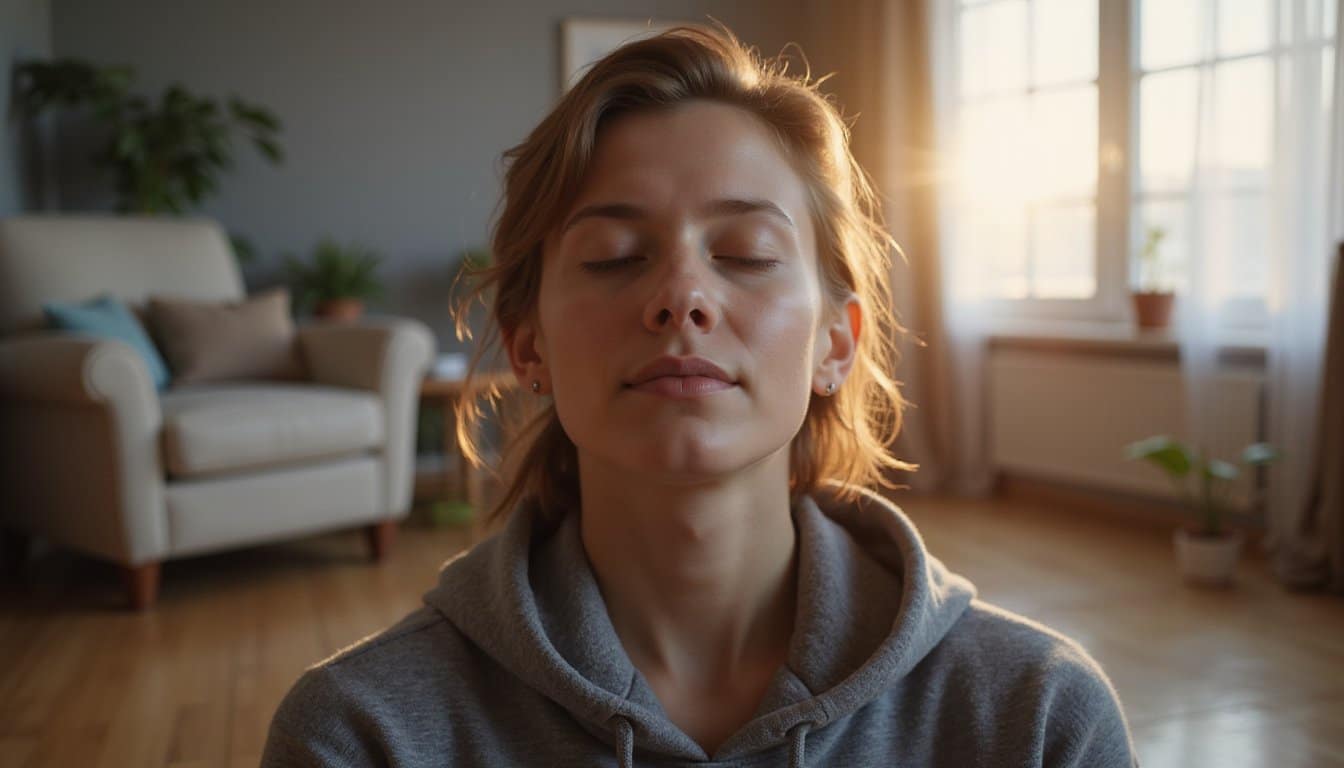
When anxiety hits, your breath is one of the fastest tools you have to shift your nervous system out of fight-or-flight.
Slow breathing activates your parasympathetic system, counterbalancing the stress response that’s keeping you on edge. Research shows cyclic sighing, where you emphasize long, extended exhales, produces greater mood improvement than mindfulness meditation when practiced for just five minutes daily.
The physiological effects are measurable: reduced respiratory rate, lower heart rate arousal, and improved heart rate variability. Your resting breathing rate drops throughout the day, and this correlates directly with mood gains.
Try this now: inhale through your nose, take a second small inhale to fully expand your lungs, then exhale slowly through your mouth. Repeat for five minutes. Benefits accumulate with consecutive practice days.
Release Physical Tension With Progressive Muscle Relaxation
Physical tension often lingers in your body even after a stressful moment passes, tight shoulders, clenched jaw, or a knot in your stomach. Progressive muscle relaxation (PMR) is one of the most effective ways to calm down by deliberately releasing this stored tension.
Here’s how to calm down using this technique: Starting at your toes or head, tense each muscle group firmly for five seconds, then release while exhaling for 10-30 seconds. Notice the contrast as tension drains away. Move systematically through your body, feet, calves, thighs, abdomen, shoulders, and face.
Research shows PMR shifts your nervous system from fight-or-flight to rest-and-digest mode, lowering heart rate and cortisol levels. Among calm down techniques, this method takes 10-20 minutes and requires no equipment, just your focused attention.
Picture a Calm Place to Quiet Your Mind
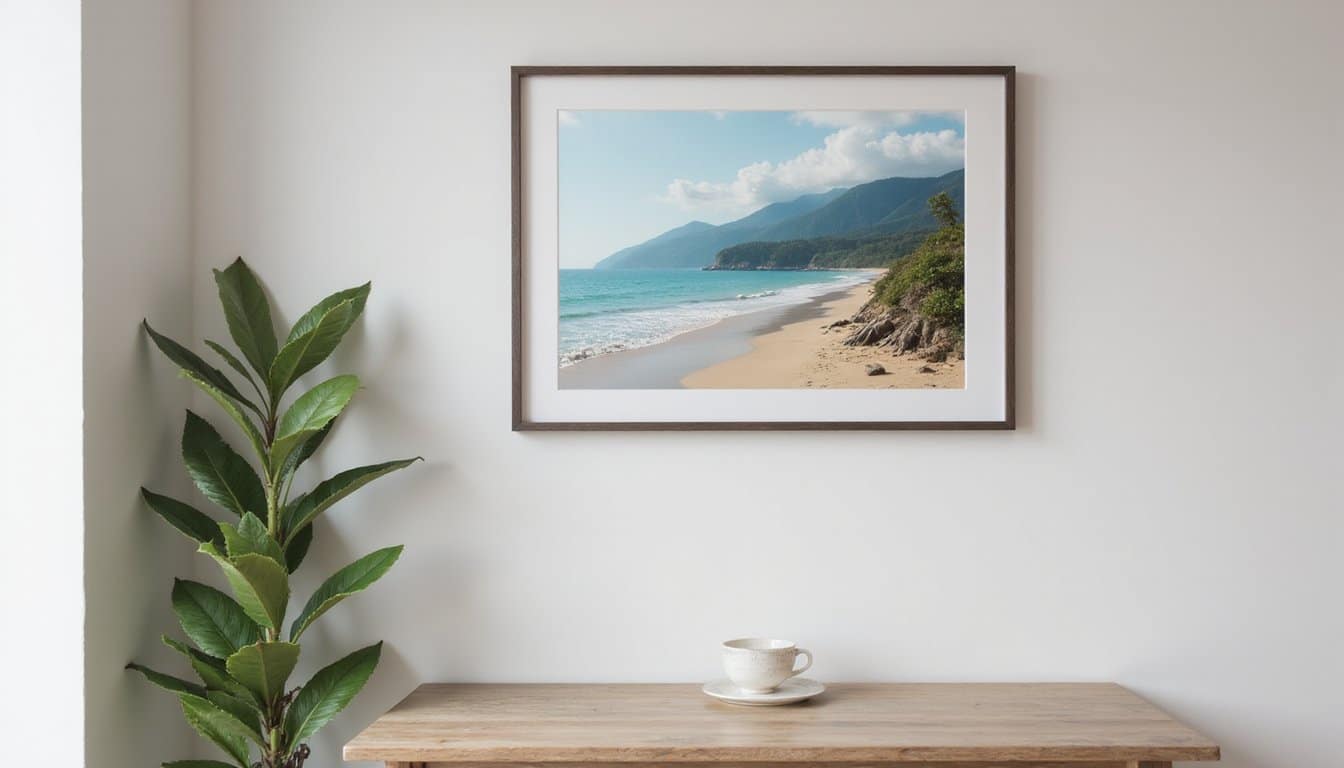
Your mind has a powerful ability to shift your emotional state, simply imagining a peaceful scene can activate the same relaxation responses as actually being there. This happens because your brain responds to visualized scenarios similarly to real experiences, engaging your parasympathetic nervous system and quieting amygdala activity.
To practice this technique, find a quiet space and close your eyes. Picture a place that feels completely safe, a beach, forest glade, or cozy room. Immerse yourself in sensory details: what you see, hear, and feel. Pair this imagery with slow breathing, inhaling for four counts and exhaling for six.
Among calming strategies, visualization works quickly, often softening your nervous system in under ten minutes while building emotional resilience through repeated practice.
Move Your Body to Burn Off Stress Hormones
Physical activity helps your body process stress hormones like cortisol while releasing mood-boosting endorphins. Even a 30-minute brisk walk can interrupt anxious thought patterns and give your mind a break from overthinking. Mind-body practices like yoga activate your parasympathetic nervous system, lowering cortisol levels and helping you feel calmer over time.
Exercise Releases Natural Endorphins
If you’re learning how to calm yourself down, exercise offers a reliable physiological pathway. Research shows physically active individuals experience lower rates of anxiety and depression than sedentary people.
Here’s what happens when you exercise regularly:
- Serum beta-endorphin levels increase, improving mood states
- Serotonin and dopamine release enhances emotional balance
- BDNF production supports brain cell growth and reduces depressive symptoms
- Sleep quality, self-esteem, and social connection improve
You don’t need intense workouts, moderate aerobic activity effectively triggers endorphin production.
Walking Distracts Anxious Thoughts
When anxious thoughts spiral, walking offers a surprisingly powerful reset. Research shows that following walking instructions, like maintaining a specific pace or completing warm-up sequences, engages your working memory. This cognitive engagement actively competes with anxious rumination, giving your mind something concrete to process instead of looping through worry.
You don’t need lengthy walks to benefit. Studies involving over 96,000 adults found mental health improvements starting at just 1,000 steps daily. Even walking for 1.25 to 2.5 hours weekly, less than standard exercise recommendations, produced significant anxiety reduction.
Structured walks work particularly well. When you follow a consistent pace or simple instructions, you’re fundamentally redirecting mental resources away from threat-focused thinking. Whether you walk indoors or outside, the distraction mechanism remains effective, helping your nervous system shift out of high alert.
Yoga Lowers Cortisol Levels
Stress hormones like cortisol serve an important purpose, they prepare your body to respond to threats, but they’re meant to clear quickly once danger passes. When cortisol stays heightened, you may feel wired, anxious, or unable to settle. Yoga helps restore balance by improving how your body regulates this stress response.
Research shows yoga reduces cortisol across diverse groups:
- Women practicing heated Hatha yoga showed greatly reduced cortisol reactivity to stress over eight weeks
- Breast cancer patients and survivors experienced lower salivary cortisol after yoga interventions
- People with type 2 diabetes and metabolic syndrome demonstrated decreased plasma cortisol
- Three-month yoga retreats improved cortisol awakening response patterns, indicating healthier stress regulation
You don’t need intensive practice, consistent, gentle yoga supports your nervous system’s ability to recover from daily stressors.
Use Mindfulness to Calm Racing Thoughts
Racing thoughts can feel like a mental treadmill you can’t step off, but mindfulness offers practical tools to slow the spin.
Present-moment awareness trains your brain to disengage from rumination loops. When you notice thoughts spiraling, you can interrupt the cycle before it escalates. Research shows mindfulness activates your parasympathetic nervous system, shifting your body into rest-and-digest mode and improving emotional regulation.
Mindfulness helps you catch racing thoughts mid-spiral and hit pause before they take over.
Start with just five minutes daily. Focus on your breath, bodily sensations, or sounds around you. When your mind wanders, and it will, gently redirect your attention without judgment.
Training in mindfulness also strengthens your ability to control intrusive thoughts. Studies indicate higher dispositional mindfulness correlates with fewer negative intrusions and increased prefrontal cortex activity for top-down executive control. You’re fundamentally building mental brakes for a runaway mind.
Try Art, Coloring, or Laughter When Focus Feels Hard
Sometimes the best way to calm an overactive mind isn’t through focused attention, it’s through creative distraction. When traditional calming techniques feel impossible, art-making and coloring can help your nervous system settle through a different pathway. Research shows that 75% of participants experienced reduced cortisol levels after just 45 minutes of creative activity, regardless of artistic skill.
Art works through a bottom-up approach, engaging your senses and hands rather than demanding mental focus. This creates a flow-like state similar to mindfulness.
- Coloring offers structured creativity when decision-making feels overwhelming
- Working with clay provides tactile grounding through repetitive movement
- Simple drawing allows emotional expression without words
- Laughter serves as positive distraction, shifting your mood when you’re stuck in anxious loops
Try what feels accessible, skill doesn’t matter.
Build a Five-Minute Daily Calm-Down Routine
Just five minutes of daily practice can shift your nervous system from reactive to regulated, and the effects extend far beyond that brief window. Research shows a single short meditation session lowers anxiety within the first hour and sustains that reduction for up to a week. Over time, you’ll build emotional coping skills and decrease stress-related thought patterns.
Structure your routine simply: find a comfortable position, close your eyes, and notice your breath without trying to change it. When thoughts wander, label them “wandering” and redirect attention to your breathing. Note any tension in your body and consciously relax those areas.
Practice before bedtime to build motor memory and support your wind-down process. Four five-minute sessions throughout the day equal one twenty-minute session in effectiveness.
Healing Begins With One Call
Building healthy coping mechanisms is one of the most powerful steps you can take toward lasting mental wellness. At National Mental Health Support, we guide you toward licensed mental health counselors who specialize in Individual Therapy that addresses your unique needs and helps you build a calming plan for a healthier and more balanced life. Call (844) 435-7104 today and let us help you find the peace and clarity you deserve.
Frequently Asked Questions
Can Calming Techniques Help if I Have a Diagnosed Anxiety Disorder?
Yes, calming techniques can genuinely help even with a diagnosed anxiety disorder. Research shows relaxation training has medium-to-large effects on anxiety reduction, and applied relaxation performs as well as cognitive therapy for generalized anxiety disorder. These aren’t just “coping hacks”, they’re evidence-based interventions that shift your nervous system out of fight-or-flight. You’ll likely see better results with consistent practice and, ideally, guidance from a therapist who can tailor techniques to your needs.
How Long Does It Take for Calming Techniques to Start Working?
You can feel some relief within minutes using techniques like deep breathing or grounding exercises, these help shift your nervous system out of fight-or-flight quickly. However, research shows that longer-term benefits build over weeks of consistent practice. Studies find that treatments averaging 7+ weeks produce stronger, more lasting effects. Homework practice between sessions considerably enhances results, so regular use matters more than occasional efforts during high-stress moments.
What Should I Do if Calming Techniques Make My Anxiety Worse?
If calming techniques increase your anxiety, you’re experiencing something called relaxation-induced anxiety, it’s more common than you’d think, especially among people with generalized anxiety.
Stop the technique that’s triggering discomfort. Try alternatives like slow exhalation, the 5-4-3-2-1 grounding method, or gentle movement instead of deep breathing or progressive relaxation.
You’re not doing anything wrong, your nervous system simply responds differently. Consider working with a mental health professional to find personalized approaches.
Are Calming Techniques Safe to Use Alongside Anxiety Medication?
Yes, calming techniques are generally safe to use alongside anxiety medication, but you should discuss them with your healthcare provider first. Some medications, like benzodiazepines, can interact with certain relaxation methods or supplements. Track any new symptoms when combining approaches, and avoid adding supplements like valerian or magnesium without approval. Techniques like deep breathing, grounding, and progressive muscle relaxation typically pair well with medication and can enhance your overall treatment.
Why Do I Feel More Anxious When I Try to Relax?
You’re likely experiencing relaxation-induced anxiety, a real phenomenon where your nervous system actually becomes more activated during calming exercises. Research shows this happens because relaxation can feel unfamiliar or even threatening, especially if you’re used to staying on alert. Your brain may resist the emotional shift from tense to calm. Progressive relaxation techniques tend to trigger this less than focused methods, and practicing gradually can reduce this sensitivity over time. Incorporating a calming technique for anxiety into your routine can help ease the transition to relaxation. Start with simple methods that allow you to adjust comfortably to the feeling of calmness, such as guided breathing or gentle stretches. Over time, these practices can rewire your brain’s response to relaxation, fostering a sense of safety in tranquility.