









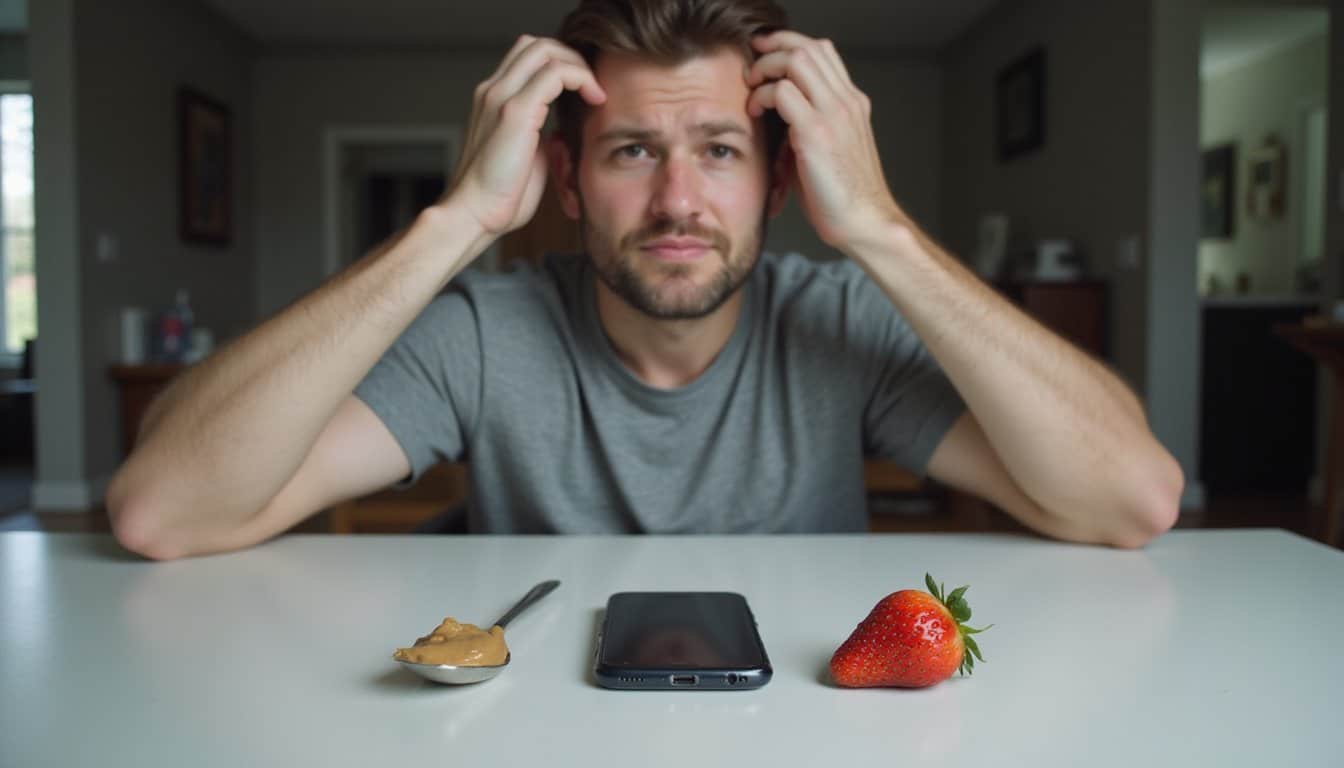






Signs to seek mental health services include situations where self-help strategies produce only modest effects or prove ineffective, research shows about 12% of individuals abandon self-help approaches for this reason. Ongoing emotional distress, chronic physical pain accompanied by mood symptoms, difficulty completing daily tasks, social withdrawal, and thoughts of suicide or self-harm are key indicators that professional support may be necessary. Recognizing these warning signs early can help determine when clinical intervention is needed beyond what self-guided strategies can offer.
Months of Self-Help Haven’t Changed Anything

When self-help strategies haven’t moved the needle after several months, you’re not alone in questioning their effectiveness. Research indicates that self-help produces modest effects on recovery outcomes, far from the dramatic improvements advocates often suggest. Studies show symptoms and quality of life remain stable on average, with only slight declines over time.
If you’re feeling stuck after consistent effort, the evidence supports your concern. Approximately 12% of participants stop self-help specifically because they perceive it isn’t helping. You may also experience lacking motivation when results don’t materialize, which compounds the original problem. The atheoretical nature of research into self-help groups means the processes by which involvement impacts recovery remain poorly understood. Research confirms that individuals often perceive self-help DMHIs as less credible relative to face-to-face interventions, which may contribute to diminished engagement over time.
Shorter, professionally guided interventions demonstrate superior outcomes compared to prolonged self-directed approaches. When months pass without meaningful change, shifting to professional treatment represents a rational, evidence-based decision rather than a personal failure.
The Emotional Pain Won’t Let Up
Persistent emotional distress often signals something deeper than a mood that simply needs time to lift. When you’re experiencing chronic pain alongside persistent distressing emotions, research shows you’re five times more likely to develop depression or anxiety than those without pain. This bidirectional relationship means your emotional pain intensifies physical symptoms while physical pain amplifies emotional suffering. Among all U.S. adults living with unremitted anxiety or depression, the majority also have chronic pain, demonstrating just how intertwined these conditions truly are.
| Indicator | Self-Help Appropriate | Professional Help Needed |
|---|---|---|
| Duration | Days to weeks | Months without improvement |
| Function | Minor disruptions | Inability to function |
| Daily Tasks | Manageable with effort | Cannot complete errands independently |
Your inability to function daily, whether completing errands, maintaining social connections, or working, indicates you’ve moved beyond self-help territory. Nearly 70% of individuals with co-occurring conditions report significant work limitations, confirming professional intervention becomes essential. A comprehensive review of 376 studies found that approximately 37% of adults with chronic pain experience depression, underscoring why professional screening matters when emotional and physical pain intersect.
Daily Tasks Feel Impossible to Complete

Although you might dismiss your inability to complete basic tasks as laziness or lack of willpower, this struggle often signals an underlying mental health condition requiring professional attention. When executive dysfunction negatively impacts your cognitive processes, even simple activities become significant obstacles. Research shows that neurological disorders account for 17.4 days annually where individuals cannot perform normal activities, while PTSD and bipolar disorder demonstrate similar severity.
When daily tasks feel overwhelming, you’re experiencing more than temporary stress. Depression, anxiety, and trauma can transform routine responsibilities into insurmountable challenges. This creates a destructive cycle: overwhelm leads to decreased activity, which generates guilt and compounds difficulty with task initiation. Struggling with basic self-care activities like hygiene and grooming reflects genuine cognitive deficits, not personal failure, and warrants professional evaluation. A global study found that among those experiencing days out of role, the median was 51.1 days per year when individuals were totally unable to work or carry out normal activities. Fortunately, treatment options like medication and therapy can lead to significant improvement in your ability to complete daily activities.
You’ve Pulled Away From Everyone in Your Life
Cutting yourself off from friends, family, and social connections often signals more than a preference for solitude, it’s a recognized marker of depression requiring clinical attention. Research demonstrates social withdrawal’s impact on mental health is considerable: socially isolated young adults face markedly elevated depression risk, with females showing odds ratios of 2.95 and males 2.06.
When interpersonal relationship difficulties persist alongside isolation for three or more years, the association strengthens dramatically, particularly for women, whose risk increases sixfold. Studies confirm a unidirectional relationship: depressive symptoms predict future isolation at the within-person level, creating a self-reinforcing cycle that worsens without intervention. However, research reveals a bidirectional relationship between loneliness and depressive symptoms, meaning each condition actively feeds the other over time.
You shouldn’t attempt to address prolonged withdrawal through self-help alone. Professional treatment can target both the isolation pattern and its underlying psychological drivers simultaneously, breaking the depression-withdrawal cycle effectively. Notably, withdrawal alone without emotional or physical isolation did not show a significant association with depression, suggesting that the quality of social disconnection matters more than simply spending time at home.
Self-Help Isn’t Touching Your Anxiety or Depression

When self-help strategies fail to reduce your symptoms after consistent effort, this signals a need for professional evaluation. Research shows self-help produces only small to moderate effects for anxiety and depression, with significant variability in outcomes.
You may experience an inadequate response to self-help if you notice:
- Persistent symptoms despite completing structured programs
- Only 55% of participants finish web-based interventions fully
- Recovery rates remain non-significant for anxiety (OR=2.0, 95% CI 0.9-4.2)
- Severe baseline cases show inconsistent outcomes across studies
- Quality of life and work-related stress improvements remain unclear
These limitations indicate self-help isn’t universally effective. When you’ve applied techniques consistently without meaningful improvement, professional intervention offers targeted assessment and evidence-based treatments that address your specific symptom profile more effectively. Research indicates that guided interventions are more beneficial than unguided self-help programs, suggesting professional support enhances outcomes. Additionally, longitudinal research is needed to understand whether any benefits from self-help are sustained over time.
You’re Having Thoughts of Suicide or Self-Harm
Thoughts of suicide or self-harm demand immediate professional attention, these experiences signal a mental health crisis that requires expert intervention, not self-management. Warning signs include talking about wanting to die, expressing hopelessness, or feeling like a burden to others.
Behavioral indicators require urgent assessment: withdrawing from relationships, researching lethal methods, giving away possessions, or experiencing insomnia disruptions that compound emotional distress. Unresolved trauma often underlies these experiences, manifesting as unbearable emotional pain, extreme guilt, or persistent feelings of worthlessness.
The statistics underscore this urgency, suicide rates among youth aged 10-25 increased 52% between 2000-2021. Self-harm behaviors tend to repeat and escalate risk. It’s important to understand that suicide is rarely caused by a single event, but rather results from multiple contributing factors. Risk factors include previous suicide attempts, substance abuse problems, and family history of suicide. If you’re experiencing these thoughts, contact a crisis line or mental health professional immediately. Professional intervention saves lives.
When These Signs Mean Professional Help Is Needed
Learning to recognize your personal warning signs, whether they’re persistent sadness, overwhelming anxiety, concentration difficulties, sleep disturbances, or relationship struggles, empowers you to seek help before symptoms escalate. You don’t need to wait until you’re in crisis; early intervention typically leads to better treatment outcomes and faster recovery. When these signs persist for two weeks or more and interfere with your daily functioning, it’s time to consult a mental health professional. Physical symptoms like chronic headaches or unexplained fatigue may also indicate that your mental health needs attention. Pay particular attention if you experience feelings of hopelessness, self-destructive thoughts, or find yourself increasingly isolated from others.
Recognizing Your Warning Signs
Although everyone experiences occasional stress or sadness, certain patterns signal that professional mental health support has become necessary. Developing chronic stress awareness helps you distinguish temporary difficulties from conditions requiring clinical intervention. When ongoing mood shifts persist beyond two weeks or considerably impair functioning, self-help strategies alone prove insufficient.
Watch for these critical indicators:
- Persistent sadness, emptiness, or hopelessness that doesn’t lift
- Racing thoughts or panic attacks disrupting daily activities
- Withdrawal from relationships and neglecting basic self-care
- Inability to complete routine tasks despite repeated effort
- Thoughts of self-harm or feeling like a burden to others
These symptoms represent measurable changes in your baseline functioning. You shouldn’t dismiss them as weakness or temporary struggles. Early professional intervention improves outcomes and prevents symptom escalation. A mental health disorder diagnosis is typically warranted when symptoms create a negative impact on relationships, work, or school performance.
Taking Action Sooner
Recognizing warning signs marks only the first step, acting on them determines outcomes. When you notice difficulty regulating emotions persisting beyond two weeks, professional intervention becomes critical. Research shows 78% of patients see measurable results after just 2, 8 sessions, making early action clinically advantageous.
Consistent self reflection helps you identify when self-help strategies aren’t working. If symptoms interfere with daily functioning, don’t delay, treatment seekers have increased dramatically, with 68% of therapists reporting rises in first-time clients seeking help.
Acting sooner improves prognosis. Studies demonstrate service utilization can jump from 0.8% to 12.6% when individuals respond to early intervention prompts. You’re not alone in this decision: 55.8 million adults received mental health treatment in 2022. The evidence supports prompt action over prolonged self-management when warning signs persist.
Frequently Asked Questions
How Long Should I Try Self-Help Before Considering Professional Mental Health Services?
You should try self-help for approximately 4-8 weeks before considering professional services. Research shows self-care strategies produce small to moderate effects during this self help timeline. If you’re not experiencing meaningful improvement in symptoms, self-esteem, or daily functioning after consistent effort, it’s time to seek professional evaluation. Don’t wait longer if your initial symptoms are severe, high symptom levels actually predict lower self-help effectiveness, warranting earlier professional intervention.
Can Self-Help Groups Be Combined With Therapy for Better Results?
Yes, you can combine self-help groups with therapy for markedly better outcomes. Research shows this integrative approach produces superior results compared to either intervention alone. When you follow a dual treatment plan that pairs professional therapy with self-help group participation, you’re 27% more likely to respond positively than using single-modality treatment. Studies confirm you’ll experience improved treatment adherence, enhanced social support, and sustained benefits at follow-up assessments.
What Types of Mental Health Professionals Should I Consider Contacting First?
You should consider contacting clinical psychologists or licensed clinical social workers for thorough assessments and evidence-based therapy. If you’re experiencing symptoms requiring medication evaluation, psychiatric nurse practitioners offer accessible prescribing services combined with therapeutic support. Licensed professional counselors also provide effective treatment for many concerns. Research shows matching your specific needs, whether therapy-focused or medication-related, to the appropriate provider’s expertise yields ideal outcomes. Starting with your primary care physician for referrals can streamline this process.
Does Insurance Typically Cover Mental Health Services When Self-Help Fails?
Yes, your mental health insurance benefits typically cover services when self-help proves insufficient. About half of adults with mental illness receive treatment, with average session costs around $21 when insured. However, you’ll want to verify your provider coverage options carefully, psychologists’ patients are 10.6 times more likely to need out-of-network care than other specialists. Contact your insurer directly to confirm in-network providers and understand any prior authorization requirements before scheduling appointments.
Are Online Therapy Options as Effective as In-Person Professional Treatment?
Research confirms online therapy delivers comparable outcomes to in-person treatment for most mental health conditions, including depression, anxiety, and PTSD. You’ll find affordable online options that maintain clinical effectiveness while offering greater accessibility. When selecting a provider, verify licensed therapist credentials to guarantee quality care. However, if you’re experiencing severe symptoms or crisis situations, in-person treatment provides stronger therapeutic rapport and immediate support that virtual formats can’t fully replicate.