















Music-based therapy impacts your mental wellness through multiple brain pathways, activating neural networks that regulate emotion, memory, and cognitive function. When you engage with music therapeutically, your brain releases mood-boosting neurotransmitters like dopamine, serotonin, and oxytocin. Whether you’re actively participating or passively listening, music therapy can reduce depression, anxiety, and physical discomfort while improving social connections. The science behind these transformative effects reveals an extensive framework for healing.
The Science Behind Music’s Effect on Mental Health
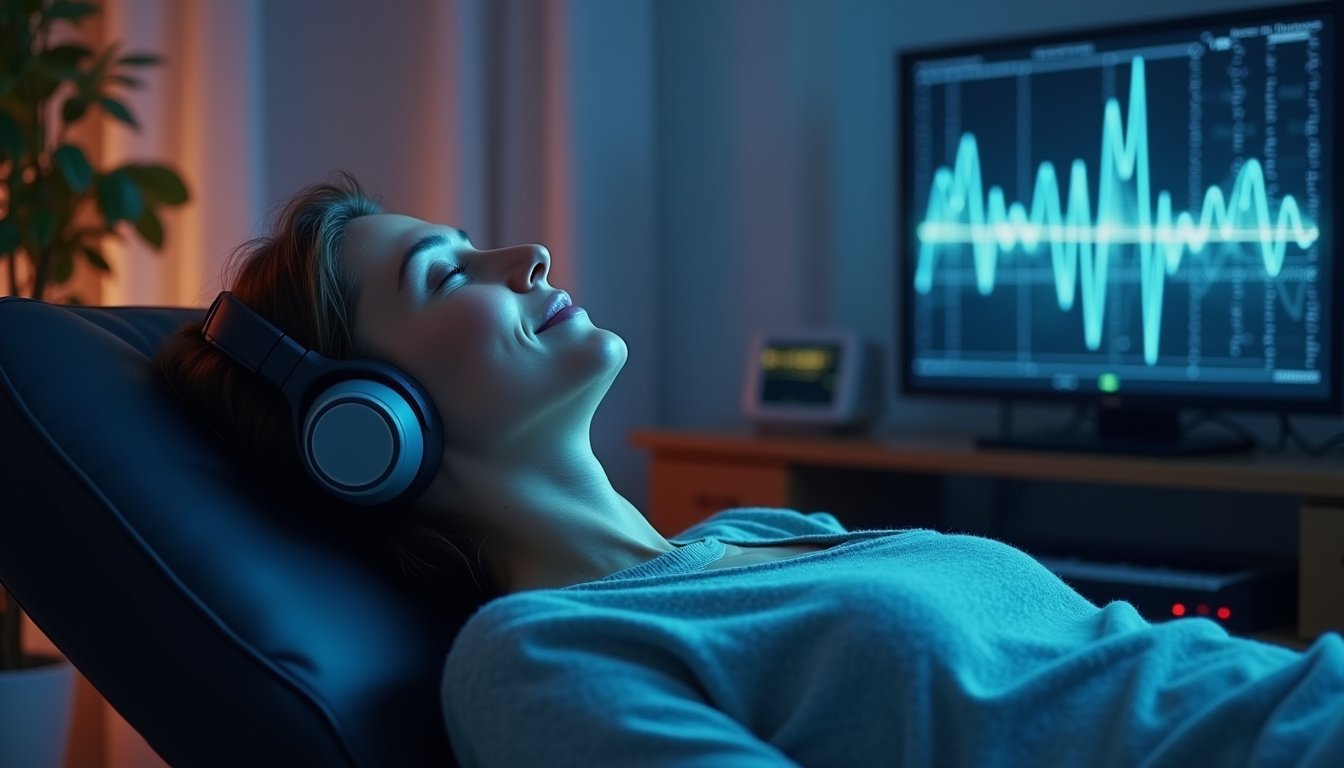
While music has long been recognized for its emotional impact, neuroscientific research has revealed profound physiological mechanisms through which musical experiences shape mental health outcomes. Through multisensory integrations, music activates extensive neural networks, triggering neurophysiological adaptations that augment brain plasticity and emotional regulation.
When you engage with music, your brain undergoes remarkable changes. Musical activities stimulate bilateral brain regions, increasing grey matter density and strengthening connections between hemispheres. You’ll experience dopamine and endorphin releases that naturally boost mood and reduce pain perception. The activation of your limbic system, particularly the amygdala and hippocampus, supports emotional processing and memory formation. These neurological responses create lasting changes in brain structure and function, contributing to improved cognitive performance and emotional resilience. This therapeutic approach has proven particularly effective for patients with sensory and motor dysfunctions following neurological events. Since quality of life improvements can be achieved through various musical interventions, therapists often customize treatment approaches for individual patients. Research indicates that mood disorders and depression affect between 20% and 50% of patients with neurological conditions, making music therapy a promising intervention for this population.
Therapeutic Applications Across Different Conditions
Understanding these neurological mechanisms has enabled clinicians to develop customized music-based interventions for diverse mental health conditions. You’ll find that music therapy’s versatility extends across multiple treatment domains, with mobile app integration and telehealth delivery expanding accessibility. Studies have shown that rhythm-based protocols provide essential grounding during emotional dysregulation episodes. The therapeutic approach is particularly effective in addressing conditions like anxiety and depression through emotional exploration. Credentialed professionals design and implement evidence-based interventions to ensure optimal therapeutic outcomes.
| Condition | Primary Interventions | Key Benefits |
|---|---|---|
| Anxiety | Pre-procedure sessions | Reduced stress response |
| Depression | Group songwriting | Improved mood regulation |
| Social challenges | Collaborative performance | Improved interpersonal skills |
| Pain management | Active engagement | Decreased physical discomfort |
| Mood disorders | Structured sessions | Better emotional expression |
Research shows you’ll get the best results when therapy is adapted to your specific needs. For anxiety, brief 15-20 minute sessions work effectively before stressful situations. In treating depression, group activities prove particularly powerful, while chronic conditions benefit from sustained engagement through mobile platforms like Music Care.
Brain Chemistry and Musical Engagement
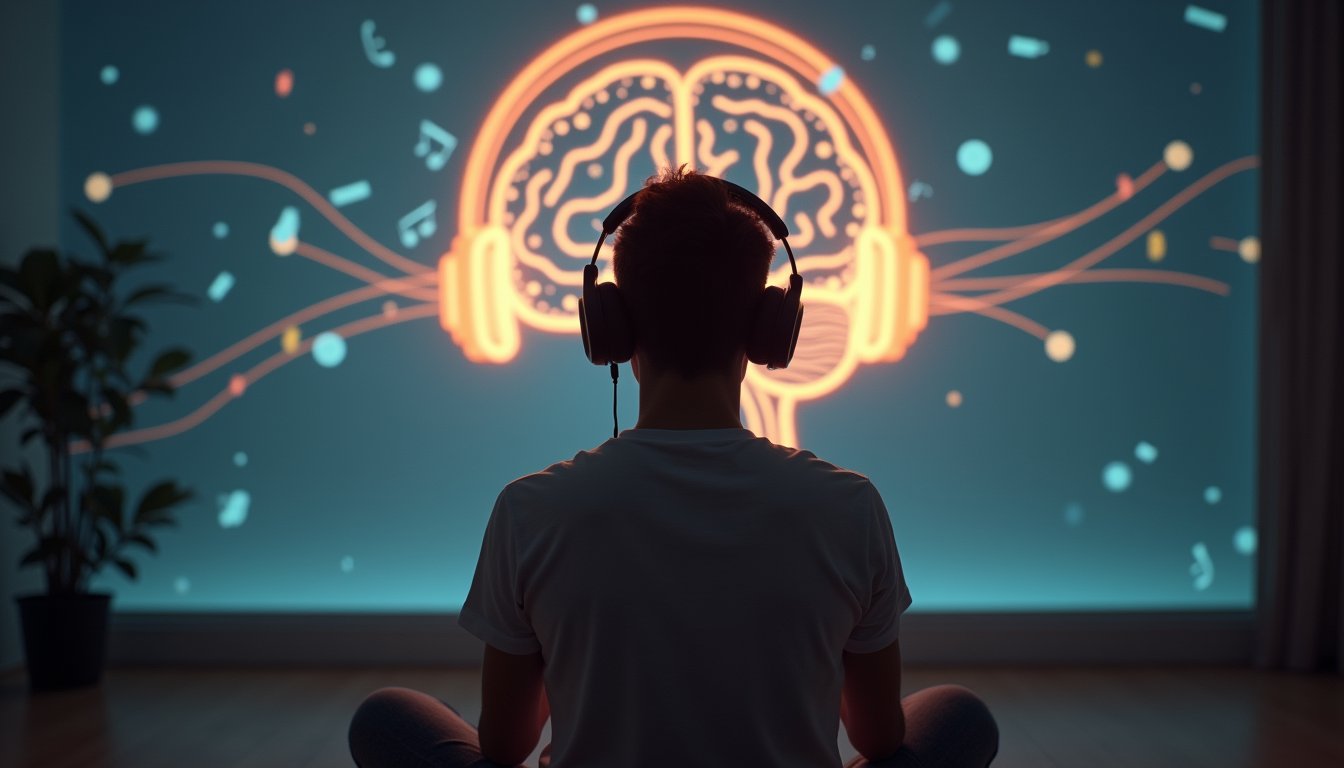
Through music’s profound influence on brain chemistry, your nervous system undergoes remarkable changes that support mental wellness and emotional regulation. As you engage with music, your brain releases key neurotransmitters like dopamine, serotonin, and oxytocin, fostering synapse plasticity regulation and enhancing mood stability. Learning or playing music can lead to enhanced cognitive abilities that persist throughout life. Studies involving over 8000 Swedish twins demonstrate that regular music practice correlates with improved emotional competence. The pleasure pathways in your brain, particularly involving the ventral striatum system, activate strongly when listening to your favorite music.
Your brain’s neural network patterning strengthens through musical engagement, particularly in regions controlling emotion and movement. You’ll experience increased grey matter density in auditory and motor areas, while your corpus callosum enlarges to improve communication between brain hemispheres. Music therapy activates your default mode network and limbic system, promoting mindfulness and emotional processing. Moreover, inhibitory systems release GABA and trigger endorphins, reducing anxiety and pain while cultivating a sense of calm and well-being.
Clinical Benefits in Dementia and Depression Care
As research consistently demonstrates, music therapy offers profound clinical benefits for individuals battling dementia and depression, particularly in managing cognitive decline and mood disorders. Through cognitive reserve augmentation, you’ll find that music-based interventions can stimulate memory recall, improve word fluency, and strengthen organizational skills in dementia patients. Recent studies show that active music interventions involving patients in music-making activities produce greater cognitive enhancement compared to passive listening. Music therapy is frequently included as an adjuvant therapy alongside pharmaceutical treatments in modern dementia care settings. The therapeutic approach originated when wartime recovery of soldiers improved through musical performances.
The neuropsychological rehabilitation aspects of music therapy extend beyond cognitive benefits. You’ll notice reduced depressive symptoms, decreased agitation, and improved social engagement when incorporating structured musical activities. What’s particularly promising is how these interventions can help minimize reliance on antipsychotic medications while providing cost-effective treatment options. Whether in nursing homes or community settings, personalized music programs offer scalable solutions that benefit both patients and caregivers, making it an invaluable tool in contemporary mental health care.
Active vs. Passive Music Therapy Approaches

When you participate in music therapy, you’ll encounter two distinct approaches: active engagement through creating music and passive reception through guided listening. Active methods invite you to sing, play instruments, or compose music, fostering skill development and social connections, while passive techniques focus on emotional processing through carefully selected musical experiences. Research demonstrates that both approaches yield unique neurobiological benefits, with active participation stimulating oxytocin release during social interactions and passive listening reducing cortisol levels for stress relief. Studies show patient choice and empowerment are enhanced when individuals can select their preferred songs and instruments during sessions. The Bonny method of music therapy specifically utilizes classical music and imagery to promote deep personal growth and emotional healing. Both approaches can be conducted in one-on-one or group settings to accommodate different therapeutic needs and comfort levels.
Engagement Methods Compared
Music therapy practitioners employ two distinct approaches to facilitate healing and growth: active and passive engagement methods. Active therapy involves direct participation through singing, drumming, or playing instruments, fostering social dynamics and group synergy through collaborative music-making. You’ll find opportunities for creative expression and skill development while engaging in rhythm-based exercises and ensemble performances.
In contrast, passive music therapy focuses on receptive experiences where you’ll listen to curated playlists, analyze lyrics, or participate in guided imagery sessions. While active methods emphasize physical participation and interpersonal interaction, passive approaches prioritize emotional processing and cognitive reflection. Research shows both methods effectively reduce aggression and improve behavioral outcomes, though they activate different neurological pathways. Your specific therapeutic needs and goals will determine which approach or combination works best for you.
Benefits Beyond Just Listening
Therapeutic engagement with music extends far beyond passive listening, offering distinct advantages through both active and passive approaches. While listening to music can effectively regulate emotions and reduce stress, active music making abilities open up deeper therapeutic benefits. Whether you’re composing original songs, participating in drumming circles, or engaging in group singing, these hands-on activities foster emotional expression and boost cognitive function.
Musical performance impacts include improved motor skills, heightened self-awareness, and stronger social connections. You’ll find that active participation often yields more profound therapeutic outcomes, particularly in areas like stress reduction and emotional processing. However, both approaches serve valuable roles – passive listening can provide accessibility and immediate comfort, while active engagement delivers more all-encompassing benefits through physical, emotional, and social channels of healing.
Neurological Pathways and Emotional Response
When you engage with music therapeutically, your brain releases a cascade of mood-elevating chemicals, including dopamine, serotonin, and oxytocin, which work together to reduce anxiety and amplify emotional well-being. Your limbic system, particularly the amygdala and prefrontal cortex, processes these musical experiences while creating new neural pathways that strengthen emotional regulation. Through consistent music therapy sessions, you’ll develop augmented connectivity between your brain’s emotional and cognitive centers, leading to improved stress management and mental resilience.
Brain Chemical Release Mechanisms
Through complex neurological pathways, sound vibrations trigger a cascade of chemical reactions in the brain that profoundly influence emotional well-being and mental health. When you engage with music, your brain releases dopamine, enhancing reward processing and elevating mood, while serotonin levels stabilize to improve emotional regulation.
Neurotransmitter modulation occurs as endorphins and opioids provide natural pain relief, and oxytocin promotes social bonding during group musical activities. Hormone regulation involves decreased cortisol levels, reducing stress and anxiety, while adrenaline regulation helps balance arousal states. Your brain’s prolactin and vasopressin levels also adjust, supporting emotional stability and social recognition. This intricate dance of brain chemicals creates a powerful therapeutic effect, demonstrating why music-based interventions can effectively support mental wellness.
Emotional Processing Pathways
Multiple neural pathways work in concert to process music’s emotional impact on your brain, creating a sophisticated network of activation and response. This multi-modal processing begins in your auditory cortex and flows through key emotional centers, including your amygdala and hippocampus, where music gains its emotional significance.
Your brain achieves neural synchronization through rhythmic components, allowing different regions to communicate effectively. When you listen to music, your prefrontal cortex moderates emotional responses while your anterior cingulate cortex connects feelings with cognitive understanding. The default mode network interacts with these systems, influencing self-reflection and emotional regulation. Through this intricate interplay, music therapy can effectively target specific emotional pathways, helping stabilize mood, reduce stress, and amplify emotional processing capabilities.
Evidence-Based Treatment Protocols
Research-backed protocols in music therapy demonstrate consistent efficacy across diverse mental health applications. You’ll find that board-certified therapists adapt these interventions dynamically to optimize participant motivation and ensure ideal clinical implementation.
- Active engagement methods, including instrumental performance and songwriting, consistently outperform passive listening techniques for anxiety reduction and mood enrichment
- Treatment protocols integrate multiple therapeutic frameworks, from cognitive-behavioral to mindfulness approaches, allowing real-time adjustments based on your response
- Evidence shows these interventions are particularly effective in group settings, where you’ll benefit from both structured musical activities and enhanced social connections
These protocols deliver measurable improvements in emotional expression, stress management, and psychological resilience, making them valuable tools in comprehensive mental health treatment plans. Accessing counseling services for adults can further enhance these outcomes. Many individuals benefit from personalized therapy sessions that address their unique challenges. Mental health program benefits for individuals can significantly enhance well-being by fostering a supportive environment. These programs often provide essential coping strategies, equipping individuals with the tools needed to navigate daily challenges.
Integrating Music With Traditional Mental Healthcare
Building on established treatment protocols, the integration of music therapy with traditional mental healthcare creates a powerful synergistic approach to healing. You’ll find that this combination boosts treatment outcomes by addressing both clinical symptoms and emotional well-being through non-invasive intervention approaches.
When integrating with holistic care models, music therapy complements standard treatments by reducing anxiety, depression, and psychological distress without requiring prior musical experience. You can expect personalized interventions that tap into your unique musical memories, making the therapy more effective and meaningful. This approach particularly benefits those with conditions like schizophrenia, dementia, and PTSD, where traditional treatments alone might fall short. Research shows that combining structured music sessions with conventional care improves mood, cognitive function, and comprehensive treatment adherence.
Building Resilience Through Musical Expression
Through music’s profound capacity to heal and strengthen emotional resilience, individuals can develop powerful coping mechanisms that transform their response to life’s challenges. Music therapy’s evidence-based approaches augment your brain’s natural ability to process emotions and regulate stress hormones, while fostering collective empowerment through shared musical experiences. Strategies to enhance physical health can also be complemented by engaging in regular music-based activities. Incorporating rhythm and movement into your exercise routine not only boosts your physical fitness but also elevates your mood.
Music empowers us to heal and grow stronger, rewiring our emotional responses through therapeutic sound and shared musical connection.
Key ways music builds your resilience:
- Synchronization activities strengthen your social bonds and sense of safety, activating reward pathways that enhance psychological stability
- Non-verbal expression through improvisation helps you process trauma without relying on words, especially valuable for cultural bridging
- Group drumming circles and collaborative songwriting give you structured outlets for emotional release while rebuilding community connections
The neurobiological benefits, combined with music’s deep cultural roots in healing, make it a powerful tool for developing lasting emotional strength.
Research Advancements and Treatment Outcomes
Recent clinical studies show you’ll find measurable improvements in anxiety and depression when music therapy complements traditional treatment approaches. You can observe these benefits through documented reductions in cortisol levels and boosted emotional regulation, particularly when patients actively participate in musical activities rather than passive listening. The research indicates that structured music interventions yield the strongest outcomes when integrated into thorough treatment plans, demonstrating effectiveness across multiple psychological conditions from PTSD to addiction recovery.
Evidence-Based Clinical Results
Extensive clinical research validates music therapy’s profound impact on mental health outcomes across diverse populations and conditions. You’ll find that musical engagement strategies consistently demonstrate treatment cost effectiveness while producing significant therapeutic benefits.
Key evidence-based findings show:
- Meta-analyses reveal medium-to-strong effects on stress reduction, with participants experiencing lower cortisol levels and improved heart rate variability through structured interventions
- When combined with conventional treatments, music therapy augments outcomes for depression, anxiety, and PTSD, particularly through active participation methods
- Group music activities stimulate oxytocin release and strengthen social bonds, leading to improved emotional regulation and psychological resilience across divergent mental health conditions
These clinical results underscore music therapy’s value as an evidence-based intervention in mental healthcare settings.
Measuring Treatment Effectiveness
Measuring treatment effectiveness in music therapy has evolved drastically, incorporating sophisticated research methodologies and assessment tools to evaluate therapeutic outcomes. You’ll find that gauging methodological rigor through standardized instruments like the Music Therapy Rating Scale helps quantify both verbal and non-verbal therapeutic progress.
| Assessment Component | Evaluation Method |
|---|---|
| Behavioral Changes | Rating Scales & Metrics |
| Emotional Response | Active vs. Passive Engagement |
| Social Interaction | Group Dynamic Analysis |
| Therapeutic Alliance | Patient-Therapist Rapport |
| Treatment Progress | Longitudinal Monitoring |
Comparative study designs reveal that active participation methods, such as improvisation and instrumental engagement, yield stronger results than passive listening. While research quality varies, you’ll notice that culturally sensitive, personalized approaches consistently show better outcomes. Current assessment tools integrate multiple dimensions of healing, measuring both immediate symptom relief and long-term therapeutic benefits.
Frequently Asked Questions
What Age Is Too Late to Start Music Therapy?
There’s no advanced stage for commencing music therapy, you’re never too mature to begin. Research consistently shows that elderly individuals profit vastly from music interventions, demonstrating improvements in mental health and cognitive function. As lifelong learners, your brain remains adaptable and responsive to musical engagement throughout your life. Whether you’re 25 or 85, you can experience meaningful benefits from music therapy’s diverse approaches and techniques.
Can Music Therapy Worsen Certain Mental Health Conditions?
Yes, music therapy can have potential drawbacks if not properly administered. You might experience negative psychological effects if the therapy isn’t customized to your specific needs. For instance, you could face increased anxiety from sensory overload, deeper depression through sad music reinforcing negative thoughts, or heightened stress in group settings. It’s essential that you work with a qualified music therapist who understands your condition and can properly assess risks before starting treatment.
How Much Does Professional Music Therapy Typically Cost?
You’ll typically find music therapy costs ranging from $60 to $150 per session, though rates can vary based on provider credentials and your location. Session duration usually runs 45-60 minutes. In urban areas, you’re likely to pay more due to higher operational costs. If you’re working with a highly certified therapist or seeking specialized treatment, expect rates on the higher end. Some insurance plans may cover sessions, so it’s worth checking your coverage.
Are Virtual Music Therapy Sessions as Effective as In-Person Treatments?
Based on recent research, you’ll find that virtual session quality matches in-person treatments for effectiveness. The 2024 study shows that online music therapy delivers comparable results in reducing stress, anxiety, and depression. You can expect similar engagement levels through online sessions, with some advantages like improved accessibility and consistent scheduling. Virtual platforms even enable real-time interaction and effective monitoring through novel methods like remote cortisol testing via hair samples.
Do Insurance Companies Generally Cover Music Therapy for Mental Health Treatment?
You’ll find that insurance coverage for music therapy is quite limited and varies remarkably by location and provider. While some private insurers may cover sessions if they’re deemed medically necessary and delivered by qualified, board-certified music therapists, you’ll often need to pay out-of-pocket. Coverage limitations mean you’ll typically need a prescription from a licensed clinician and clear documentation of medical necessity. Medicare only covers music therapy in specific settings like rehabilitation centers.