













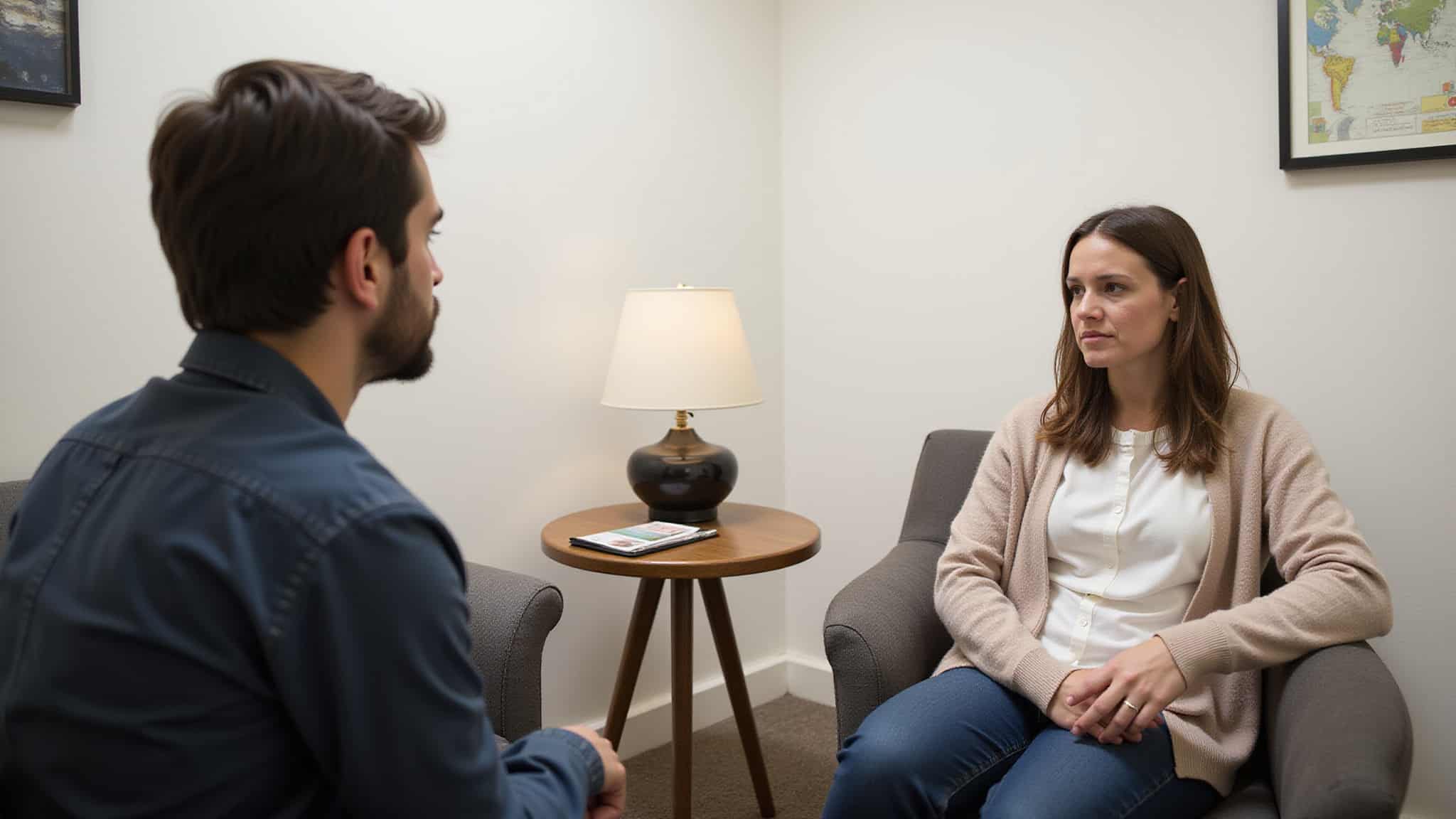


EMDR therapy for anxiety disorders works on a simple premise, that a lot of anxiety is old memory rather than present danger. A humiliation years ago that now shows up as social anxiety. A frightening physical episode that trained your body to expect the next one. EMDR targets those specific memories with bilateral stimulation to drain the charge out of them, and the appeal for many people is that it does not require talking through everything at length or doing homework between sessions.
Key Takeaways
- EMDR is supported by multiple RCTs and meta-analyses for treating GAD, panic disorder, social anxiety, phobias, and agoraphobia.
- A 2020 meta-analysis found EMDR reduced anxiety (g = -0.71), panic (g = -0.62), and phobia (g = -0.45) outcomes.
- EMDR uses bilateral stimulation to reprocess unresolved memories, breaking maladaptive links that reactivate fear and panic responses.
- Sessions last 60 to 90 minutes, the first two cover history and planning, with noticeable improvements often after 8 to 12 sessions.
- Choose a therapist certified through recognized EMDR programs with experience treating your specific anxiety condition.
EMDR Therapy for Anxiety Disorders

EMDR therapy for anxiety disorders offers a well-supported path toward relief from persistent worry, panic, or avoidance. Multiple randomized controlled trials and meta-analyses confirm EMDR for anxiety works across generalized anxiety disorder, panic disorder, and social anxiety disorder. A 2020 meta-analysis of 17 trials with 647 participants found EMDR therapy anxiety outcomes notably reduced anxiety (g = -0.71), panic (g = -0.62), and phobia (g = -0.45). In at least one meta-analysis, EMDR outperformed CBT in reducing anxiety symptoms. For generalized anxiety, some individuals showed symptom drops below diagnostic thresholds, with no signs of GAD two months post-treatment. As an anxiety treatment, EMDR reprocesses maladaptive memories driving your fear, reducing their emotional charge. The World Health Organization recognizes EMDR as an evidence-based treatment for PTSD, and research into its use for anxiety disorders continues to expand.
How is anxiety connected to unprocessed memories
Anxiety is connected to unprocessed memories because when distressing events don’t fully process, your brain stores them in maladaptive memory networks that keep their emotional charge intact. Your mind links present experiences to past ones through association, so a current trigger can reactivate old fear responses. This explains why EMDR therapy targets these unresolved memories directly, reprocessing them into adaptive networks that no longer drive overwhelming anxiety.
| Unprocessed Memory | Anxiety Response |
|---|---|
| Past humiliation | Social anxiety |
| Sudden physical scare | Panic attacks |
| Repeated criticism | Generalized worry |
| Traumatic event | Avoidance behaviors |
| Health-related fear | Health anxiety |
EMDR for panic attacks uses bilateral stimulation to help break these maladaptive links. You reduce the emotional intensity attached to triggering beliefs, letting your brain finally complete processing and restore genuine calm. Understanding brain processes during emdr sessions is crucial for maximizing their effectiveness. These processes enable individuals to reprocess traumatic memories and lessen their impact over time.
What types of anxiety disorders can EMDR treat

EMDR treats a broad range of anxiety disorders rather than just one, because those maladaptive memory networks show up across so many presentations. If you’re living with generalized anxiety disorder, panic disorder, or social anxiety, research supports EMDR’s effectiveness for reducing your symptoms and avoidance behaviors. You’ll also find it helps with health anxiety, performance anxiety, and the specific fears tied to public speaking or test-taking.
EMDR reaches specific isolated phobias, agoraphobia, and social phobias too. Some people treated for GAD have watched their symptoms drop below diagnostic thresholds, showing no signs of the disorder two months later. For specific phobias, therapeutic change can happen even faster. Wherever unprocessed memories fuel your distress, EMDR offers a targeted path toward relief and lasting recovery. Many individuals report experiencing common side effects of EMDR therapy, which can include temporary emotional disturbances or fatigue.
How does an EMDR session work for anxiety
An EMDR session for anxiety works by having you recall distressing memories linked to your anxiety while your therapist guides you through bilateral stimulation, typically eye movements. This process helps your brain reprocess maladaptive memories, reducing the emotional charge behind the beliefs driving your anxiety. Your first two sessions won’t involve any memory processing at all. They focus on history taking and treatment planning, building the safety and clarity you need before deeper work begins. Sessions usually last 60 to 90 minutes. As each session closes, your therapist leads a body scan to check for residual tension, then reassures you to ensure you feel stable before leaving. Most people report noticeable improvements after 8 to 12 sessions, often faster than CBT, and with specific phobias, change can happen even sooner.
How effective is EMDR therapy for anxiety

EMDR therapy is effective for anxiety, with substantial and growing evidence supporting it. Multiple randomized controlled trials and meta-analyses confirm meaningful reductions in anxiety severity, avoidance behaviors, and panic symptoms across a range of diagnoses. EMDR therapy for trauma recovery has also shown promise in addressing the underlying causes of emotional distress. As practitioners increasingly adopt this approach, many individuals report significant improvements in their overall well-being.
Here’s what the strongest studies reveal:
- A 2021 meta-analysis in the Journal of Anxiety Disorders reviewed 26 studies, finding statistically significant reductions in anxiety severity and avoidance.
- A 2020 meta-analysis of 17 trials (647 participants) reported significant effects on anxiety (g = -0.71), panic (g = -0.62), and phobia (g = -0.45).
- At least one meta-analysis found EMDR more effective than CBT for reducing anxiety symptoms.
You’re looking at real, measurable relief.
What can you expect during anxiety recovery with EMDR
EMDR for anxiety begins with History Taking and Treatment Planning across the first one to two sessions, where your therapist builds safety and clarity before any reprocessing begins. Once processing starts, you’ll recall distressing memories while receiving bilateral stimulation, typically guided eye movements, to reduce their emotional charge. Sessions usually last 60 to 90 minutes, and most people report meaningful improvements after 8 to 12 sessions, often more quickly than CBT. If you’re treating a specific phobia, change can come even faster. Each session closes with a body scan to release residual tension, followed by grounding to ensure you leave feeling steady. Over time, you’ll likely notice anxiety, avoidance, and panic symptoms easing as maladaptive memory links reprocess into more adaptive responses.
How do you find an EMDR therapist for anxiety
Find an EMDR therapist for anxiety by verifying credentials, because proper training ensures the eight-phase protocol gets applied correctly to your anxiety, panic, or phobic presentation. The right therapist matters as much as the therapy itself, since a skilled clinician shapes how safely and effectively you’ll move through reprocessing.
- Confirm certification: Look for clinicians trained through recognized EMDR programs and licensed in their mental health specialty.
- Ask about anxiety experience: Choose someone who’s treated generalized anxiety, panic disorder, or specific phobias, not just PTSD.
- Clarify practical details: Discuss session length, frequency, and potential risks upfront, since 90-minute sessions often cost more.
You’ll want a therapist who builds safety first, explains reprocessing clearly, and tailors treatment to your symptoms. Trust that fit, it directly affects your outcomes.
Conclusion
EMDR is not the only route through anxiety, and CBT still has the deeper evidence base for most anxiety diagnoses. What makes EMDR worth asking about is that it suits people the standard path has not helped, particularly anyone who can point to a specific event where the fear started, or who has found talking therapies hard going. It also asks less of you between sessions, which matters more than it sounds when anxiety is already taking most of your energy. If you want to talk through whether it fits your situation, National Mental Health Support can connect you with a trained EMDR clinician.
Explore EMDR Therapy for Lasting Healing
EMDR therapy has helped many people process trauma, anxiety, and painful memories in ways that traditional therapy alone cannot. Through National Mental Health Support serving Nassau County, we refer you to licensed therapists who offer the right EMDR Therapy program for your needs. Call +1 (844) 435-7104 today and take the first step toward healing.
Frequently Asked Questions
How Much Does EMDR Therapy for Anxiety Typically Cost per Session?
Costs vary by location, credentials, and whether you’re using insurance. EMDR is usually billed as standard psychotherapy rather than at a specialty rate, so expect it to fall in line with individual therapy in your area. Sessions typically last 60 to 90 minutes, and extended 90-minute sessions are often charged at a higher rate than a standard hour. Contact providers directly to ask about fees, sliding-scale options, and what they bill to insurance.
Can EMDR Be Combined With Medication for Anxiety Treatment?
Yes, and it commonly is. Many people do EMDR while taking an SSRI or SNRI, and there’s no reason the two can’t run alongside each other. Tell your therapist what you’re taking before you start, since some medications, particularly benzodiazepines taken shortly before a session, may blunt the emotional processing EMDR depends on. Never stop or adjust anything without talking to your prescriber first, and let both clinicians know about each other.
Is EMDR Therapy for Anxiety Covered by Insurance?
Insurance coverage varies, so you’ll want to check your specific plan directly. Many insurers cover EMDR, since it’s typically billed under standard psychotherapy codes rather than as a separate treatment. Keep in mind that longer 90-minute sessions may be charged at a higher rate than a standard hour, which could affect what you pay out of pocket. Contact your provider to confirm your benefits and whether your therapist is in network.
Can Children and Teenagers Receive EMDR for Anxiety?
Yes, children and teenagers can receive EMDR for anxiety. While the strongest evidence base focuses on adults, EMDR’s memory-based reprocessing approach adapts well to younger clients, addressing anxiety, phobias, and performance-related fears. You’ll find sessions tailored to a child’s developmental level, building safety before processing begins. Since research gaps remain for younger populations, you should discuss potential risks and your child’s specific needs with a qualified EMDR therapist first.
Can EMDR for Anxiety Be Done Online or Remotely?
Yes, many clinicians offer EMDR remotely, using on-screen visual targets, audio tones, or guiding you to tap alternately on your own knees or shoulders. Research on virtual delivery is younger than the in-person evidence but broadly encouraging. You’ll want a private space, a stable connection, and a plan with your therapist for what happens if you become distressed and they cannot be in the room. Discuss whether it suits your situation before committing.