








There are no anxiety medications that are safe to mix with alcohol. The combination creates dangerous and potentially lethal risks, even in small amounts. When you combine these substances, you’re facing severe respiratory depression, organ damage, and possible fatal overdose, especially with benzodiazepines. Your judgment becomes critically impaired while coordination deteriorates rapidly. Don’t risk the severe health consequences of mixing these substances. Understanding the specific risks can help protect your safety and well-being. How anxiety meds improve sleep can be a crucial topic for many individuals seeking relief from both anxiety and insomnia. These medications can help regulate sleep patterns, providing a more restful and uninterrupted night’s sleep.
The Hard Truth About Mixing Anxiety Medications and Alcohol
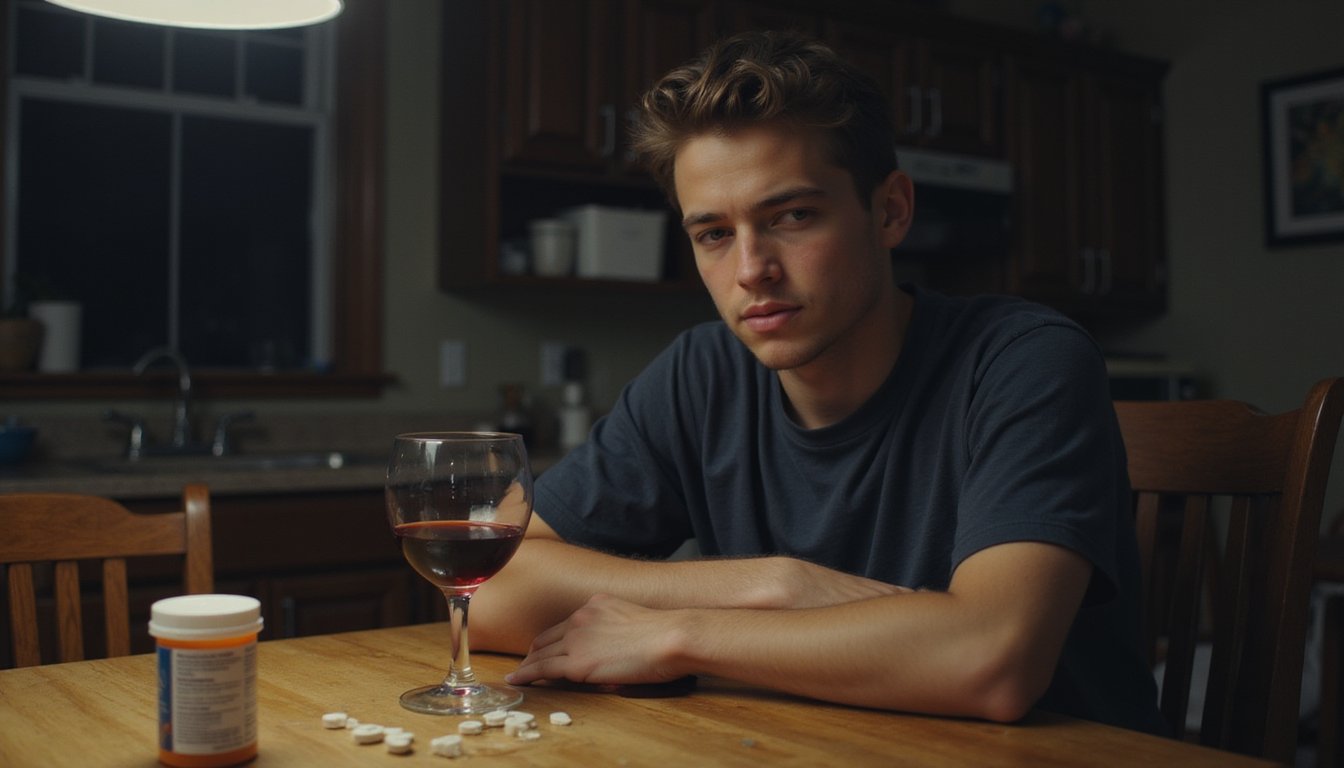
While many people seek anxiety medications for relief from their symptoms, combining these drugs with alcohol creates dangerous and potentially lethal risks. The reality is that no anxiety medication is truly safe to mix with alcohol, regardless of drug class. You’re putting yourself at serious risk when combining these substances.
When you mix alcohol with anxiety medications, you’re facing multiple hazards: severe drowsiness, dangerous respiratory depression, increased risk of liver toxicity, and potential blackouts or loss of consciousness. The combination can also worsen your mental health symptoms and increase suicidal ideation. Both substances strain your liver, potentially leading to toxic buildup and reduced medication effectiveness. Mixing these substances can lead to enhanced sedation that significantly impairs coordination and judgment. Studies show that problem drinkers are 1.5 times more likely to use antidepressants while drinking alcohol. It’s important to note that alcohol can prevent antidepressants from delivering their intended therapeutic benefits.
Remember: Healthcare providers and pharmacists universally warn against mixing alcohol with any anxiety medication – there are no validated safe combinations.
Understanding the Risks of Benzodiazepines With Alcohol
When you mix benzodiazepines with alcohol, you’re facing a potentially lethal combination that can severely depress your breathing and lead to respiratory failure. Your coordination becomes dangerously impaired, increasing your risk of falls, accidents, and serious injuries. Both substances act as central nervous system depressants, making their combined effects particularly dangerous. You’ll need immediate medical attention if you experience excessive drowsiness, slurred speech, confusion, or slow breathing, all warning signs of a potentially fatal overdose. Long-term use of this combination can lead to permanent brain damage and cognitive decline. Medical professionals strongly advise that these substances should never be taken together, as the combination dramatically increases the chances of fatal overdose.
Deadly Respiratory Depression Risks
The combination of benzodiazepines and alcohol creates a potentially lethal synergistic effect on the central nervous system. When you mix these substances, they multiply each other’s depressant effects, targeting GABA receptors and severely compromising your respiratory function. Despite the gradual onset of symptoms, breathing can rapidly decline to dangerous levels, as low as 3-5 breaths per minute. Over 15 FDA-approved benzodiazepines are currently prescribed in the United States, yet none are safe to combine with alcohol. Unlike older sedative medications, benzodiazepines have superior safety profiles when taken alone, but this safety advantage disappears when combined with alcohol.
The potential for fatal overdose is heightened because this combination can shut down your brain stem’s automatic control of breathing. You won’t necessarily feel warning signs before falling unconscious. Even if you have a tolerance to one substance, it doesn’t protect you from the unpredictable effects of combining them. Your breathing can stop entirely while appearing to be merely “asleep,” leading to oxygen deprivation and organ failure. This dangerous mix frequently causes slurred speech and confusion, making it difficult for others to recognize the severity of the situation.
Impaired Coordination Dangers
Because benzodiazepines and alcohol target the same GABA receptors in your brain, combining them creates a dangerous multiplier effect on physical coordination and motor skills. You’ll experience significant impairments in reaction time, visual functioning, and divided attention, even at therapeutic doses with minimal alcohol consumption.
This combination leads to perceptual distortions where you won’t recognize how impaired you’ve become. Your balance, speech, and muscle control deteriorate rapidly, while your judgment becomes severely compromised. The additive and synergistic effect becomes apparent even when consuming alcohol below .05% BAC while taking prescribed benzodiazepines. These effects create heightened accident risks, particularly when driving or operating machinery. You’re more likely to experience falls, traumatic injuries, and potentially fatal accidents.
What makes this interaction especially dangerous is that the coordination impairment can progress insidiously, often catching you off guard before you realize the severity of your condition.
Overdose Warning Signs
Recognizing overdose warning signs can mean the difference between life and death when mixing benzodiazepines with alcohol. Watch for severe lethargy, confusion, and slurred speech, which typically show rapid onset within four hours of ingestion. These symptoms often progress to dangerous levels of sedation or unconsciousness.
You’ll need immediate medical attention if you notice signs of respiratory depression, including shallow or stopped breathing. Other critical warning signs include an unusually slow heart rate, low blood pressure, or weak pulse. Be alert for paradoxical reactions like extreme agitation or hallucinations. In children and elderly individuals, these symptoms can develop more quickly and severely.
If you observe these warning signs in someone, don’t wait; call emergency services immediately. The combination of benzos and alcohol can quickly lead to life-threatening complications. This dangerous interaction occurs because alcohol and benzodiazepines potentiate each other’s effects, making their combined impact far more severe than either substance alone.
Antidepressant Interactions With Alcoholic Beverages
While antidepressants can effectively treat anxiety and depression, combining them with alcohol creates dangerous and unpredictable interactions in your body. You’ll experience variable metabolic interactions that differ based on your genetics, health status, and even the specific occasion of use. Recent studies have shown that pathological intoxication cases can lead to severe behavioral changes and violence. Healthcare providers generally recommend limiting consumption to 1-2 drinks daily if drinking cannot be avoided entirely. Taking monoamine oxidase inhibitors with alcohol is particularly dangerous due to severe blood pressure spikes.
| Risk Category | SSRI Effects | Health Impact |
|---|---|---|
| Mental | Memory loss | Depression worsens |
| Physical | Drowsiness | Liver damage |
| Behavioral | Poor judgment | Increased accidents |
| Treatment | Reduced efficacy | Treatment resistance |
Your liver must work harder to process both substances simultaneously, increasing toxicity risks. You’ll likely face intensified side effects, including severe drowsiness, impaired coordination, and unpredictable side effects that can compromise your safety. The combination may also counteract your medication’s therapeutic benefits, potentially worsening your anxiety or depression symptoms.
Critical Health Dangers of Combined Substance Use
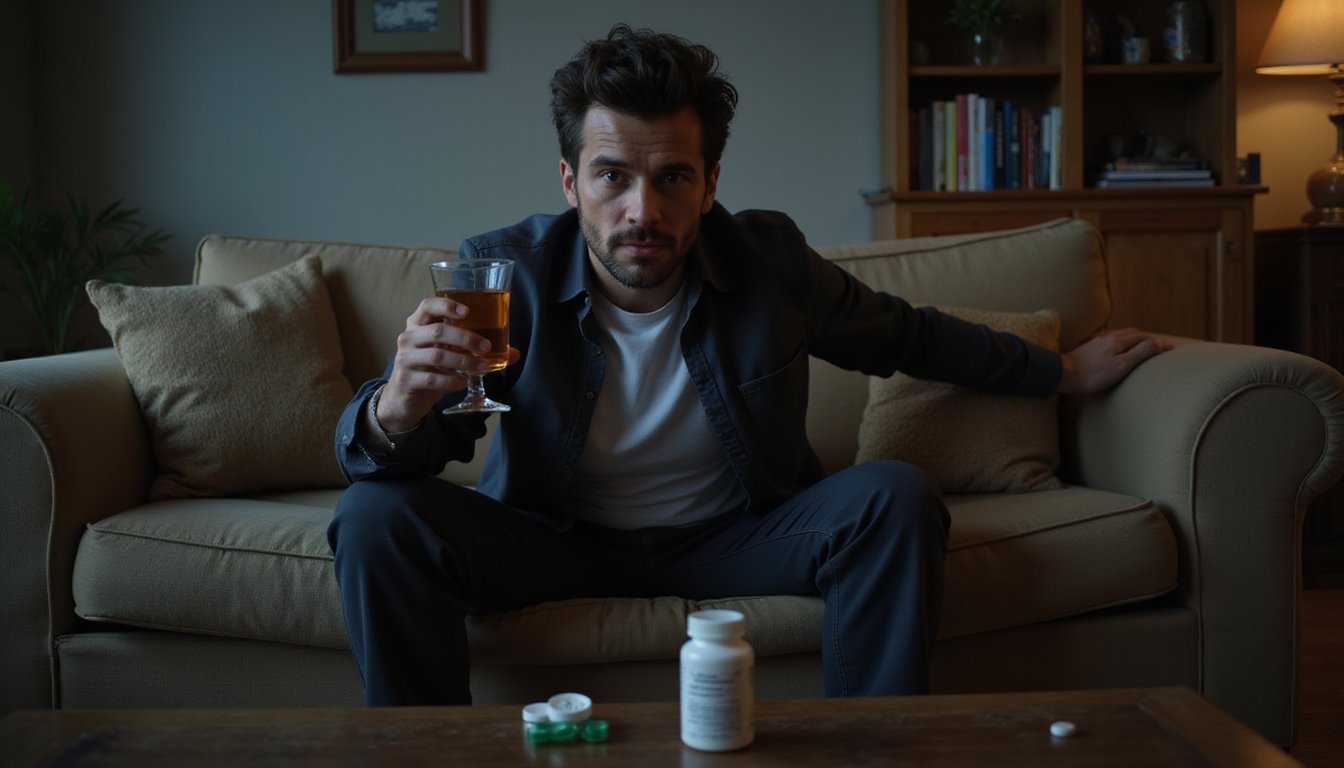
Mixing anxiety medications with alcohol creates a dangerous cascade of life-threatening health risks that extend far beyond simple drug interactions. You’re exposing yourself to severe organ system complications and neurotoxic accumulation effects when combining these substances. The interaction triggers profound central nervous system depression, leading to respiratory failure, cognitive dysfunction, and potential organ damage.
- Your breathing can slow to dangerous levels, potentially causing fatal respiratory depression
- Your liver faces increased strain from processing both substances simultaneously
- Your judgment and motor skills become severely impaired, raising accident risks
- Your risk of developing physical dependence and addiction increases substantially
- Your mental health symptoms may worsen due to counteractive effects between substances
These combined effects can quickly escalate from mild symptoms to life-threatening medical emergencies requiring immediate intervention.
Warning Signs and Emergency Response Guidelines
Staying alert to warning signs can mean the difference between life and death when anxiety medications and alcohol interact in your system. Early warning recognition is pivotal; watch for extreme drowsiness, coordination loss, confusion, or unusual dizziness. If you notice breathing difficulties, unconsciousness, or severe disorientation, call emergency services immediately.
Don’t leave an affected person alone – continuous monitoring of their breathing and responsiveness is indispensable. If they’re unconscious but breathing, place them in the recovery position. Never induce vomiting or give fluids if they’re heavily sedated. When emergency responders arrive, provide detailed information about medications, dosages, and alcohol consumption timing.
After any serious incident, seek medical follow-up and report all substance combinations to your healthcare provider to prevent future emergencies.
Breaking Down Common Myths About Mixing
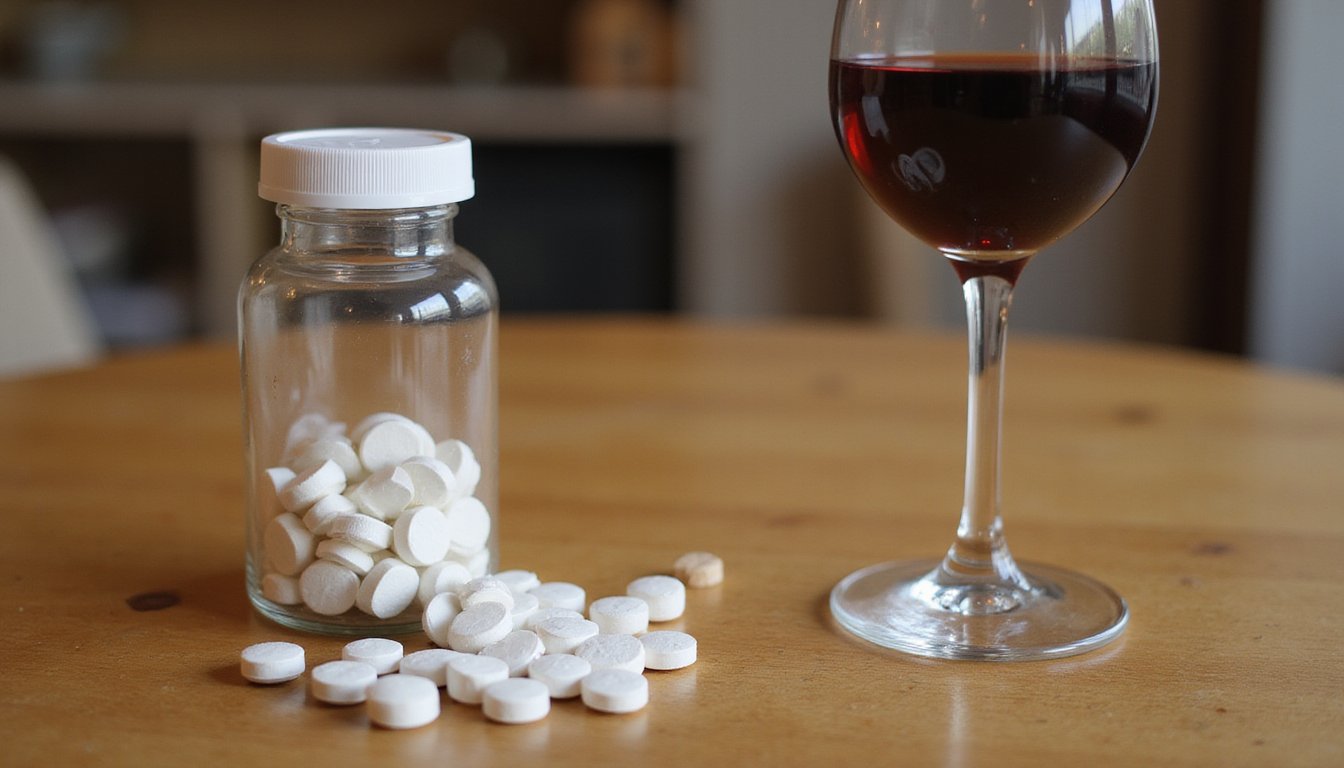
Beyond recognizing warning signs, understanding the truth about anxiety medications and alcohol can save lives. Common misconceptions about medication interactions often lead to dangerous behaviors. You’ll need to understand critical dosage precautions and potentially lethal consequences of combining these substances.
- No anxiety medication is safe to mix with alcohol; even small amounts can trigger severe reactions
- Moderate drinking remains dangerous while taking anxiety medications, regardless of dosage
- Life-threatening respiratory depression can occur, not just mild discomfort
- Alcohol directly interferes with medication effectiveness, potentially worsening your anxiety
- Combined use enormously increases your risk of developing substance dependence
These myths have perpetuated dangerous practices that can lead to serious medical emergencies. Your healthcare provider’s instructions about avoiding alcohol aren’t optional; they’re essential safety guidelines that protect your health and well-being.
Safe Alternatives and Lifestyle Modifications
When seeking safer ways to manage anxiety, numerous evidence-based alternatives can effectively replace the dangerous combination of medication and alcohol. Consider adopting a thorough approach that combines cognitive behavioral therapy with mindfulness practices and regular exercise. Nutritional approaches, including omega-3 supplementation and improved diet, can significantly reduce anxiety symptoms without adverse effects. Best anxiety medication for women should be considered as a part of a holistic treatment plan. Research indicates that women may respond differently to anxiety medications than men, making it essential to tailor approaches to individual needs.
You’ll find relief through non-pharmacological options like creative therapies, including art and music, which help process emotions and reduce stress. Implement proven lifestyle modifications such as maintaining proper sleep hygiene, practicing relaxation techniques, and building strong social connections. These methods, combined with professional monitoring and structured stress management, provide sustainable anxiety relief without the risks associated with alcohol and medication interactions. Anxiety medication for adolescents can play a critical role in managing severe symptoms that might not respond to lifestyle modifications alone.
Frequently Asked Questions
How Long Does Alcohol Stay in Your System While Taking Anxiety Medication?
Your alcohol absorption rate remains unchanged at 0.015 BAC per hour while on anxiety medications, but the interaction creates dangerous CNS depression effects. You’ll still process roughly one drink per hour, with alcohol detectable in your blood for up to 12 hours and urine for 48-80 hours. Individual alcohol metabolism factors like genetics, liver function, and the specific anxiety medication’s half-life can influence these timeframes, but won’t speed up elimination.
Can I Drink Alcohol at Special Events if I Skip My Medication?
No, you shouldn’t skip your anxiety medication to drink alcohol at special events. Even if you miss a dose, residual medication remains in your system, creating dangerous interactions with alcohol. When planning for events, discuss moderation recommendations with your healthcare provider rather than adjusting medication schedules. Skipping doses can trigger withdrawal symptoms and destabilize your mental health. Consider non-alcoholic alternatives to safely participate in celebrations while maintaining your treatment plan.
Which Anxiety Medications Have the Shortest Interaction Time With Alcohol?
While medications like buspirone, propranolol, and short-acting benzodiazepines have shorter half-lives (2-12 hours), you shouldn’t assume they’re safe to mix with alcohol. Your body’s alcohol metabolism rate can vary, and potential side effects remain dangerous regardless of duration. Even brief interactions can cause severe CNS depression, impaired coordination, and memory loss. There’s no “safe window”; all anxiety medications carry significant risks when combined with alcohol.
Are There Specific Blood Tests to Monitor Medication-Alcohol Interactions?
There’s no single blood test that directly measures medication-alcohol interactions. While you can get tests for medication levels monitoring and blood alcohol levels separately, they won’t show how these substances interact. Your doctor can check liver function tests and specific alcohol markers like PEth or CDT to track alcohol use patterns, but these don’t measure real-time interactions. Clinical monitoring of your symptoms remains more reliable than blood testing for identifying potential adverse effects.
Does the Time of Day I Take Anxiety Medication Affect Alcohol Interactions?
No, the timing of anxiety medication dosage doesn’t make alcohol use any safer. Your medication’s effects remain active in your body for hours or even days, regardless of when you take it. The impact of alcohol absorption rate and drug interactions depends on the medication’s presence in your system, not the clock time. You’ll face the same dangerous risks of respiratory depression and overdose whether you take your medication in the morning or at night.